Introduction: A New Milestone for American Solar Manufacturing
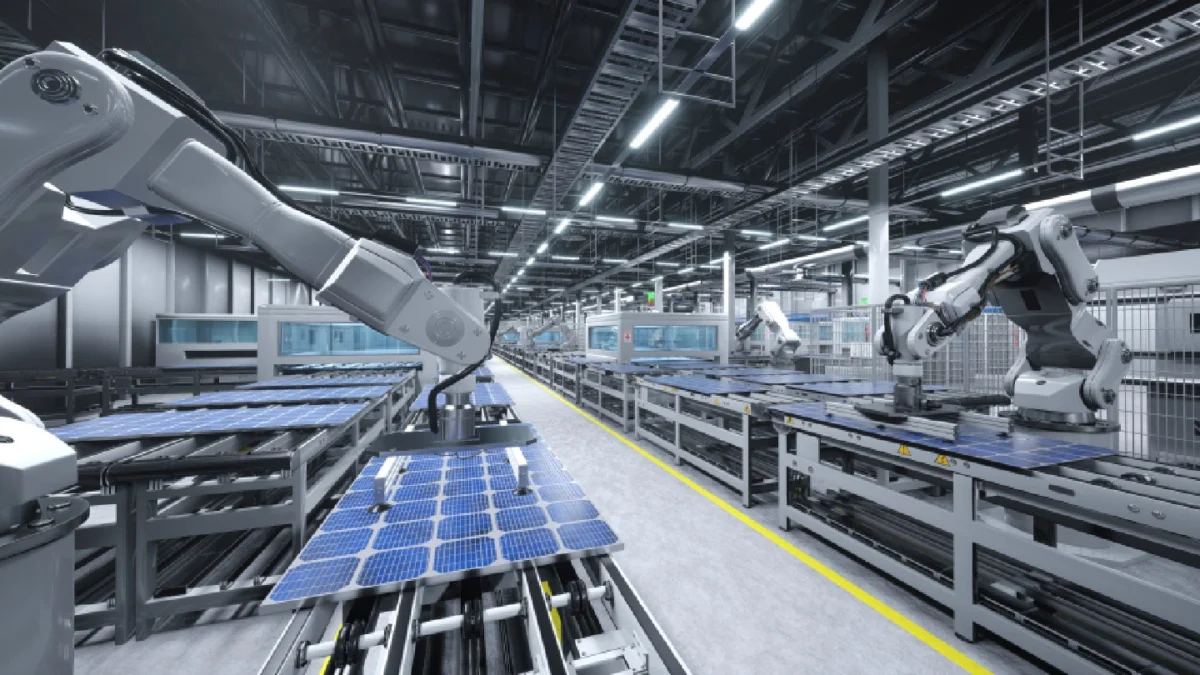
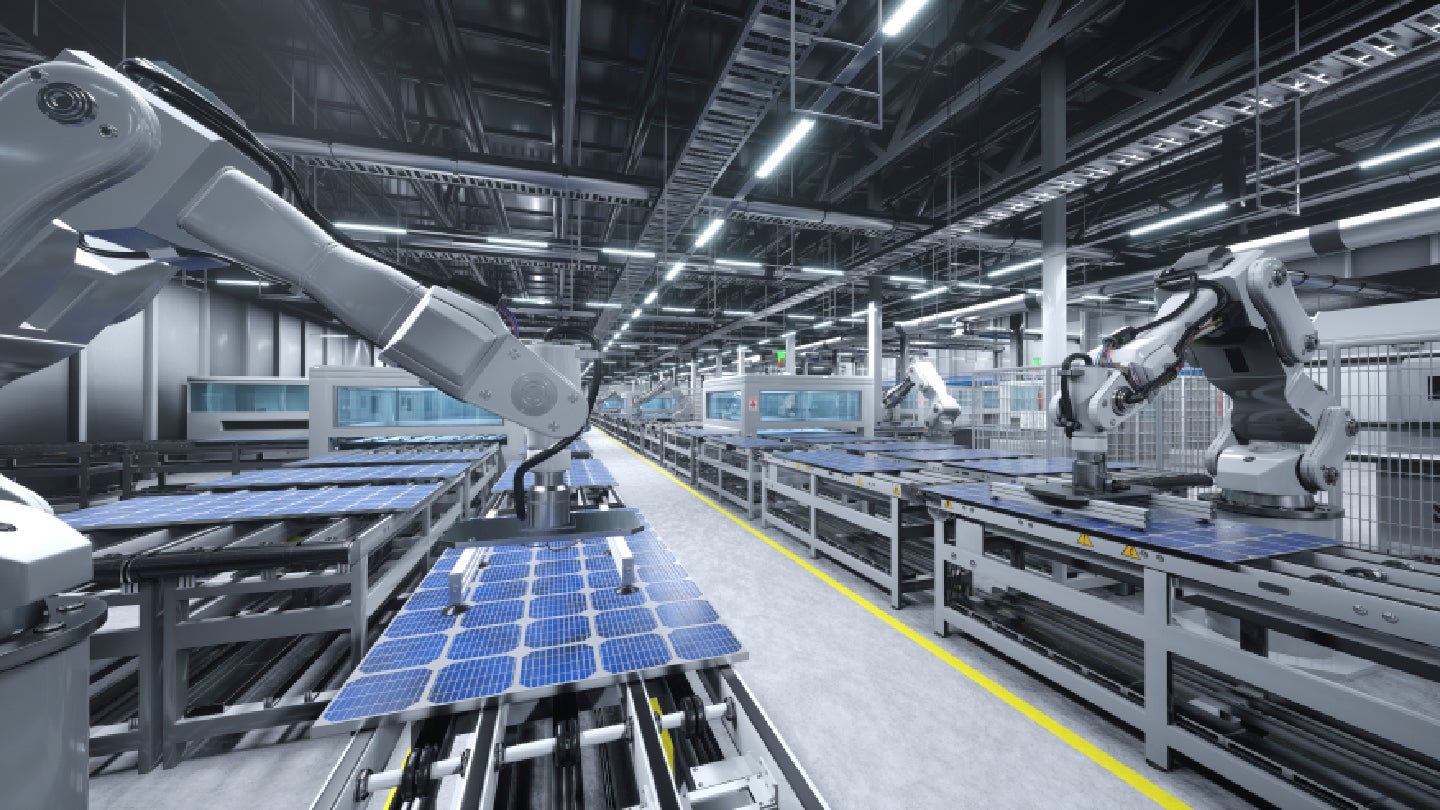
In a significant stride toward bolstering the domestic renewable energy supply chain, CS PowerTech—a US-based manufacturing subsidiary of global solar leader Canadian Solar—has officially inaugurated the first phase of its cutting-edge photovoltaic (PV) cell manufacturing facility. Located at the River Ridge Commerce Center in Jeffersonville, Indiana, this facility represents more than just a capital investment; it serves as a cornerstone for the next generation of American-made energy infrastructure.
As the United States accelerates its transition toward a decarbonized grid, the demand for high-efficiency solar technology has never been greater. The Jeffersonville plant distinguishes itself by being the first facility in the nation purpose-built to produce heterojunction (HJT) bifacial N-type solar cells. By localizing the production of these advanced components, CS PowerTech is poised to reduce dependency on international supply chains while creating a robust ecosystem for high-tech manufacturing in the heart of the Midwest.
Main Facts: The Scope of the Jeffersonville Operation
The Jeffersonville facility is a massive undertaking that underscores the scale of the current US solar manufacturing boom. With a projected total investment nearing $1 billion, the project is designed to be a centerpiece of industrial revitalization in southern Indiana.
Production Capacity and Technical Superiority
At full operational capacity, the plant is expected to produce more than 6 gigawatts-peak (GWp) of solar cells annually. This volume is significant, providing enough capacity to supply a substantial portion of the US market with high-performance solar modules.
The focus on heterojunction (HJT) bifacial N-type technology is a strategic move. HJT technology is widely regarded in the industry as the gold standard for efficiency and performance. By combining traditional crystalline silicon with thin-film amorphous silicon, these cells offer superior temperature coefficients and energy yields compared to traditional PERC (Passivated Emitter and Rear Cell) technology. Furthermore, their bifacial design—which captures sunlight on both sides of the panel—maximizes energy generation in diverse environments, from large-scale utility fields to commercial rooftops.
Economic Impact
Beyond the technology, the facility serves as a vital economic engine. The project is set to create over 1,200 skilled jobs in Indiana. These roles span the spectrum from advanced engineering and automation management to specialized production line operation, providing a significant boost to the regional economy and fostering a local workforce skilled in clean-energy manufacturing.
Chronology: From Concept to Commissioning
The journey to the Jeffersonville plant is part of a broader, multi-year strategic pivot by Canadian Solar to localize production in North America.
- Strategic Planning (2023-2024): CS PowerTech identifies the River Ridge Commerce Center as an ideal location due to its logistics infrastructure and the regional availability of a skilled workforce. The decision to invest nearly $1 billion is finalized, aligning with federal incentives aimed at promoting domestic renewable energy manufacturing.
- Facility Construction (2025): Throughout the year, the site undergoes rapid development, transforming from a greenfield project into a state-of-the-art industrial complex.
- The Texas-Indiana Nexus: Parallel to the Indiana project, CS PowerTech continues to operate its module assembly plant in Mesquite, Texas. This integrated supply strategy allows the company to manufacture cells in Indiana, which are then integrated into finished modules in Texas, creating a seamless domestic loop.
- Inauguration (July 2026): The first phase of the Jeffersonville plant goes live, marking the commencement of HJT solar cell production.
- Future Milestones: The company plans to ramp up production to full capacity in the coming months. Furthermore, site preparation and initial work on a "Phase Two" expansion are scheduled to begin before the end of 2026, signaling the company’s long-term commitment to the region.
Supporting Data: Integrating the Domestic Supply Chain
The Jeffersonville plant does not operate in a vacuum. It is part of an integrated, cross-state supply strategy designed to streamline logistics and improve efficiency for US customers.
The "Cell-to-Module" Synergy
The integration between the Indiana cell plant and the Mesquite, Texas, module assembly facility is crucial. By keeping the manufacturing of these two core components within the United States, CS PowerTech can:
- Reduce Lead Times: Minimize the complexities of international shipping and global logistics disruptions.
- Ensure Quality Control: Maintain rigorous American manufacturing standards throughout the entire production cycle.
- Optimize Logistics: Leverage the proximity of the Midwest and South to reach key regional markets efficiently.
Comparative Market Performance
The industry shift toward N-type HJT technology is backed by data indicating that these modules offer better performance in hot climates and high-reflectivity environments (such as snowy regions or sandy terrain). As solar developers seek higher "Levelized Cost of Energy" (LCOE) performance, the output from the Jeffersonville plant will likely become a preferred choice for large-scale utility projects across the US.
Official Responses: Leadership Perspectives
The leadership at CS PowerTech and Canadian Solar has emphasized that this project is about more than just manufacturing volume—it is about national resilience.
Rusty Schmit, President of CS PowerTech:
"This facility will produce next-generation HJT solar cells, support domestic manufacturing, and ultimately strengthen grid reliability as our customers deploy the products. We are proud to invest in Indiana’s workforce and work with regional partners to build a long-term centre of excellence for solar technology and advanced manufacturing."
Colin Parkin, CEO of Canadian Solar:
"HJT technology is critical for the next generation of high-efficiency, high-performance solar modules. This plant gives CS PowerTech the ability to deliver leading technology, improved energy yield, and long-term value for customers while strengthening domestic advanced manufacturing."
These statements highlight a shared vision: moving away from a fragmented, globalized supply chain toward a reliable, domestic, and technologically advanced model that benefits both the energy grid and the national economy.
Implications: A Catalyst for Industry Growth
The launch of the Jeffersonville facility has several far-reaching implications for the US energy landscape.
1. Strengthening the Domestic Supply Chain
By localizing the production of PV cells—a component often imported from overseas—the US significantly reduces its vulnerability to geopolitical tensions and international shipping bottlenecks. This creates a "de-risked" supply chain for solar developers and utilities.
2. A Blueprint for "Advanced Manufacturing"
The facility serves as a model for how states like Indiana, traditionally known for automotive and heavy industrial manufacturing, can pivot toward the "green economy." The 1,200 jobs created are high-skill roles that require specialized training, signaling a transition toward a more sophisticated manufacturing base.
3. Energy Security and Grid Reliability
As intermittent renewable energy sources like wind and solar make up a larger percentage of the US energy mix, the quality and efficiency of the hardware become paramount. High-efficiency HJT cells ensure that solar installations produce more power from the same land footprint, thereby maximizing the efficiency of the power grid and supporting long-term energy security.
4. Broader Context: Energy Storage and Synergy
The Jeffersonville plant is a significant addition to the broader Canadian Solar portfolio. The company’s focus on integrated solutions is further evidenced by its success in other segments, such as the April 2025 contract for a 228MW/912MWh battery energy storage system (BESS) for the Diego de Almagro Sur project in Chile. By combining high-efficiency generation hardware with advanced storage solutions, the company is positioning itself as an end-to-end provider for the global and domestic energy transition.
Conclusion: The Road Ahead
As CS PowerTech ramps up production in Jeffersonville, the implications for the American solar industry are clear. The facility represents a sophisticated blend of advanced engineering, strategic logistics, and economic development. By investing in the next generation of solar cell technology on US soil, CS PowerTech is not only securing its own future but also providing the American grid with the tools it needs to remain reliable, efficient, and sustainable for decades to come.
With Phase Two expansion already on the horizon, the River Ridge Commerce Center is set to become one of the most important hubs for renewable energy technology in the United States, proving that the future of energy is indeed being built right here at home.