In a significant stride toward accelerating the Netherlands’ decarbonization objectives, Dutch regional energy network operator Enexis has finalized a €500 million ($570 million) financing agreement with the European Investment Bank (EIB). This capital injection is earmarked for the operator’s ambitious 2026 electricity grid investment program, aimed at modernizing aging infrastructure and expanding capacity to accommodate a surge in renewable energy generation and domestic electrification.
The investment represents a critical pillar in the Netherlands’ strategy to handle the mounting pressure on its distribution networks—a challenge exacerbated by the rapid proliferation of solar and wind power, coupled with the increasing demand for high-capacity electricity supply from residential areas, industrial clusters, and the booming electric vehicle (EV) charging market.
Main Facts: A Strategic Infrastructure Overhaul
The €500 million facility from the EIB is designed to finance the systematic expansion, reinforcement, and renewal of the power distribution network across five key Dutch provinces: Groningen, Overijssel, Drenthe, North Brabant, and Limburg.
As a regional distribution system operator (DSO), Enexis serves approximately three million households and businesses. The scale of the 2026 upgrade is extensive, involving the deployment of roughly 2,800 kilometers of medium-voltage cables and an additional 1,800 kilometers of low-voltage cabling. Beyond the physical installation of conductors, the investment program encompasses the construction of new high-capacity transformer stations and the integration of advanced digital solutions. These "smart grid" technologies are intended to provide real-time network management, allowing Enexis to optimize load balancing and preemptively identify bottlenecks before they lead to service disruptions.
Chronology: The Path to Modernization
The Dutch energy landscape has shifted rapidly over the past decade. The transition from centralized fossil-fuel-based power generation to a decentralized, renewable-heavy model has placed the country’s existing infrastructure under unprecedented strain.
- Pre-2026 Context: Years of increased solar PV penetration and the rise of heat pumps have pushed many local grids to their technical limits, leading to intermittent connection delays for new commercial and industrial projects.
- Early 2026: Enexis finalized its strategic investment roadmap, identifying key regional constraints that required immediate capital intervention.
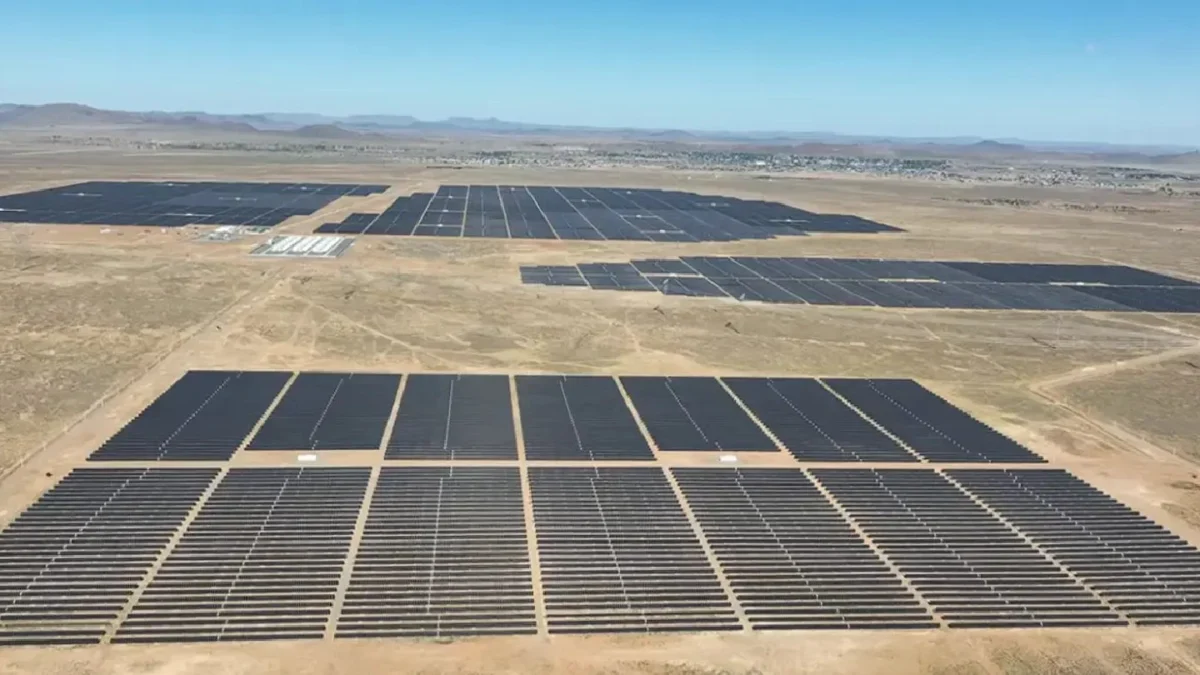
- April 2026: The EIB demonstrated its commitment to European energy security by finalizing separate financing for large-scale solar projects, signaling a broader EU-wide push to mobilize capital for green energy infrastructure.
- Mid-2026: The official announcement of the €500m Enexis-EIB partnership was confirmed, providing the financial runway necessary to execute the 2026 program at pace.
- Post-2026 and Beyond: The current works are projected to provide the backbone for the next decade of regional economic growth, serving as a template for how DSOs must evolve to accommodate "prosumers"—customers who both consume and produce electricity.
Supporting Data: Infrastructure in Numbers
The technical requirements of the grid upgrade are underscored by the sheer volume of material and infrastructure being deployed. The program’s metrics highlight the magnitude of the challenge:
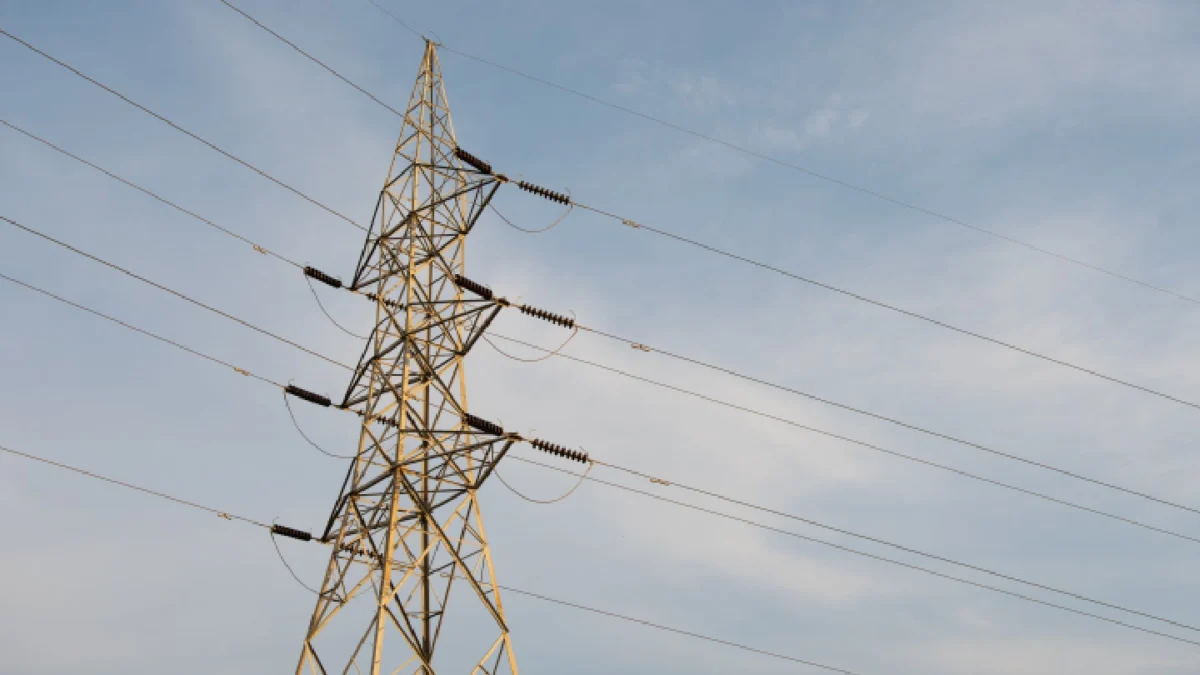
- Cable Deployment: 2,800km of medium-voltage (MV) lines and 1,800km of low-voltage (LV) lines. These cables serve as the arteries of the energy system, distributing power from regional substations to local neighborhoods and industrial parks.
- Service Reach: Three million connections. Enexis is responsible for one of the most densely utilized energy networks in Europe.
- Funding Scale: €500 million (approx. $570 million). This represents a substantial portion of the total annual capital expenditure required to keep the Dutch grid resilient against the volatility of renewable energy sources.
- Operational Scope: Five provinces (Groningen, Overijssel, Drenthe, North Brabant, and Limburg), representing a diverse range of urban, rural, and industrial power requirements.
Official Responses: Aligning Policy and Execution
The partnership between Enexis and the EIB reflects a strategic alignment between European financial institutions and national energy providers.
Robert de Groot, EIB Vice-President:
"By reinforcing the grids in its service areas, many of which face critical capacity constraints, Enexis will boost network resilience and increase the security of the electricity grid. This will allow business, entrepreneurs, and households to get the electricity they urgently need. The EIB’s support is not merely a financial transaction; it is a commitment to the fundamental infrastructure that makes the European Green Deal possible."
Marjanne van Ittersum, CFO of Enexis:
"The energy transition requires investments on a scale and at a pace we have not seen before. This financing supports our investments in 2026 and strengthens the diversification and flexibility of our funding. It enables us to continue working towards a reliable and future-proof electricity grid, providing as many customers as possible with access to energy. We are operating in an environment where the grid is no longer a passive utility but the central nervous system of the economy."
Implications: The Energy Transition’s "Bottleneck"
The implications of this investment extend far beyond the installation of cables. For the Netherlands, the grid is currently the primary bottleneck preventing the full realization of climate goals.
1. Enabling Electrification
As the Dutch economy moves away from natural gas for domestic heating and industrial processes, the demand for electricity is set to skyrocket. Without the reinforcement being funded by the EIB, many businesses would be unable to switch to electric boilers or heat pumps, stalling the national transition.
2. Solving the "Solar Paradox"
The Netherlands has one of the highest per-capita densities of solar panels in the world. However, on sunny days, the grid often cannot handle the surplus electricity being injected back into the system, leading to temporary curtailment. The new transformer stations and digital management systems will allow Enexis to better ingest this intermittent supply, turning a potential grid burden into a consistent asset.
3. Economic Stability and Security
For industrial clusters in the provinces of North Brabant and Limburg, the reliability of the electricity supply is a competitive necessity. By reducing the frequency of connection queues, Enexis is directly supporting the retention and growth of regional businesses.
4. Digitalization as a Strategic Asset
The move toward "digital solutions" in network management marks a paradigm shift for DSOs. By utilizing advanced analytics and IoT sensors, Enexis can now predict peak loads with higher accuracy. This "software-defined" approach to grid management allows for higher utilization rates of existing hardware, effectively squeezing more capacity out of the infrastructure without the need for additional physical expansion.
Conclusion: A Blueprint for European Infrastructure
The EIB’s financing of the Enexis grid program is a microcosm of the broader European energy strategy. As the continent shifts toward a carbon-neutral future, the focus of the energy transition is moving away from the power generation phase—where solar and wind have already achieved parity—to the infrastructure phase.
The successful implementation of this 2026 program will likely serve as a blueprint for other European DSOs grappling with similar capacity constraints. By combining traditional heavy engineering—such as thousands of kilometers of new cabling—with modern, digital, and resilient network design, Enexis is positioning itself to be a leader in the next phase of the energy revolution. As the project moves into the execution phase, the spotlight remains on whether the speed of this infrastructure deployment can keep pace with the rapidly evolving demands of a modern, electrified society.