In a move that underscores the escalating demand for large-scale, dispatchable renewable energy, Tesla has finalized a massive long-term Power Purchase Agreement (PPA) with ContourGlobal. This deal, which centers on the “Sterling Project” in Arizona, marks a pivotal moment for the US energy landscape. By securing approximately 1 terawatt-hour (TWh) of renewable electricity annually, Tesla is not only insulating its operations against grid volatility but also setting a new benchmark for corporate sustainability initiatives.
Main Facts: The Sterling Project and the Tesla Partnership
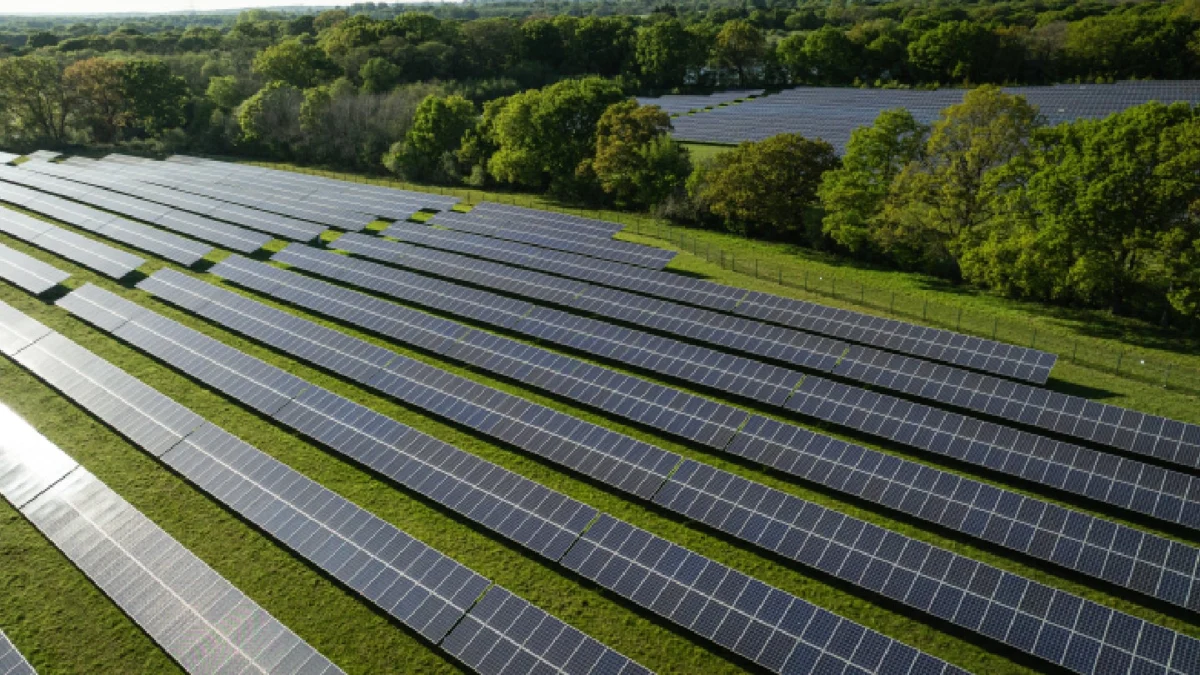
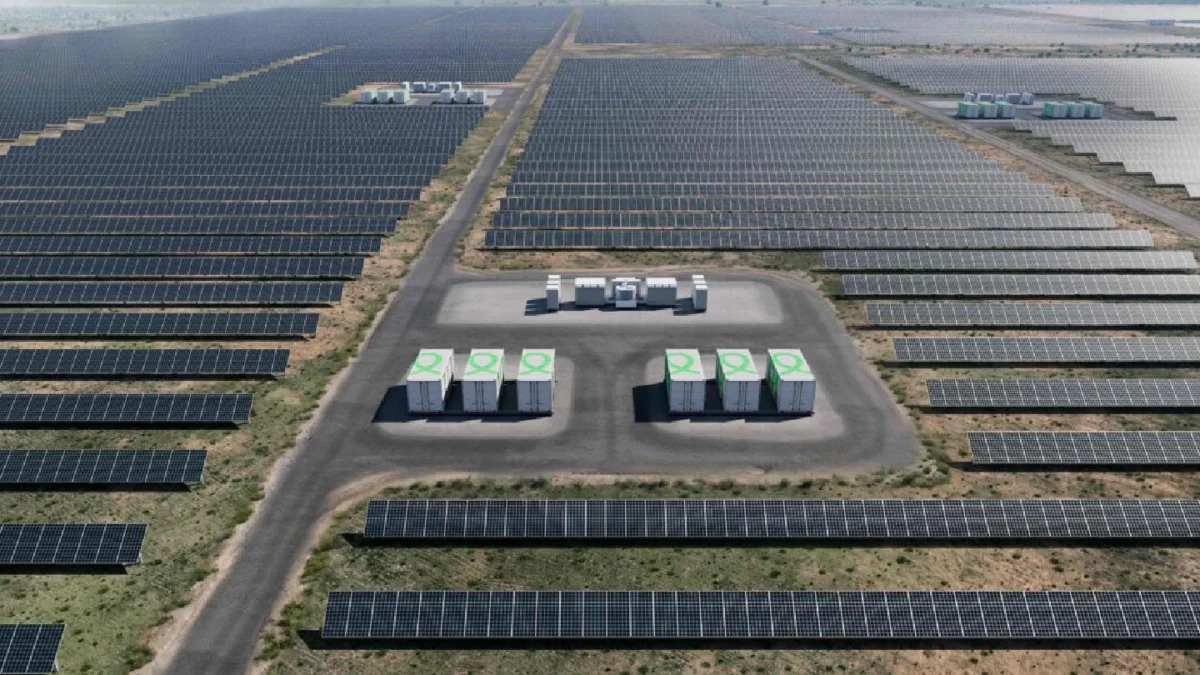
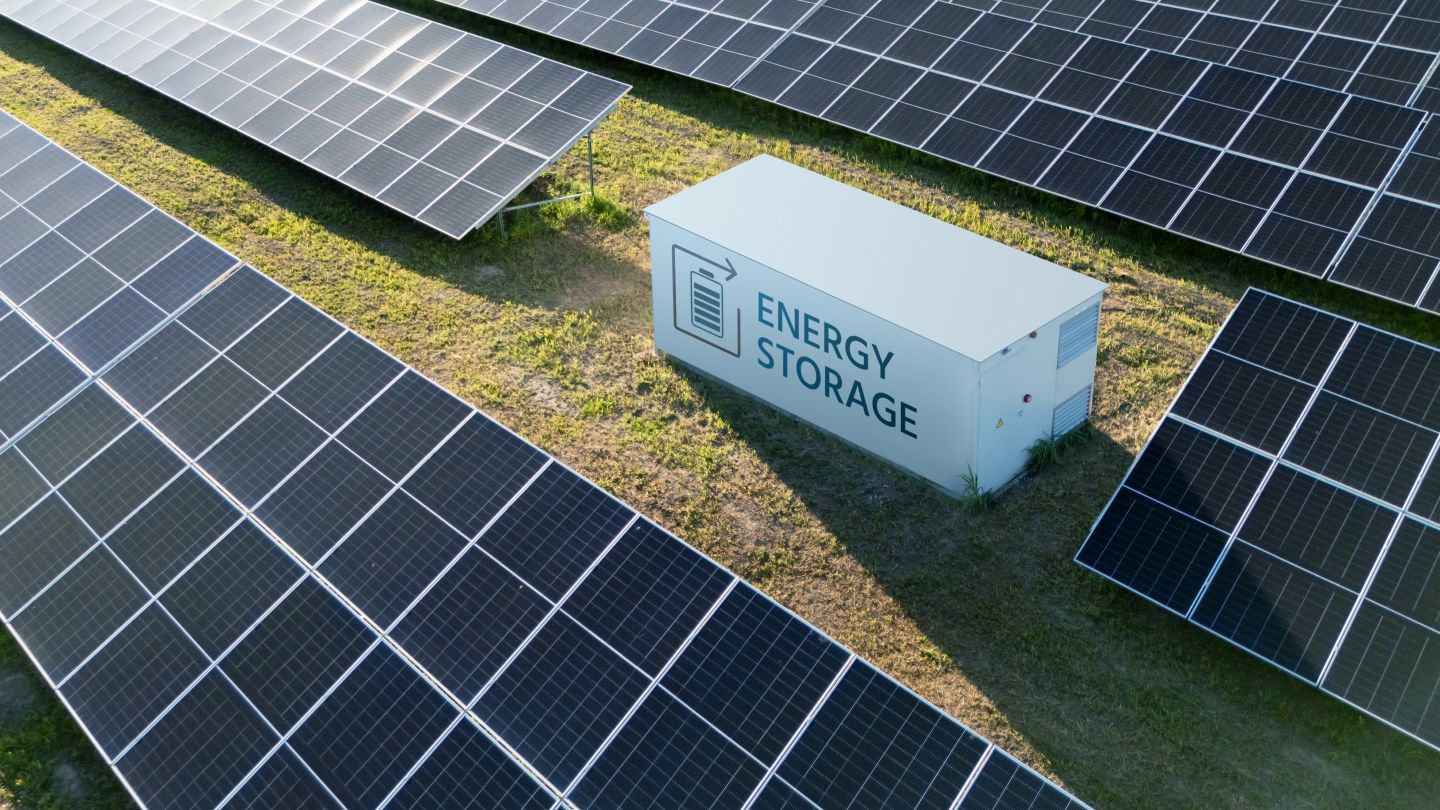
The Sterling Project is a hybrid renewable energy facility of significant scale, designed to bridge the gap between intermittent solar generation and consistent energy demand. Located in Arizona, the facility combines 509MWp (megawatt-peak) / 450MWac (megawatt-alternating current) of solar photovoltaic (PV) generation with a robust 360MW / 1.4GWh battery energy storage system (BESS).
Under the terms of the agreement, Tesla will become the primary off-taker, consuming approximately 90% of the plant’s total annual energy output. Crucially, the agreement includes the transfer of Renewable Energy Certificates (RECs), allowing Tesla to verify and claim the environmental benefits of the electricity sourced from the facility.
This agreement stands out as one of the largest solar-plus-battery corporate PPAs ever executed for a single facility in the United States. It positions the Sterling Project as the cornerstone of ContourGlobal’s renewable portfolio, representing the company’s largest renewable asset to date. The facility’s strategic location on the Western Area Power Administration grid provides it with critical firm transmission rights into the California Independent System Operator (CAISO) market, a region known for its aggressive decarbonization goals and high demand for clean, reliable power.
Chronology: From Development to Commercial Operation
The journey of the Sterling Project reflects the rapid evolution of the renewable energy sector. The timeline is marked by strategic acquisition, design refinement, and a structured path toward full commercial capacity:
- December 2024: ContourGlobal acquires the Sterling Project. At the time of purchase, the project was in the early development phase, allowing the company to pivot its design strategy to align with the specific technical and operational requirements of a major corporate partner like Tesla.
- 2025: Off-site construction efforts commence. This phase focused on procurement and supply chain logistics, ensuring that key equipment—such as solar modules and high-capacity battery cells—was secured in June to avoid the inflationary pressures and lead-time bottlenecks that have plagued the industry in recent years.
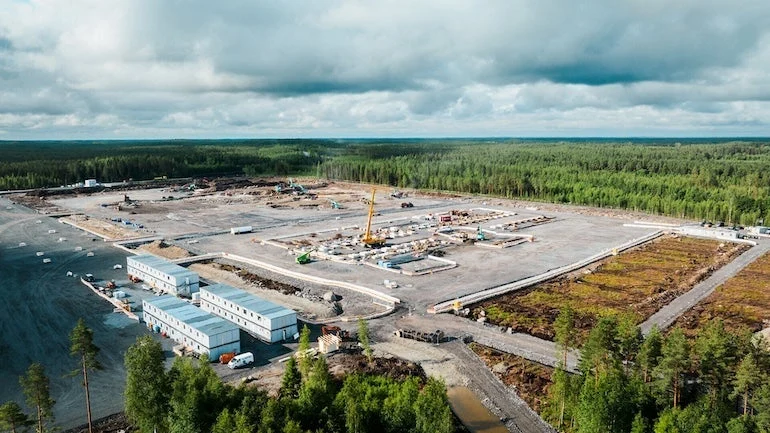
- Late 2026 (Current Period): On-site construction is slated to ramp up. The project has moved from the drawing board to physical site preparation, signaling a transition into the heavy-civil and electrical engineering phases of development.
- 2028: The projected date for the commencement of commercial operations. Upon activation, the site will begin feeding its 1TWh annual output into the grid, significantly bolstering the renewable footprint of the Southwestern United States.
Supporting Data: The Anatomy of a Hybrid Power Plant
The engineering complexity of the Sterling Project is what differentiates it from traditional utility-scale solar farms. In the modern energy market, intermittent solar generation alone is often insufficient to meet the needs of industrial giants like Tesla, who require stability.
The Solar-Battery Synergy
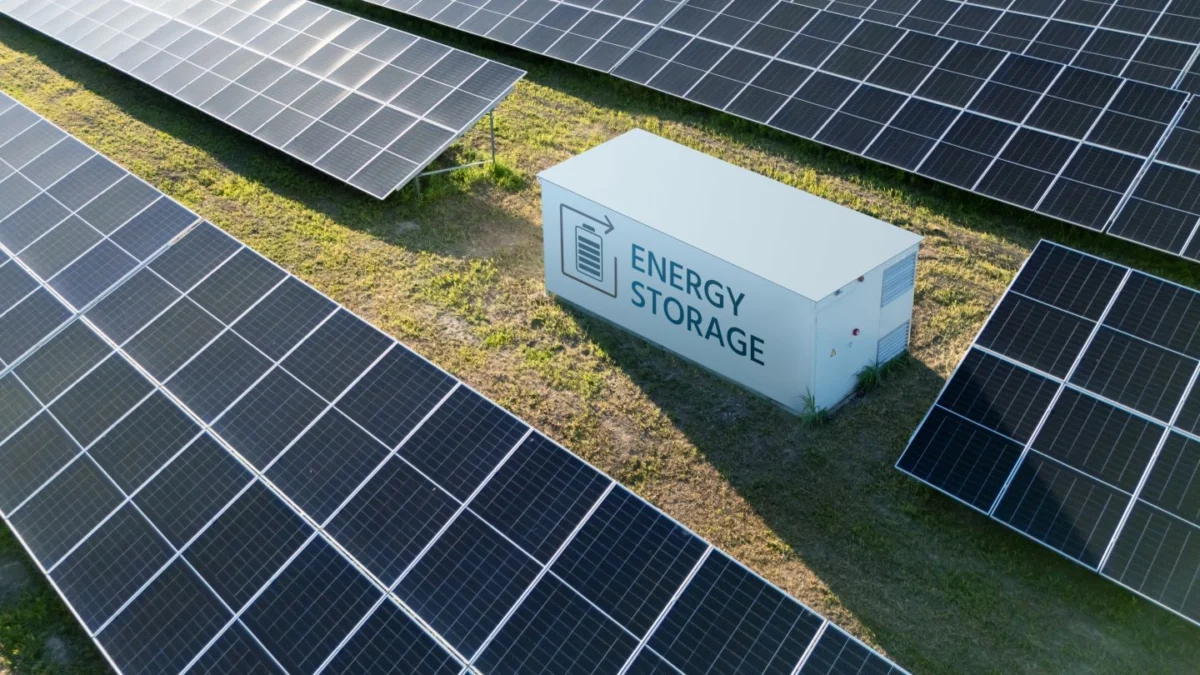
The 509MWp solar array will capture sunlight throughout the day, while the 1.4GWh battery storage system acts as a buffer. This configuration allows the plant to engage in "energy shifting"—storing excess power produced during peak sunlight hours and discharging it during the evening hours when grid demand is highest and solar production drops off. This creates a "firm" power product, which is significantly more valuable in wholesale electricity markets than simple, intermittent solar energy.
Grid Integration and Transmission
The inclusion of firm transmission rights into the CAISO market is a strategic masterstroke. By ensuring that the energy produced in Arizona can be reliably delivered to the California market, ContourGlobal has ensured that the project remains economically viable even during periods of local oversupply. This connectivity is essential for managing the project’s high-capacity factor and ensuring the 1TWh annual delivery mandate is met consistently.
Official Responses: Aligning Corporate Visions
The leadership at ContourGlobal views the partnership with Tesla as a validation of their business model. CEO Antonio Cammisecra emphasized the importance of the deal, noting that it represents the convergence of technical excellence and commercial strategy.
“After starting operations of our first renewable plant in the US in 2025, we are now moving ahead with the construction of our largest renewable project globally, located in one of the country’s most dynamic energy markets,” Cammisecra stated. He highlighted the significance of the collaboration, adding, “Securing our biggest PPA ever, and one of the largest of its kind in US renewable history, with an iconic customer like Tesla, a true symbol of the global energy transition, is a testament of our ability to deliver tailor-made solutions to our customer’s energy needs.”
For Tesla, this agreement is a continuation of its strategy to aggressively secure renewable energy supplies to power its manufacturing facilities and global operations. By moving beyond simple solar PPAs into integrated storage solutions, Tesla is signaling that it understands the future of the energy transition requires more than just generation; it requires the infrastructure to manage time-shifting and grid stability.
Broader Implications: A New Era for Corporate PPAs
The Tesla-ContourGlobal deal is emblematic of several broader trends currently reshaping the global energy sector:
1. The Shift to "Firm" Renewables
As the grid becomes more saturated with variable renewable energy, the market is shifting its preference toward "firmable" power. Hybrid plants that bundle solar with storage are becoming the gold standard for corporate off-takers who can no longer rely on intermittency.
2. The Expansion of Tesla’s Energy Footprint
This deal does not exist in a vacuum. Tesla is simultaneously moving forward with a PPA for the 140MWac Lumen Farm solar plant in Texas, with full operations expected by 2029. Furthermore, Tesla’s history with Zelestra—including a 57MWac project in Spain and recent, separate industry developments involving major tech firms like Meta—indicates that the largest players in the tech and automotive spaces are now the primary drivers of the renewable energy market.
3. Supply Chain Resilience
The fact that ContourGlobal initiated equipment sourcing in 2025 underscores the importance of supply chain management in the post-pandemic, high-demand era. For projects of this magnitude, the risk of delay is significant; by locking in components early, the companies have mitigated the risk of cost escalations that could otherwise derail a project of this size.
4. Economic Dynamics
The Sterling Project’s success highlights the economic viability of "tailor-made" energy solutions. By reshaping the design to meet Tesla’s specific load profiles, ContourGlobal has demonstrated that renewable energy developers must act as energy consultants rather than mere power producers. This level of customization allows both parties to hedge against price volatility in the open energy market.
Conclusion
The agreement between Tesla and ContourGlobal for the Sterling Project is more than a simple contract; it is a blueprint for the future of industrial decarbonization. By integrating massive battery storage with high-capacity solar generation, the project addresses the fundamental challenge of the energy transition: how to make renewable power as reliable and dispatchable as the fossil fuel-based energy it is intended to replace.
As we look toward 2028 and the full commissioning of the Sterling Project, the industry will be watching closely. If successful, this partnership could trigger a cascade of similar projects, forcing a shift in how utility-scale renewables are planned, financed, and executed. In the race to net-zero, the Sterling Project proves that when technology, scale, and strategic partnership align, the transition to a cleaner grid is not only possible—it is inevitable.