The Convergence of Tradition and Innovation
The historic city of Tokat, Turkey—a region defined by its profound archaeological significance, breathtaking topography, and a cultural tapestry woven over millennia—has been selected as the host for the 16th Ecotourism and Sustainable Tourism Conference (ESTC). Organized by The International Ecotourism Society (TIES), this landmark event is scheduled to take place from July 27th to July 31st, 2021.
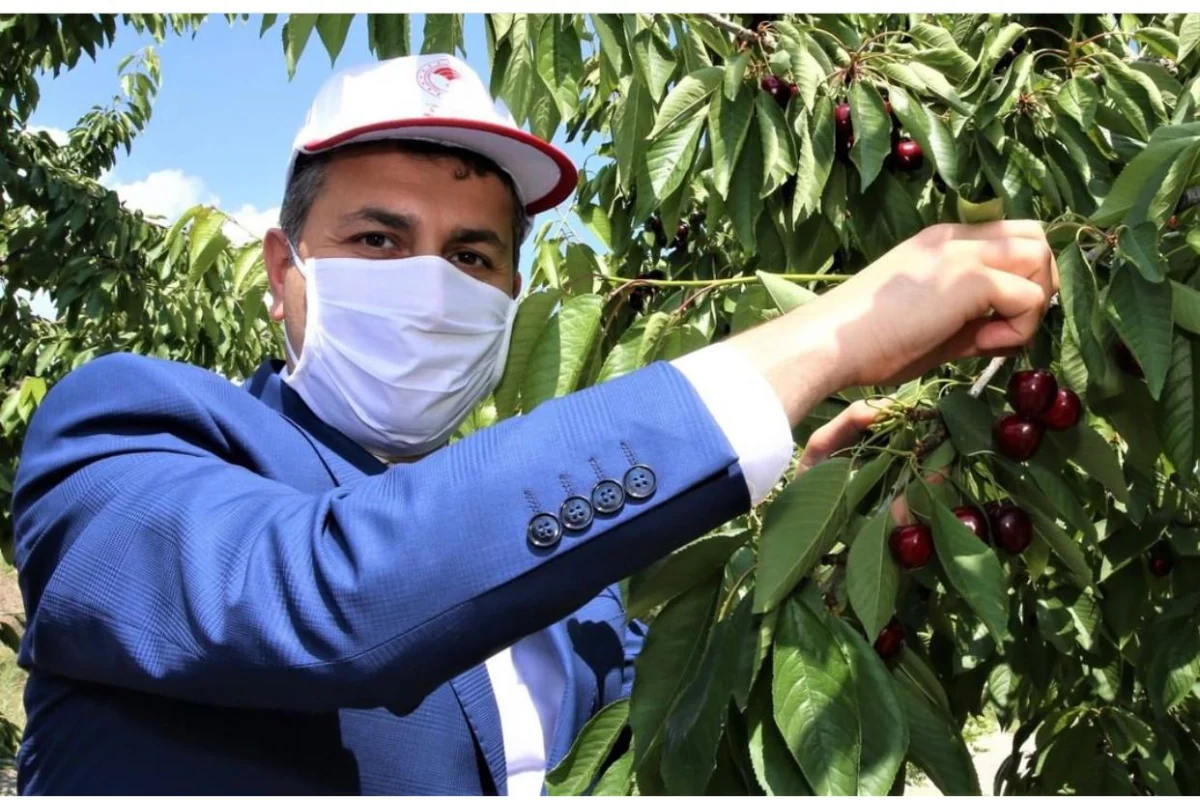
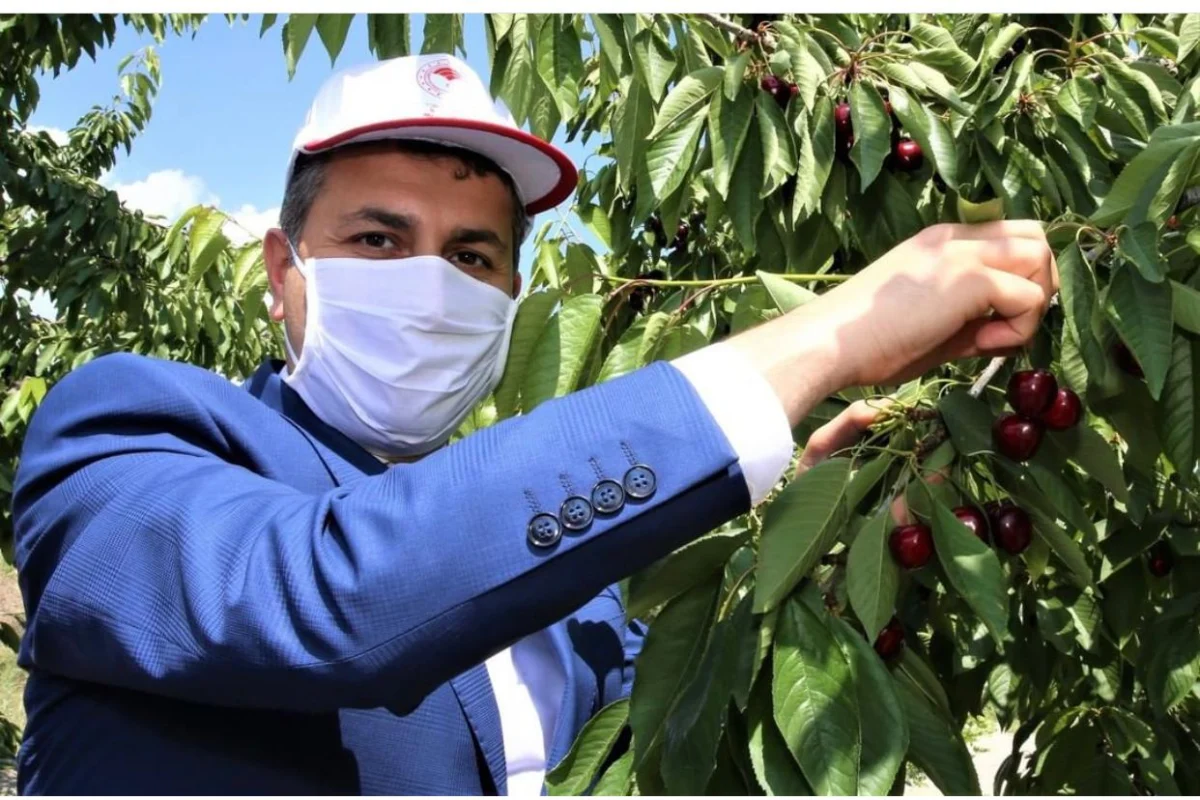
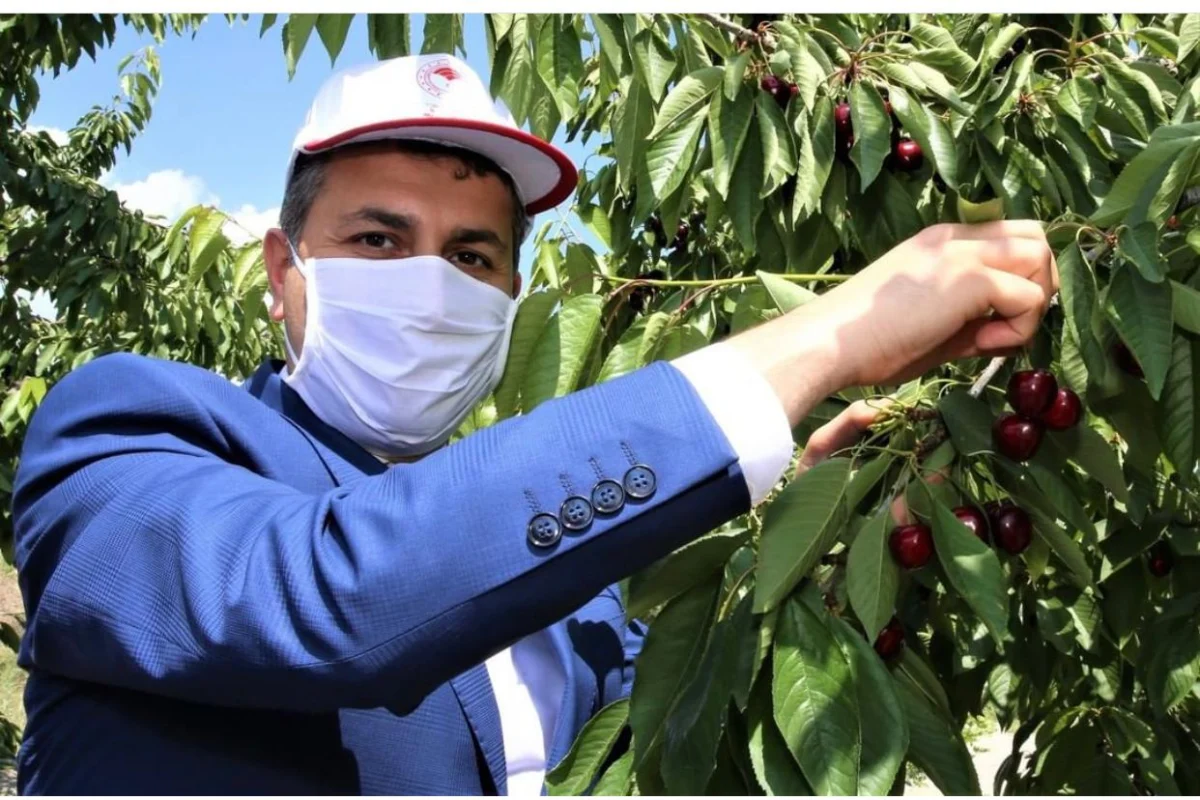
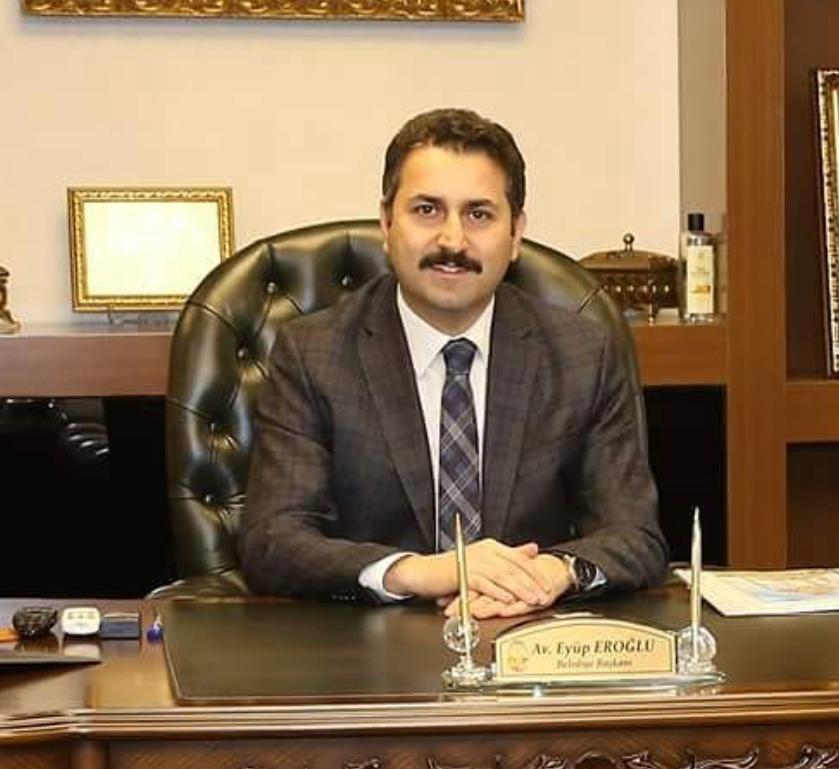
The selection of Tokat represents a strategic shift in the global tourism discourse, moving the focus toward destinations that balance ancient preservation with forward-thinking ecological stewardship. To shed light on the city’s readiness and its vision for the future, we sat down with Tokat’s Mayor, Attorney Eyüp Eroğlu. As one of Turkey’s most dynamic young leaders, Mayor Eroğlu has gained national recognition for his transformative policies, which emphasize sustainable development, infrastructure modernization, and the celebration of regional identity.
A Legacy of 1,500 Years: The Historical Foundation
Tokat is not merely a venue; it is a living classroom of human history. Established as a settlement as early as the 5th century, the city has served as a crossroads for no fewer than 14 distinct civilizations. This historical depth is etched into the very stones of the city, most notably in the iconic Tokat Castle, which has stood as a silent sentinel over the valley for centuries.
The city’s geography—a unique transitional zone between the lush, humid Black Sea region and the arid, continental climate of the Anatolian plateau—has allowed it to flourish as an agricultural powerhouse. This ecological diversity is the bedrock upon which Tokat’s sustainable tourism model is being built. By leveraging its natural assets, the local municipality is proving that a city can be deeply rooted in the past while remaining at the cutting edge of 21st-century environmental standards.
Chronology: A Path to Global Recognition
The journey to hosting the 16th ESTC was not an overnight development but the result of a long-term strategic plan spearheaded by the Tokat Municipality.
- Ancient Origins: Dating back to the 5th century, the region has long been a center for trade and culture due to its position on historic Silk Road routes.
- The Modern Transition: Over the last decade, Tokat began aggressively investing in the preservation of its historical sites, including the restoration of caravanserais and the revitalization of urban green spaces.
- Sustainable Infrastructure Development: Under Mayor Eroğlu’s administration, the city prioritized waste management, water conservation, and the promotion of organic, local agricultural practices.
- The Bid for ESTC: Recognizing its potential as a global model for ecotourism, the city submitted a bid to TIES, highlighting its success in balancing urban development with ecological preservation.
- The Announcement: In early 2021, TIES officially confirmed Tokat as the host city for the 16th conference, citing its commitment to community-led tourism and biodiversity.
The Pillars of Tokat’s Gastronomic and Ecological Wealth
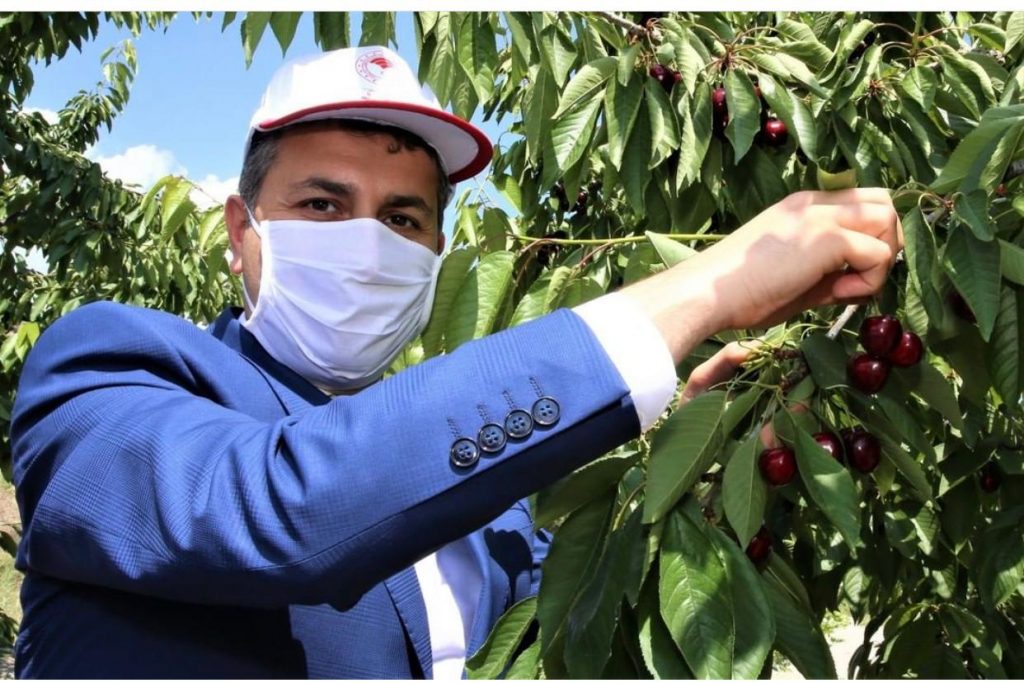
Tokat’s appeal to the modern traveler extends far beyond its architecture. The city’s biodiversity is legendary, boasting 82 thriving varieties of cereals, fruits, and vegetables. This agricultural abundance is not just a source of food security; it is the cornerstone of a sustainable "farm-to-table" tourism industry.
The Flavors of Anatolia
The local culinary tradition is a point of immense pride for the citizens of Tokat. The world-famous "Tokat Kebab"—a slow-cooked masterpiece of meat and seasonal vegetables prepared in a specialized clay oven—is a testament to the region’s commitment to quality. Beyond this, the city is a primary producer of high-quality grape leaves, molasses, walnuts, and fenugreek. By promoting these indigenous products, the municipality is encouraging tourists to support local farmers, thereby reducing the carbon footprint associated with imported goods and strengthening the local economy.
Official Perspectives: Mayor Eyüp Eroğlu on the Future of Tourism
During our conversation, Mayor Eroğlu articulated a clear vision for the city’s role on the world stage. "Along with Tokat’s friendly local people and their welcoming outlook," he stated, "the Tokat Municipality will make every effort to develop our city’s tourism to be represented in the international arena, and we will accomplish this in a sustainable way."
The Mayor’s philosophy is rooted in the idea that tourism should benefit the host as much as the visitor. He emphasized that the ESTC is not just an event, but a catalyst for long-term growth. "We hope to have the opportunity to show the world our cultural legacy and conference hospitality. We are sure that ecotourists and travelers will collect many unforgettable memories in Tokat, and witness our true Anatolian heritage."
Addressing Safety and Sustainability
In an era where the safety of travelers is paramount, the organizers and the municipality have left nothing to chance. Mayor Eroğlu expressed his full support for the strict health and safety protocols mandated for the conference. "I am impressed with the care TIES has taken to ensure the safety of ecotravelers and the community of Tokat," the Mayor remarked. By implementing these measures, the city is setting a benchmark for how international conferences can be held responsibly, even in a changing global climate.
Implications: Why Tokat Matters for the Future of Ecotourism
The 16th ESTC in Tokat is poised to have a lasting impact on how we perceive sustainable tourism. Several key implications arise from this event:
- Decentralizing Tourism: By highlighting Tokat, TIES is encouraging travelers to look beyond major metropolises and explore the hidden gems of the Anatolian heartland, which helps mitigate the negative impacts of "over-tourism" in traditional hubs.
- Community Empowerment: The Mayor’s focus on the local population ensures that the benefits of tourism—financial, social, and cultural—remain within the community. This is the definition of sustainable tourism: empowering the host while educating the guest.
- Preservation as a Competitive Advantage: The event will showcase how historic preservation and environmental conservation are not mutually exclusive. The success of Tokat serves as a model for other emerging destinations that wish to protect their heritage while modernizing their economy.
- Cultural Exchange: At its core, the conference is an invitation to engage with the Anatolian way of life. By fostering these connections, the ESTC acts as a bridge, reducing cross-cultural misunderstandings and promoting global peace through travel.
A Call to Action for Global Delegates
As the July 27th start date approaches, the anticipation within the city is palpable. The Municipality of Tokat, alongside The International Ecotourism Society, is ready to welcome delegates from across the globe.
For the modern traveler, the eco-conscious professional, and the history enthusiast, this conference represents a unique opportunity to witness the synthesis of ancient history and the future of sustainability. TIES invites all interested delegates to finalize their registration and prepare for an immersive experience in one of Turkey’s most significant cultural centers.
Tokat is prepared to demonstrate that it is not merely a destination of the past, but a pioneer of the future. The city invites you to walk its historic streets, taste its unparalleled harvests, and participate in a dialogue that will define the next generation of global travel.
Interested delegates are encouraged to register for the 16th ESTC here.