Not every first-aid kit needs to be a heavy, expedition-ready trauma pack designed for weeks in the remote wilderness. In fact, for the vast majority of weekend warriors, suburban hikers, and road-trippers, the weight and complexity of professional-grade medical gear are both unnecessary and cumbersome. What most of us actually require is an organized, affordable, and accessible solution to toss into a daypack, a glove box, or a family gear bin.
Enter the HART Outdoor Weekend First-Aid Kit ($30). Over the course of several months, I put this compact medical solution through a series of real-world stress tests—ranging from casual weekend hikes and car camping excursions to routine road trips—to determine if this budget-friendly contender can stand up to the rigors of outdoor life and whether it deserves a permanent spot in your adventure kit.
Main Facts: The "Weekend" Philosophy
The central premise of the HART Outdoor Weekend First-Aid Kit is simplicity. Many entry-level kits fall into one of two traps: they are either overpriced and over-engineered, or they are disorganized "junk drawer" bags filled with cheap, ineffective supplies. HART has opted for a middle path, prioritizing a clean internal layout and a curated selection of essential items.

Designed specifically to support up to three people for a two-day excursion, the kit is intentionally stripped of complex trauma gear or bulky splinting materials. Instead, it focuses on the most common ailments: lacerations, abrasions, blister development, and minor physical discomforts like headaches or inflammation.
Key Specifications:
- Dimensions: 6.5 x 5.5 x 2 inches
- Weight: 9.5 ounces
- Target Audience: Day hikers, frontcountry campers, cyclists, and vehicle owners.
- Price Point: $30.00
Chronology of Testing: From Trail to Trunk
My evaluation of the kit was divided into three distinct phases to gauge its performance in different environments.
Phase 1: The Day Hike (The "Lightweight" Test)
During a series of 5-to-10-mile day hikes, the kit’s 9.5-ounce footprint proved to be a non-factor. Unlike larger, rigid kits that demand a specific pocket or external lash point, the HART kit easily slid into the "brain" or the internal hydration sleeve of my daypack. The lightweight nature of the bag meant I never felt the urge to leave it behind—a critical factor in emergency preparedness. If a kit is too heavy or bulky, it stays at home; the HART kit passes the "will I actually carry this?" test with flying colors.

Phase 2: Car Camping & Road Trips (The "Accessibility" Test)
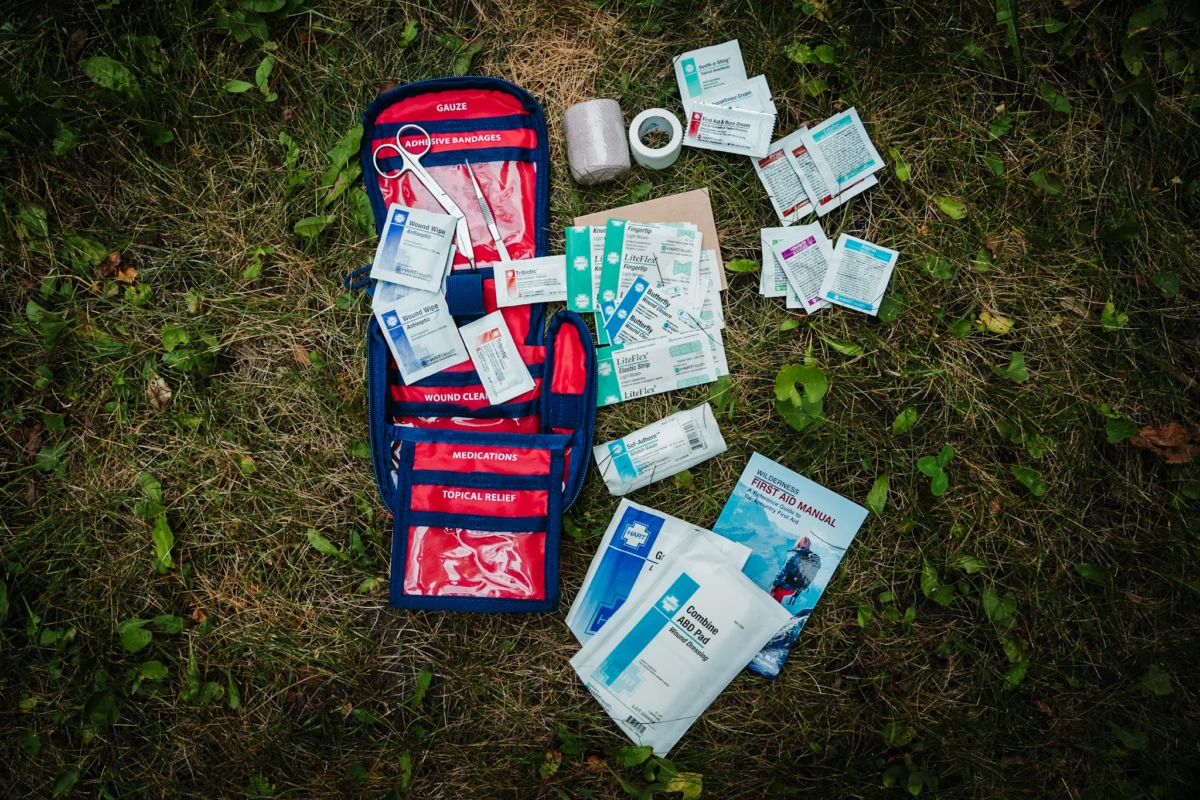
In a camping or road-trip setting, the primary challenge is organization. When a minor injury occurs—perhaps a slip near a campfire or a kitchen cut during meal prep—you need to access supplies instantly. The HART kit’s transparent internal pockets were a standout feature here. Because the contents are visible and logically categorized, there is no frantic rummaging. You can identify the correct size of bandage or the necessary antiseptic wipe at a glance.
Phase 3: Home & Vehicle Prep (The "Durability" Test)
Finally, I subjected the kit to the "trunk test," leaving it in the back of my vehicle through temperature fluctuations and general jostling. While the outer material proved resilient to abrasion, the zipper remained the primary focus of my concern. While it held up without failure during the testing period, it lacks the heavy-duty, weather-sealed characteristics of top-tier, $100+ medical systems.
Supporting Data: Examining the Contents
The value of a first-aid kit is ultimately defined by its inventory. HART has made smart choices here, opting for quality over quantity in terms of variety, though they do sacrifice raw volume.

The Inventory Breakdown
The kit includes a balanced assortment of:
- Wound Care: Adhesive bandages (various sizes), sterile gauze pads, and medical tape.
- Antiseptics: Alcohol wipes and topical ointments.
- Medications: Over-the-counter pain relievers and anti-inflammatories.
- Tools: Basic utility items, though the kit notably lacks advanced diagnostic or trauma-specific tools.
The organization is the kit’s greatest asset. By utilizing clear, labeled sleeves, the manufacturer ensures that the user is not digging through a jumbled pile of loose items. In a stressful situation—such as tending to a child’s scraped knee or a friend’s cut finger—this level of order significantly reduces the "panic factor."
However, the data shows that this kit is a "starting point." For those who are accident-prone or heading out with a group of three for the full 48-hour duration, the supply counts for items like ibuprofen or adhesive strips will deplete rapidly. It is not designed for multiple, recurring injuries.

Official Manufacturer Perspective & Market Positioning
HART positions this kit as a "no-frills" option. By cutting corners on non-essential, high-cost items like specialized shears, CPR masks, or irrigation syringes, they have successfully kept the price at an accessible $30.
In the current outdoor market, this is a strategic move. Many consumers are overwhelmed by the high costs of "professional" medical kits that include items they are not trained to use. HART acknowledges that for the casual user, having a basic, well-organized kit is infinitely better than having no kit at all. The manufacturer clearly intends this to be a "Tier 1" kit—a foundational piece of gear that can be supplemented with personal medications or specific items based on the individual’s needs.
Implications for the User
What does this mean for your gear closet?

The Pros
- Efficiency: The internal layout is superior to many kits double its price.
- Portability: At 9.5 ounces, it is unobtrusive.
- Value: It provides high-utility, essential medical supplies without charging a premium for "tactical" marketing.
The Cons
- Weather Vulnerability: The lack of waterproof sealing is the most significant oversight. If you are a kayaker, a rainy-day hiker, or someone traveling in snowy conditions, you must add a dry-bag layer, as the kit’s exterior will soak through in heavy precipitation.
- Limited Capacity: The physical dimensions are so tight that there is very little room to "grow" the kit. If you want to add your own prescription medications, extra moleskin, or a backup lighter, you will struggle to close the zipper.
- Trauma Limitations: It is not for the backcountry. It lacks the supplies for immobilization or significant hemorrhage control.
Conclusion: Who is this for?
The HART Outdoor Weekend First-Aid Kit is an excellent, purpose-built tool for a specific demographic. It is the perfect choice for the casual outdoor enthusiast, the weekend hiker, and the family that values preparedness in their vehicle or at the campsite. It hits the "sweet spot" for 90% of minor medical issues encountered on low-risk outings.
However, it is not a "do-it-all" medical station. If your adventures take you into remote, multiday backcountry terrain, or if you are leading large groups, you should view this kit as a starting point—or better yet, a secondary kit to accompany a more robust, weather-resistant, and trauma-capable system.
For everyone else, the HART Outdoor Weekend First-Aid Kit is a well-designed, budget-conscious, and highly functional piece of gear that ensures you’re prepared for the small bumps in the road (and the trail) without breaking the bank or weighing down your pack. When considering the trade-off between price and utility, it is hard to find a better-organized option on the market today.