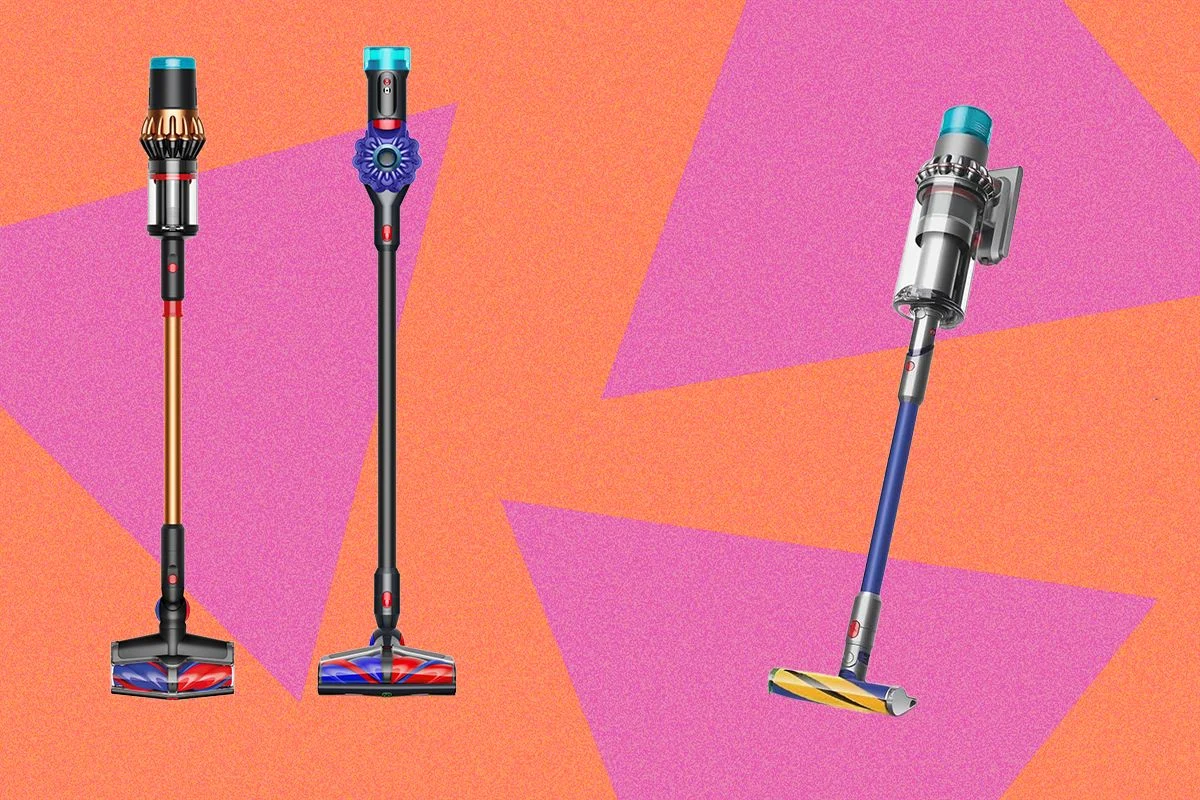
For decades, Dyson has occupied a unique position in the household appliance market. Positioned as the "Apple of vacuums," the company has built a reputation on high-end engineering, sleek aesthetics, and a naming convention that borders on the cryptic. However, for the average consumer, the sheer breadth of the Dyson catalog—ranging from specialized uprights to ultra-slim cordless sticks—can be paralyzing. Whether you are battling pet hair, maintaining hardwood floors, or living in a space-constrained apartment, choosing the right Dyson requires more than just picking the most expensive box on the shelf.
Understanding the Dyson Hierarchy: Main Facts
Dyson’s product lineup is not a simple linear progression. Unlike automotive manufacturers who release a "2024 model" to replace the "2023 model," Dyson often keeps older, highly capable machines in production alongside its latest innovations.
The core of the Dyson experience remains its cyclone technology. While every Dyson promises high-performance suction, the "tier" of the vacuum—indicated by the V-series number—generally correlates to motor power, battery longevity, and sensor sophistication. Modern units, such as the V12 and V15 series, utilize onboard LCD screens and laser-guided dust detection systems, moving the act of vacuuming from a chore to a data-driven maintenance task.
However, the "best" Dyson is highly subjective. For those with multi-story homes and a disdain for charging cables, the robust, corded Ball Animal 3 remains a gold standard. Conversely, those in studio apartments may find the V12 Detect Slim or the newer PencilVac to be far more practical, prioritizing weight and maneuverability over raw, heavy-duty power.
A Chronological Perspective on Dyson Evolution
Tracing the history of Dyson vacuums reveals a company constantly experimenting with form factor.
- The Upright Era: Historically, Dyson made its name with the Ball series. These machines are engineered for heavy-duty work. The Ball Animal 3 is the latest evolution, optimized for high-traffic homes with significant pet shedding. It is loud, heavy, and undeniably powerful.
- The Cordless Transition: The V-series (V8, V11, V12, V15) represents the shift toward lithium-ion convenience. The V11, once hailed as a "dream vac," set the benchmark for years. While it lacks the advanced "Dynamic Load Sensor" technology found in newer models, its raw power (185 air watts) remains competitive even by today’s standards.
- The Niche Innovators: Recent years have seen Dyson diversify into wet-floor cleaning. The Clean+Wash Hygiene and the WashG1 represent a departure from dry-suction-only machines. These devices focus on rollers and water distribution, aiming to replace the traditional mop and bucket.
It is critical to note that Dyson’s naming system is intentionally non-sequential. A higher number does not always mean "better"; it often means "different." For example, the V12 Detect Slim is a specialized tool for tight spaces, while the Gen5Detect (not fully detailed here but a common point of comparison) represents the absolute pinnacle of their current cordless suction power.
Supporting Data: Performance and Trade-offs
When evaluating these machines, WIRED’s testing protocols prioritize real-world usability over spec-sheet marketing.
The Upright Workhorse
The Dyson Ball Animal 3 ($420) remains the superior choice for users who refuse to compromise on power. While it lacks the "fun factor" of a cordless stick, its ability to handle deep-pile carpets and dense pet hair is unmatched. Its primary drawback—weight—is a structural necessity for its powerful motor and large debris canister.
The Floor-Specific Specialists
The PencilVac Fluffycones ($600) is a fascinating study in design. By housing the motor and dustbin within the handle, Dyson has created a vacuum that handles more like a broom than a heavy appliance. It is exceptional for hard floors but lacks the versatility for heavy carpets. At its current discounted price point (often under $500), it becomes a compelling purchase for those in modern homes with zero carpeting.
The Wet-Dry Hybrid
The Clean+Wash Hygiene ($500) occupies a unique space. Unlike traditional vacuums, it relies on microfiber rollers to scrub floors. Our testing indicates that it is best used as a spot-cleaner for spills and stains. It is not, however, a replacement for a standard vacuum; it lacks the suction power to handle debris like fallen leaves or heavy pet fur.
Official Responses and Maintenance Philosophy
Dyson maintains a strict stance on the "legitimacy" of its ecosystem. The company strongly discourages the use of third-party replacement parts, citing potential damage to the machine’s complex internal airflow systems.
According to Dyson support documentation, users should register their devices via the MyDyson app. This is not merely for marketing; it activates a two-year warranty for cordless models and five years for corded units. Dyson’s official service centers are the only recommended route for repairs, though they do provide an extensive portal for purchasing genuine spare filters and batteries.
Maintenance is the key to avoiding the "Dyson decline." The company advises that filters be cleaned monthly. This is not optional: a clogged filter restricts airflow, which puts undue stress on the motor and leads to a noticeable drop in suction. Rinsing the filter with cold water and allowing it to air-dry for at least 24 hours is the single most important step a user can take to ensure their investment lasts a decade rather than a few years.
Implications for the Consumer
The market for premium vacuums has become increasingly saturated, yet Dyson remains the primary innovator. However, the implication for the modern consumer is clear: do not buy at MSRP.
Because Dyson frequently refreshes its line with new sub-models—and because the performance gap between a V11 and a V15 is often less significant than the marketing would suggest—there is immense value in the secondary or "previous-gen" market. When you see an older model like the V11 listed for under $350, it is often a "best buy" scenario that offers 90% of the performance of a new machine at 50% of the price.
Furthermore, consumers must weigh the "convenience tax." The newest, most feature-rich models (like the 360 Vis Nav robot vacuum) often come with a $1,000 price tag and require significant software maturity. As seen in recent reviews, these robot units still struggle with complex navigation around chair legs. Sometimes, the most "advanced" solution is still an operator with a stick vacuum and a bit of floor space.
Final Verdict: How to Choose
- If you have heavy carpets and pets: Stick to the Ball Animal 3. The corded power is still the king of deep cleaning.
- If you live in a small apartment: The V12 Detect Slim or PencilVac offers the best balance of footprint and utility.
- If you are budget-conscious: Look for older V-series models (V10 or V11) at authorized retailers during holiday sales. They remain workhorses that provide excellent suction power without the premium cost of "laser-detecting" technology.
Ultimately, the Dyson ecosystem rewards the informed buyer. By understanding the difference between "legacy" models and "cutting-edge" releases, you can bypass the marketing hype and secure a machine that will reliably clean your home for years to come. Regardless of the model chosen, the secret to a long-lasting Dyson is simple: wash your filters, clear your brush bars, and never pay full price if you can help it.