By Ben Emanuel | July 31, 2026
While the record-breaking heat waves of summer 2026 have dominated headlines, a far more insidious and long-term threat is quietly reshaping the American Southeast: a persistent, severe drought. Across the region, rivers that serve as the lifeblood of both human communities and ecological systems are trending toward record-low flows, exposing the fragility of our water infrastructure in a changing climate.
As of late July, the U.S. Drought Monitor indicates that large swaths of North Carolina and surrounding states have been trapped in severe to extreme drought conditions for months. This is not merely a seasonal dry spell; it is a systemic crisis that challenges how we manage, consume, and protect our most precious natural resource.
The Anatomy of a Drought: How We Got Here
To understand the current crisis, one must look beyond the sweltering heat of the summer months. Drought is rarely a sudden event; it is a cumulative process.
A Winter Deficit
The foundation of the 2026 drought was laid during the winter months. In the Southeast, the "recharge season"—the period during late autumn and winter when rainfall typically saturates the soil and replenishes groundwater—was remarkably dry. Because the region entered the spring with depleted aquifers and low baseflow in its rivers, there was no "buffer" to protect against the subsequent heat.
The Springtime Acceleration
Typically, the Southeast expects significant rainfall in the spring. However, this year, that trend failed to materialize. Instead of a replenishing wet season, the region saw an intensification of dry conditions. By the time temperatures began their climb into the high 90s and triple digits, the landscape was already parched. When soil moisture is low, land cannot cool itself through evaporation, which in turn fuels higher ambient temperatures—a feedback loop that exacerbates both the heat and the water scarcity.
Chronology of a Parched Landscape
- Winter 2025–2026: A lack of consistent, soaking rainfall leads to an early deficit in groundwater recharge.
- March–April 2026: The expected spring rains fail to arrive, causing the U.S. Drought Monitor to categorize increasing areas of North Carolina under "Severe" and "Extreme" drought labels.
- May 2026: River flows across the Piedmont region drop to near-record lows.
- June 2026: The heat index consistently breaks records. Water utilities begin to issue voluntary conservation notices as stream levels plummet.
- July 2026: The cumulative stress on river ecosystems reaches a breaking point, exemplified by major fish die-offs in urban rivers like the Chattahoochee, worsened by the "weather whiplash" of occasional flash floods hitting baked, non-absorbent soil.
Supporting Data: The Cost of Urbanization and Climate Shift
The impact of drought is not solely a product of nature. It is heavily influenced by human development patterns. When we pave over the landscape—replacing forests and wetlands with concrete and asphalt—we destroy the "sponges" that naturally filter and store water.
The "Pavement Effect"
In a natural watershed, rainfall infiltrates the ground, slowly feeding streams over time. In highly urbanized areas, that same rain hits pavement, runs off into storm drains, and rushes into rivers in a flash, causing erosion and flooding. This prevents the replenishment of the very aquifers that should be keeping our rivers flowing during dry summers.
Growing Demands
The stress on our freshwater systems is further compounded by a perfect storm of modern demands. Population growth in the Southeast continues to surge, increasing residential water needs. Simultaneously, energy generation—which requires massive amounts of water for cooling—and the rapid expansion of water-intensive data centers have placed unprecedented pressure on river basins.
Official Responses and Ecological Implications
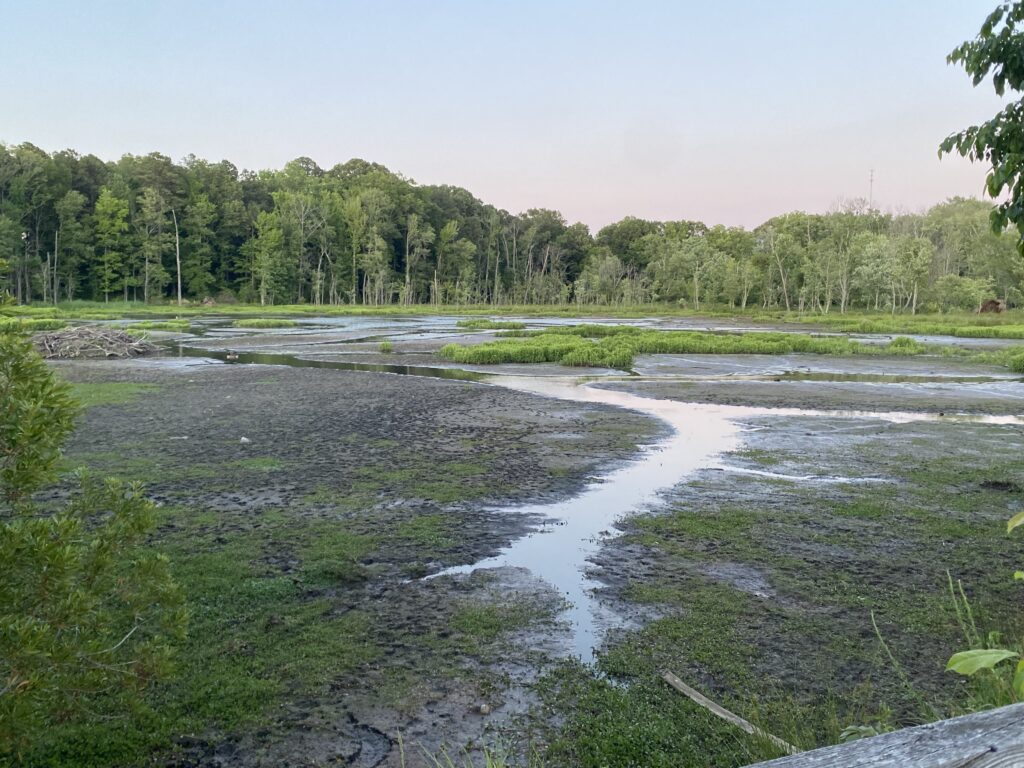
The ecological toll of this drought is severe. When river flows drop early in the season and remain low, aquatic ecosystems are pushed beyond their survival thresholds. Fish and other wildlife suffer from decreased oxygen levels and higher water temperatures, while the loss of connectivity in river systems prevents the migration and breeding cycles essential for biodiversity.
The Chattahoochee Warning
The recent massive fish kill on the Chattahoochee River serves as a grim case study. Scientists suggest that the combination of stagnant, low-flow water and sudden, polluted runoff from flash storms creates toxic environments for aquatic life. It is a sign that our river systems are no longer "resilient" enough to withstand the volatile weather patterns becoming standard in the mid-2020s.
Utility Management
Water utilities are currently in a reactive mode, balancing the need to provide clean drinking water to millions with the mandate to keep enough water in the rivers to prevent ecological collapse. In Georgia, early summer rains provided a temporary reprieve, but water managers warn that "getting out of a drought takes as long as getting into one." Rainfall in the coming months will be critical to preventing a multi-year crisis.
A Path Forward: "Efficiency First"
American Rivers and other environmental organizations have long advocated for a paradigm shift in water management. The strategy moving forward must rely on three core pillars:
1. The "Efficiency First" Approach
We must prioritize water efficiency as our primary "new source" of water. By incentivizing the repair of leaky municipal infrastructure, mandating water-efficient appliances in new construction, and reducing outdoor irrigation, we can significantly lower the daily demand on our rivers.
2. Smart Water Infrastructure
Traditional "gray" infrastructure—dams and reservoirs—is no longer sufficient to handle the variability of the current climate. We need "smart" infrastructure that prioritizes natural flows. This includes protecting riparian buffers, restoring floodplains, and implementing low-impact development that mimics natural water infiltration.
3. Proactive Drought Planning
The time to plan for a drought is when it is raining. Policies must be established during wet years that allow for the "banking" of water in aquifers and the strict regulation of excessive water withdrawals during peak heat.
Conclusion: The Responsibility of the Individual
While structural and policy changes are essential, the individual has a role to play. Conserving water during a drought is not just a civic duty; it is an ecological necessity. By reducing water waste at home—fixing leaks, choosing drought-resistant landscaping, and being mindful of usage—citizens can alleviate the pressure on local water utilities and, by extension, the rivers that sustain us all.
The 2026 drought is a wake-up call. It reminds us that our freshwater resources are not infinite. As the climate continues to change, the health of our rivers will become the ultimate metric of our success as a society. Whether we choose to adapt through innovation and conservation, or continue to exhaust our natural systems, will determine the future of the Southeast for generations to come.
How You Can Help:
- Audit your home: Check for leaks in toilets and faucets; a slow drip can waste hundreds of gallons a month.
- Landscape wisely: Replace water-hungry lawns with native, drought-tolerant plants.
- Stay informed: Sign up for updates from your local water utility and regional environmental advocacy groups to understand the specific needs of your watershed.
- Advocate: Support policies that protect river flows and promote smart, sustainable urban planning.