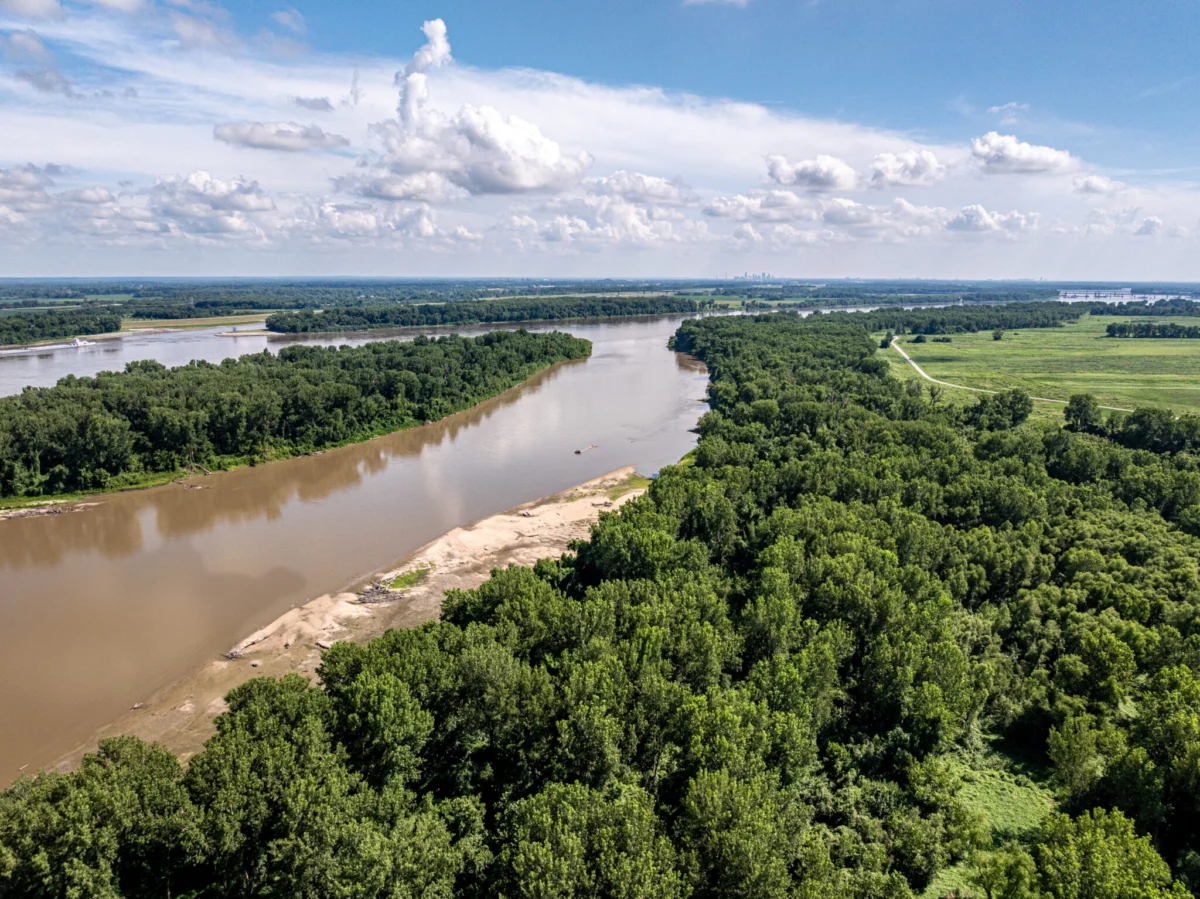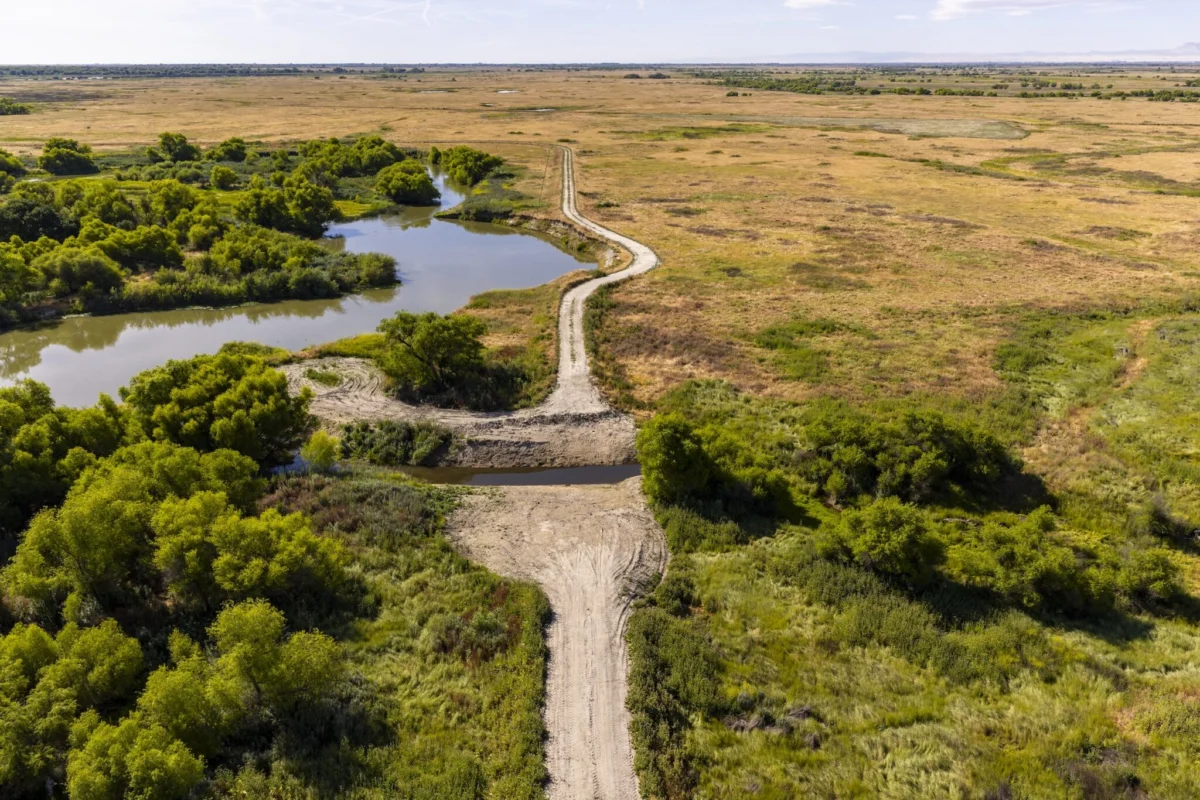
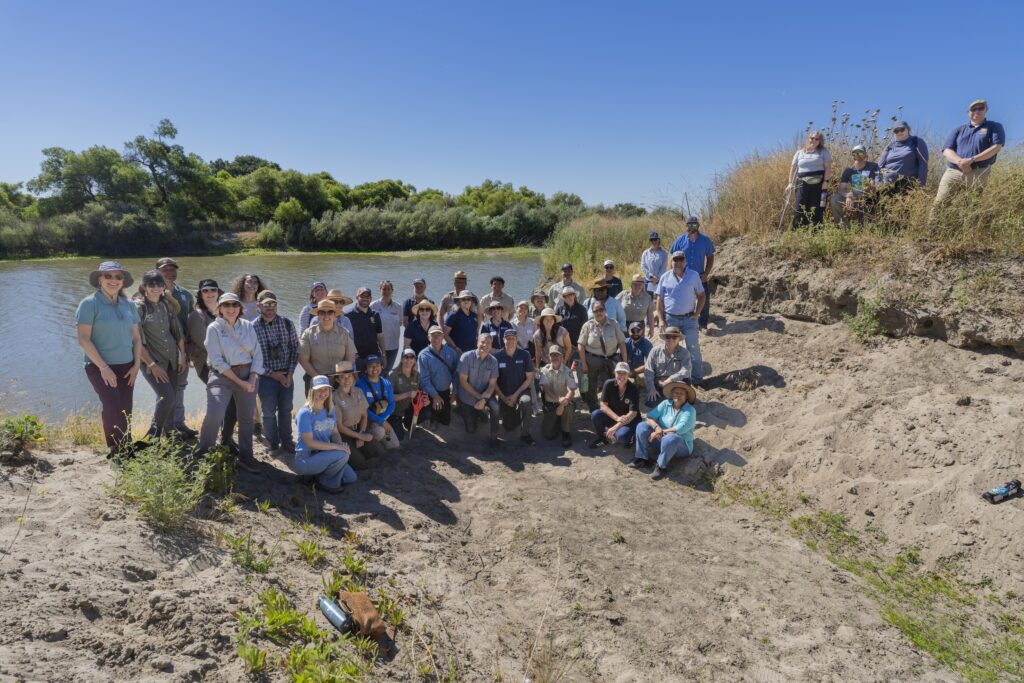
On the morning of June 11, under the soft, golden light of the California sun, a diverse assembly of scientists, Tribal leaders, state officials, and community advocates gathered at the Great Valley Grasslands State Park near Merced. They were there to witness a moment that had been over a decade and a half in the making: the official reconnection of the San Joaquin River with more than 220 acres of its historic floodplain.
The atmosphere was electric, charged with the realization that the landscape, dormant and disconnected for 75 years, was finally being returned to its natural state. The Grasslands Floodplain Restoration Project, which reached its physical completion in February 2026, stands as a monumental achievement in ecological engineering. It represents not just a victory for environmental conservation, but a template for how California can manage its water, restore its biodiversity, and rectify the landscape fragmentation that has plagued the San Joaquin Valley for generations.
The Mechanics of Restoration: Breaking the Levees
To understand the significance of this project, one must look at the scars left on the land. In the 1950s, the landscape was carved up by a network of levees. While many associate levees with flood protection, these specific structures were originally built for cattle containment during the tenure of dairy magnate Joseph Gallo.
Gallo, a visionary who donated nearly 3,000 acres of these grasslands to the state in 1982, left behind a legacy that was, until recently, hampered by these obsolete physical barriers. These levees did more than just mark boundaries; they fundamentally altered the hydrology of the San Joaquin River, cutting off the river from its natural floodplains. This isolation triggered a decline in native biodiversity, as invasive plant species—thriving in the now-drier, stagnant conditions—crowded out the native grasses and wetlands that had evolved over millennia to withstand seasonal flooding.
The restoration project involved a surgical intervention: breaching and removing segments of these decommissioned levees. By doing so, project leaders have allowed the San Joaquin River to reclaim its historical footprint, facilitating seasonal flooding that suppresses invasive vegetation and revitalizes the native grasslands.
A Chronology of Persistence
The journey to this moment was defined by what American Rivers California Regional Director Dr. Ann Willis aptly described as a "relay race."
- 1982: Joseph Gallo donates the expansive 2,826-acre property to the U.S. Fish and Wildlife Service and the State of California, stipulating its use for wildlife refuge and public parkland.
- Early 2010s: American Rivers, in collaboration with the California Department of Parks and Recreation and River Partners, begins the arduous process of conceptualizing a restoration strategy.
- Mid-2010s: The project faces significant bureaucratic hurdles, including complex permitting processes and the inherent challenges of working in a volatile flood-prone environment.
- 2020-2025: Construction efforts are repeatedly delayed by extreme weather events, forcing crews to pause operations for months at a time. Through it all, the project remains a priority, fueled by funding from the California Department of Fish and Wildlife (Propositions 1 and 68) and the State Parks’ Cannabis Watershed Protection Program.
- February 2026: Construction is finalized.
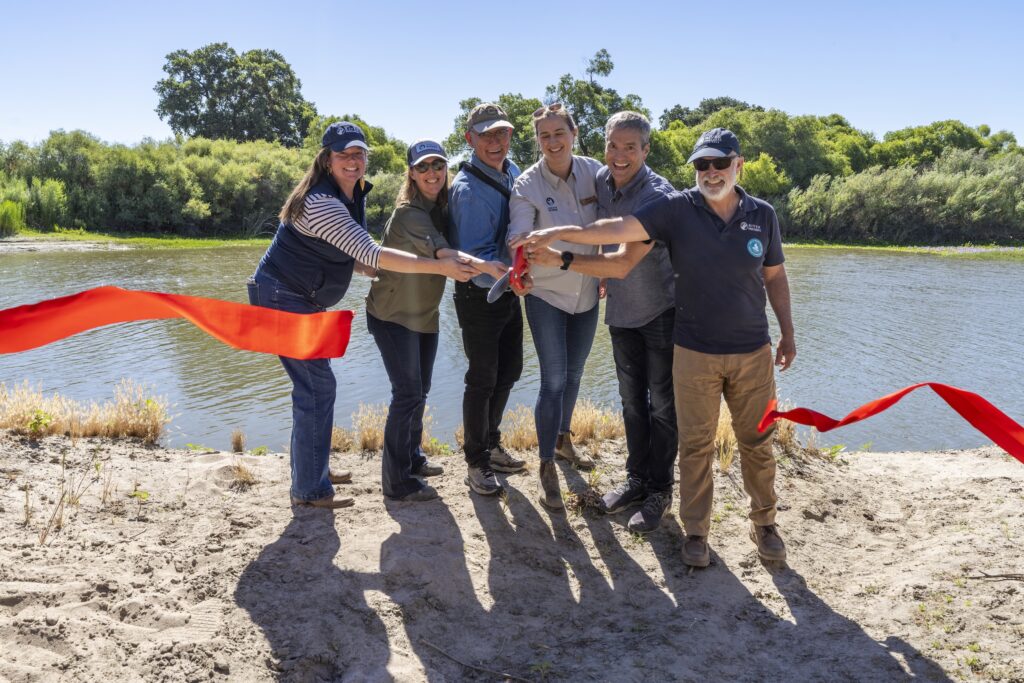
- June 11, 2026: The official ribbon-cutting ceremony marks the reopening of the connection.
This 15-year timeline is a testament to the "patience and persistence" required for large-scale ecological work. Many engineers and park staff dedicated the better part of their careers to seeing this specific vision to fruition, navigating the transition from a forgotten cattle-land to a flourishing sanctuary.
Supporting Data: Why Floodplains Matter
The ecological necessity of this project cannot be overstated. Floodplains are frequently referred to as the "kidneys" of an ecosystem. By allowing the San Joaquin River to spill over into the 220-acre floodplain, the project provides a critical filter for water, a buffer against catastrophic flood damage, and a vital recharge zone for depleted groundwater aquifers.
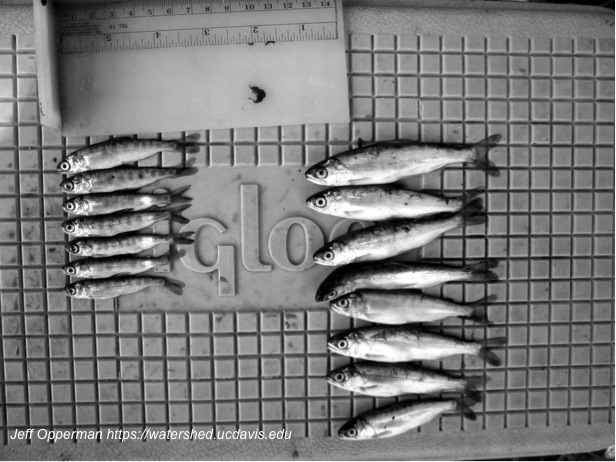
For the endangered Chinook salmon, the benefits are life-altering. Juvenile salmon require shelter and high-protein food sources to survive the perilous migration to the ocean. The reconnected floodplain creates an environment rich in zooplankton—microscopic, nutrient-dense organisms that act as a primary food source for growing salmonids.
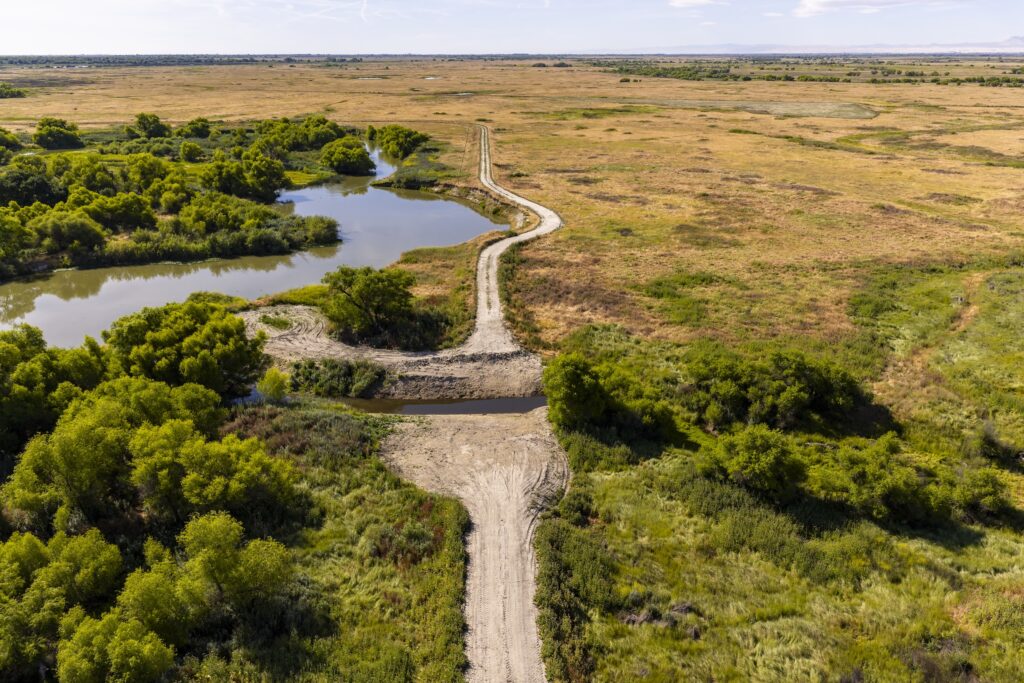
Furthermore, the project creates vernal pools—temporary, shallow wetlands that host rare amphibians, reptiles, and invertebrates. These habitats, which were once abundant in the Central Valley, have been largely eradicated by agricultural and urban development. By restoring these pools, the project team is effectively bringing back a piece of California’s lost biological heritage.
Official Responses and Strategic Partnerships
The ribbon-cutting ceremony featured a high-profile lineup of speakers who underscored the importance of the project to the state’s broader environmental agenda. California Natural Resources Secretary Wade Crowfoot and State Parks Director Armando Quintero both emphasized the necessity of inter-agency cooperation.
"Restoration is neither a sprint nor a marathon," Dr. Ann Willis remarked, "it is a relay." Her sentiment highlighted the collaborative effort between American Rivers, River Partners, Flow West, and the various state agencies involved.
A unique facet of this project was the involvement of the private sector, specifically Cox Enterprises. Their commitment to replenishing groundwater and restoring habitat provided the necessary capital and technical impetus to push the project through its final phases. Representatives from the company traveled from Atlanta to attend the ceremony, signaling a growing trend where corporate entities are increasingly integrating large-scale ecological restoration into their sustainability portfolios.
The Northern Valley Yokut Ohlone Tribe, represented by Chairperson Kathy Perez, provided a poignant reminder of the human history of the land. For the Tribe, the river is not just a resource; it is a vital, living entity that has sustained their culture for generations, making the restoration of its natural flow a matter of deep cultural significance.
Implications for the Future: A "Park-Poor" Region Transformed
The Great Valley Grasslands project is the first domino in a larger shift for the Central Valley. Historically, California’s state park system has been heavily biased toward the coast and the mountain ranges, leaving the Central Valley—a region home to millions—severely underserved in terms of public recreational space.
The state is now actively moving to rectify this. Governor Gavin Newsom’s State Parks Forward initiative, announced in April 2026, aims to establish three new state parks in the Central Valley, including the ambitious 874-acre San Joaquin River Parkway in Fresno.
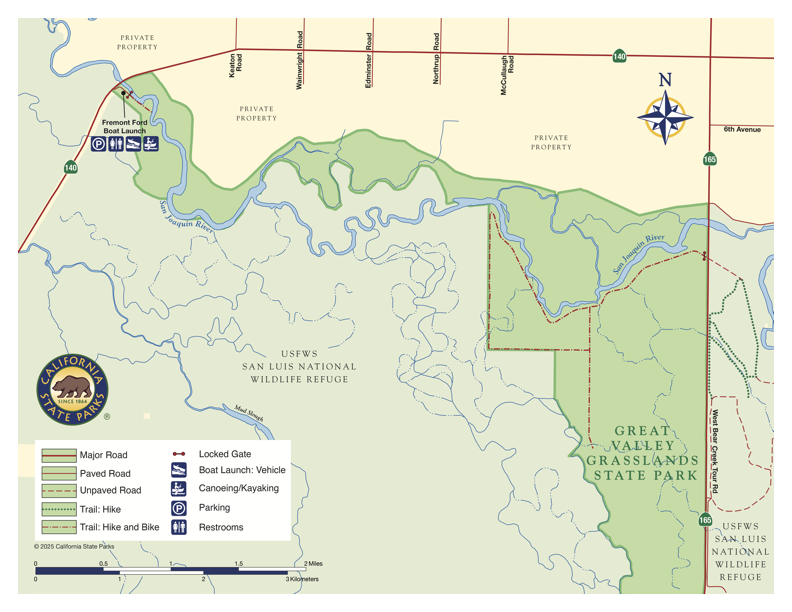
At the Great Valley Grasslands site itself, the work is far from over. The California Department of Parks and Recreation is currently gathering public input to develop a formal General Plan. The goal is to evolve the park from a "hidden" space into a destination where the public can engage with the river, learn about indigenous stewardship, and witness the ongoing recovery of the ecosystem.
Monitoring the Success
The project’s completion is not the end of the work, but rather the beginning of an intensive monitoring phase. Scientists will now utilize the site as a living laboratory. They will track:
- Hydrological Data: Monitoring groundwater recharge rates and the velocity of water flow during seasonal inundations.
- Biological Indicators: Measuring zooplankton density to quantify the food supply for juvenile salmon.
- Botanical Recovery: Documenting the return of native grasses and the retreat of invasive species.
This data will serve as a foundational dataset for future restoration efforts. As climate change continues to alter water availability in California, the ability to manage floodplains effectively will become a cornerstone of the state’s climate adaptation strategy.
Conclusion: A Landscape Renewed
The sound of the river flowing into the floodplain is, for many, the sound of progress. The Great Valley Grasslands State Park is a living example of what is possible when public policy, private investment, and scientific expertise align with a long-term vision.
The San Joaquin River has been invited back into its home. In doing so, the stakeholders involved have ensured that the grasslands, the salmon, the groundwater, and the people of the Central Valley share a more resilient, healthier future. As the project moves into its next phase, it stands as a testament to the idea that with enough resolve, even the most damaged landscapes can be returned to health, one acre and one channel at a time.