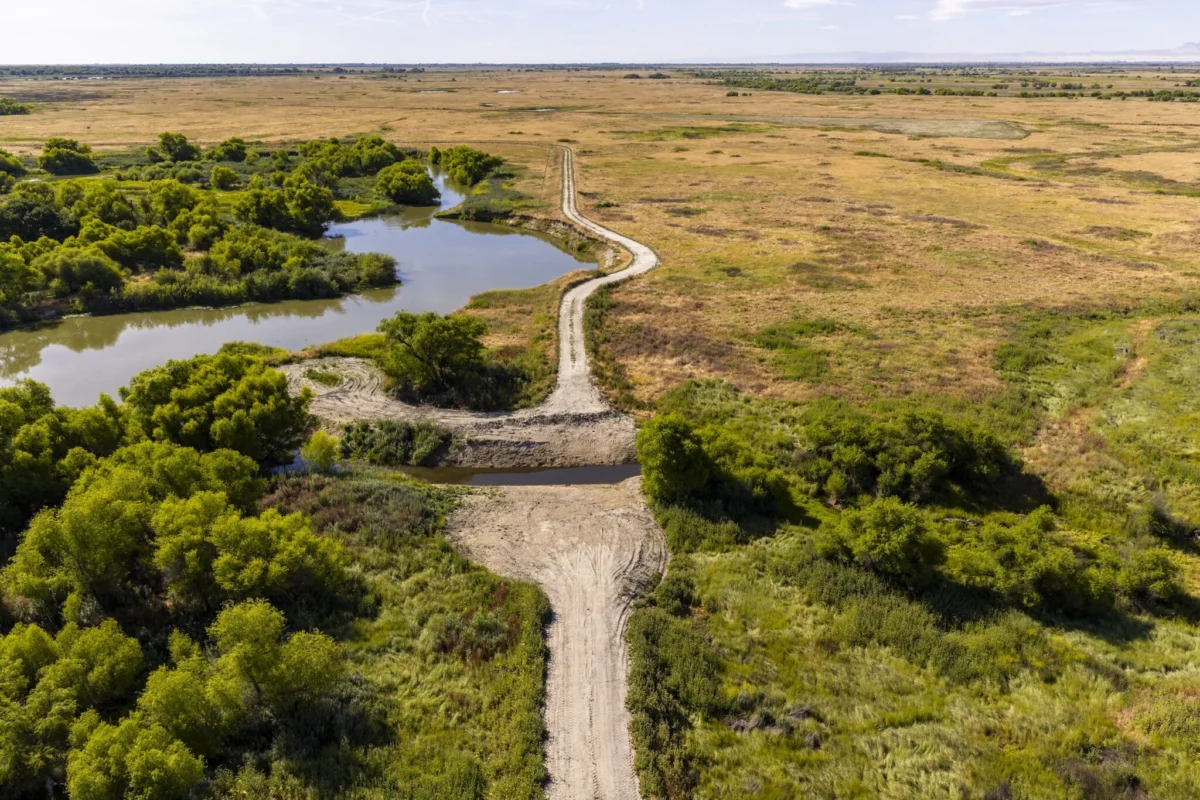
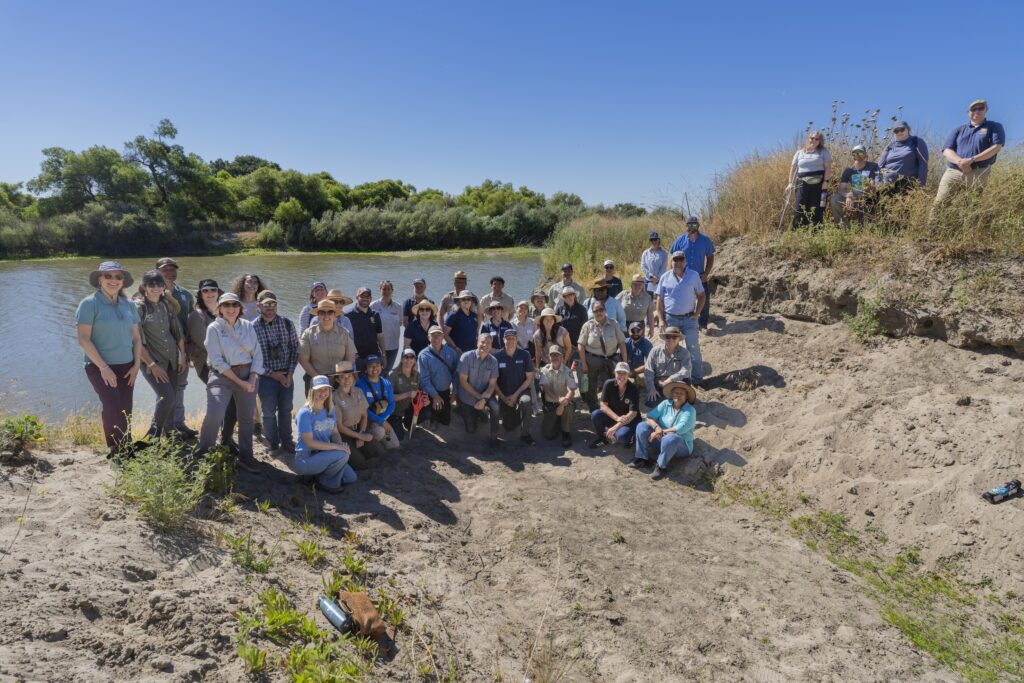
On the morning of June 11, 2026, the early light over Merced, California, illuminated more than just the horizon; it cast a glow upon a landmark achievement in ecological restoration. Dozens of scientists, Tribal leaders, state officials, and community members gathered at the Great Valley Grasslands State Park to witness a profound moment of environmental healing. After 15 years of planning, permitting, and construction, the San Joaquin River was finally reconnected to 220 acres of its historic floodplain.
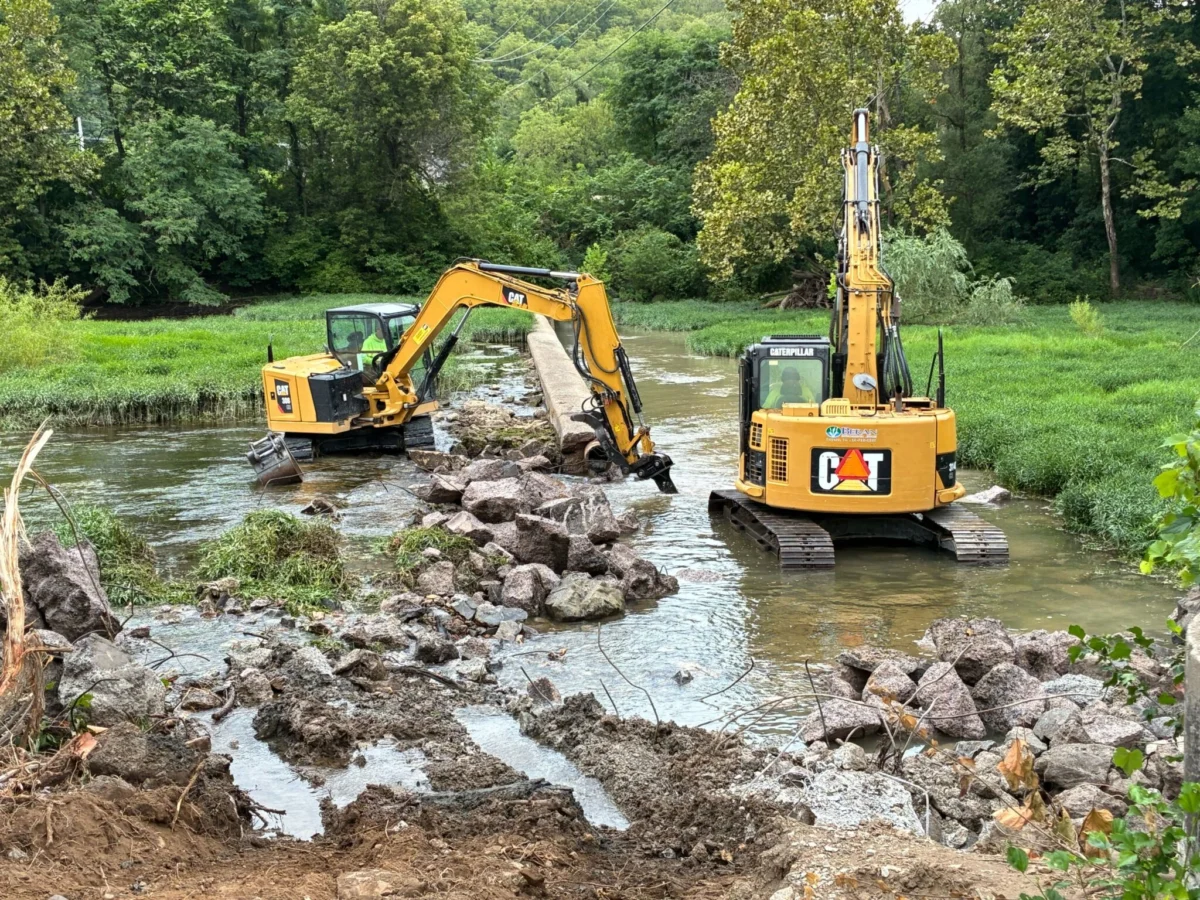
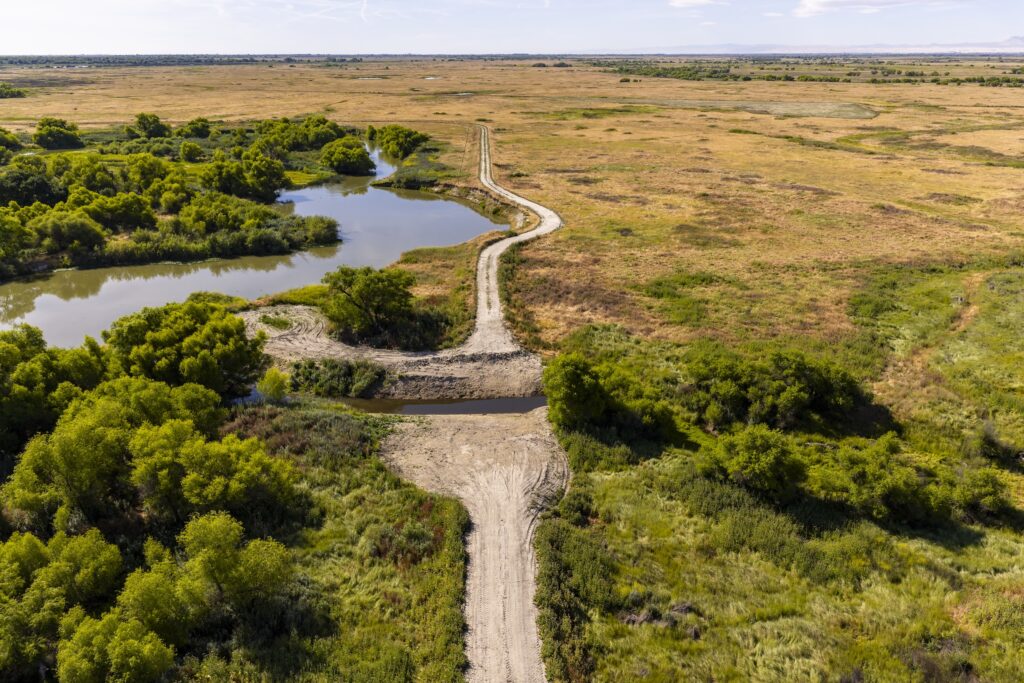
The Grasslands Floodplain Restoration Project, which officially reached completion in February 2026, stands as one of the most ambitious and significant ecological endeavors in the history of the San Joaquin Valley. By breaching long-obsolete levees that had severed the river from its natural path for over 75 years, project leaders have initiated the revival of a landscape once thought lost to agricultural development.
A Legacy of Persistence: The Chronology of Restoration
The story of this restoration is one of patience. It began over a decade and a half ago, when American Rivers joined forces with the California Department of Parks and Recreation, River Partners, and Flow West. The objective was clear but daunting: to restore the natural hydrological patterns of a region stifled by 20th-century engineering.
The project’s origins date back to a 1982 donation by Joseph Gallo, a legendary figure in the California dairy industry. Gallo gifted thousands of acres of his private grassland holdings to the U.S. Fish and Wildlife Service and the State of California, stipulating that the land be preserved for wildlife. However, the site remained largely inaccessible and ecologically fragmented due to a network of 1950s-era levees. These embankments, originally designed to manage cattle rather than floodwaters, had inadvertently created a stagnant, artificial barrier that choked out native vegetation and blocked the river’s natural pulse.
The path from vision to reality was anything but linear. Permitting hurdles, complex environmental reviews, and the volatile nature of the Central Valley’s climate—which frequently flooded construction sites and delayed progress—turned the project into a multi-generational test of will. Dr. Ann Willis, California Regional Director for American Rivers, captured the sentiment of the project’s participants during the celebration: "Restoration is neither a sprint nor a marathon; it is a relay. We have passed the baton from the visionaries of 15 years ago to the stewards of the future."
The Science of Success: Why Floodplains Matter
The significance of the Great Valley Grasslands project extends far beyond the park’s borders. Floodplains function as the "kidneys" of an ecosystem, providing essential services that engineered systems simply cannot replicate.
Hydrological and Biological Benefits
By allowing the river to spill onto the grasslands during seasonal high flows, the project achieves several critical goals:
- Groundwater Recharge: In a region where aquifers have been dangerously depleted by decades of industrial agricultural pumping, the reconnected floodplain acts as a natural sponge, slowing water down and allowing it to percolate into the underground water table.
- Invasive Species Mitigation: Native wetland grasses and riparian plants are adapted to periodic inundation. By re-establishing these flood patterns, the project naturally suppresses invasive, non-native plant species that thrive only in the arid, stable conditions created by the former levees.
- Habitat Creation: The restoration creates vernal pools—temporary, nutrient-rich wetlands that serve as essential nurseries for amphibians, invertebrates, and birds.
Most importantly, the project is a lifeline for the threatened Chinook salmon. Juvenile salmon require the slow-moving, food-rich waters of a floodplain to shelter from the main river current and gorge themselves on zooplankton—microscopic organisms that flourish in these areas. By providing this "nursery," the project significantly increases the survival rate of young salmon as they make their arduous journey toward the Pacific Ocean.
Official Perspectives and Strategic Partnerships
The June 11 event featured a chorus of voices representing the diverse coalition that made the project possible. California Natural Resources Secretary Wade Crowfoot and State Parks Director Armando Quintero emphasized the state’s commitment to "landscape-scale" restoration.
"This is not just about one park; it is about rewriting our relationship with the California landscape," Secretary Crowfoot noted. The collaboration also drew significant private-sector support, most notably from Cox Enterprises. Their team traveled from Atlanta to witness the ribbon-cutting, underscoring the growing trend of corporate investment in large-scale water security and habitat replenishment.
The Northern Valley Yokut Ohlone Tribe, represented by Chairperson Kathy Perez, offered a spiritual and historical perspective, reminding attendees that the river’s connection to the land is not merely an ecological function but a cultural imperative. The involvement of Indigenous voices ensured that the project respected the deep, ancestral ties the Yokut people maintain with the San Joaquin Valley.
Data-Driven Future: Measuring the Impact
With the physical construction complete, the project has entered a rigorous phase of monitoring. The success of the restoration will be measured through a series of key performance indicators (KPIs) overseen by the project partners. Scientists will analyze:
- Zooplankton Density: As a proxy for the floodplain’s productivity, identifying if the area is successfully providing the necessary fuel for salmon growth.
- Groundwater Levels: Using a network of sensors to map the rate of recharge into the underlying aquifers.
- Vegetation Surveys: Tracking the migration of native plant species and the suppression of invasive weeds.
- Thermal Regulation: Monitoring water temperatures to ensure the floodplains remain hospitable to sensitive aquatic species during the warmer months.
This data is not intended to stay within the academic sphere. It is designed to serve as a roadmap for future restoration projects throughout the Central Valley, providing empirical evidence that "letting the river be a river" is a viable, sustainable strategy for California’s water future.
Implications for a "Park-Poor" Region
The Central Valley has historically been overlooked in the California State Parks system, with the vast majority of the state’s recreational assets concentrated along the coast or in the high Sierra. The Great Valley Grasslands project serves as a cornerstone for a new vision of regional equity in public access.
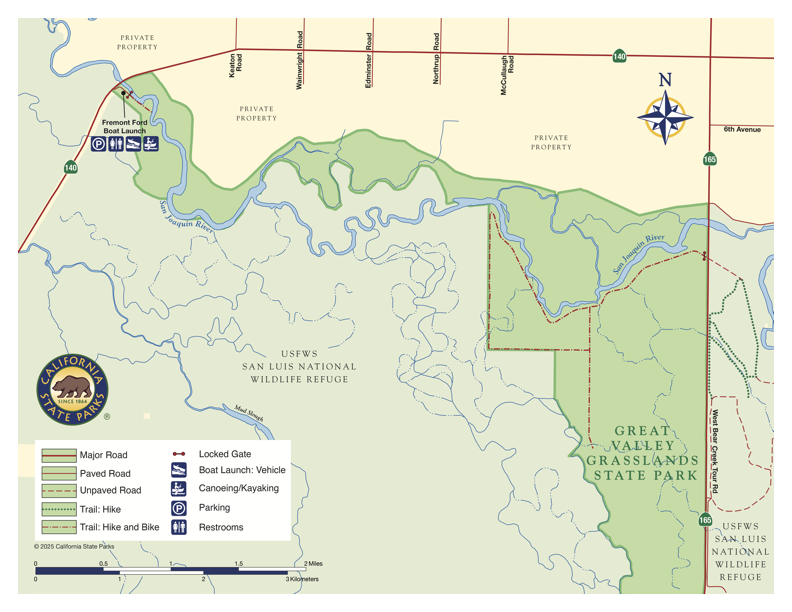
State Parks is currently in the midst of developing a comprehensive General Plan to improve public access at the site. The goal is to transform this once-inaccessible patch of land into a destination where Central Valley residents can connect with their natural heritage. This effort is mirrored by the state’s broader "State Parks Forward" initiative, announced by Governor Gavin Newsom in April 2026. This program aims to establish several new state parks in the region, including the 874-acre San Joaquin River Parkway in Fresno.
A Relay for the Next Generation
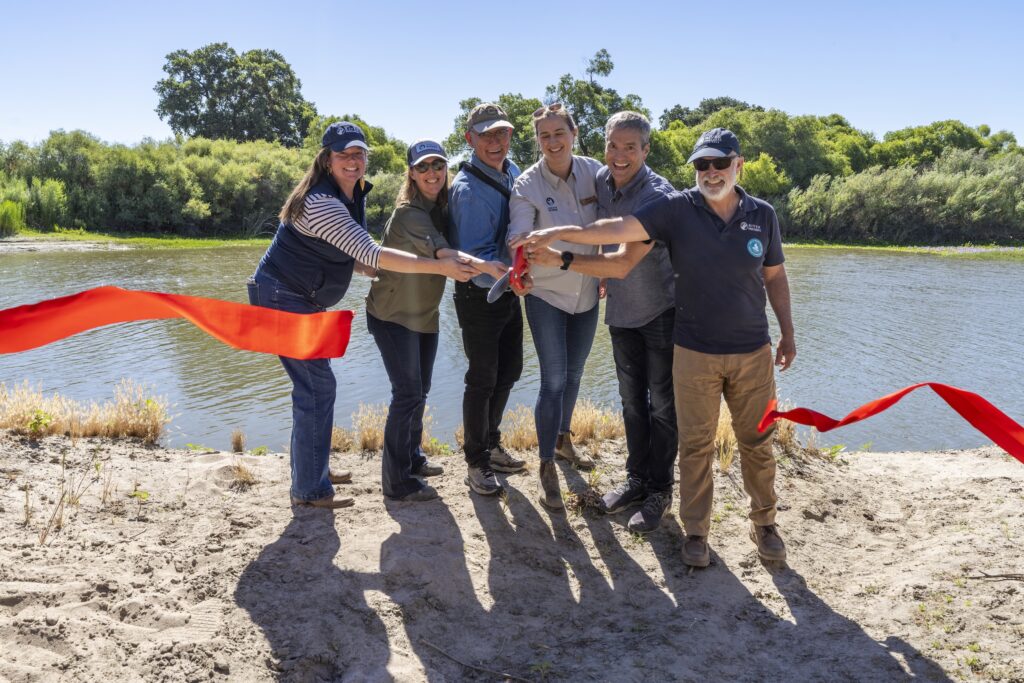
As the red ribbon fell to the ground on that June morning, it symbolized more than the opening of a new water channel. It represented the conclusion of a Herculean effort to undo the mistakes of the 20th century. For the engineers, environmentalists, and policymakers who spent over a decade fighting for this site, the moment was bittersweet.
The project proves that when government agencies, private partners, and nonprofit organizations align their resources, they can achieve results that were previously deemed impossible. The restoration of the Great Valley Grasslands is not a final destination, but a launchpad. With 1,000 additional acres slated for restoration north of the river, the work continues.
The San Joaquin River, long confined by steel and concrete, has finally found its way home. As the water begins its slow, natural movement across the grasslands, it carries with it the hope of a healthier, more resilient, and more accessible California. The baton has been passed, and for the residents of the San Joaquin Valley, the landscape is beginning to breathe again.