By Emily Wolf | July 2, 2026
In the high-altitude expanse of Colorado’s San Luis Valley, the rhythmic sound of water—the lifeblood of this rugged landscape—has become a source of profound anxiety. As the headwaters of the Rio Grande struggle under the weight of a historic, near-record-setting snow drought, the communities that call this valley home are facing an existential turning point. With snow water equivalent (SWE) levels plummeting to some of the lowest points in recorded history, the region is bracing for a summer defined by scarcity.
Yet, in the face of this climate-driven crisis, the San Luis Valley has emerged as a laboratory for innovation. By blending ancestral wisdom with cutting-edge hydrology, stakeholders are proving that when agriculture, conservation, and municipal interests align, the result is not just survival, but a template for the future of the American Southwest.
The Anatomy of a Crisis: Why the Valley is at the Frontline
The San Luis Valley is a vast, high-altitude basin that serves as a critical agricultural hub and a lifeline for the Rio Grande. However, the region is currently grappling with a "compounding pressure" scenario. Decades of over-allocation, the relentless march of climate change, and persistent drought have pushed the basin’s aquifers to their breaking point.
When the winter snowpack fails to materialize, the impact is felt instantly. Early runoff—often occurring before the soil is ready to absorb it—means less water for irrigation, drier riverbeds, and heightened stress on the riparian ecosystems that host diverse bird and fish populations. The current crisis is not merely a weather event; it is a structural challenge that requires a fundamental rethinking of how water is stored, managed, and consumed.
Frozen Assets: Harnessing Winter for Spring Survival
Among the most creative responses to this shortage is the "Frozen Assets" project. Led by American Rivers in partnership with Wetland Dynamics, Ducks Unlimited, the Rio Grande Headwaters Land Trust, and Colorado Parks and Wildlife, the initiative is a masterclass in nature-mimicry.
The Science of Sheet Ice
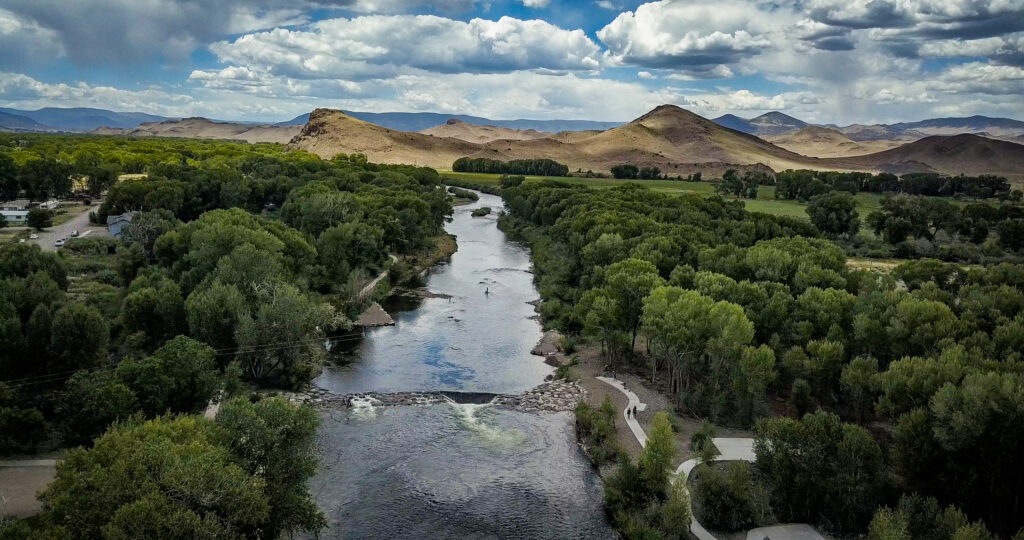
Historically, farmers in the Valley used a technique known as "winter sheet ice" to manage their water. The process is simple yet ingenious: during the coldest months, producers apply shallow layers of water to the landscape, allowing it to freeze in place. This creates a literal storehouse of moisture that sits atop the land.
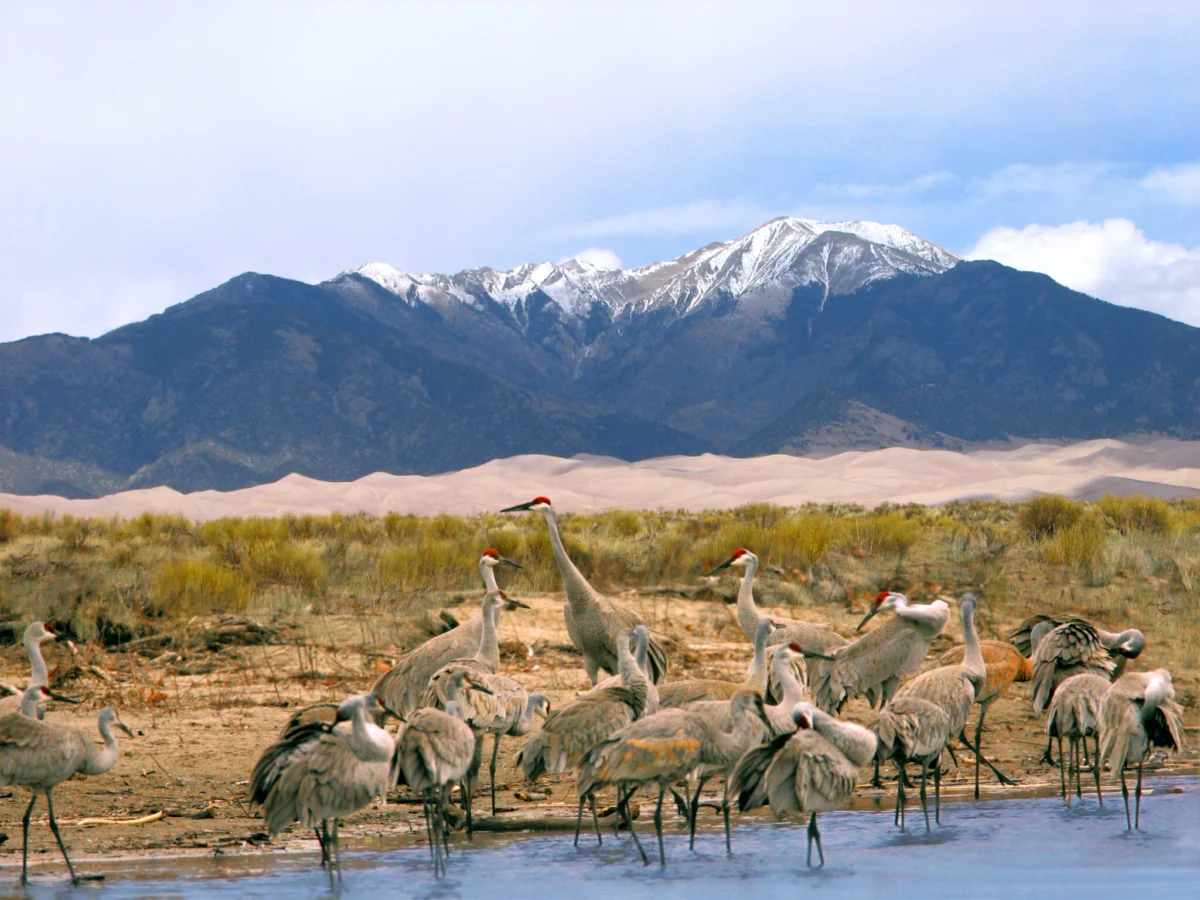
As the temperatures rise in the spring, the ice melts slowly. Instead of rushing into the river system and disappearing downstream, the water infiltrates the soil, replenishing the local aquifer and providing essential habitat for migratory birds, such as sandhill cranes and various waterfowl. By reducing evaporation and transmission losses, this "Frozen Asset" acts as a natural bank account, paying dividends to the soil and the water table when the growing season begins.
Rye Resurgence: Cultivating a Thirstless Economy
If "Frozen Assets" is about how we store water, the "Rye Resurgence Project" is about how we consume it. Agriculture is the largest water consumer in the Valley, and for generations, water-intensive crops have dictated the pace of the local economy.
The Rye Resurgence initiative aims to pivot the agricultural model toward more sustainable alternatives. Winter rye, a hardy cover crop, requires significantly less water than traditional rotational crops. More importantly, it improves soil health, which in turn increases the land’s water-retention capacity.
Bridging the Market Gap
The project’s brilliance lies in its economic integration. It is not enough to ask farmers to switch crops; one must ensure there is a market for the harvest. By connecting local farmers with regional millers, bakers, brewers, and distillers, the project has turned "less water" into a "premium product." In its inaugural 2023 season, the partnership successfully oversaw the planting of 4,500 acres of winter rye, yielding an estimated 4,670 acre-feet in water savings—a staggering achievement for a single pilot year.
Restoring the Arteries: Habitat and Hydrology
While the uplands are being managed for efficiency, the Rio Grande itself is undergoing a transformation. The Alamosa National Wildlife Refuge (NWR), once a beacon of biodiversity, has suffered from the erratic flow regimes caused by climate volatility.
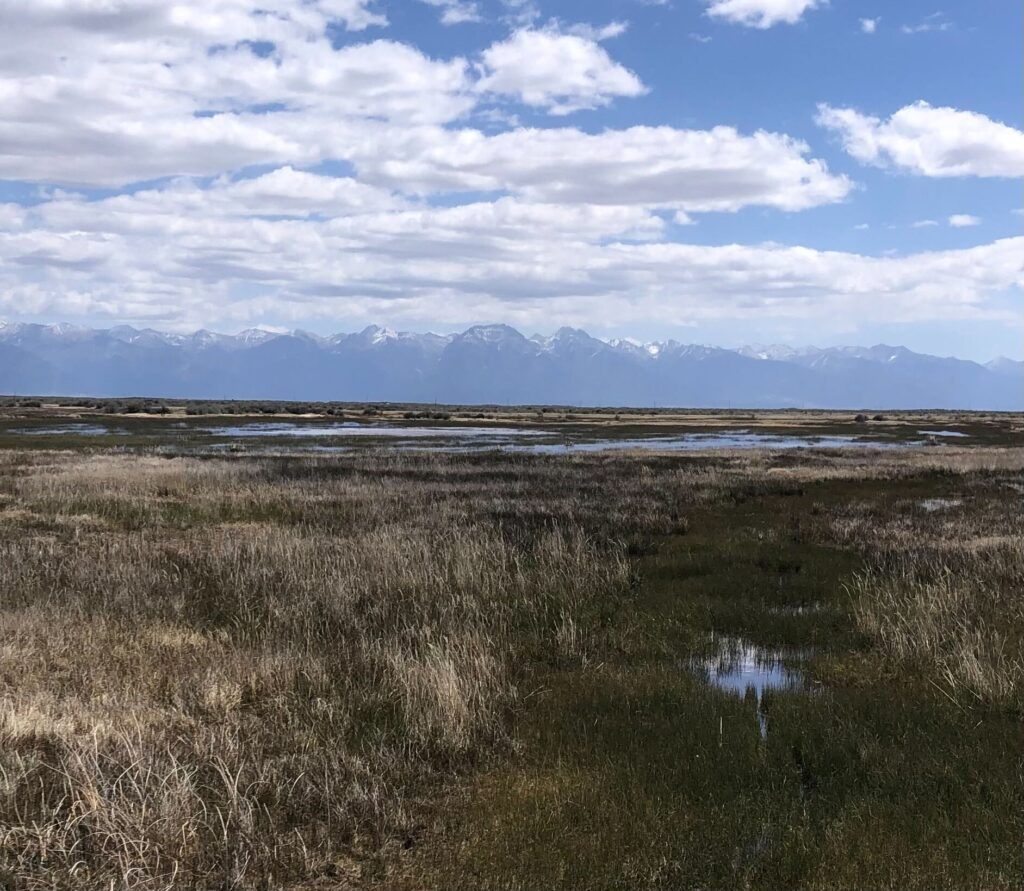
The Rio Grande Corridor Restoration Project represents a multi-sector approach to river health. By reshaping eroding streambanks with native vegetation and rock, engineers have allowed the river to reconnect with its natural floodplain. This is not merely aesthetic; it is functional. When high flows occur, the floodplain acts as a sponge, slowing the water down and allowing it to seep into the ground.
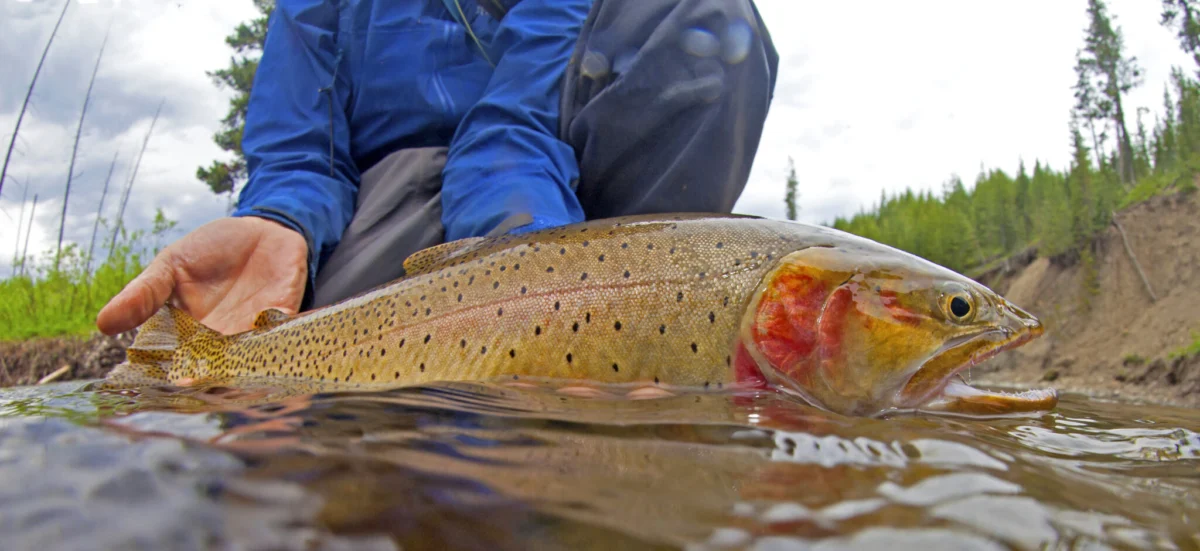
Furthermore, specific off-channel habitats have been engineered to support the Rio Grande chub, a native fish species that has been struggling to find refuge during low-flow periods. This project proves that river restoration is an essential component of water security; healthy, functional rivers are better equipped to withstand the extremes of modern climate cycles.
Chronology of Collaborative Action
- Pre-2020: Recognition of systemic aquifer depletion and the decline of the Rio Grande’s riparian health.
- 2021-2022: Initial research phases for "Frozen Assets" and feasibility studies for regional crop diversification.
- Fall 2023: Successful launch of the Rye Resurgence Project, resulting in 4,500 acres of rye and significant water conservation milestones.
- 2024-2025: Scaling of riparian restoration efforts, including the completion of the Alamosa NWR habitat enhancements.
- July 2026: Current status, with the Valley facing near-record drought, yet possessing the infrastructure to mitigate the most catastrophic impacts through these established collaborative programs.
Official Perspectives: The Power of Partnership
The success of these initiatives rests on a "big tent" approach. Government agencies, conservation non-profits, and private landowners have abandoned the adversarial water politics of the past in favor of a shared-benefit model.
"Water is the lifeblood of this region," notes a project lead at American Rivers. "The goal is to preserve the economic vitality of the Valley while conserving its most precious resource. We are seeing that when you provide producers with the data and the market support to innovate, they are the most effective stewards of the land."
These projects do not exist in isolation. They are supported by a web of state and federal funding, which serves as a recognition that the San Luis Valley is a vital cog in the broader Southwest water machine. When the Valley saves water, it benefits downstream users, the agricultural economy, and the endangered species that rely on the Rio Grande.
Implications: A Model for the Southwest
The implications of the San Luis Valley’s work extend far beyond Colorado’s borders. The Southwest is facing a future where water will be increasingly scarce, and the traditional "use-it-or-lose-it" water laws are becoming a liability.
The lessons learned here—that winter water management can recharge aquifers, that market-driven crop shifts are possible, and that ecosystem restoration is a form of water storage—are applicable from Arizona to New Mexico.
As we look toward the remainder of 2026 and beyond, the San Luis Valley stands as a testament to the power of human ingenuity. While the snowpack may be thin, the social capital of the Valley is thick. By working together to protect their "lifeblood," the residents of this high-desert community are not just fighting a drought; they are defining what it means to live in balance with a changing climate.
The path forward is clear: it requires patience, data, and a willingness to depart from the status quo. In the San Luis Valley, that path is being paved one acre of rye and one layer of ice at a time.