In a significant stride toward India’s ambitious clean energy transition, Tata Power Renewable Energy Limited (TPREL), a subsidiary of the energy conglomerate Tata Power, has officially commenced construction on a massive 800MW hybrid energy project in Andhra Pradesh. This project, which marries wind and solar power generation, stands as a cornerstone of the state’s burgeoning green economy and reflects the broader national objective of achieving 500GW of non-fossil fuel capacity by 2030.
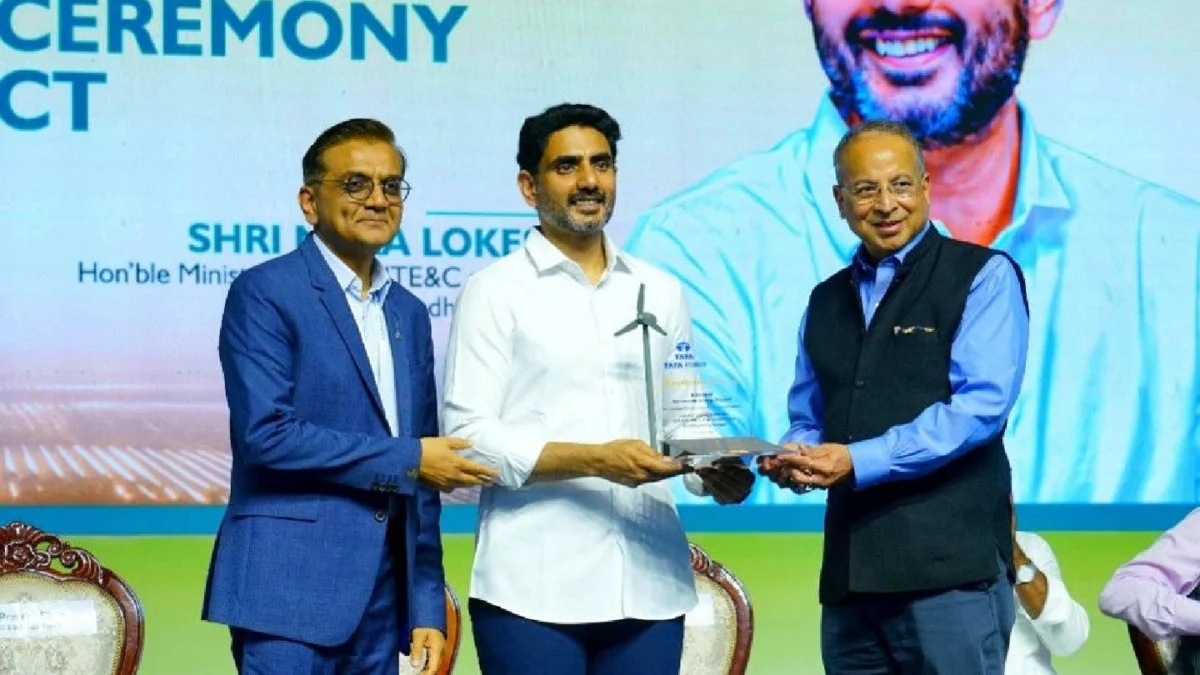
The groundbreaking ceremony, held recently, was marked by the presence of Andhra Pradesh’s Minister for IT, Electronics & Communications, Human Resource Development, and Real-Time Governance, Nara Lokesh. The event underscored the government’s commitment to fostering a sustainable industrial landscape through strategic partnerships with private sector leaders.
Core Project Specifications and Infrastructure
The project is a multi-faceted endeavor requiring a capital investment of approximately Rs57.5bn ($602m). Its architectural design is split across two strategic locations in the state, optimizing the regional geography for maximum energy harvesting:
- Wind Component: A 400MW wind farm is being established in Kanekallu, Ananthapuram. Engineering, procurement, and construction (EPC) responsibilities for this segment have been entrusted to Suzlon, a prominent player in wind energy technology.
- Solar Component: A 400MW solar park is currently under development in Pattikonda, Kurnool.
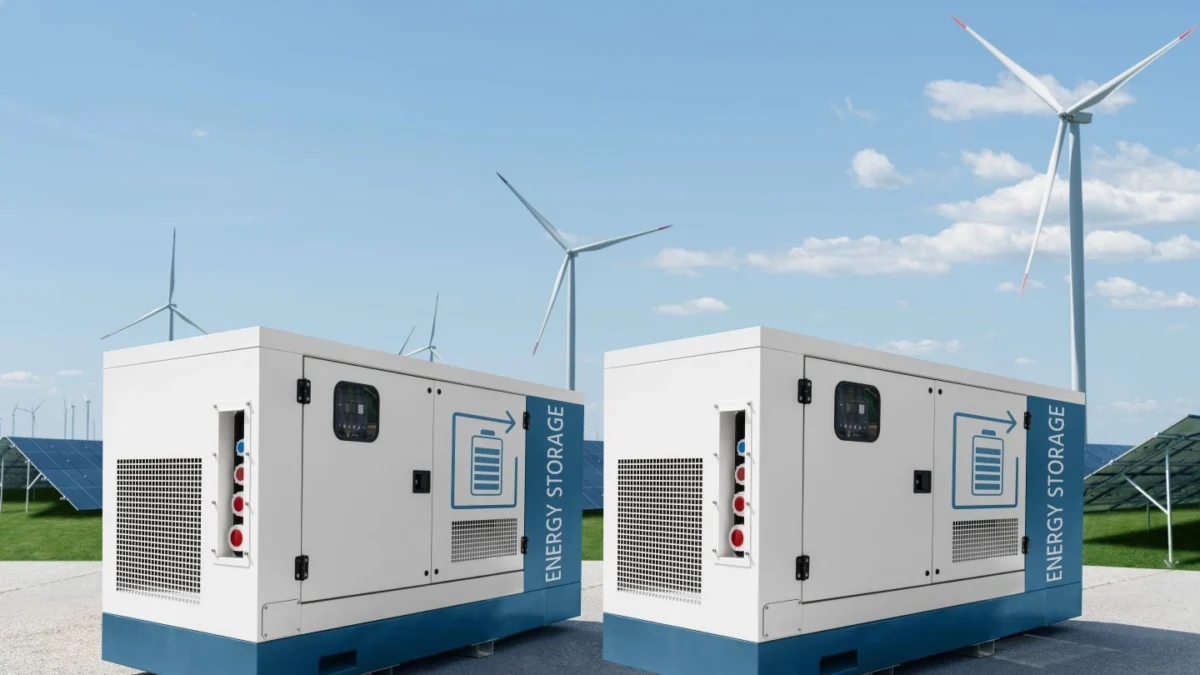
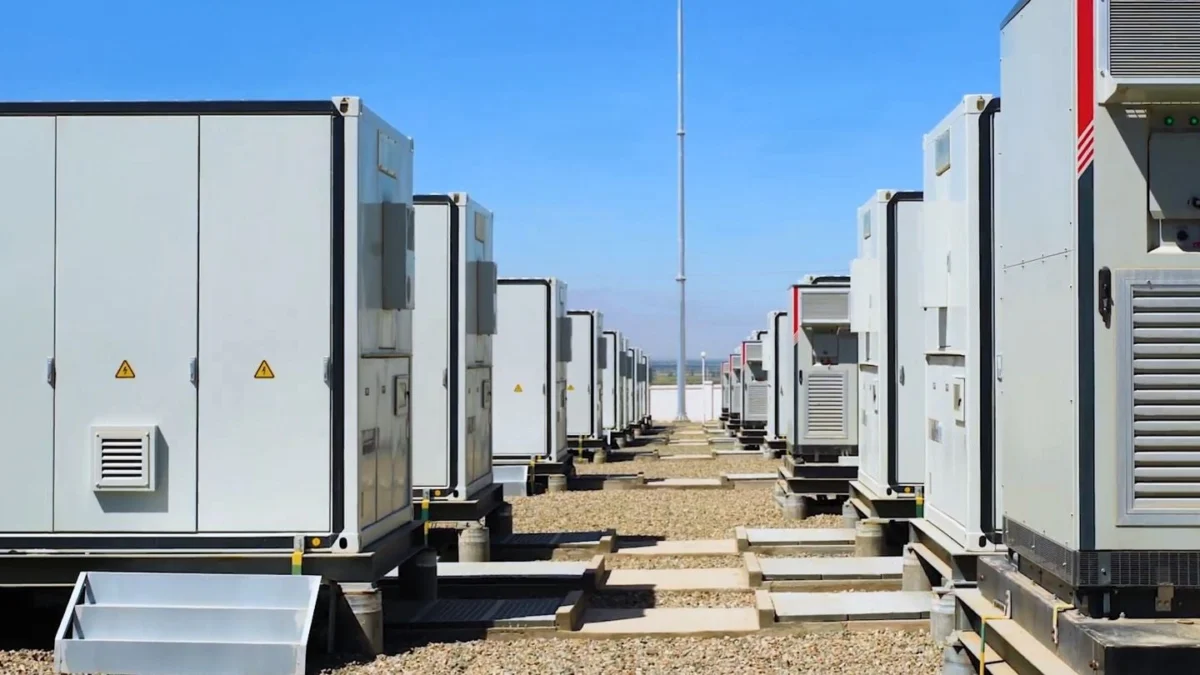
- Storage Integration: Recognizing the intermittency of renewable sources, the project incorporates a 25MW/50MWh battery energy storage system (BESS). This specific allocation serves a 200MW Firm and Dispatchable Renewable Energy (FDRE) mandate for the National Thermal Power Corporation (NTPC), ensuring that power supply remains stable and reliable, even when natural conditions fluctuate.
The infrastructure footprint is expansive, covering approximately 3,462 acres of land. Of this, 760 acres are dedicated to wind turbine installations, while the remaining 2,700 acres are allocated to solar photovoltaic arrays. To ensure the generated electricity reaches the national grid efficiently, the project will utilize 800MW Inter-State Transmission System (ISTS) connectivity, facilitated through high-capacity substations at Ananthapuram II and Kurnool-4.
Chronology of Development and Strategic Alignment
The project is not merely an isolated venture but a deliberate execution under the Andhra Pradesh Integrated Clean Energy Policy. This policy framework was designed to catalyze large-scale private investment by streamlining administrative hurdles and providing a roadmap for sustainable development.
Timeline and Key Milestones
- Policy Adoption: The Andhra Pradesh state government established the Integrated Clean Energy Policy to position the state as a green energy hub, attracting global and domestic interest.
- Project Planning & Approval: Tata Power finalized the dual-site configuration, selecting Ananthapuram and Kurnool for their specific wind and solar irradiation profiles.
- Land Acquisition: Over the past months, TPREL successfully secured the necessary 3,462 acres, creating a framework for annual lease rental income for local landowners—a move intended to ensure community participation and socio-economic support.
- Groundbreaking: With the official commencement of construction, the project enters its primary development phase, involving heavy machinery deployment, electrical grid integration, and civil works.
- Targeted Commissioning: While the project is currently under construction, the scale of the 800MW facility suggests a multi-phased commissioning approach over the coming 18 to 24 months.
Data-Driven Impact: Employment and Economic Growth
One of the primary objectives of the Andhra Pradesh Integrated Clean Energy Policy is the creation of local employment. TPREL has confirmed that the project is expected to generate approximately 4,000 direct and indirect employment opportunities. These roles span the spectrum from technical engineering and site management to local labor and logistics support during the construction phase, as well as ongoing maintenance positions during the operational lifespan of the plants.
Furthermore, the project serves as an economic stimulus for the rural regions of Kurnool and Ananthapuram. By providing lease rental income to local landowners, the project guarantees a steady stream of capital into the rural economy, moving beyond mere tax contributions to tangible grassroots wealth creation.
Official Perspectives and Corporate Vision
The project represents a vital piece of the puzzle for Tata Power’s long-term sustainability goals. During the groundbreaking, leadership emphasized the importance of this hybrid approach.
Praveer Sinha, CEO and Managing Director of Tata Power, noted: "By integrating 400MW of solar and 400MW of wind capacity, the project will contribute to the development of reliable and round-the-clock renewable power, supporting the nation’s growing energy needs while advancing sustainability goals."
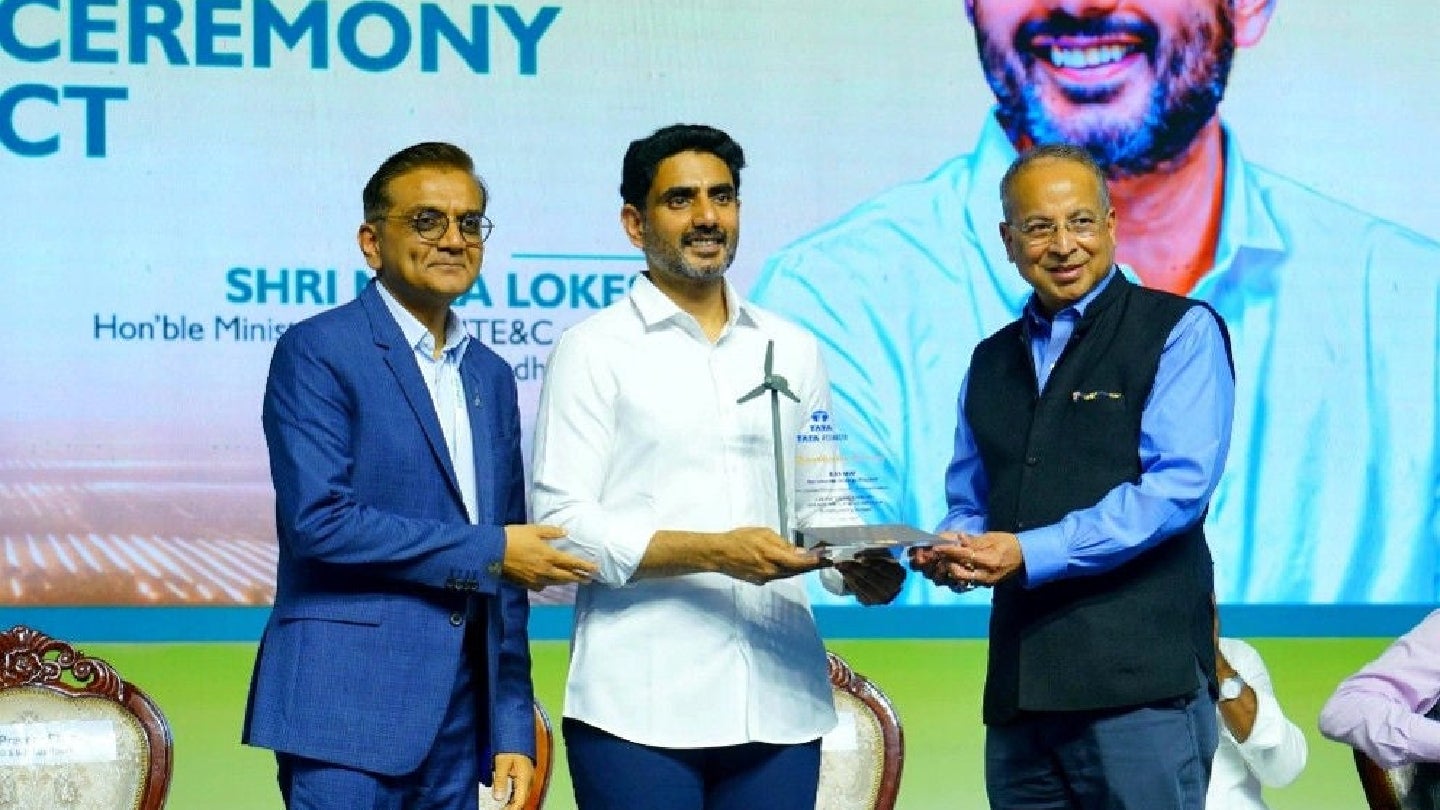
The sentiment was mirrored by state officials, who view the project as a validation of Andhra Pradesh’s industrial competitiveness. Minister Nara Lokesh’s presence highlighted the alignment between state government aspirations for a "Green AP" and the corporate mandate of industry leaders like the Tata Group.
Broader Implications for India’s Energy Matrix
The transition from simple renewable installations to "hybrid" projects—which combine different energy sources with storage—is the new frontier for India. As the country moves toward its 2030 target of 500GW, grid stability becomes as important as total capacity.
The Role of Hybridization
Hybrid projects, such as the one in Andhra Pradesh, solve the "intermittency problem." Solar power is only available during the day, and wind patterns are seasonal and volatile. By coupling these with battery storage, Tata Power can offer "round-the-clock" power, making renewable energy competitive with traditional coal-fired power plants. This is crucial for industrial consumers who require constant, uninterrupted power.
Portfolio Expansion
For Tata Power, this project is a significant addition to an already massive portfolio. The company currently manages 17.7GW of renewable energy, with an additional 9.8GW under various stages of construction. This trajectory aligns with the company’s internal pledge to reach 100% clean energy generation by 2045.
National Context
The project contributes directly to the national energy security strategy. By reducing reliance on imported fossil fuels and utilizing indigenous resources (sun and wind), India is strengthening its energy sovereignty. Furthermore, the use of ISTS connectivity means that this power is not just for Andhra Pradesh; it can be transmitted to power-hungry industrial hubs across the country, stabilizing the national grid.
Conclusion: A Blueprint for the Future
The 800MW hybrid project in Andhra Pradesh is a microcosm of India’s energy future. It combines state-of-the-art technology (BESS), strategic regional planning (Ananthapuram and Kurnool), and robust government-private collaboration.
As TPREL continues to scale—evidenced by their recent commissioning of a 100.8MW wind facility in Maharashtra earlier this month—the lessons learned from the Andhra Pradesh project will likely serve as a blueprint for future large-scale developments. By focusing on employment, land-owner welfare, and grid-ready technology, Tata Power is not only meeting its corporate targets but is actively participating in the transformation of India’s economic and environmental landscape.
The success of this project will be closely watched by investors and policymakers alike. If it succeeds in delivering consistent, low-cost, and reliable clean energy, it will solidify the argument that renewable energy is not just an environmental imperative, but a sound, scalable, and essential business strategy for the 21st century.