Executive Summary: A Near-Catastrophe in the Inner Gorge
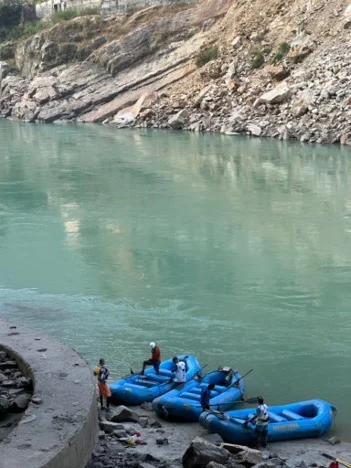
In March 2026, a self-supported expedition led by Sam Johnston—a veteran lead guide at Montana River Guides and instructor for the Whitewater Rescue Institute (WRI)—navigated one of the most remote and challenging stretches of the Marañón River in Peru. The Marañón, often cited as the true source of the Amazon, is defined by its massive, committing whitewater and deep, vertical-walled canyons.
The expedition, which sought to test the limits of human endurance and technical navigation, became a crucible for professional safety protocols. During a critical portage of the formidable "Wasson’s Slide," a momentary lapse in environmental assessment nearly turned fatal when a massive, unstable boulder was dislodged, narrowly missing a teammate. This incident serves as a primary case study for the necessity of continuous, rigorous safety training. The expedition’s broader findings underscore that the technical skills required for river safety—scene size-up, ego management, and contingency planning—are universal, applicable from the high-altitude Andes to the training facilities of the Clark Fork River in Montana.
Chronology of the Marañón Expedition
The expedition was designed as a multi-week, self-contained journey through the headwaters of the Amazon. The timeline was marked by extreme physical and environmental variables:

- The Upper Canyon Phase: The team entered the Marañón during a period of intense heat. The first phase of the trip was marked by the logistical challenges of navigating high-volume water and steep, treacherous terrain.
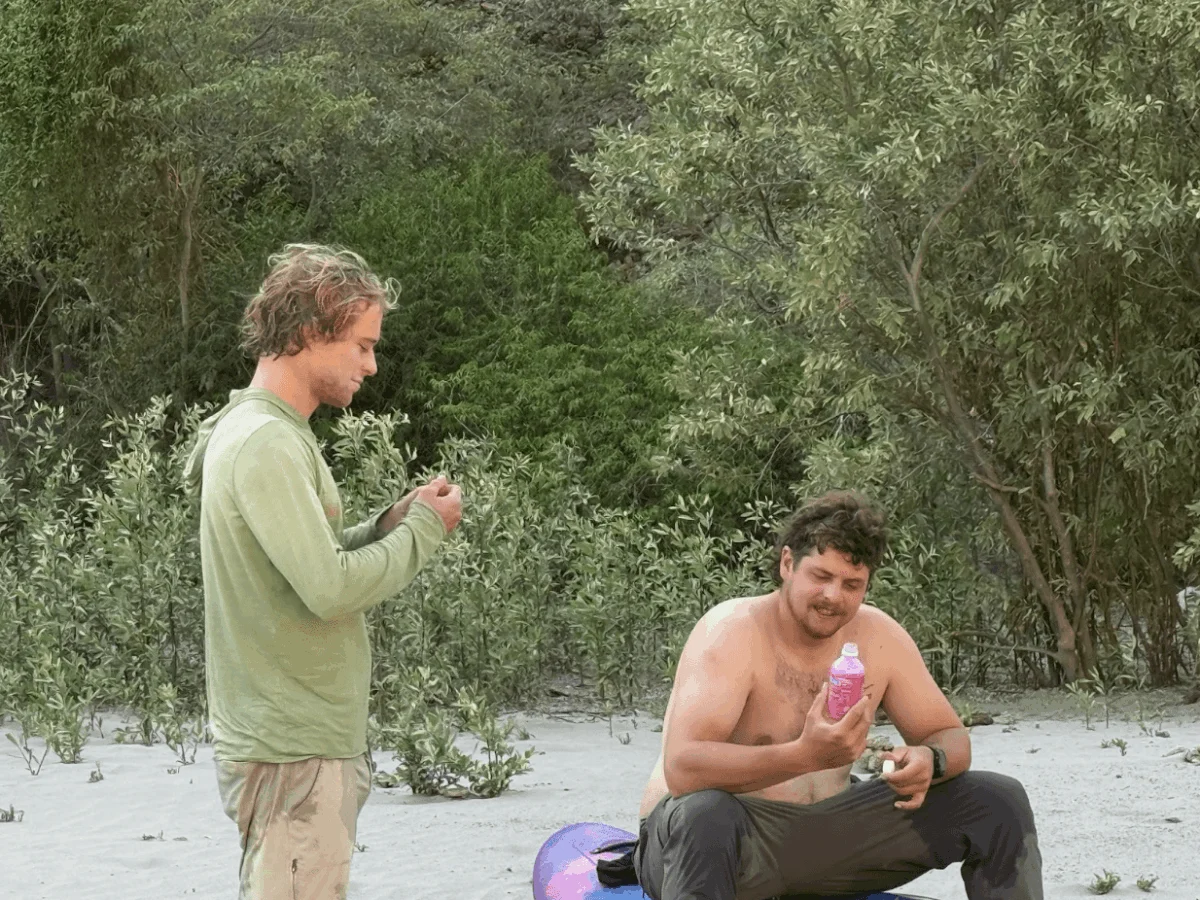
- The Health Crisis: Near the end of the Upper Canyon, the expedition faced a medical emergency. Three of the five team members contracted severe illnesses, forcing a halt to the navigation. The team took refuge under a bridge in a small town in Ancash.
- The Logistical Pivot: Johnston and his partner Jack were tasked with an emergency procurement mission, trekking into a local village to secure food and rudimentary medical supplies, including unlabeled antibiotics, amid a tense atmosphere with local residents.
- The Inner Gorge Incident: Upon re-entering the river, the team reached the Inner Gorge—a section defined by sheer, non-escapable walls and high-consequence rapids. It was here, while scouting Wasson’s Slide, that the near-fatal rockfall occurred.
- Technical Execution: Following the near-miss, the team navigated the Samosera Rapid. This required a high-stakes decision-making process, balancing the desire to prove one’s skill against the reality of the risks posed by the river.
- Conclusion: The team exited the canyon after several days of high-stress paddling, returning with a renewed, sober perspective on the realities of expeditionary whitewater.
Supporting Data: The Anatomy of Risk
The Marañón expedition provided a real-world data set for the principles taught by the Whitewater Rescue Institute (WRI). The incidents encountered during the trip illustrate the degradation of human performance under extreme conditions:
1. Scene Size-Up as a Dynamic Process
The team failed to account for the "lunch spot" as a potential hazard. In rescue terms, the scene size-up is not a static event at the beginning of an operation; it is a fluid requirement. The boulder field—a "safe" area for rest—contained hidden risks that nearly resulted in a fatality.
2. Cognitive Decay Under Stress
Data from the expedition confirms that decision-making efficacy is inversely proportional to physical well-being. Dehydration, sleep deprivation, and illness significantly slowed the team’s reaction times and critical thinking capabilities. The reliance on established checklists and standardized protocols becomes the primary defense against the cognitive decline caused by physical exhaustion.

3. The Ego Variable
Expedition members faced a constant psychological struggle: the desire to "run" the largest rapids versus the objective safety requirements of the mission. Ego, as observed by Johnston, acts as a "current" that, if not identified and acknowledged, pushes paddlers toward catastrophic outcomes.
Official Perspectives and Technical Implications
The implications of the Marañón expedition extend far beyond the sport of kayaking. The lessons learned reflect the core tenets of the National Fire Protection Association (NFPA) 1006 and 2500 standards, which govern technical rescue operations.
Professional Standards in Rescue
The WRI, which emphasizes these standards in its curriculum, argues that the "river" is never the enemy. Instead, it is a neutral force of nature. Professional rescuers who treat the river with respect—as opposed to those who seek to "conquer" it—show a significantly higher success rate in managing complex rescue scenarios.

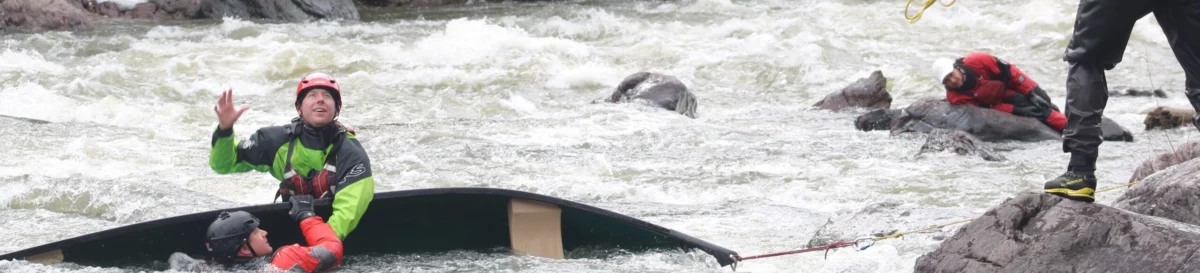
"The goal of swiftwater and flood rescue training isn’t to dominate the water," says Johnston. "It is to understand it well enough to work with it, to read its flow, and to ensure the team can extract themselves safely."
Spill Response and Regulatory Alignment
The WRI’s expertise is not confined to recreational sport. By aligning their training with USCG (United States Coast Guard) and HAZWOPER (Hazardous Waste Operations and Emergency Response) standards, the institute ensures that its graduates are prepared for high-stakes industrial spill responses. The logic remains consistent: whether it is a kayak in a remote Peruvian gorge or an environmental containment team on the Clark Fork, the variables of human error, environmental instability, and the need for standardized communication remain constant.
The Necessity of Continued Education
A critical finding of this report is the reality of "skill decay." In both professional and recreational rescue contexts, training is often treated as a "one-and-done" achievement. This is a dangerous misconception.

The Decay of Decision-Making
While physical skills (like rolling a kayak or throwing a rope) may persist through muscle memory, high-level decision-making—the ability to assess a complex scene, delegate tasks, and prioritize life-safety—decays rapidly without consistent practice. The Marañón expedition demonstrated that even seasoned instructors are susceptible to poor judgment when isolated and exhausted.
Recommendations for Teams
The following pillars of safety, derived from the expedition, should be integrated into every professional rescue team’s annual cycle:
- Frequent Re-certification: Annual or bi-annual refreshers on NFPA-aligned standards.
- Mental Framework Drills: Training that incorporates "stress inoculation," where participants are forced to make decisions while physically compromised.
- The "Ego Check": Cultivating a culture where team members are encouraged to express doubt or opt-out of high-risk maneuvers without fear of professional or social stigma.
- Holistic Scene Assessment: Viewing the entirety of the operational environment, including support areas, as part of the "hazard zone."
Conclusion: The Stakes of Preparation
The Marañón journey serves as a poignant reminder that the difference between a successful expedition and a tragedy often hinges on a few inches of rock or a single, clear-headed decision. As Johnston noted, the material taught in the controlled environments of the Clark Fork River is identical to that required in the deepest, most remote canyons on earth.

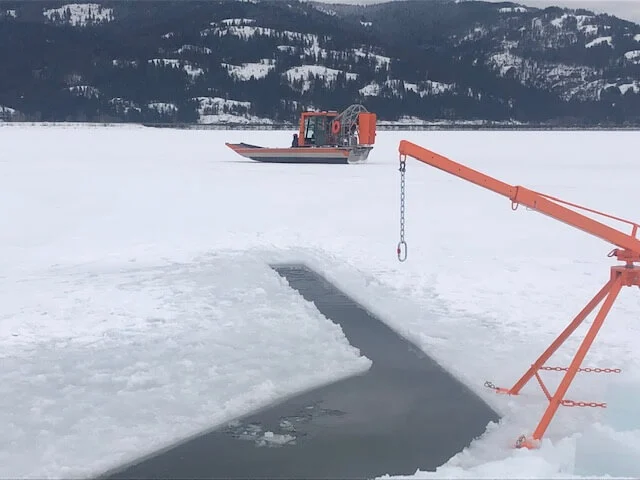
The professional community is encouraged to view training not as a box to be checked, but as a lifestyle of preparedness. As organizations continue to evolve their protocols for swiftwater, rope, and ice rescue, the emphasis must remain on the human element: the capacity to remain humble, to recognize the limits of one’s own cognition, and to respect the immutable power of moving water.
For those looking to sharpen their skills or prepare their teams for the realities of the field, the current course schedule at the Whitewater Rescue Institute offers a gateway to the necessary competencies required to survive and succeed in any environment.
For more information on upcoming training sessions or to review the technical standards applied in this report, visit the official Whitewater Rescue Institute course portal.