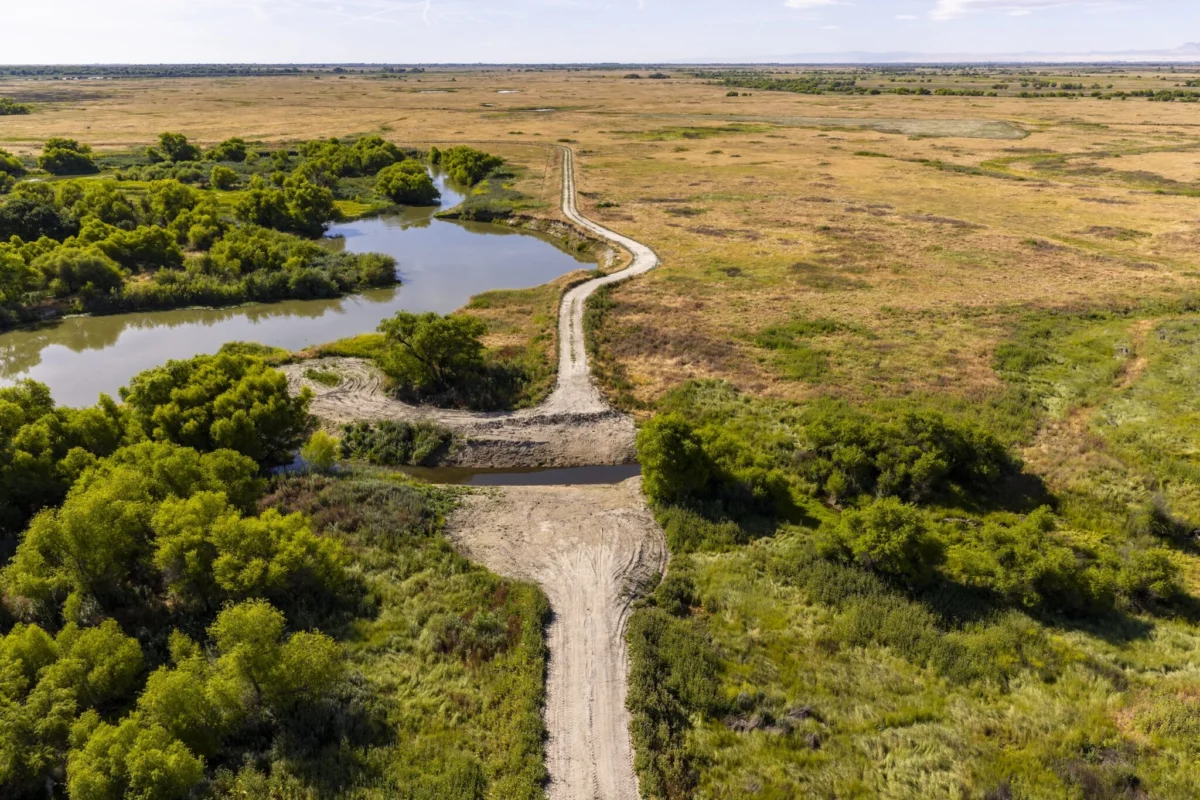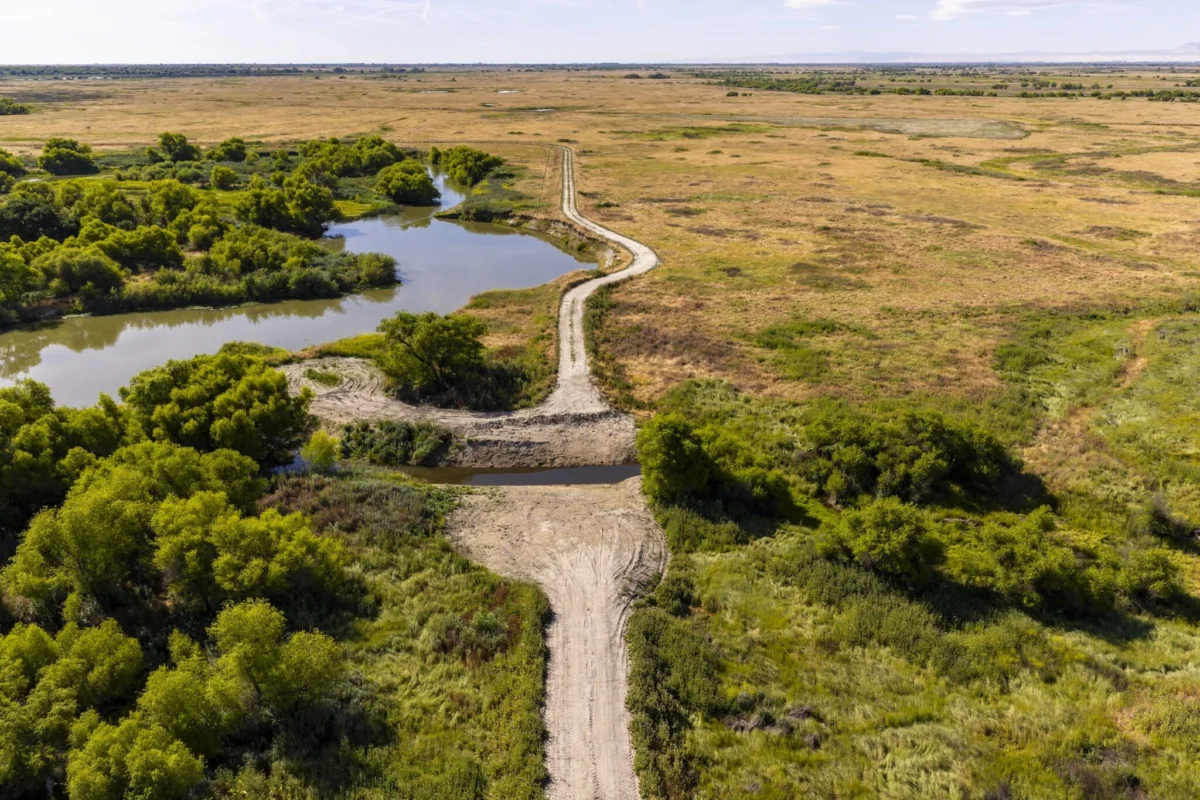
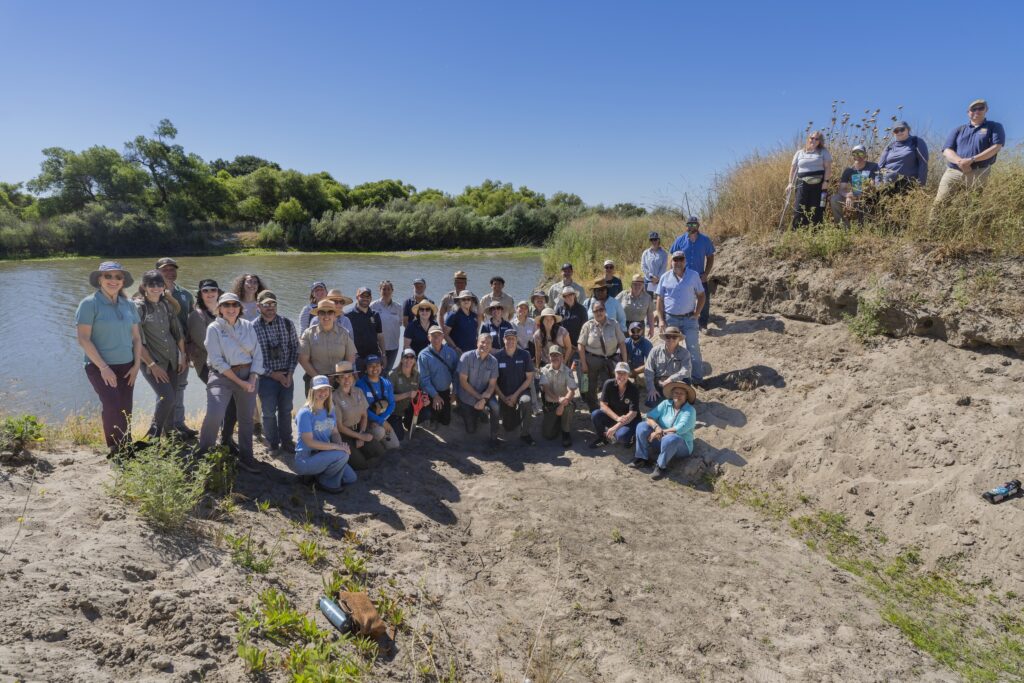
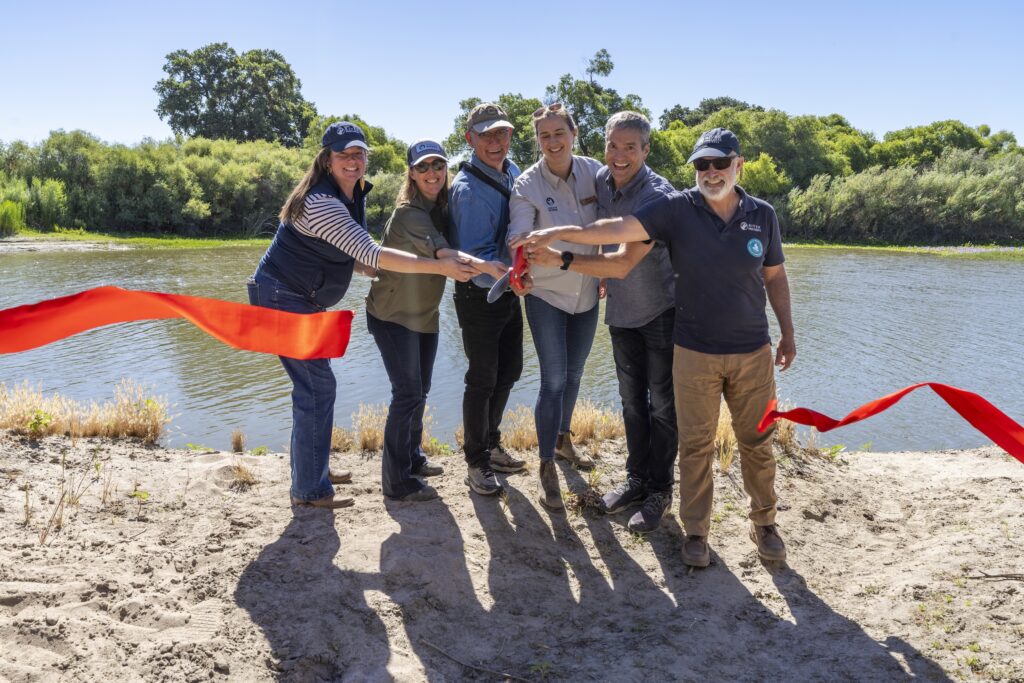
On the morning of June 11, 2026, the early light caught a scene of profound ecological significance at Great Valley Grasslands State Park, located just outside of Merced, California. Dozens of stakeholders—ranging from Tribal leaders and state officials to environmental scientists and community members—gathered to witness the culmination of a 15-year effort to undo the industrial imprints of the past. As a red ribbon was cut, signaling the formal opening of a notched levee, the San Joaquin River began to spill into its historic floodplain for the first time in over 75 years.
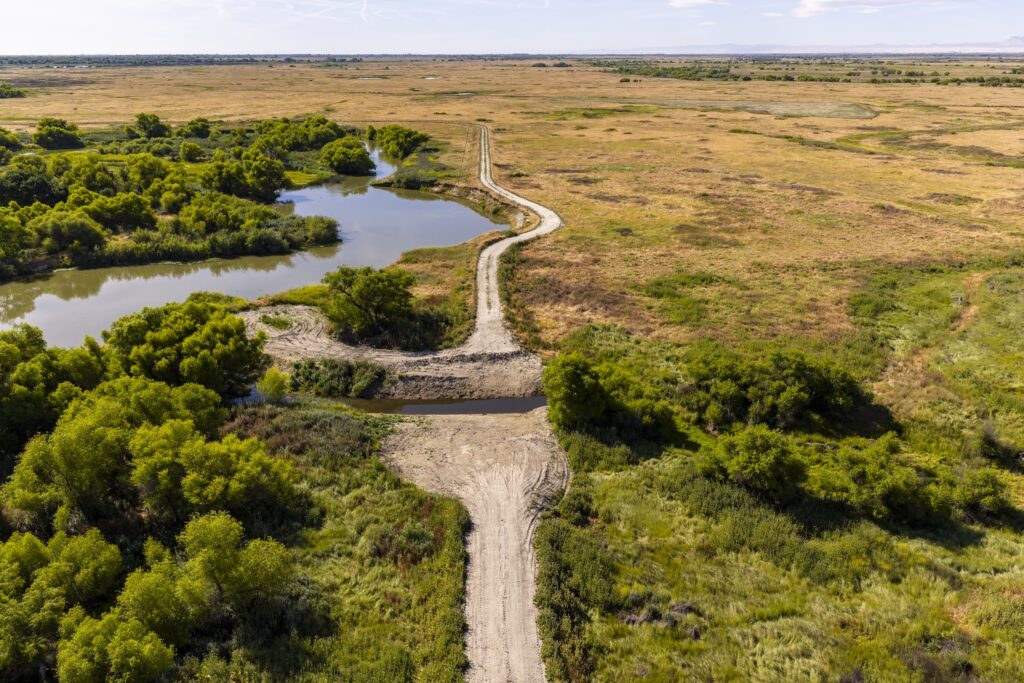
This event marked the completion of the Grasslands Floodplain Restoration Project, a monumental undertaking that has reconnected more than 220 acres of vital habitat. The project stands as a testament to the power of multi-agency collaboration and a pivotal shift in how California manages its interior landscapes, moving away from rigid containment toward the restoration of natural, fluid systems.
The Chronology of a Landscape Transformed
The story of the Great Valley Grasslands begins long before the modern restoration effort, rooted in an unexpected act of generosity. In 1982, Joseph Gallo, a dairy industry pioneer, donated thousands of acres of his Central Valley land to the state and the U.S. Fish and Wildlife Service. His vision was clear: the land was to be preserved for wildlife. However, the legacy of his dairy operation—a complex network of 1950s-era levees—remained, effectively acting as a barrier that disconnected the river from the very grasslands it was meant to nourish.
For decades, these obsolete levees choked the land, encouraging the spread of invasive species and preventing the natural, seasonal flooding necessary for native ecosystem health.
The path to restoration began in earnest roughly 15 years ago, when American Rivers, alongside the California Department of Parks and Recreation, River Partners, and Flow West, identified the site as a prime candidate for reconnection. What followed was a complex, non-linear journey defined by:
- 2011–2018: Initial assessments and the identification of funding streams via California’s Proposition 1 and Proposition 68.
- 2019–2023: Navigating a labyrinth of permitting requirements and environmental impact studies, coupled with the logistical nightmare of construction in a region defined by extreme weather variability.
- 2024–2025: Physical construction phases, which were frequently interrupted by high-water events that, while challenging for crews, underscored the very necessity of the project.
- February 2026: Final project completion, setting the stage for the celebratory reconnection in June.
Supporting Data: Why Floodplains Matter
The scientific consensus is clear: floodplains are among the most productive ecosystems on Earth. By breaching the levees, the project restores a biological rhythm that has been absent for nearly a century.
Ecological Benefits
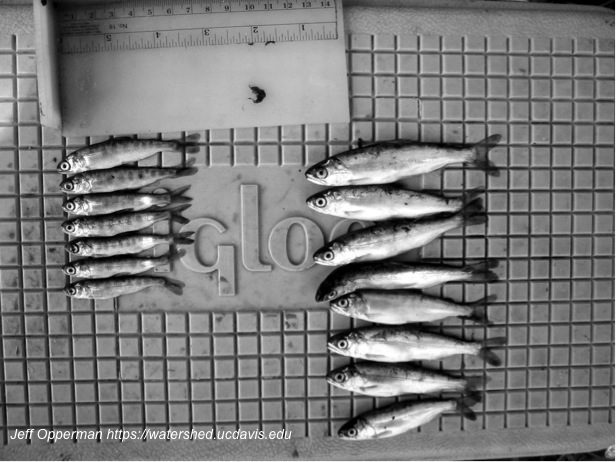
The restoration is specifically designed to aid the recovery of threatened and endangered species. Juvenile Chinook salmon, which have struggled in the main, fast-moving channels of the San Joaquin, will now have access to "nursery" habitats. These slow-moving, food-rich floodplains provide the shelter necessary for salmon to forage, grow, and gain the strength required to make their arduous journey to the ocean.
Furthermore, the seasonal flooding will create ephemeral "vernal pools." These temporary wetland ecosystems are critical for native amphibians, reptiles, and invertebrates. By mimicking natural water cycles, the project also forces out invasive, drought-tolerant exotic plants, allowing native grasses and wetland flora to re-establish their dominance.
Groundwater Recharge and Water Security
Beyond biodiversity, the project serves a critical human need: water security. The Central Valley has long grappled with significant aquifer depletion due to decades of intensive agricultural pumping. By allowing the river to spread across 220 acres, the project facilitates "managed flooding," which encourages water to percolate into the soil, replenishing the groundwater basin—a priority championed by project partners such as Cox Enterprises.
Official Responses and the "Relay" of Restoration
The ceremony held during California State Parks Week featured a distinguished lineup of speakers who emphasized the intergenerational nature of this work.
Ann Willis, California Regional Director for American Rivers, captured the sentiment of the day in a moving address, describing the project as a "relay." She noted that restoration is neither a sprint nor a marathon, but a hand-off of responsibility from one generation of stewards to the next.
"We are not just moving dirt or cutting levees," Willis remarked. "We are restoring the pulse of the river."
California Natural Resources Secretary Wade Crowfoot and State Parks Director Armando Quintero both echoed this sentiment, highlighting the shift in state policy toward "active restoration." Chairperson of the Northern Valley Yokut Ohlone Tribe, Kathy Perez, provided a vital cultural context, reminding attendees that the river’s health is inextricably linked to the history and future of the Indigenous peoples who have called this valley home for millennia.
The event also recognized the essential role of the private sector. Representatives from Cox Enterprises were in attendance, having traveled from Atlanta to view the fruits of their investment. Their partnership highlights a growing trend where corporate entities are increasingly looking to contribute to large-scale, nature-based climate solutions that offer measurable, long-term environmental dividends.
Implications for the Future: A "Park-Poor" Region Reborn
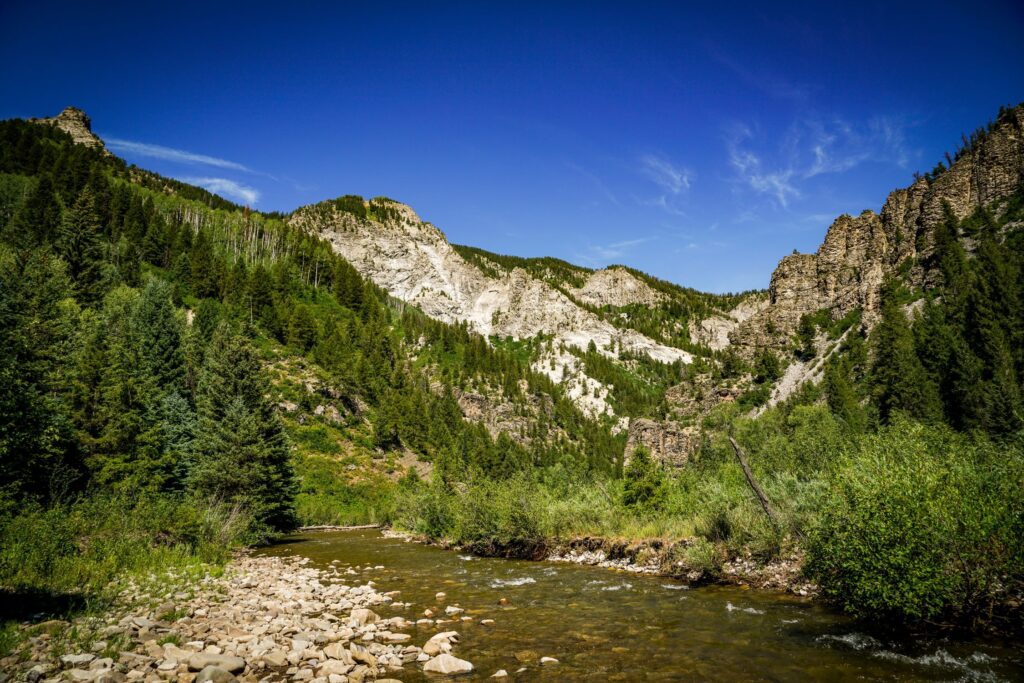
The completion of the Great Valley Grasslands restoration is not an isolated success; it is a blueprint for the future. Historically, the Central Valley has been labeled "park-poor," with the majority of California’s 280 state parks concentrated along the coast or in the high Sierra. The current administration, under Governor Gavin Newsom, is attempting to rectify this through the State Parks Forward initiative.
Improving Public Access
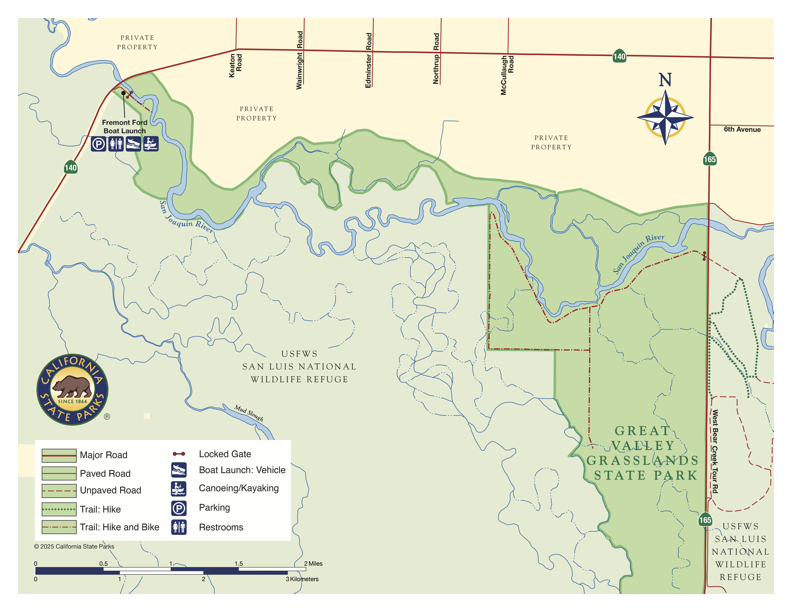
While the park currently lacks traditional amenities like visitor centers or extensive trail systems, the success of this restoration has prompted the California Department of Parks and Recreation to launch a formal General Plan. This plan aims to invite the public into the landscape, providing residents of the Central Valley with unprecedented access to their local riverfront.
The Road Ahead
The partnership between American Rivers and State Parks is already looking toward the horizon. With funding secured from the Wildlife Conservation Board, the team is currently working on an additional 1,000 acres of floodplain restoration north of the current project site.
The implications are far-reaching. As the San Joaquin River begins to flow onto its historic floodplain, the local ecosystem is already beginning to respond. Ongoing monitoring efforts—tracking everything from zooplankton levels to groundwater depth—will provide a data-rich feedback loop, ensuring that future restoration efforts are even more precise and effective.
The ribbon-cutting on June 11 was more than a ceremony; it was a reclamation. In an era often defined by environmental loss, the reconnection of the San Joaquin River stands as a beacon of what is possible when patience, scientific rigor, and community commitment align. The river is finally finding its way home, and in doing so, it is breathing new life into the heart of California.