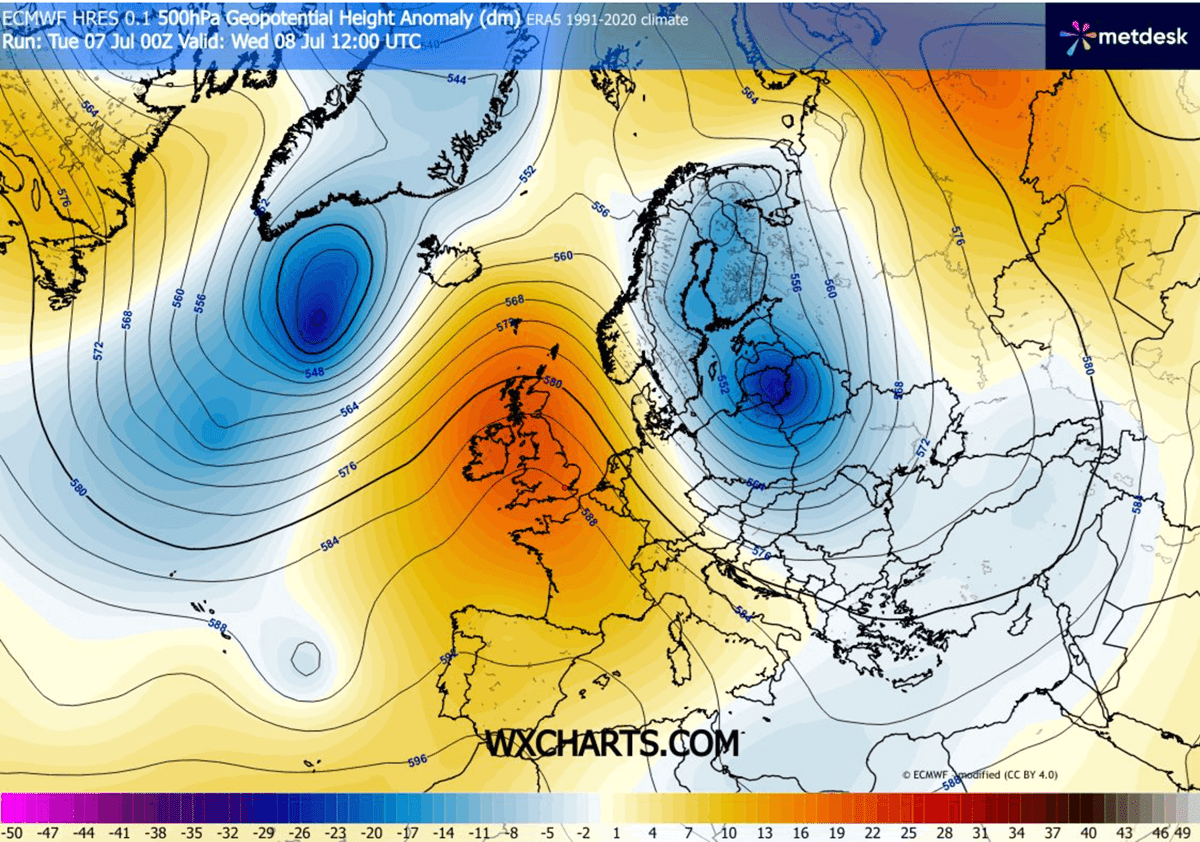
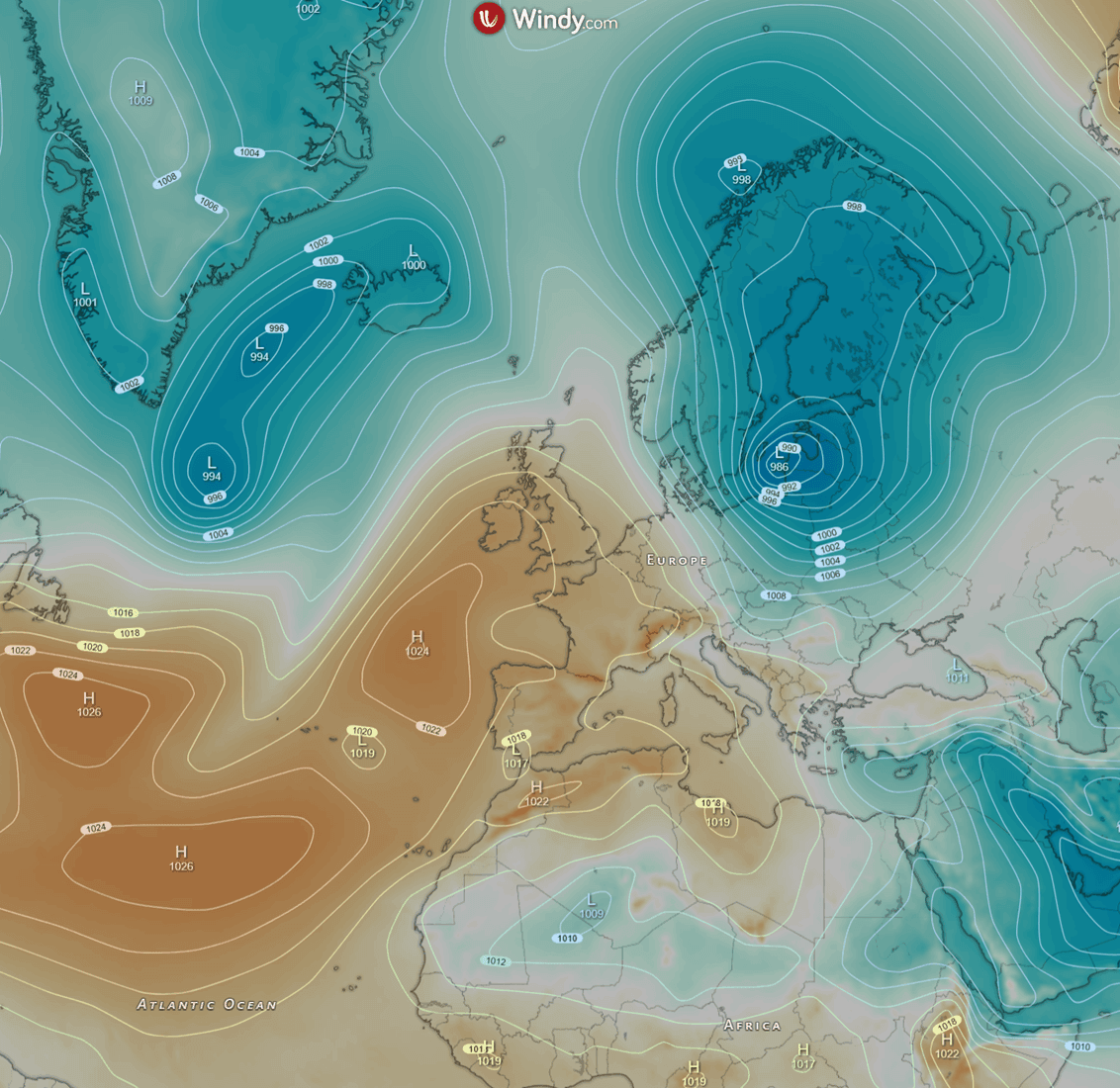
As July progresses, a relentless meteorological phenomenon has firmly gripped Southwestern Europe, casting a shadow of extreme danger across the continent. A massive, stationary upper-level ridge—commonly referred to as a "Heat Dome"—has locked into place, effectively severing the path of cooling maritime air from the Atlantic. This atmospheric blockade has turned the Iberian Peninsula and France into a crucible of record-breaking heat, with forecasts indicating that the thermal stress will not only persist but expand northward and eastward well into mid-July.
The Anatomy of the Crisis: A Persistent Atmospheric Blockade
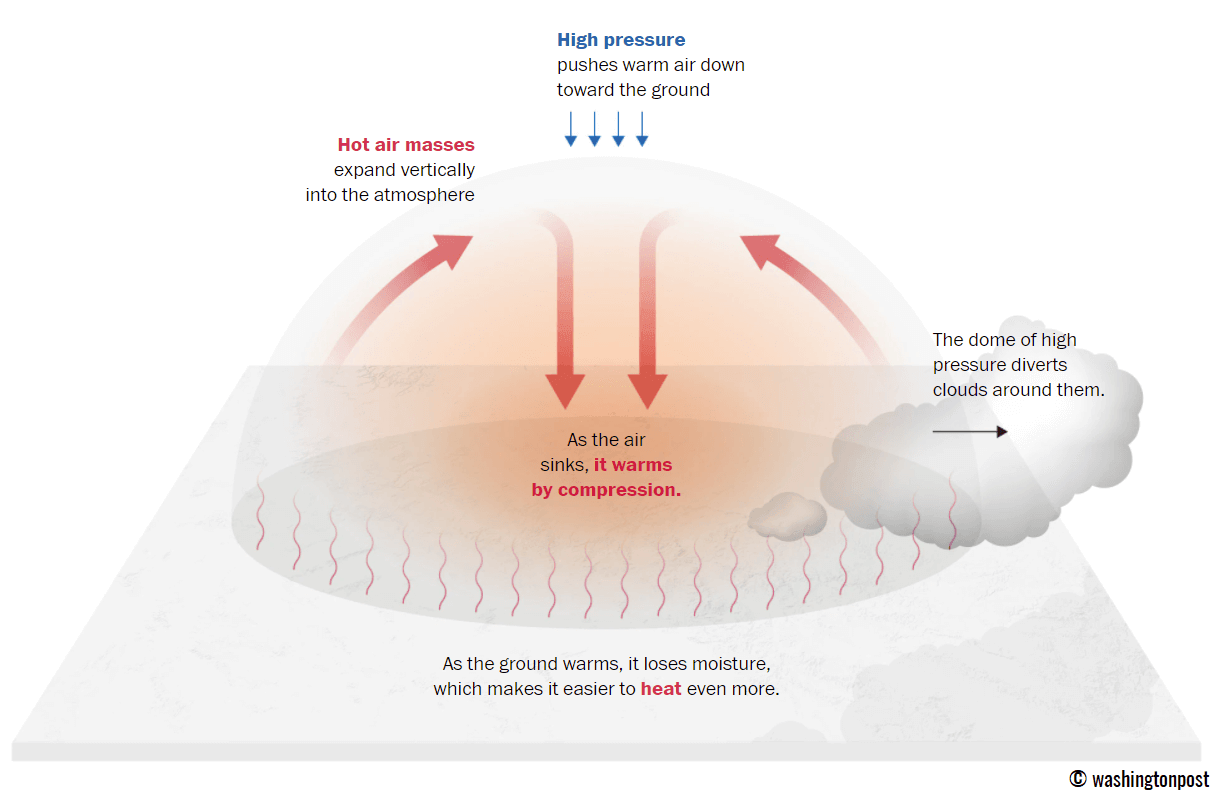
The current weather pattern is defined by a high-pressure system of exceptional stability. Much like a lid placed over a boiling pot, this Heat Dome traps warm air at all levels of the atmosphere. The mechanism is a self-reinforcing cycle: the high-pressure system forces air to sink toward the surface, which causes the air to compress and heat up rapidly. Because the system is structurally stable, it remains parked over Western Europe, preventing the typical movement of weather fronts that would otherwise provide relief.

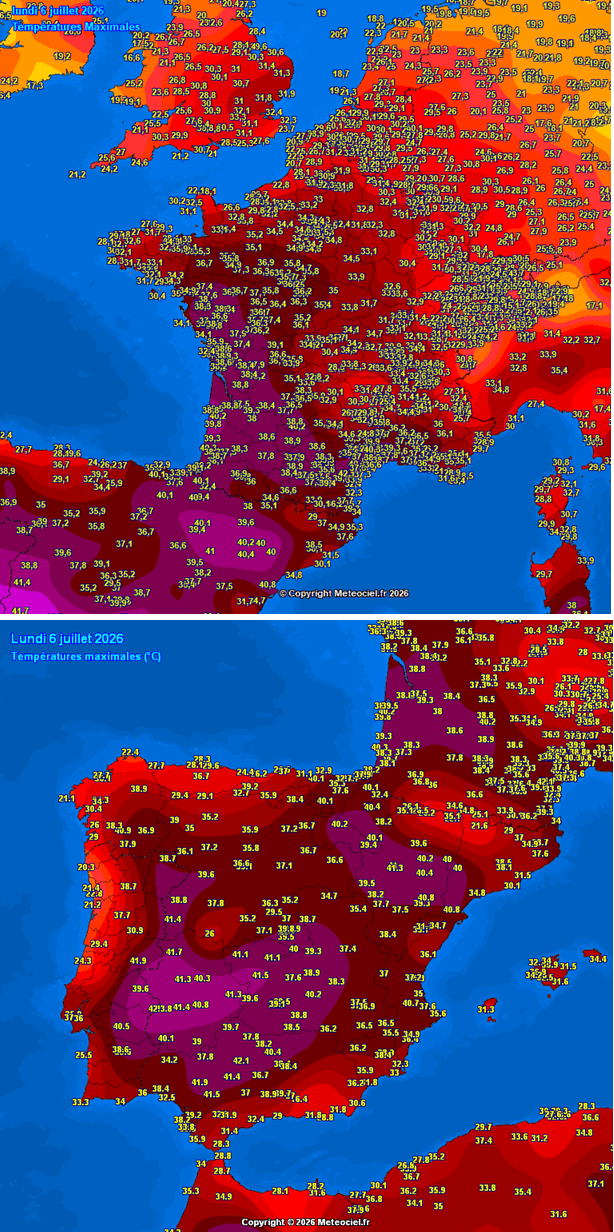
This is not merely a temporary summer spike; it is a prolonged period of extreme regional thermal stress. Daytime temperatures are consistently trending 10 to 15°C above historical seasonal norms. In the hardest-hit regions of Spain, Portugal, and Southern France, thermometers are already testing the low to mid-40s (°C), creating conditions that are hazardous to both human health and local ecosystems.
Chronology of the Heatwave: From Late May to Mid-July
The current catastrophe is an escalation of a summer already defined by climate extremes. Europe began its ordeal with a record-breaking hot spell in late May, followed by a historic, widespread heatwave in late June that obliterated hundreds of monthly and all-time station records.
As we move through the second week of July, the "Heat Dome" is evolving:
- Early July: Initial excessive heat dominated the Iberian Peninsula and Southern France, with sustained temperatures above 40°C.
- The Weekend Ahead: Forecast models indicate the ridge will strengthen, expanding its reach from the southwest toward Northern France and the British Isles.
- Mid-July Projection: The heatwave is expected to push eastward, significantly affecting Germany, the Benelux region, Northern Italy, and the Balkan Peninsula.
Unlike the June heatwave, which saw brief interludes of relief, this system is characterized by a failure in the overnight cooling cycle. Major urban centers, including Madrid, are reporting "tropical nights," where temperatures refuse to drop significantly, denying residents and infrastructure the necessary time to dissipate the accumulated heat of the day.
Supporting Data: Meteorological Indicators
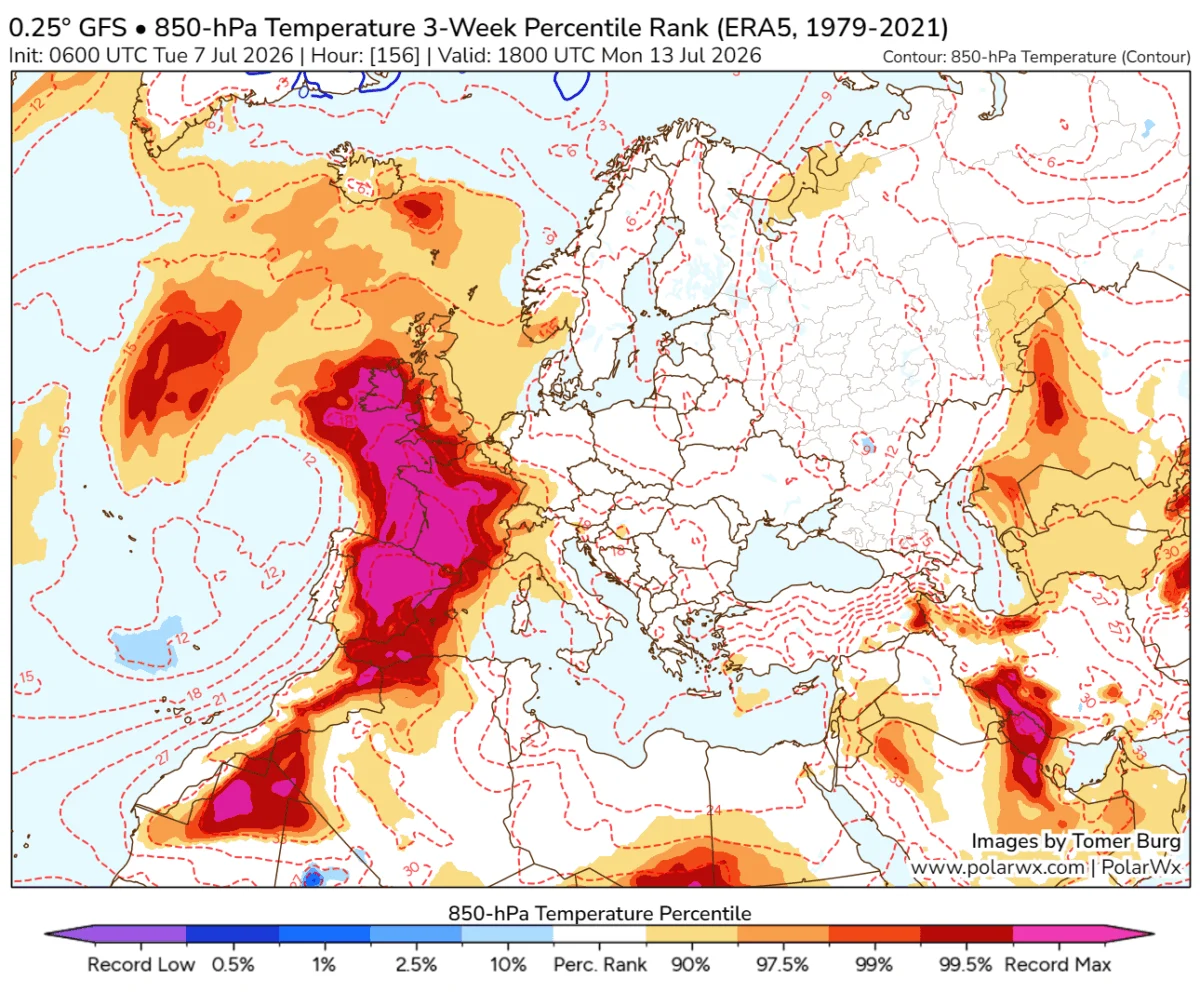
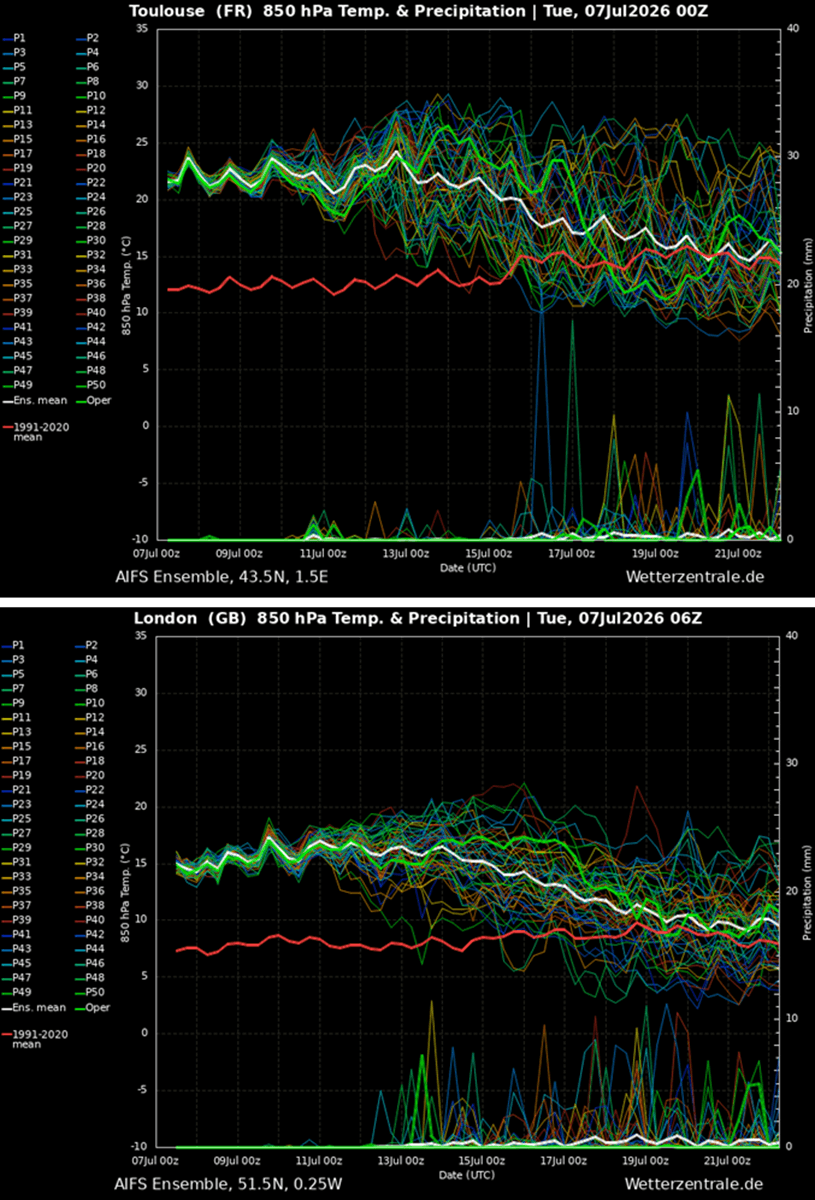
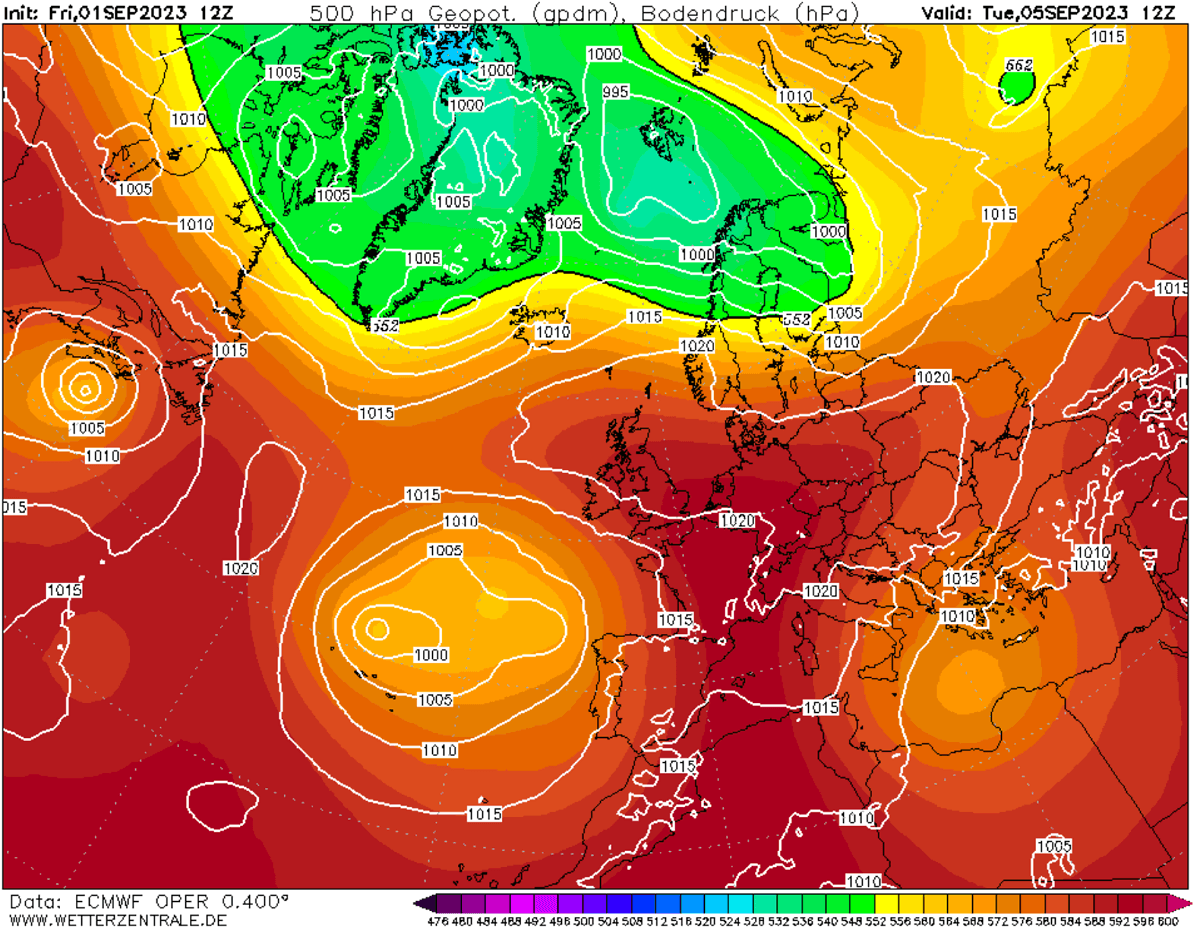
Meteorological data from both the ECMWF (European Centre for Medium-Range Weather Forecasts) and the GFS (Global Forecast System) provide a sobering outlook. The 500 mbar geopotential heights and 850 mbar temperatures are currently tracking at near-record levels.
The compression of the air mass is creating a surge in surface pressure, which further discourages any cloud formation or precipitation. With rapid evaporation rates, soil moisture—already depleted from the May and June records—is reaching critical deficits. This lack of moisture in the ground creates a feedback loop: dry soil cannot cool the air through evaporation, leading to even higher surface temperatures. Current anomalies are sitting at 12–16°C above the mid-July mean, with western and central France remaining the epicenter of this anomalous warmth.
The Human and Ecological Cost: Implications
The implications of such prolonged, intense heat are far-reaching, affecting public health, the economy, and the environment.
Public Health Risks
The most immediate concern is the impact on human life. Vulnerable populations—the elderly, children, and those with pre-existing cardiovascular or respiratory conditions—are at the highest risk. Prolonged exposure to heat, especially without the relief of cooler nights, leads to heat exhaustion and, if left untreated, fatal heatstroke.
Furthermore, the "Heat Index" is becoming a critical metric. As humidity levels fluctuate, the perceived temperature often far exceeds the actual air temperature, placing an immense strain on the human body’s ability to regulate its internal temperature. Occupational groups, particularly those in agriculture and construction, face extreme risks, as their work is often tethered to the hottest hours of the day.
Environmental and Wildfire Crisis
The environmental consequences are equally dire. The combination of parched vegetation and extreme heat has created an "extreme" wildfire risk vector. Destructive fires are already burning across Portugal, Spain, and Southern France. With relative humidity at dangerously low levels, these fires are proving difficult for emergency services to contain. The fire danger is expected to remain "extreme" as long as the Heat Dome persists, as the lack of precipitation ensures that the landscape remains a tinderbox.
Urban Heat Islands
Urban areas are suffering disproportionately due to the "urban heat island" effect. Concrete, asphalt, and other heat-trapping surfaces absorb solar radiation throughout the day and radiate it back into the environment at night. In densely populated cities like Madrid, Paris, or London, this prevents nighttime cooling, exacerbating the physiological stress on residents who lack access to air conditioning or green spaces.
Official Responses and Long-Range Outlook
Governmental agencies across Europe have begun issuing red-level heat warnings, urging citizens to limit outdoor activity, stay hydrated, and check on vulnerable neighbors. Emergency services are being placed on high alert, with fire crews working in rotation to manage the surge in wildfire activity.
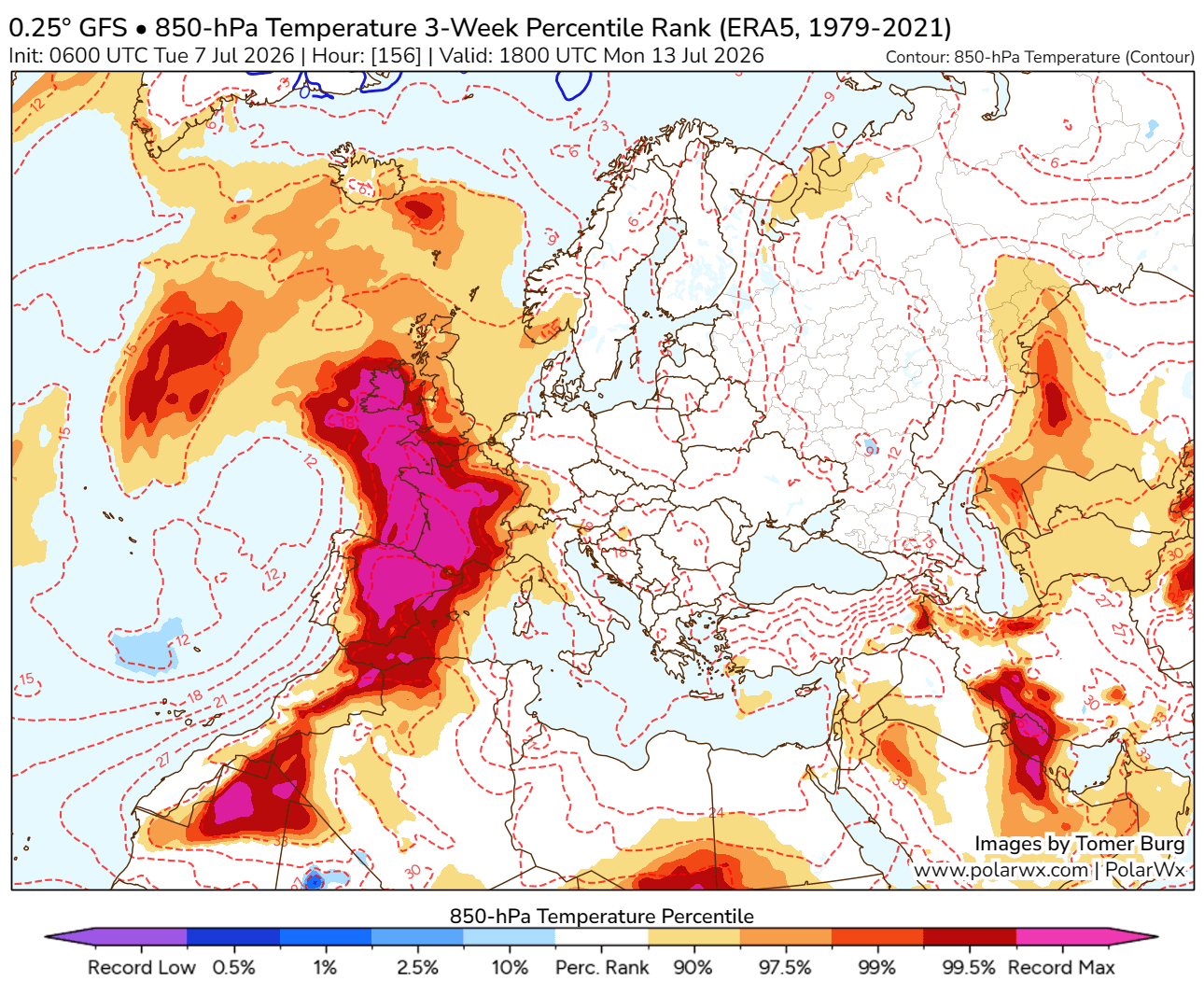
Looking toward the horizon, the outlook remains concerning. The medium-range ensemble guidance suggests that the ridge will maintain its structural integrity for at least another week. While the British Isles may see a brief stabilization in the mid-30s, the heat dome’s eastward shift threatens to bring similar, record-challenging temperatures to Central Europe and the Balkans by early next week.
The persistent nature of this weather pattern serves as a stark reminder of the evolving climate landscape. As the atmosphere remains trapped under this immense high-pressure system, the primary defense for the public remains caution and awareness. Meteorologists continue to monitor the situation, but the current consensus is clear: Europe is facing a prolonged endurance test against one of the most intense and widespread heat events in recent history.
As this situation continues to evolve, authorities advise all residents in affected zones to adhere to local government guidelines, prioritize hydration, and stay updated via official meteorological channels. The fight against this Heat Dome is far from over, and the coming days will be critical in determining the extent of the impact on the continent’s infrastructure and public well-being.