In a significant stride for India’s ambitious energy transition, the Avaada Group has successfully finalized a massive $1.3bn (Rs123.89bn) financing package to accelerate the development of a 2.15GW renewable energy portfolio. This capital injection, secured through a consortium of premier Indian financial institutions, marks a pivotal moment in the nation’s quest to decentralize power generation and enhance grid stability across the key industrial states of Maharashtra and Gujarat.
Main Facts: A Strategic Capital Infusion
The financing package, orchestrated through four dedicated special purpose vehicles (SPVs), represents one of the most substantial capital commitments in the Indian renewable sector this year. The funding was provided by a powerhouse group of lenders, including the Rural Electrification Corporation (REC), the State Bank of India (SBI), and Canara Bank.
The portfolio supported by this capital is divided into two primary segments:
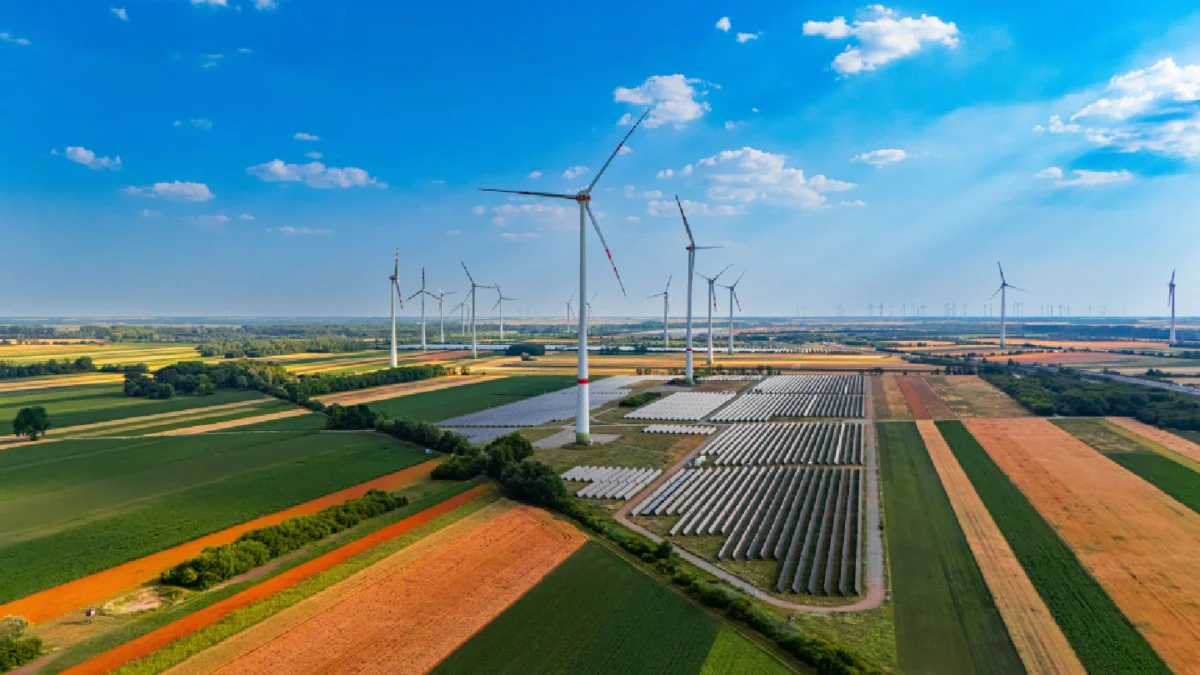
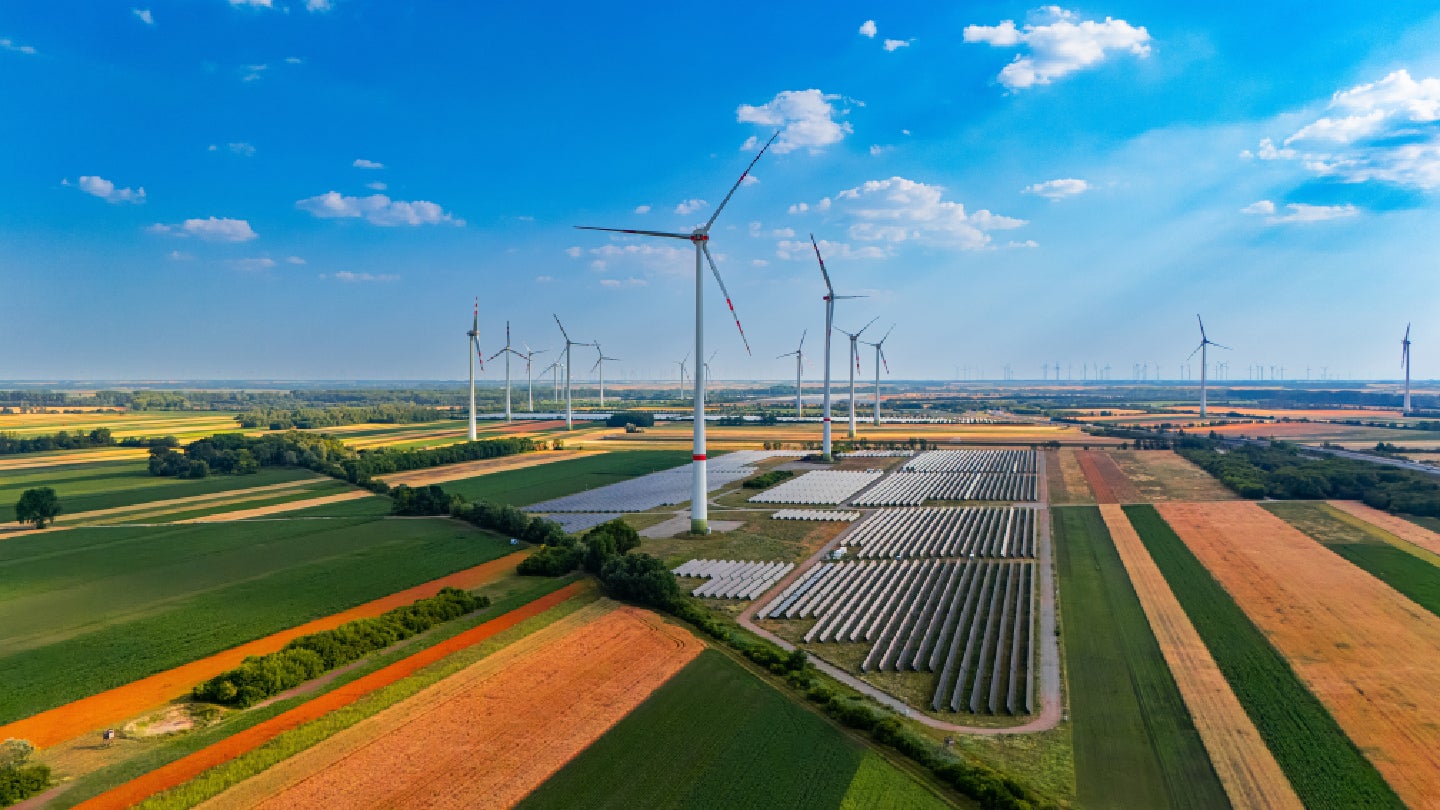
- Hybrid Renewable Projects (1.35GW): These projects integrate solar and wind technologies to create a more consistent, dispatchable energy output, specifically designed to mitigate the intermittency issues traditionally associated with solar or wind power alone.
- Utility-Scale Solar Projects (800MW): These assets are aimed at delivering high-volume, low-cost electricity under long-term Power Purchase Agreements (PPAs) with state-owned utilities.
The underlying infrastructure for these projects involves the construction of more than 3GW of solar capacity and 450MW of wind capacity, highlighting the scale of hardware deployment required to meet the 2.15GW generation target.
Chronology: Building the Momentum
The success of this funding round is the culmination of a broader, long-term strategic roadmap adopted by the Avaada Group. While the current financial close marks the start of the primary construction phase, the groundwork has been laid over several years.
- Initial Project Conceptualization: Avaada identified Maharashtra and Gujarat as strategic hubs due to their high industrial power demand and robust solar and wind irradiation profiles.
- February 2025 – Expanding Horizons: Demonstrating its long-term commitment to the national grid, Avaada Group entered into a landmark Memorandum of Understanding (MoU) with the Government of Madhya Pradesh. This agreement pledged an investment of Rs500bn to significantly ramp up renewable energy capacity in the state, signaling to investors that Avaada was positioning itself as a dominant national player.
- Mid-2025 – Negotiating the Consortium: Throughout the first half of the year, Avaada engaged with REC, SBI, and Canara Bank to structure the complex debt financing required for the 2.15GW portfolio.
- August 2026 – Financial Close: The formal announcement of the $1.3bn funding allows for the immediate scaling of procurement and civil work, effectively moving the project from the planning stage to active site development.
Supporting Data: Infrastructure and Technical Scope
The technical architecture of the 2.15GW portfolio is designed to address the specific pain points of India’s state-run distribution companies, most notably the Maharashtra State Electricity Distribution Company (MSEDCL) and the Gujarat Urja Vikas Nigam (GUVNL).
The Hybrid Advantage
The 1.35GW hybrid segment is a cornerstone of this investment. By layering wind and solar assets, the project aims to optimize the "Capacity Utilization Factor" (CUF). During the day, solar panels capture peak sunlight, while the wind components—often more active during evening or monsoon months—provide a complementary energy profile. This hybrid approach is specifically engineered to improve power supply reliability for MSEDCL, which has faced increasing pressure to balance its load as industrial demand in Maharashtra continues to surge.
The Solar Backbone
The 800MW utility-scale solar projects operate under rigid, long-term contracts. By locking in electricity rates at competitive levels, GUVNL and MSEDCL can hedge against the volatility of fossil fuel prices, such as coal and natural gas. The construction of 3GW of cumulative solar capacity across the portfolio ensures that even with transmission losses and equipment downtime, the promised 800MW delivery can be maintained consistently.
Official Responses: The Vision for Energy Security
Vineet Mittal, Chairman of the Avaada Group, emphasized that the financing is not merely a corporate milestone but a vital contribution to India’s broader energy security.
"India’s clean energy journey now demands not only rapid capacity addition but also reliable, dispatchable, and cost-competitive renewable power that strengthens energy security while supporting economic growth," Mittal stated during the announcement.
He highlighted the strategic intent behind the hybrid designs: "Our hybrid projects have been designed to deliver greater reliability and grid stability. By providing affordable, clean electricity to Maharashtra and Gujarat under long-term power purchase agreements, we are insulating the states from global fuel price shocks and fostering a more sustainable industrial ecosystem."
Industry analysts note that Mittal’s focus on "dispatchable" power addresses the primary concern of state utility regulators: how to manage the grid when the sun goes down or the wind stops blowing. By investing in hybrid models, Avaada is effectively moving away from simple "commodity" renewable energy toward "value-added" grid services.
Implications for the Indian Energy Market
The successful financing of this portfolio carries significant implications for the future of India’s green energy sector:
1. Scaling Through Financial Sophistication
The involvement of REC and India’s largest public sector bank, SBI, indicates a high level of institutional confidence in the renewable energy sector. It suggests that Indian lenders have moved past the initial risks associated with renewable projects and are now comfortable providing large-scale, long-term debt for complex, multi-technology hybrid assets.
2. Strengthening State Utilities
For MSEDCL and GUVNL, the arrival of this capacity is timely. As both states push for "Green Industry" status to attract foreign investment, they require a constant supply of renewable power to offer to manufacturers. The long-term nature of these PPAs provides these utilities with the fiscal predictability needed to manage their often-strained balance sheets.
3. De-carbonization of the Industrial Corridor
The geographic focus on Maharashtra and Gujarat—the two largest contributors to India’s GDP—is intentional. By decarbonizing the power supply in these states, Avaada is helping to lower the carbon footprint of India’s manufacturing sector. This is increasingly critical as global markets begin to implement "Carbon Border Adjustment Mechanisms" (CBAM) or similar regulations that penalize exports produced with carbon-intensive energy.
4. A Template for Future Development
Avaada’s strategy of combining hybrid projects with utility-scale solar offers a blueprint for other Independent Power Producers (IPPs). The focus on "disciplined capital deployment" and "contracted revenues" acts as a hedge against market volatility, making the sector more attractive to both domestic banks and international institutional investors, such as pension funds and ESG-focused private equity firms.
Conclusion
The Avaada Group’s $1.3bn financing deal is more than a financial transaction; it is a signal of the maturation of India’s renewable energy market. By shifting the focus toward reliability and grid-integrated hybrid solutions, Avaada is helping to solve the "last mile" challenges of the energy transition. As these 2.15GW of projects move toward full commissioning, they will serve as a bedrock for the economic and environmental aspirations of Maharashtra and Gujarat, reinforcing India’s position as a global leader in the transition away from fossil fuels. With the continued backing of major financial institutions, Avaada is well-positioned to maintain its aggressive growth trajectory, setting the stage for even larger commitments in the coming decade.