In the landscape of modern Finnish sports, a quiet revolution is taking place on the tracks and in the jumping pits. The Finnish Athletics Federation (Suomen Urheiluliitto) has launched a strategic initiative known as the "Hätäilemättä huipulle" (To the Top Without Haste) path. At the heart of this developmental philosophy lies the Tulevat Tähdet (Future Stars) versatility competition—a transformative program designed to pivot youth athletics away from early specialization and toward a holistic, multi-disciplinary foundation.
As the sedentary nature of modern childhood threatens long-term physical literacy, the athletics community is responding with a bold, data-driven approach that prioritizes movement, variety, and the joy of participation.
The Philosophy of Versatility: Main Facts and Strategy
The core mandate of the Tulevat Tähdet program is simple yet profound: encourage young athletes to engage in the widest possible range of events rather than pigeonholing them into a single discipline before their physical and mental maturity allows.
In Hämeenlinna, the local athletics powerhouse Hämeenlinnan Tarmo has become a blueprint for this transition. According to Annika Rosberg-Haavisto, the club’s director of athletic operations, the organization’s entire structure is built upon a foundation of multi-event training.
"Children grow and develop at vastly different rates," Rosberg-Haavisto explains. "Especially during the peak growth spurt years, the physiological differences between peers can be immense. It is crucial that children have the opportunity to experiment with various disciplines, and we as a club are committed to facilitating that exploration. We utilize a multi-event training model up to the 17-year-old age group. This not only builds a robust athletic base but also fosters a lifelong love for movement, whether the athlete eventually pursues elite competition or simply maintains a healthy, active adult lifestyle."
Chronology of a Shift: Moving Beyond Specialization
The shift toward the Tulevat Tähdet model did not happen overnight. It represents a deliberate departure from the trends of the last two decades, which saw children entering organized sports at younger ages, only to face early burnout or injury due to repetitive strain and narrow skill sets.
- Initial Identification (2020–2022): The Finnish Athletics Federation, in collaboration with the Olympic Committee, identified a decline in fundamental motor skills among youth. Data suggested that "lajivalinta" (early discipline selection) was becoming a barrier to retention.
- Pilot Phase (2023–2024): Clubs like Hämeenlinnan Tarmo began experimenting with "mini-heptathlons" and integrated competition days where registration for one event automatically enrolled the child in three.
- Widespread Implementation (2025–2026): The Tulevat Tähdet initiative became a national standard, incentivizing clubs to track participation across a broader spectrum of events.
- Current Status: The program is now entering a phase of expansion, with calls to extend the versatility model into the 14–15-year-old age brackets to maintain engagement during the critical mid-teen transition.
Supporting Data: The Case for Variety
The results of this transition are reflected in both participation numbers and athlete feedback. The data reveals that when barriers to entry are lowered, participation increases across typically "niche" events.
Rosberg-Haavisto highlights the tangible impact on specific disciplines: "In race walking, for instance, the number of participants has skyrocketed since the introduction of the versatility competition. We have seen similar growth in hammer throw and pole vault—disciplines that were once considered ‘advanced’ or intimidating are now standard parts of the weekly competitive cycle for our younger athletes."
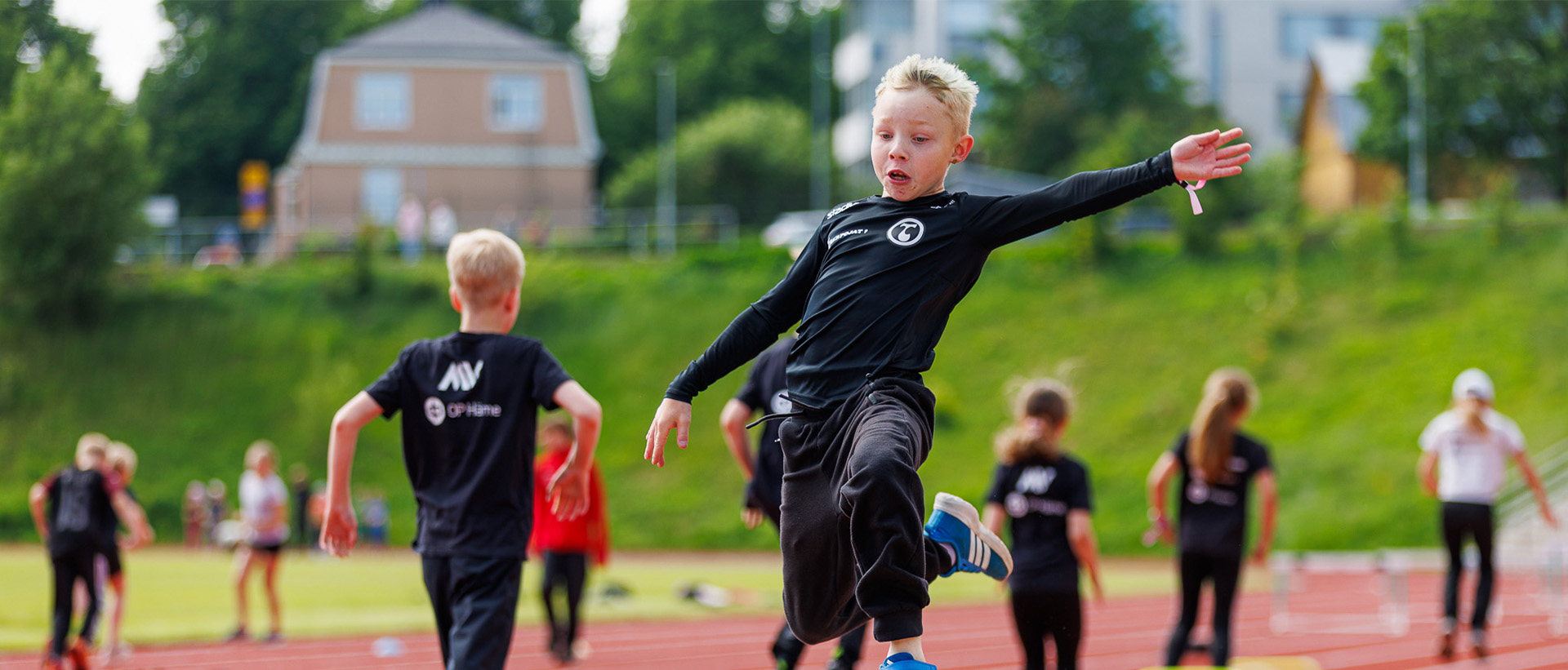
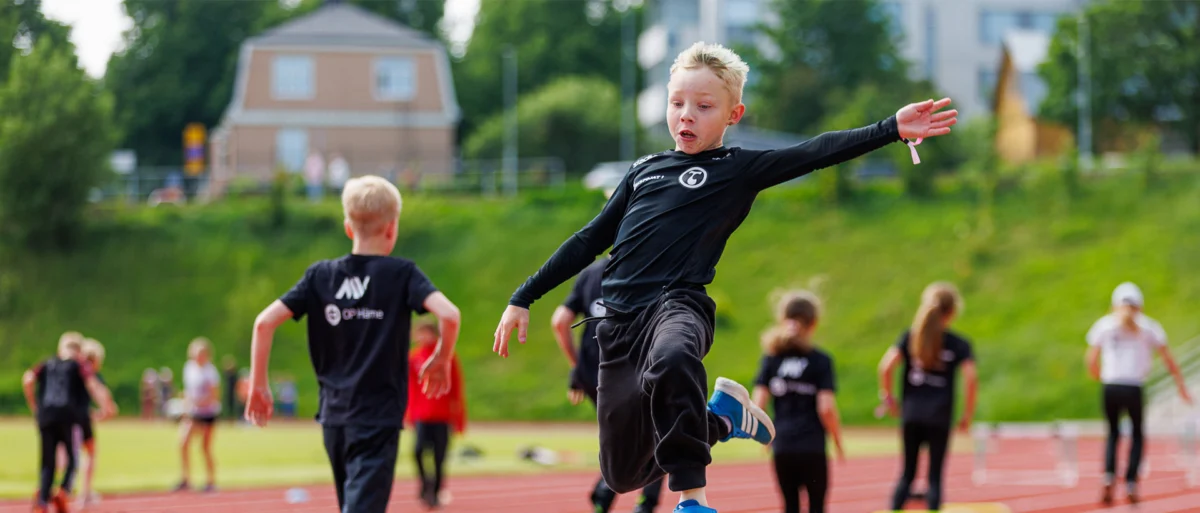
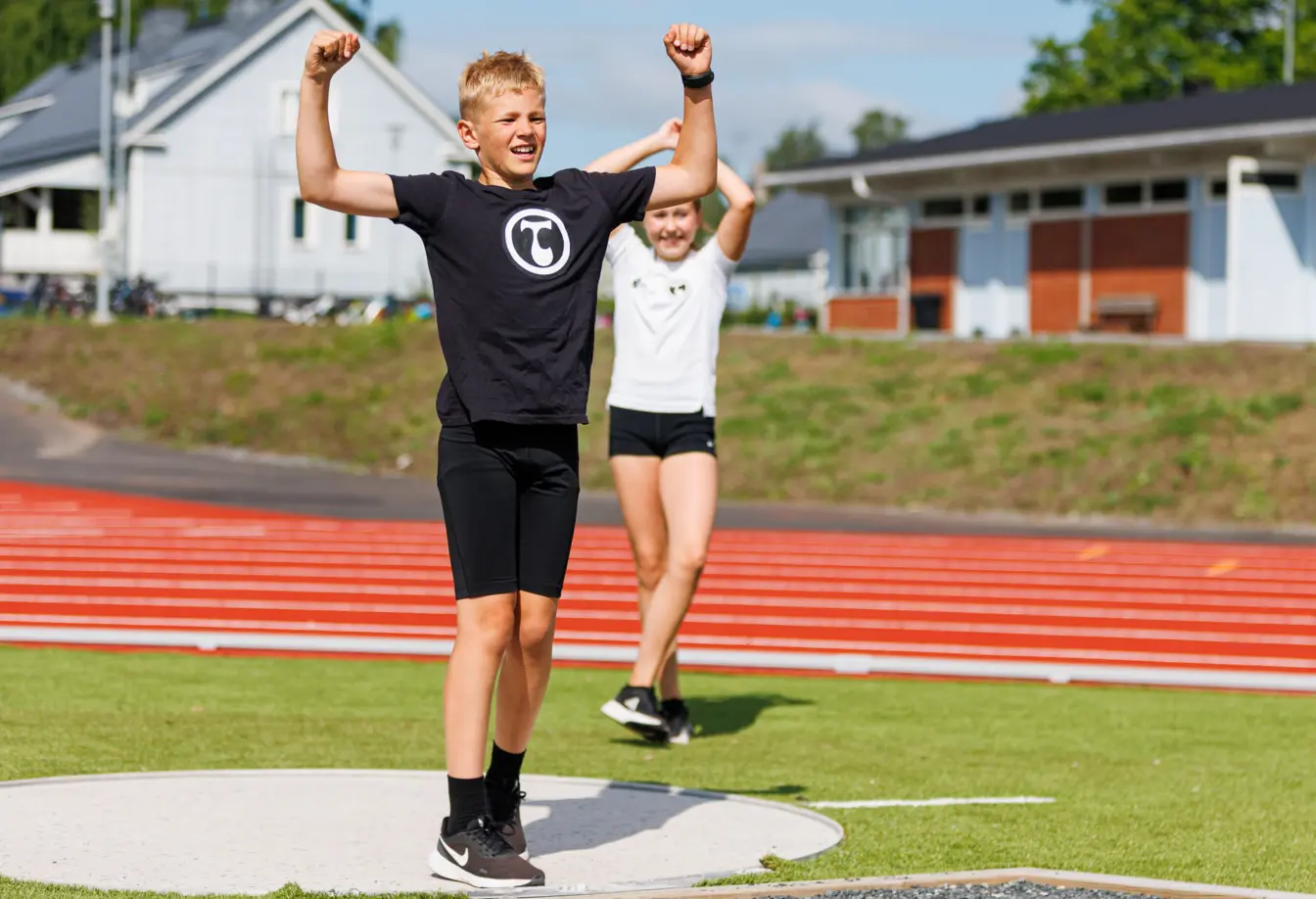
The success of the program is not just in the numbers; it is in the athlete experience. 11-year-old Julius Kelo and 12-year-old Eelin Mielonen, both active in the program, view the multi-event approach as a liberation from the pressure of perfectionism.
"The best part is that I get to try events I wouldn’t have chosen on my own," says Kelo. "It’s about volume and exposure. If I want to be a decathlete when I grow up, the versatility I’m learning now is the perfect foundation."
Mielonen adds a critical perspective on the psychological benefits: "Because the competition spans the whole year, a single bad race or a missed jump doesn’t ruin your season. You can accumulate results throughout the year, which keeps the motivation high. It takes away the ‘all-or-nothing’ pressure."
Official Responses: A National Imperative
The initiative is part of a broader, national-level response to the "crisis of movement." The Finnish Olympic Committee, alongside 40 national sports federations, has acknowledged that the status quo is failing.
Official statements from the governing bodies highlight several concerning trends:
- Declining Physical Literacy: Reduced daily activity has led to a degradation of basic motor skills.
- Early Dropout Rates: The pressure of early specialization is driving children out of organized sport before they even reach high school.
- The "Efficiency Trap": The false belief that early specialization leads to better long-term outcomes for elite performance is being debunked by international research, which instead points to "sampling" as the key to long-term success.
"We are at a crossroads," an Olympic Committee spokesperson noted. "Our goal is to ensure that every Finnish child can find the joy of sports. That means creating an environment where children can belong, dream, and participate on their own terms, without the premature weight of elite-level expectations."
Implications: Building the Future of Finnish Athletics
The implications of the Tulevat Tähdet model are far-reaching, extending well beyond the track. By normalizing the "multi-sport" athlete, the Finnish athletics community is effectively building a more resilient, injury-resistant, and mentally agile generation.
1. Retention and Longevity
By removing the focus from single-event performance, clubs are seeing higher retention rates. When children feel successful in multiple areas—whether it’s a personal best in the long jump or simply completing a race walk—they are more likely to remain within the sporting ecosystem.
2. The "Mini-Event" Innovation
The practice of bundling events, as seen in Hämeenlinnan Tarmo, is a low-cost, high-impact administrative change that could be replicated in other sports. By removing the friction of multiple sign-ups and normalizing "mixed-gender heats," the federation is fostering a more inclusive and less intimidating competitive environment.
3. Shaping the 14–15 Age Gap
The current advocacy to extend these concepts to older youth is perhaps the most critical next step. The 14–15 age range is a period of high attrition in sports. By introducing a secondary "versatility incentive" for these teenagers, the federation hopes to keep them in the sport until they are physically and mentally prepared for the specialized rigors of senior athletics.
4. A Model for Other Nations
Finland’s approach provides a valuable case study for the global sports community. As other nations grapple with the rise of sedentary lifestyles, the Finnish focus on Hätäilemättä huipulle—"To the Top Without Haste"—serves as a reminder that the fastest way to build a champion is, ironically, to take the time to build a well-rounded human being first.
Conclusion: The Joy of the Process
The Tulevat Tähdet program is more than just a set of rules for track and field competitions. It is a fundamental shift in the culture of Finnish youth sports. By valuing the breadth of a child’s athletic experience over the depth of their performance in a single event, the Finnish Athletics Federation is protecting the long-term potential of its youth.
As Julius Kelo and Eelin Mielonen continue to jump, run, and throw their way through their formative years, they are doing so with a toolkit of skills that will serve them for a lifetime. Whether they stand on an Olympic podium or simply run for the joy of it in their 40s, they are proof that the best investment a nation can make is in the versatility and well-being of its future stars.
The message from the track is clear: in the race to the top, the best strategy is to keep the path open, the variety high, and the focus on the joy of the journey itself.