An unrelenting atmospheric furnace is currently tightening its grip on the Iberian Peninsula, as a dangerous and record-shattering heatwave prepares to push temperatures into the staggering 45°C to 47°C range. As a stubborn, high-pressure "heat dome" anchors itself over Southwestern Europe, meteorological authorities are sounding the alarm, warning that this thermal anomaly could rank among the most intense and hazardous early-summer events in modern history.
For millions of residents across Spain and Portugal, this is not merely a seasonal warm-up. It is a profound, life-threatening meteorological event characterized by a massive influx of superheated air drawn directly from the heart of the Sahara Desert. As this air mass settles, it threatens to push human physiological endurance and regional infrastructure to their absolute breaking points.

The Mechanics of the Heat Dome
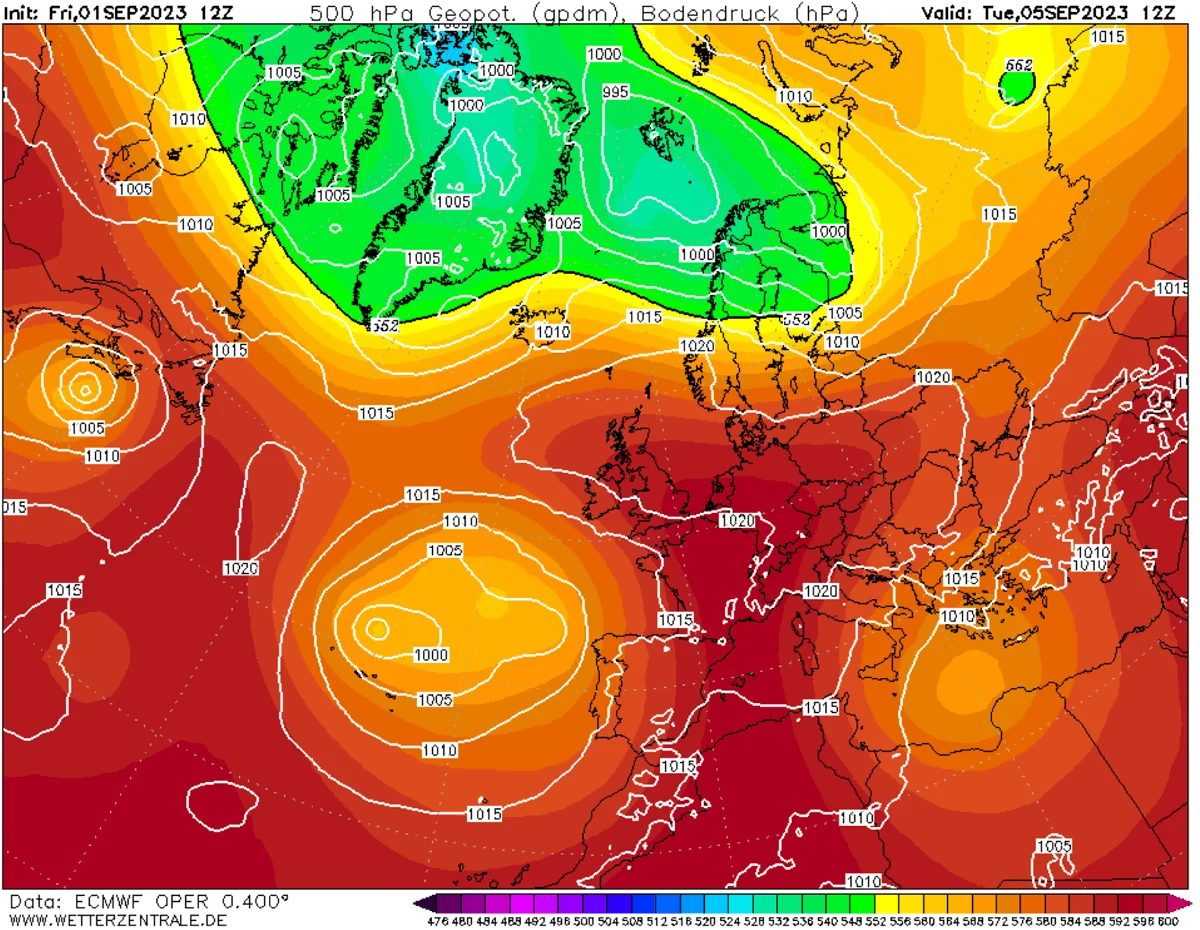
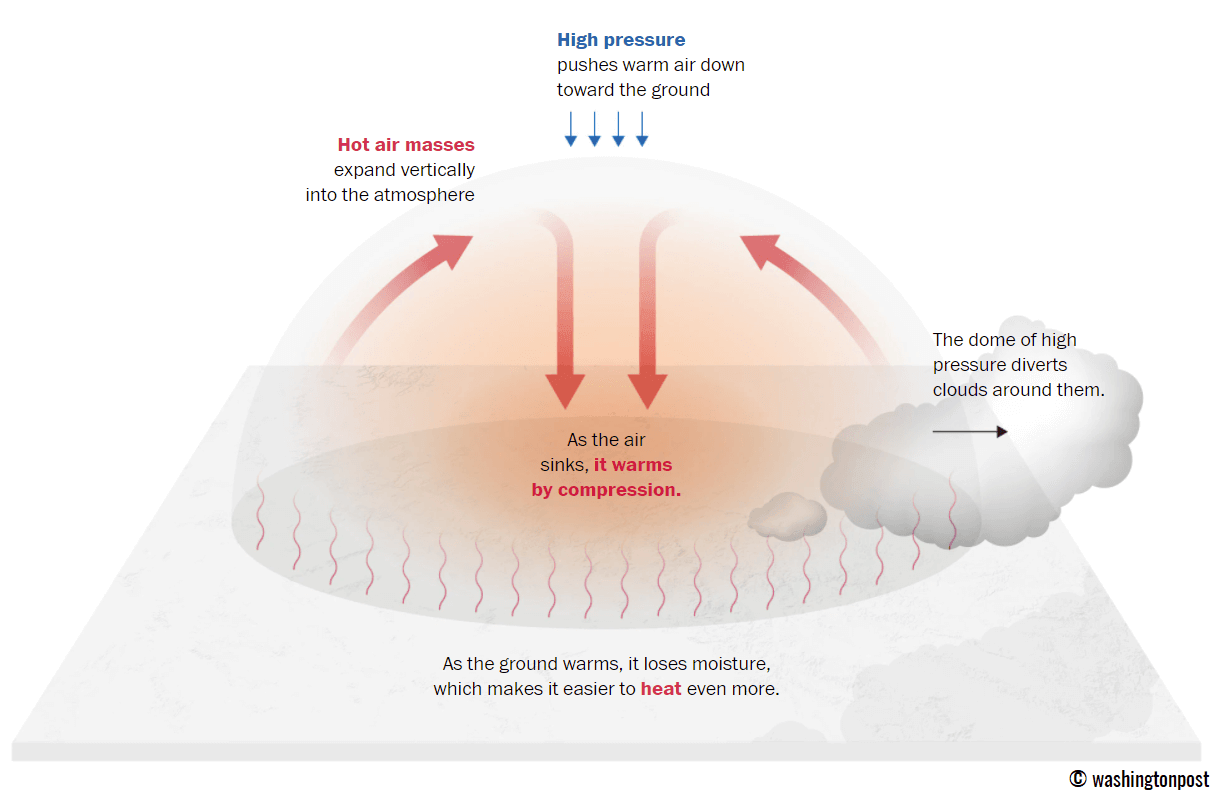
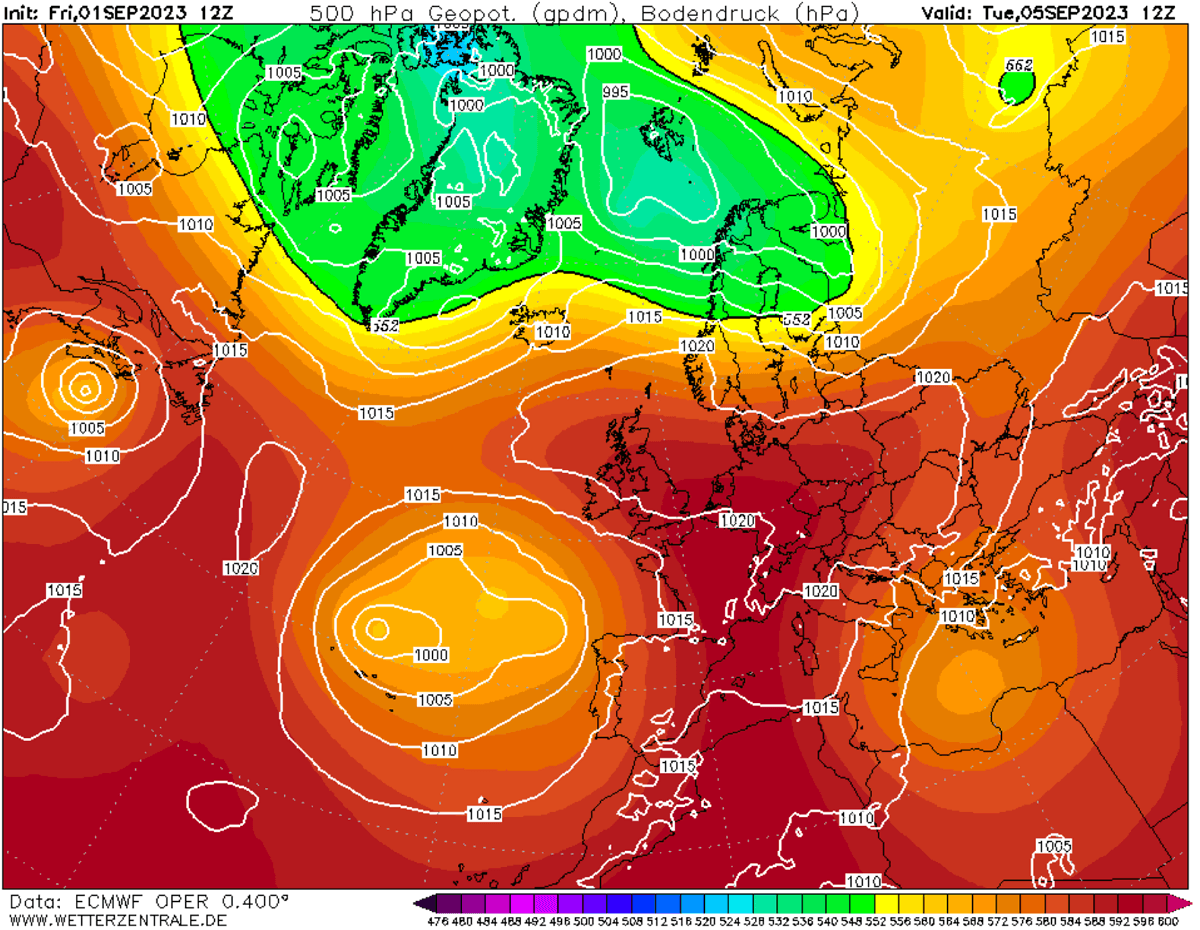
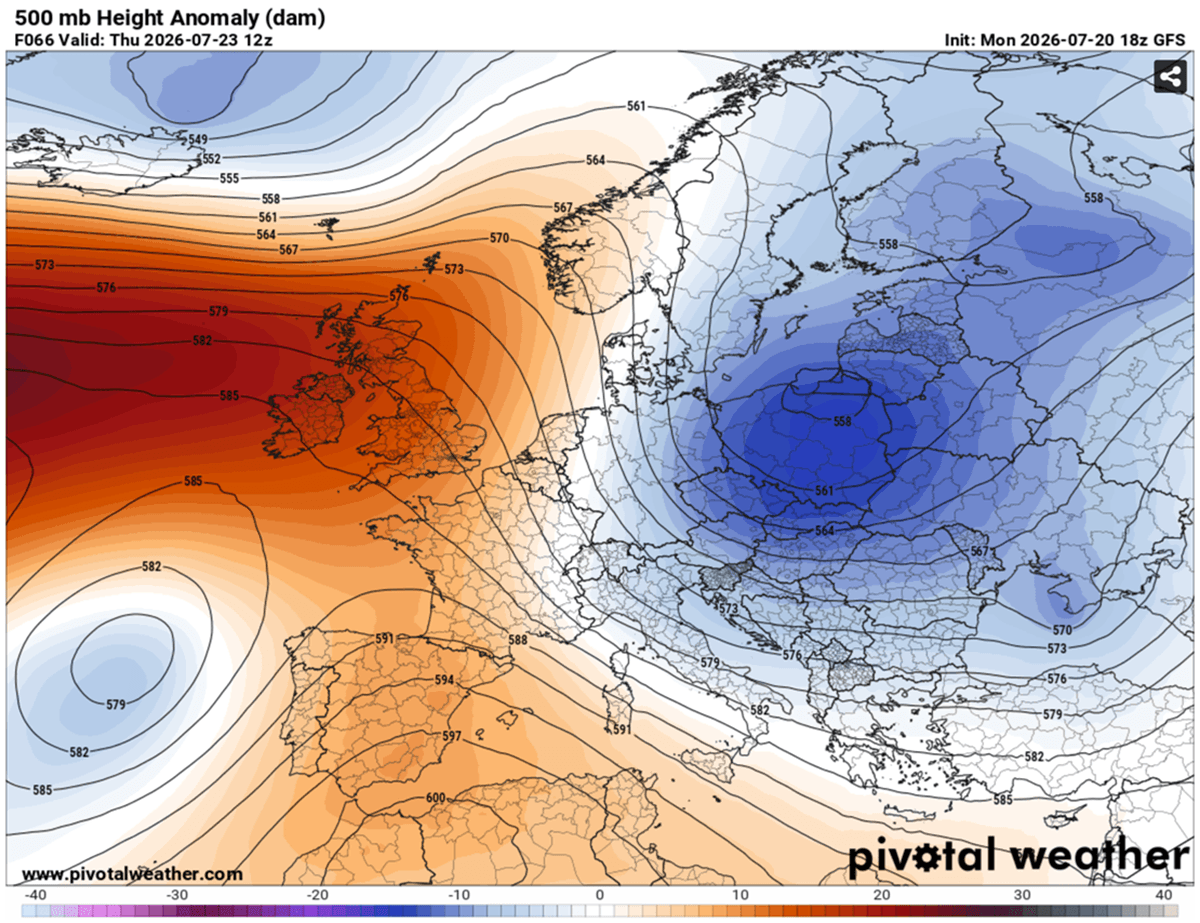
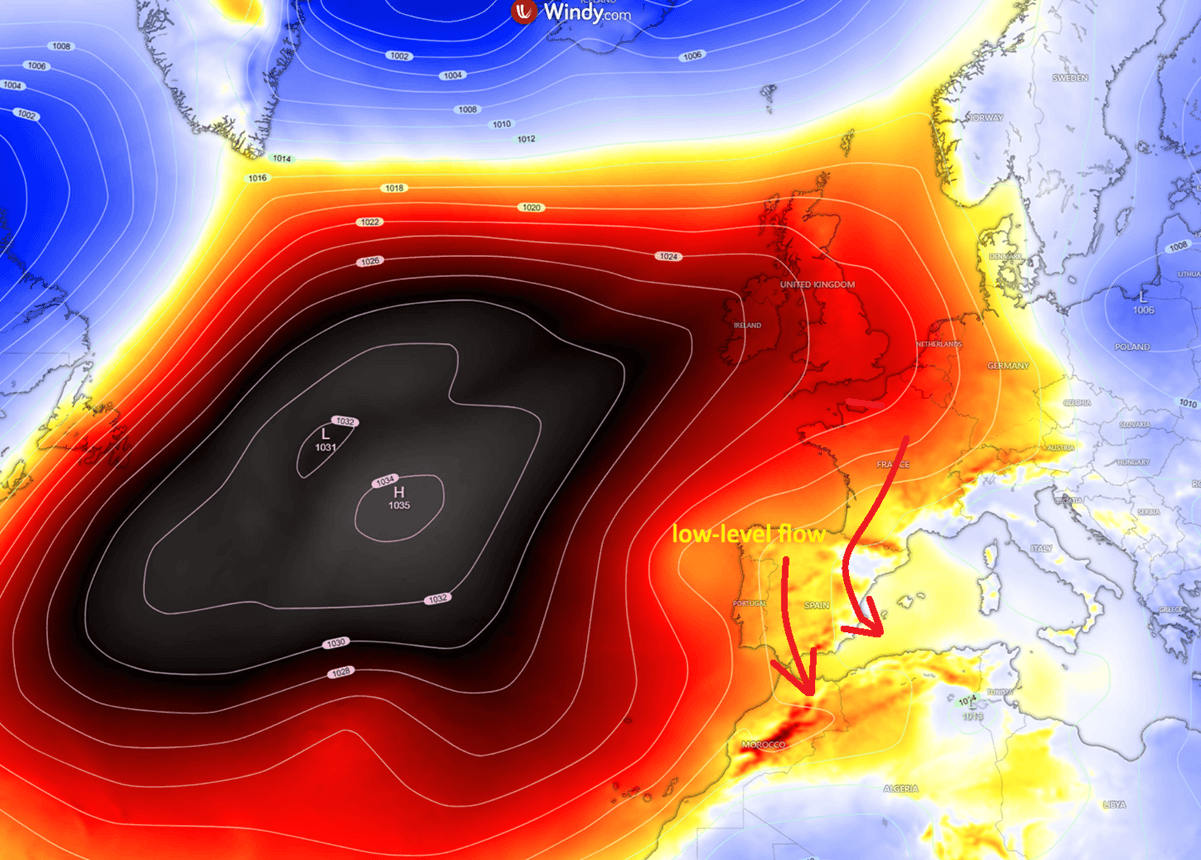
The primary catalyst for this extreme event is a robust atmospheric blocking pattern featuring an expansive upper-level ridge. This "heat dome" acts like a lid on a pot, trapping stagnant, scorching air at all levels of the atmosphere. Beneath this dome, air undergoes a process of subsidence—sinking toward the surface—which compresses the air and raises its temperature significantly.
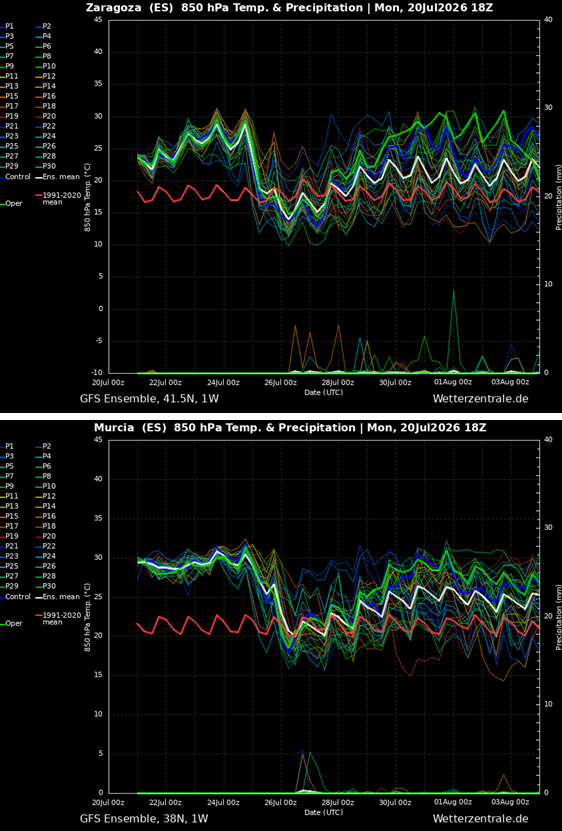
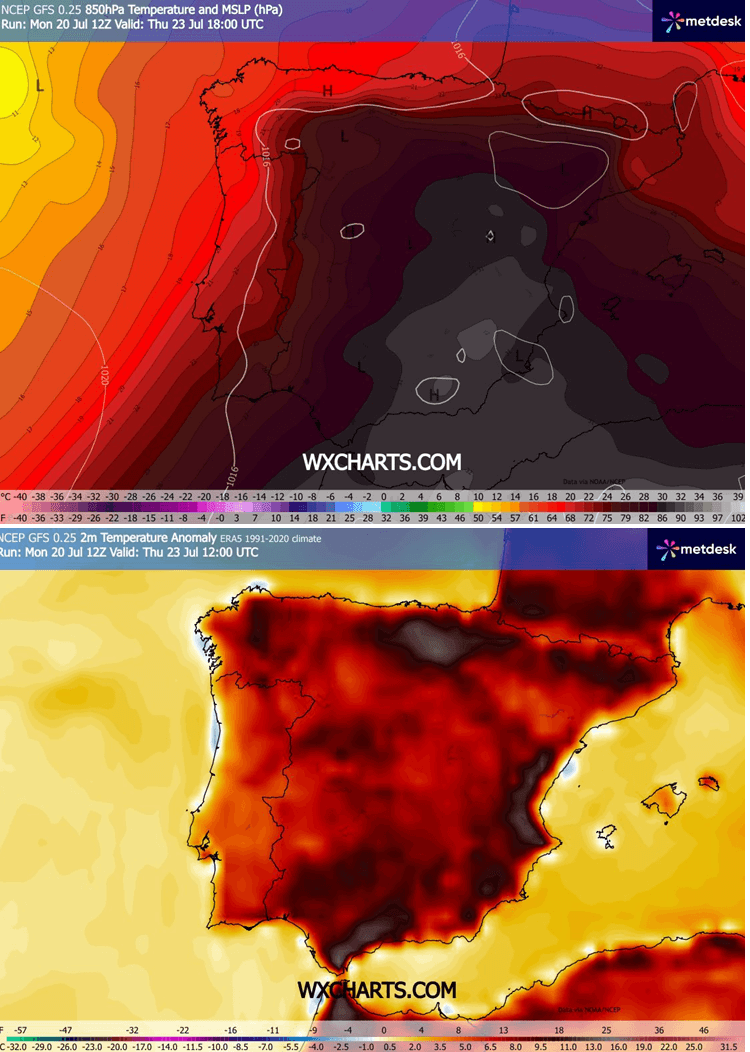
Reinforced by a "cut-off" low-pressure system situated to the west, this synoptic setup acts as a pump, funneling a plume of Sahara-originated air across the Iberian Peninsula. Meteorologists are particularly concerned by the 850 mbar temperature readings, which are forecast to exceed 30°C—a benchmark that signifies extreme heat even at altitude, translating to dangerous, triple-digit readings at the surface.
Chronology of the Extreme Thermal Surge
The heatwave is expected to intensify rapidly through the mid-week period as the ridge expands and aligns its axis directly over Southwestern Europe.
- Wednesday: Initial projections from global forecast models, including the GFS and the regional ARPEGE model, indicate that central Spain will experience temperatures ranging from 42°C to 44°C. The southern lowlands are expected to mirror these extremes, while the remainder of the peninsula will likely see peak afternoon temperatures between 34°C and 40°C.
- Thursday: The intensity of the heat mass is projected to peak. Central Spain will climb into the low 40s, while the eastern and southern plains—specifically in the Murcia, Alicante, and Valencia provinces—are forecasted to reach the 44°C to 46°C threshold. In specific, localized valleys, the combination of dry, downslope "foehn" winds could push temperatures toward the historic 47°C mark. The Ebro Valley is also expected to face an onslaught of heat, with peaks hovering between 43°C and 44°C.
- Friday: As the final day of this intense, short-lived pulse, Friday will see the southern and eastern regions endure one last surge of heat. However, there is a glimmer of relief on the horizon: as the high-pressure system begins to shift, more humid air from the Atlantic will move into western regions. Portugal is expected to see a significant drop in temperatures, falling from the extreme highs of the previous days into the low 30s.
Supporting Data: Challenging Historic Records
The upcoming event has prompted meteorologists to look back at the historical data, as this heatwave threatens to challenge long-standing regional records.
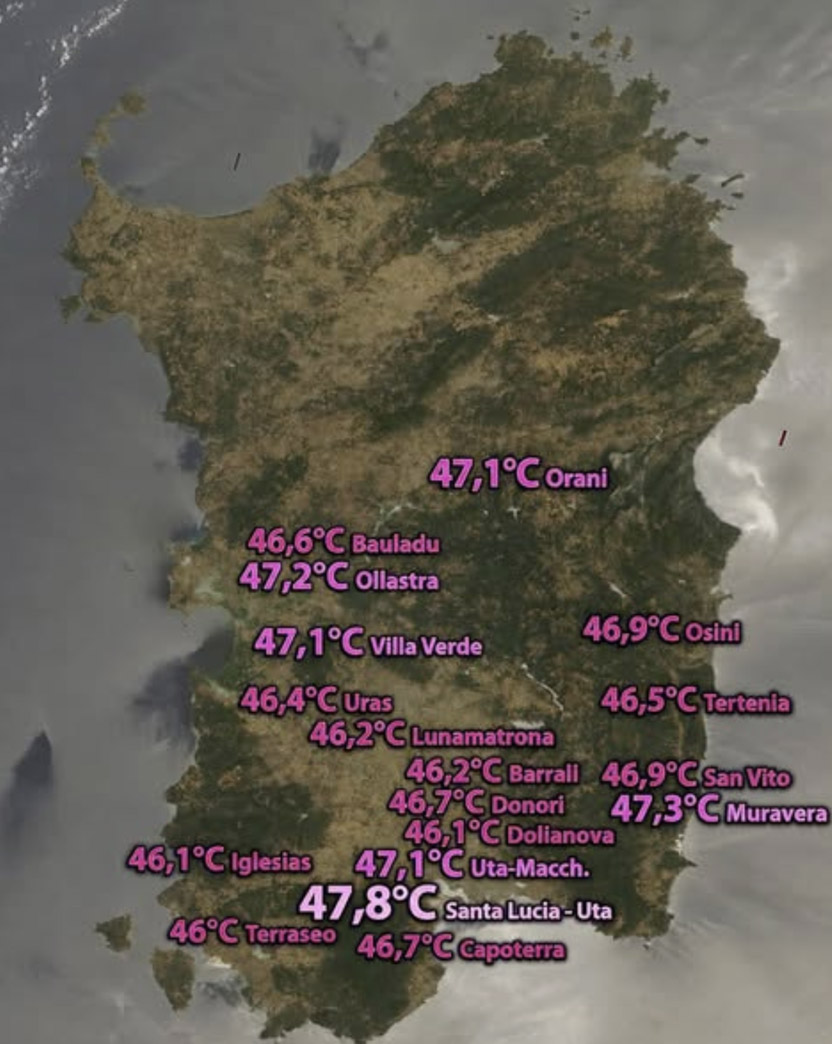
The current Spanish record holder is the town of La Rambla in the Córdoba countryside, which recorded a staggering 47.6°C. Nearby, Montoro hit 47.4°C, and Córdoba Airport recorded 46.9°C. To provide context, the European record remains the 48.8°C observed in Syracuse, Sicily, in August 2021. Spain’s record is tantalizingly close to this continental peak, leaving the nation within a 1.2°C margin of the all-time European maximum.
Other critical regional benchmarks include:
- Alcantarilla Air Base: An official 47.0°C recorded in August 2021.
- Castilla-La Mancha: Talavera de la Reina reached 45.5°C during the same 2021 event, with several nearby stations in Almadén and Puertollano reporting values above 45°C.
- The Ebro Valley: Historically, the peak remains 44.5°C, recorded at Zaragoza Airport in July 2015.
The combination of synoptic-scale heating and localized adiabatic warming—where air flowing over central plateaus descends into the valleys, losing moisture and heating rapidly—is the mechanism that makes regions like the Guadalquivir and Ebro valleys the most vulnerable to record-breaking spikes.
Implications for Public Health and Infrastructure
The consequences of this thermal peak extend far beyond physical discomfort. The prolonged nature of the heat—characterized by high overnight lows that refuse to drop below 25°C—means that the human body is granted no period of nocturnal recovery.
Vulnerable Populations
The health risks are acute for the elderly, children, and those with pre-existing cardiovascular or respiratory conditions. Heat exhaustion and, in extreme cases, heat stroke are significant concerns. The lack of cooling at night places immense strain on the body, increasing the cumulative physiological toll over the multi-day event.
Occupational Hazards
Outdoor workers, including those in construction and agriculture, face severe risks. Long hours of exposure to direct sunlight and ambient temperatures exceeding 45°C necessitate immediate adjustments to work schedules, though economic pressures often prevent such measures from being fully implemented.
The Urban Heat Island Effect
In densely populated areas, the infrastructure itself becomes a hazard. Concrete, asphalt, and other heat-trapping surfaces absorb solar radiation throughout the day and radiate it back at night, creating "urban heat islands" where temperatures remain significantly higher than in surrounding rural areas. This puts an even greater burden on public cooling centers and private air-conditioning systems, which face the risk of power grid failure under the surge in demand.
Environmental Risks: The Wildfire Threat
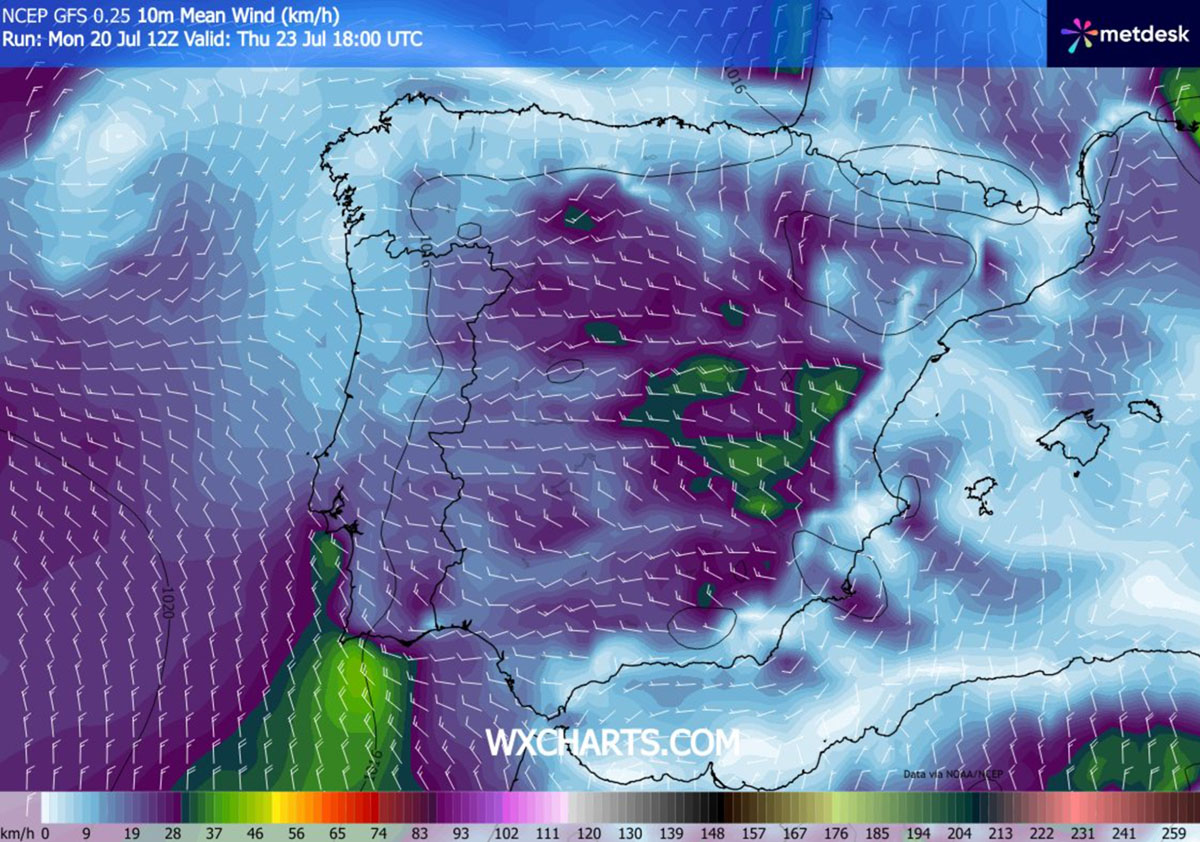
Perhaps the most immediate and dangerous secondary effect of this heatwave is the explosive risk of wildfires. The combination of intense heat, extremely low relative humidity, and persistent, gusty winds creates the perfect environment for the rapid ignition and spread of vegetation fires.
The Spanish and Portuguese landscapes, already parched from previous months, are highly vulnerable. Fire management agencies across the peninsula have been placed on high alert, as the atmospheric conditions make fire suppression efforts exponentially more difficult. A single spark under these conditions can lead to an uncontrollable inferno, threatening rural communities, protected forest lands, and vital agricultural sectors.
Official Responses and Meteorological Outlook
Meteorological services, including AEMET (the Spanish State Meteorological Agency), are continuously updating their alerts to reflect the shifting path of the heat dome. Residents are being urged to avoid strenuous outdoor activity during the peak hours of 12:00 PM to 6:00 PM, stay hydrated, and check on elderly neighbors.
As this event unfolds, the global scientific community is using it as a case study for the behavior of atmospheric blocking patterns. The transition of the heat dome from North Africa into the Mediterranean and now onto the Iberian Peninsula highlights the increasing frequency of "Omega Block" patterns—named for their resemblance to the Greek letter Ω on weather maps.
While this specific event is expected to taper off by the weekend as Atlantic air returns, the meteorological community remains vigilant. The persistent presence of high-pressure ridges across the continent suggests that the remainder of the summer may continue to be characterized by extreme, volatile temperature swings.
As the region braces for the peak of this furnace, the message from authorities remains clear: this is a rare and potentially record-challenging event that requires strict adherence to safety protocols. For the people of the Iberian Peninsula, the next 72 hours will be a test of endurance against the overwhelming power of the atmosphere. Stay tuned for further updates as the situation evolves and the data from the ground begins to confirm the extent of this historic heatwave.