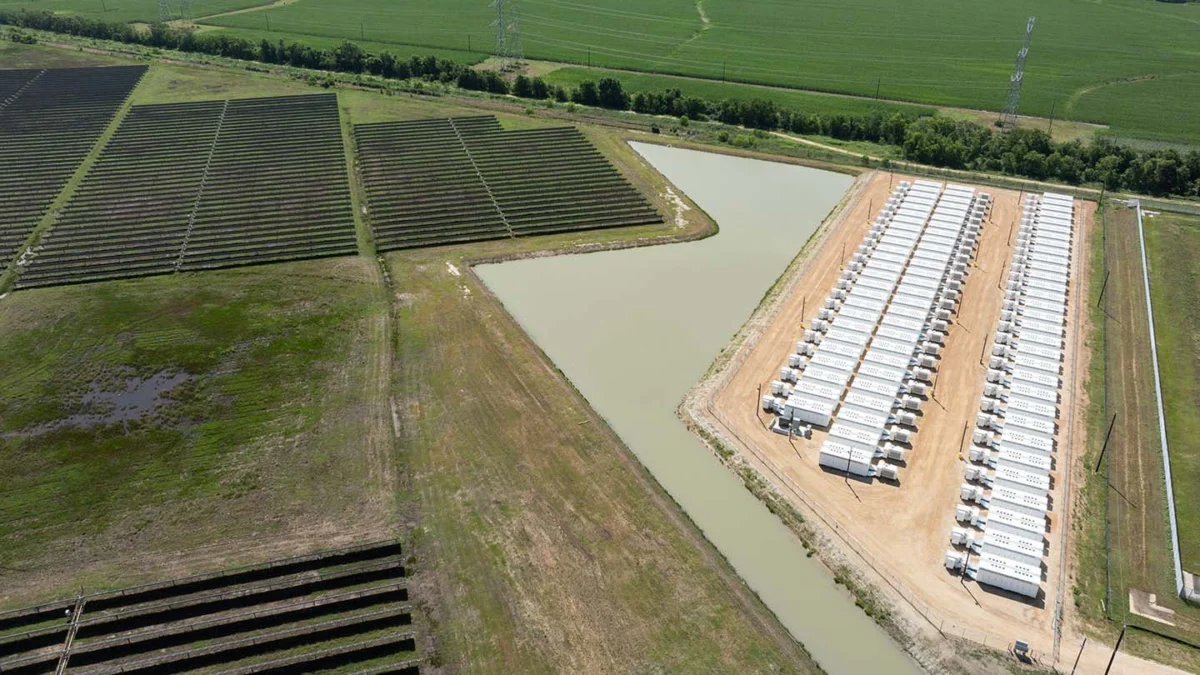
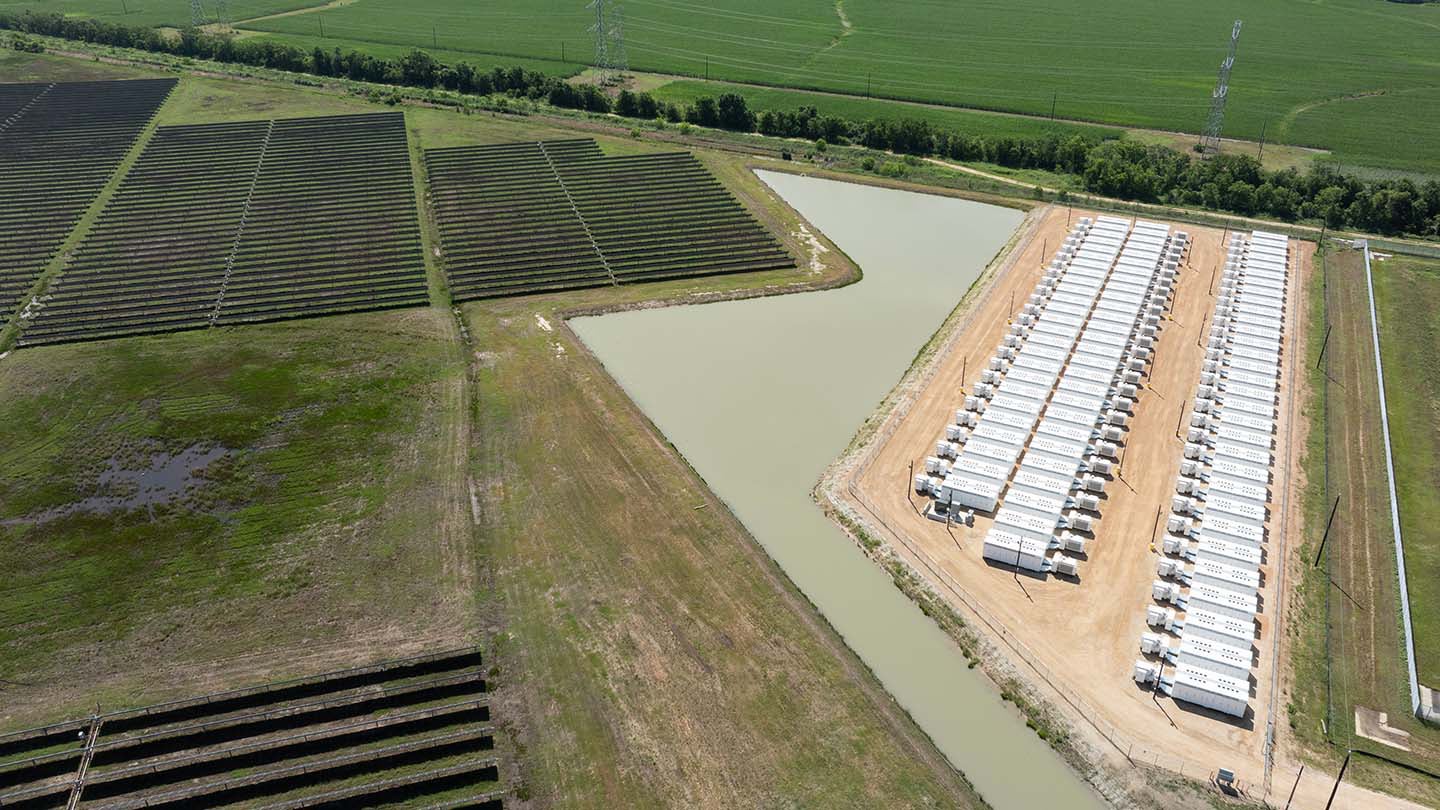
In a significant move to bolster the resilience of the Texas energy market, global renewable energy leader Ørsted has officially commissioned its Old 300 Storage project in Needville, Texas. The massive 250MW/500MWh battery energy storage system (BESS) is now fully integrated into the Electric Reliability Council of Texas (ERCOT) grid, marking a pivotal milestone in the state’s ongoing transition toward a more flexible and reliable power infrastructure.
This development brings Ørsted’s total onshore energy portfolio in the United States to an impressive 6GW, underscoring the company’s commitment to scaling renewable capacity in the face of soaring electricity demand.
Main Facts: A New Pillar of Texas Energy Reliability
The Old 300 Storage project is a high-capacity lithium-ion battery installation designed to mitigate the inherent intermittency of renewable energy sources. By acting as a massive buffer, the facility can capture excess energy produced during periods of high generation and release it during times of peak demand or grid stress.
Key technical specifications of the project include:
- Capacity: 250MW of power output with 500MWh of energy storage duration.
- Technology: The facility utilizes Tesla’s cutting-edge Megapack technology, manufactured at Tesla’s specialized Megafactory in Lathrop, California.
- Integration: Full operational status within the ERCOT market, allowing it to participate in ancillary services and real-time energy markets.
- Geography: Located in Needville, Texas, co-located with—but operationally independent from—the 430MW Old 300 Solar farm.
The project represents more than just a technological feat; it is a strategic asset for ERCOT. As Texas experiences rapid industrial growth and a surge in residential energy consumption, the ability to dispatch stored energy instantaneously provides grid operators with a critical tool to prevent load-shedding events and maintain frequency stability.
Chronology: From Concept to Commercial Operation
The journey to the successful deployment of the Old 300 Storage facility reflects the rapid maturation of the battery storage sector in the United States.
- 2024: The Old 300 Solar project achieves commercial operation. Since its inception, the solar facility has provided reliable, clean electricity to approximately 80,000 homes and businesses across the region, establishing a solid foundation for further investment in the Needville site.
- 2025 – Early 2026: Procurement and construction phases move forward. Ørsted secures Tesla Megapacks and initiates site development, including extensive coordination with local emergency services.
- Mid-2026: Completion of the installation and rigorous testing protocols required by ERCOT.
- August 2026: Official commencement of commercial operations. The facility begins its service life, contributing directly to grid stability during the challenging summer months in Texas.
This timeline highlights the increasing speed at which utility-scale storage projects are being brought to market, driven by favorable regulatory signals and the clear economic imperative for dispatchable energy.
Supporting Data: Economic and Operational Impact
The implications of the Old 300 Storage project extend far beyond the electrical wires. The economic footprint of the combined solar and storage site is expected to be a major boon for local municipalities.
Financial Contributions
Ørsted estimates that the combined impact of the Old 300 Solar and Storage projects will generate approximately $110 million in local property tax revenue over the project’s lifecycle. These funds are earmarked for vital regional services, including:
- Public Education: Supporting local school districts and educational infrastructure.
- Infrastructure Development: Funding for road maintenance and public works projects in the Needville area.
- Emergency Services: Providing resources for local fire, police, and medical response teams, ensuring that the community is well-equipped to handle the demands of a growing region.
Operational Synergies
While the battery project operates independently of the solar array, the co-location strategy offers distinct advantages. By leveraging existing grid interconnection points and site infrastructure, Ørsted minimizes the land-use footprint and maximizes the efficiency of the connection to the ERCOT grid. This synergy reduces the overall cost of capital for the project, allowing for more competitive pricing in the wholesale energy market.
Official Responses: Strengthening the Grid
The leadership at Ørsted has emphasized that this project is a direct response to the operational realities of the Texas grid.
Melissa Peterson, President of Ørsted Americas Onshore, highlighted the strategic importance of the installation: “Battery energy storage has played a large role in providing much-needed power to ERCOT in times of tight supply and demand margins. Achieving commercial operations at our Old 300 Storage project will have tangible benefits, such as strengthening grid reliability by providing additional resources to Texas grid operators and allowing for more diverse and localized energy options as electricity demand continues to grow.”
The selection of Tesla’s Megapack technology was not a matter of convenience, but one of rigorous due diligence. Ørsted prioritized performance and safety, leading to a collaborative effort with the Needville Fire Department. This partnership involved detailed training sessions on the battery technology and the implementation of sophisticated safety protocols, ensuring that the local community and emergency responders are prepared for the operation of high-capacity storage infrastructure.
Implications for the Energy Transition
The launch of the Old 300 Storage facility serves as a blueprint for the future of the US power sector. As the nation moves toward a decarbonized economy, the integration of long-duration and fast-acting storage will become the cornerstone of reliability.
The Role of Storage in Market Dynamics
In the ERCOT market, the presence of large-scale batteries creates a "price arbitrage" opportunity that helps stabilize market volatility. During hours of peak solar production, electricity prices can drop significantly; batteries capture this low-cost energy, effectively preventing the curtailment of renewable generation. When solar production dips in the late afternoon—the "duck curve" phenomenon—the battery storage releases this energy, reducing the reliance on older, more carbon-intensive peaker plants.
A Growing Portfolio
The completion of Old 300 Storage marks Ørsted’s 12th major project in Texas. This density of investment signals that the state remains a primary focus for the company’s global strategy. While Ørsted continues to expand its international footprint—notably through the commencement of offshore construction at the Baltica 2 wind farm in Poland earlier this year—its onshore presence in the US remains a foundational element of its growth.
Future Outlook
The success of the Old 300 project points toward a future where renewable energy is no longer viewed as an intermittent resource, but as a firm, dispatchable commodity. As technology costs continue to decline and the sophistication of energy management software improves, projects like this will likely become the standard for utility developers across the globe.
By prioritizing safety, community engagement, and technical excellence, Ørsted has demonstrated that the transition to a greener grid is compatible with, and indeed supportive of, the economic development of rural and suburban communities. As Texas continues to lead the nation in energy innovation, the Old 300 Storage facility stands as a testament to the power of integrating advanced technology into the bedrock of the American energy landscape.
About Ørsted: Ørsted is a global leader in the renewable energy sector, with a vision to create a world that runs entirely on green energy. The company develops, constructs, and operates offshore and onshore wind farms, solar farms, and energy storage facilities. Through its onshore business, Ørsted is rapidly scaling its capacity to meet the needs of the evolving energy markets in the United States.