Executive Summary: Financing a Green Revolution
In a significant boost to India’s renewable energy ambitions, NOPL Solar Projects, a wholly-owned subsidiary of Vikran Engineering (VEL), has secured a landmark financial facility from the Indian Renewable Energy Development Agency (IREDA). The agreement provides for a rupee term loan of up to Rs29.41bn ($307.2m), marking a pivotal step in the execution of one of Maharashtra’s most ambitious solar infrastructure projects.
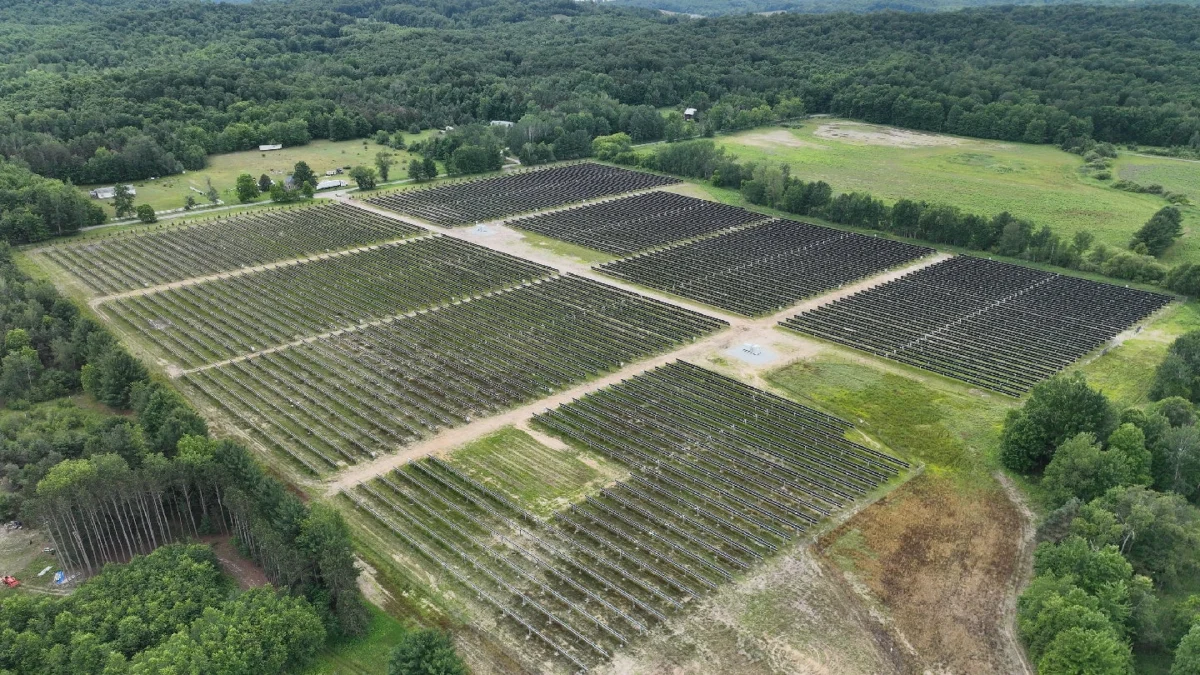
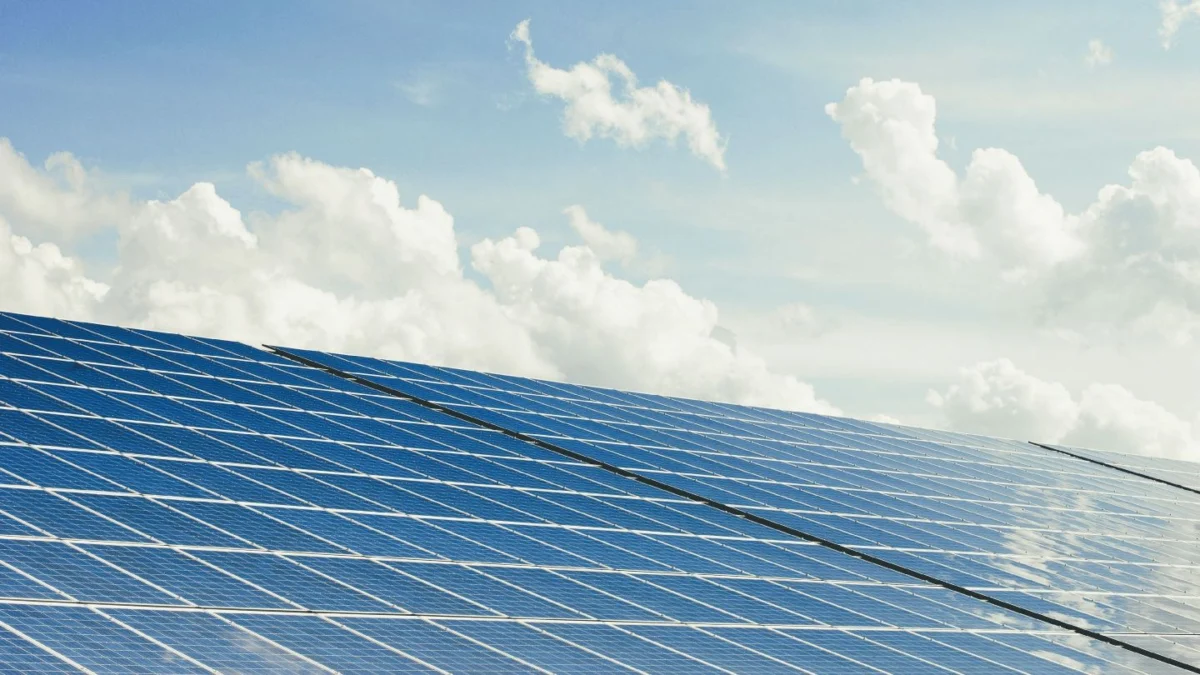
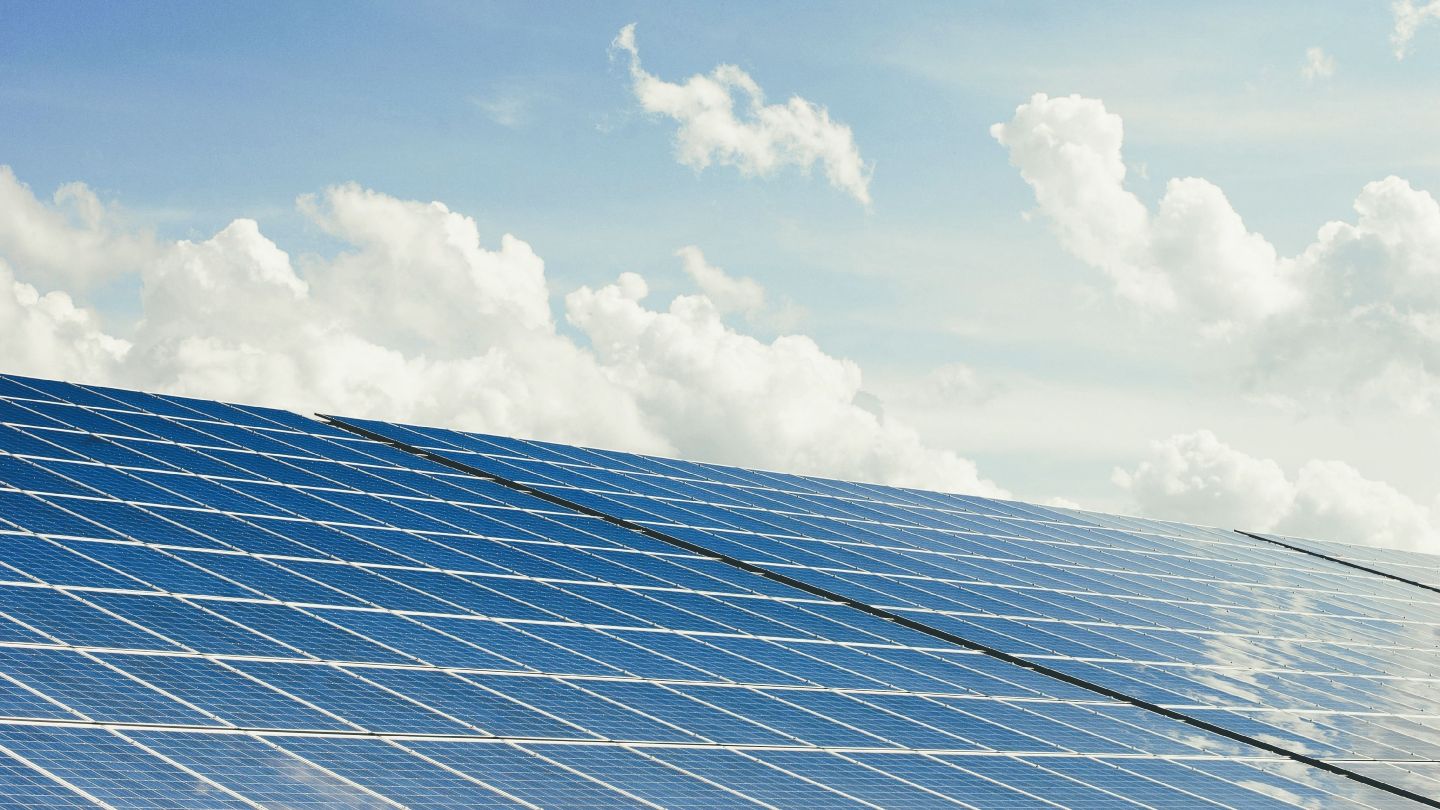
The financing will facilitate the construction of a massive 969MWac (1.16GWp) solar photovoltaic (PV) power project. This initiative, sanctioned under the Maharashtra state government’s flagship "Mukhyamantri Saur Krishi Vahini Yojana 2.0" scheme, represents a decentralized approach to energy production. By spreading the installation across 152 distinct sites throughout the state, the project aims to stabilize local power grids, reduce transmission losses, and provide reliable electricity to the agricultural sector—the backbone of the regional economy.
Chronology of the Project Development
The journey toward this financial close has been marked by systematic planning and strategic procurement. While the finalization of the IREDA loan is the most recent milestone, the project’s foundations were laid months prior:
- Policy Alignment: The Maharashtra government launched the Mukhyamantri Saur Krishi Vahini Yojana 2.0, aimed at solarizing agricultural feeders to provide daytime power to farmers. This provided the regulatory framework for NOPL’s project.
- EPC Award: In a move to consolidate project management, NOPL Solar Projects awarded the Engineering, Procurement, and Construction (EPC) contract to its parent company, Vikran Engineering, valued at Rs35.17bn. This ensured that the technical expertise of the parent firm would be directly utilized for the installation of the 152 sites.
- Financial Structuring: Throughout mid-2026, NOPL and IREDA engaged in rigorous due diligence, negotiating terms covering loan drawdowns, financial covenants, and security requirements.
- The Facility Agreement: In October 2026, the formal signing of the term loan agreement solidified the funding bridge for the project, which carries a total estimated cost of Rs42.01bn.
Supporting Data and Financial Architecture
The financial viability of the 1.16GW solar project is supported by a robust capital structure. With a total project cost of Rs42.01bn, the IREDA loan accounts for approximately 70% of the required capital. The remaining balance is slated to be covered through a combination of promoter equity and secondary financing instruments.
Key Financial Metrics
- Total Project Outlay: Rs42.01bn.
- IREDA Term Loan: Up to Rs29.41bn ($307.2m).
- EPC Contract Value: Rs35.17bn (awarded to Vikran Engineering).
- Project Scale: 969MWac / 1.16GWp (Peak capacity).
- Geographic Footprint: 152 distinct sites across Maharashtra.
The agreement with IREDA is strictly ring-fenced. According to regulatory filings, Vikran Engineering (VEL) does not carry direct liability for the loan at this stage. While a corporate guarantee is expected to be provided by the parent company in a future instrument, the current structure ensures that the operational control of VEL remains insulated from the project’s debt servicing, provided the project meets its milestones.
The Strategic Role of the Mukhyamantri Saur Krishi Vahini Yojana 2.0
The project is not merely an infrastructure development; it is a vital cog in the wheel of Maharashtra’s energy transition. The Mukhyamantri Saur Krishi Vahini Yojana 2.0 is designed to address the "power gap" in rural India. By installing solar plants near agricultural load centers, the government aims to:
- Reduce Subsidy Burdens: Lower the cost of power supply to agricultural consumers, which has historically strained the finances of state-owned distribution companies (DISCOMs).
- Energy Security: Enhance the reliability of daytime power for irrigation, allowing farmers to reduce reliance on erratic grid supplies.
- Transmission Efficiency: By generating power close to the point of consumption, the project minimizes the need for long-distance transmission, thereby reducing technical losses and carbon footprints.
Official Responses and Corporate Governance
The relationship between NOPL and IREDA is governed by strict financial covenants. These include standard provisions for representations, warranties, and events of default, ensuring that the state-owned lender’s capital is protected.
Notably, the company has clarified that the facility agreement does not alter the management or governance of Vikran Engineering. IREDA has no mandate to appoint directors to the VEL board, nor does the loan agreement grant the lender any control over the company’s strategic decision-making. This transparency is intended to reassure shareholders that the project, while massive in scale, does not pose an existential risk to the parent company’s autonomy.
Implications for the Renewable Energy Sector
The success of this project carries significant implications for the broader Indian renewable energy market.
1. Decentralized Generation Models
For years, the Indian solar sector was dominated by massive, centralized "solar parks." The Maharashtra model represents a shift toward decentralized generation. If the 152-site installation proves successful, it will likely serve as a blueprint for other states looking to solarize rural grids without acquiring vast swathes of contiguous land, which is often difficult and expensive to procure.
2. The Role of IREDA as a Catalyst
As India moves toward its goal of 500GW of non-fossil energy capacity by 2030, the role of specialized financial institutions like IREDA is becoming increasingly critical. By providing long-term, rupee-denominated debt, IREDA is mitigating the currency risk that often plagues international infrastructure financing. This deal underscores IREDA’s willingness to back large-scale projects executed by private sector entities with strong track records in engineering.
3. Engineering and Construction Resilience
For Vikran Engineering, the project is a "proof of concept." By acting as both the promoter (via its subsidiary) and the EPC contractor, the company is capturing the full value chain of the solar installation. If the 152-site rollout is executed on time and within budget, it will significantly enhance Vikran Engineering’s profile, positioning it as a primary contender for future state-led solar tenders.
Addressing Challenges and Future Risks
Despite the optimism surrounding the project, analysts point to several variables that will determine its success:
- Land Acquisition and Site Readiness: Coordinating construction across 152 unique sites requires complex logistics and local administrative cooperation. Delays in land clearing or grid connectivity at any of these sites could cause a ripple effect in the project’s timeline.
- Operational Maintenance: Once commissioned, the operational and maintenance (O&M) cost of distributed solar is higher than centralized parks due to the need for dispersed maintenance teams. NOPL will need to deploy advanced monitoring technology to ensure the 1.16GW capacity operates at peak efficiency.
- Regulatory Stability: The success of the project relies on the continued commitment of the Maharashtra government to the Saur Krishi Vahini policy. Any shift in state-level power purchase agreements (PPAs) or subsidy structures could impact the revenue streams of the subsidiary.
Conclusion: A New Horizon
The Rs29.41bn infusion by IREDA into the NOPL solar project is more than just a financial transaction; it is a testament to the maturation of India’s renewable energy sector. By integrating 1.16GW of capacity into the agricultural heartbeat of Maharashtra, the project bridges the gap between industrial-scale power generation and local socio-economic utility.
As construction ramps up across the 152 sites, all eyes will be on Vikran Engineering. If the company can navigate the logistical hurdles of a decentralized build while maintaining the fiscal discipline demanded by its agreement with IREDA, this project could become the gold standard for future agricultural solar initiatives across India. The transition from fossil-fuel-reliant agriculture to solar-powered productivity is no longer a distant ambition—it is an active, ongoing industrial reality.