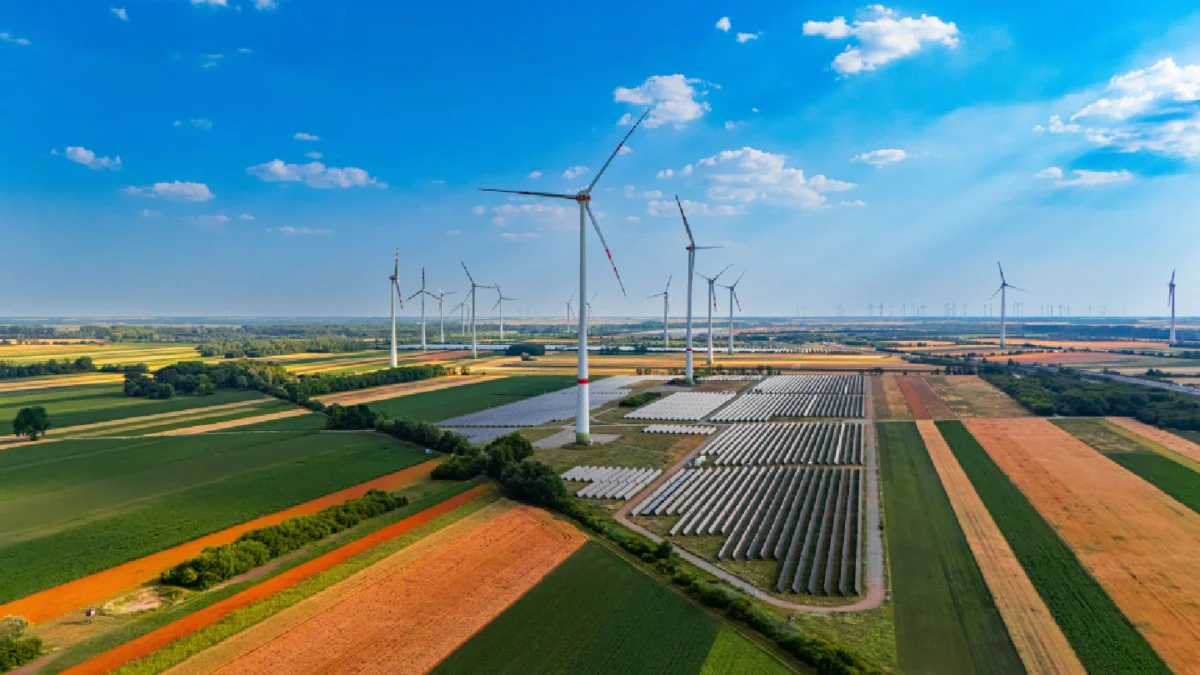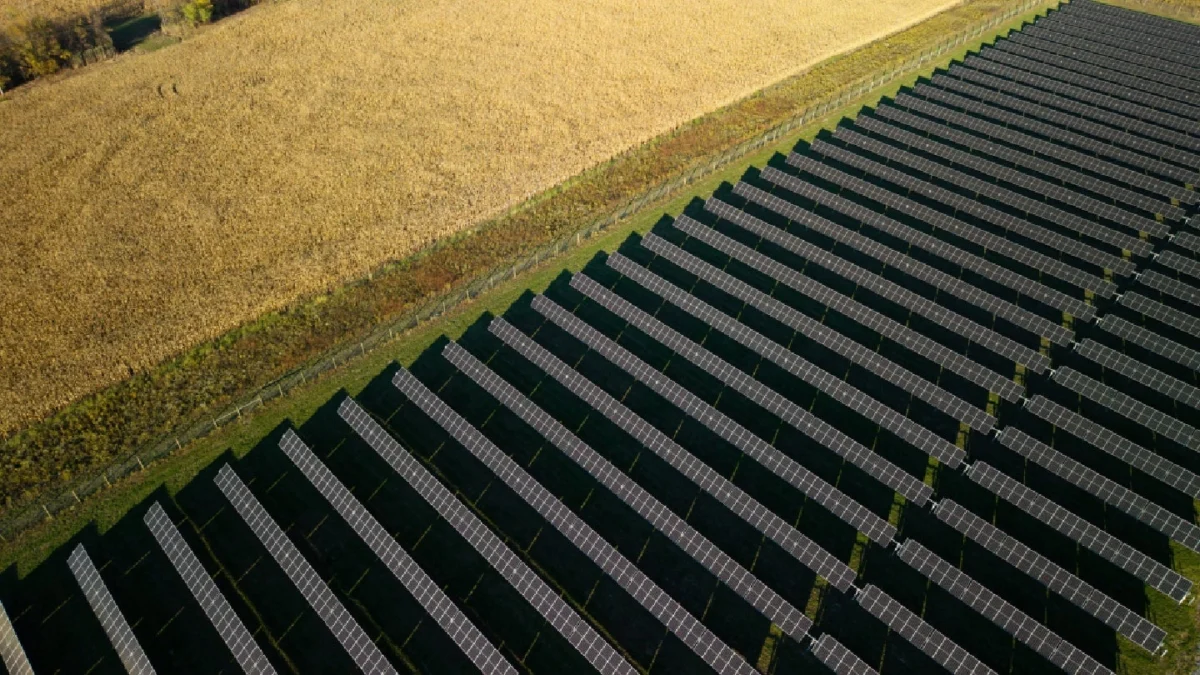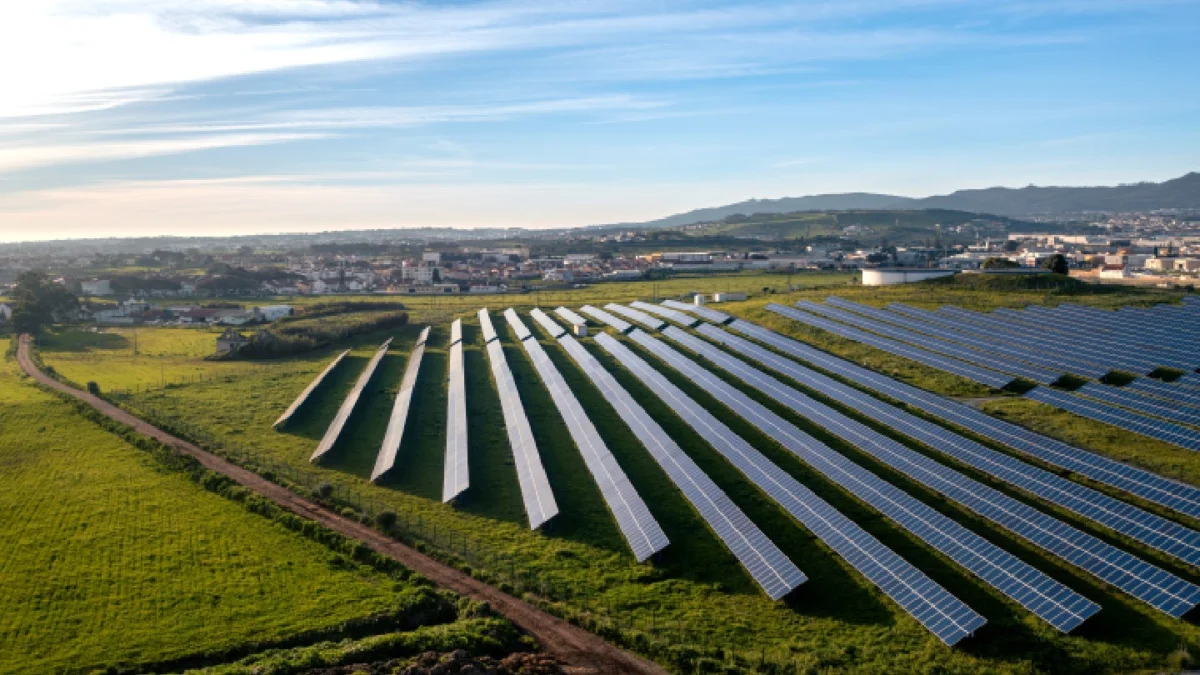
EDF Renewables North America has officially announced the achievement of financial close for the Utah Solar 1 Energy project, a landmark 394MW-direct current (MWdc) and 300MW-alternating current (MWac) solar facility located in Millard County, Utah. This development marks a significant step forward in the regional transition toward a decarbonized energy grid, reinforcing the company’s commitment to expanding its footprint in the Western United States. With construction officially underway, the project is slated for completion and commercial operation by mid-2027.
Core Project Overview and Scope
The Utah Solar 1 project is a massive undertaking designed to harness the high solar irradiance of Millard County. The facility will be capable of producing approximately 766,000 megawatt-hours (MWh) of clean electricity annually. This output is substantial enough to power thousands of homes, directly supporting the ambitious renewable energy portfolios mandated by California’s regulatory framework.
The energy generated by the facility will be transmitted to the Los Angeles Department of Water and Power (LADWP), serving as a vital injection of green energy into the municipal utility’s network. This project represents a key component of the ongoing effort to modernize the grid and reduce reliance on fossil fuel-based generation in the American West.
Chronology: From Concept to Financial Close
The path to this financial milestone involved years of rigorous planning, environmental assessment, and stakeholder engagement.
- Preliminary Development: Following the identification of the site in Millard County, EDF Renewables began the lengthy process of site surveying, environmental impact analysis, and securing land use agreements through the Utah Trust Lands Administration.
- The Power Purchase Agreement (June 2024): A pivotal moment for the project occurred in June, when EDF signed a 30-year power purchase agreement (PPA) with the Southern California Public Power Authority (SCPPA). This long-term contract provided the revenue certainty required to attract institutional investors and lenders.
- Securing the Capital (Late 2024): With the PPA in place, EDF finalized a complex financing package involving a consortium of global financial institutions.
- Financial Close (September 2026): The achievement of financial close in September 2026 signaled the transition from the development phase to the execution phase.
- Construction Commencement: With the capital secured, mobilization of labor and equipment has begun on-site, with a target of 400 workers to be employed at the height of construction.
- Commercial Operation (Mid-2027): The project is currently on track to reach full commercial electricity delivery by the middle of 2027.
Financial Architecture and Investment Consortium
The scale of the Utah Solar 1 project required a sophisticated, multi-layered financial strategy. EDF Renewables successfully secured capital through credit arrangements with a prestigious group of international banks, including Crédit Agricole CIB, the National Bank of Canada, MUFG Bank, Société Générale, and Standard Chartered Bank.
MUFG Bank served as the administrative agent for the transaction, while Crédit Agricole CIB acted as the initial coordinating lead arranger. The remaining institutions served as coordinating lead arrangers and initial lenders, providing a robust foundation for the project’s capital expenditure requirements.
An innovative component of this financial structure is the tax credit bridge facility. Under this arrangement, Crédit Agricole CIB serves as the sole buyer of the production tax credits (PTCs) generated by the facility. This structure highlights the evolving nature of renewable energy financing in the US, where tax credit monetization is increasingly used to optimize project economics and reduce the cost of capital.
Legal guidance for this complex transaction was provided by a triad of top-tier firms: Clifford Chance represented EDF Renewables, Winston & Strawn advised the lender group, and Norton Rose Fulbright US provided counsel to Crédit Agricole CIB regarding the tax credit purchase agreement.
Economic and Social Implications
The Utah Solar 1 project is not merely an energy generation facility; it is a significant economic engine for Millard County. EDF Renewables has structured the project to ensure that the surrounding community realizes long-term financial benefits.
Local Economic Contribution
Over the operational lifespan of the solar facility, the project is projected to contribute more than $40 million in local tax revenue to Millard County. This influx of capital will support local infrastructure, public services, and government functions. Furthermore, the project’s engagement with the Utah Trust Lands Administration will result in $27 million in lease payments, which are explicitly earmarked to fund Utah’s public schools.
Employment and Workforce Development
During the peak construction phase, the project will generate approximately 400 jobs. This temporary surge in employment provides a significant stimulus to the regional economy. Beyond the construction phase, the facility will require specialized operations and maintenance personnel, offering long-term professional opportunities for residents in the area.
Official Perspectives: Commitment to Sustainability
Amy Lloyd, CFO of EDF Renewables North America, expressed the company’s pride in achieving this milestone, noting that the financial close reflects strong market confidence in the project’s long-term viability.
"Reaching financial close on Utah Solar 1 reflects strong market confidence in this asset and marks a major milestone for our team," Lloyd stated. "We appreciate the commitment of SCPPA, LADWP, and our financial partners as we advance into construction. In addition to generating clean power, this development delivers meaningful economic benefits for Millard County and funding for Utah public schools through our work with the Utah Trust Lands Administration."
The collaborative nature of this project—linking a private developer, a municipal utility authority, and a consortium of international lenders—serves as a blueprint for future large-scale renewable energy projects in the US.
The Role of SCPPA and LADWP
The involvement of the Southern California Public Power Authority (SCPPA) is essential to the project’s success. SCPPA acts as a joint powers agency that enables municipal utilities to aggregate their power procurement needs. By securing this 30-year PPA, SCPPA has effectively shielded the project from short-term market volatility, ensuring that the Los Angeles Department of Water and Power (LADWP) has a steady, predictable supply of renewable energy for decades to come.
For LADWP, the Utah Solar 1 facility is a strategic asset. As the city of Los Angeles pushes toward its "LA100" goal—achieving 100% renewable energy by 2035—projects like Utah Solar 1 are critical for replacing aging gas-fired generation with reliable, utility-scale solar power.
Technical Challenges and Environmental Considerations
While the project promises significant benefits, the path to completion requires managing the unique environmental and logistical challenges inherent in desert construction. EDF Renewables has emphasized its commitment to balancing community engagement with project advancement. This involves careful site management, dust suppression, and the implementation of best practices for land restoration to ensure that the project footprint respects the surrounding ecosystem of Millard County.
The choice of location in Utah was deliberate, based on the region’s high solar yield. By utilizing modern photovoltaic technology, the project maximizes energy density, allowing for a 394MWdc capacity within a compact physical footprint.
Future Outlook: The Road to 2027
As construction progresses, the focus for EDF Renewables will shift toward supply chain management and site safety. Given the current global demand for solar components, securing the necessary panels, inverters, and racking systems well in advance has been a key factor in keeping the project on schedule.
The success of the Utah Solar 1 project will likely influence the broader strategy of renewable developers in the Intermountain West. By demonstrating that large-scale, cross-state energy deals can be financed successfully through complex tax-equity and debt structures, EDF Renewables has set a high bar for the industry.
In conclusion, the Utah Solar 1 project is a multifaceted success story. It represents the intersection of technical innovation, financial expertise, and public-private cooperation. By the time the facility comes online in 2027, it will stand as a testament to the viability of the transition to a cleaner energy future, providing reliable power to the West while securing vital funding for Utah’s schools and the local Millard County economy.