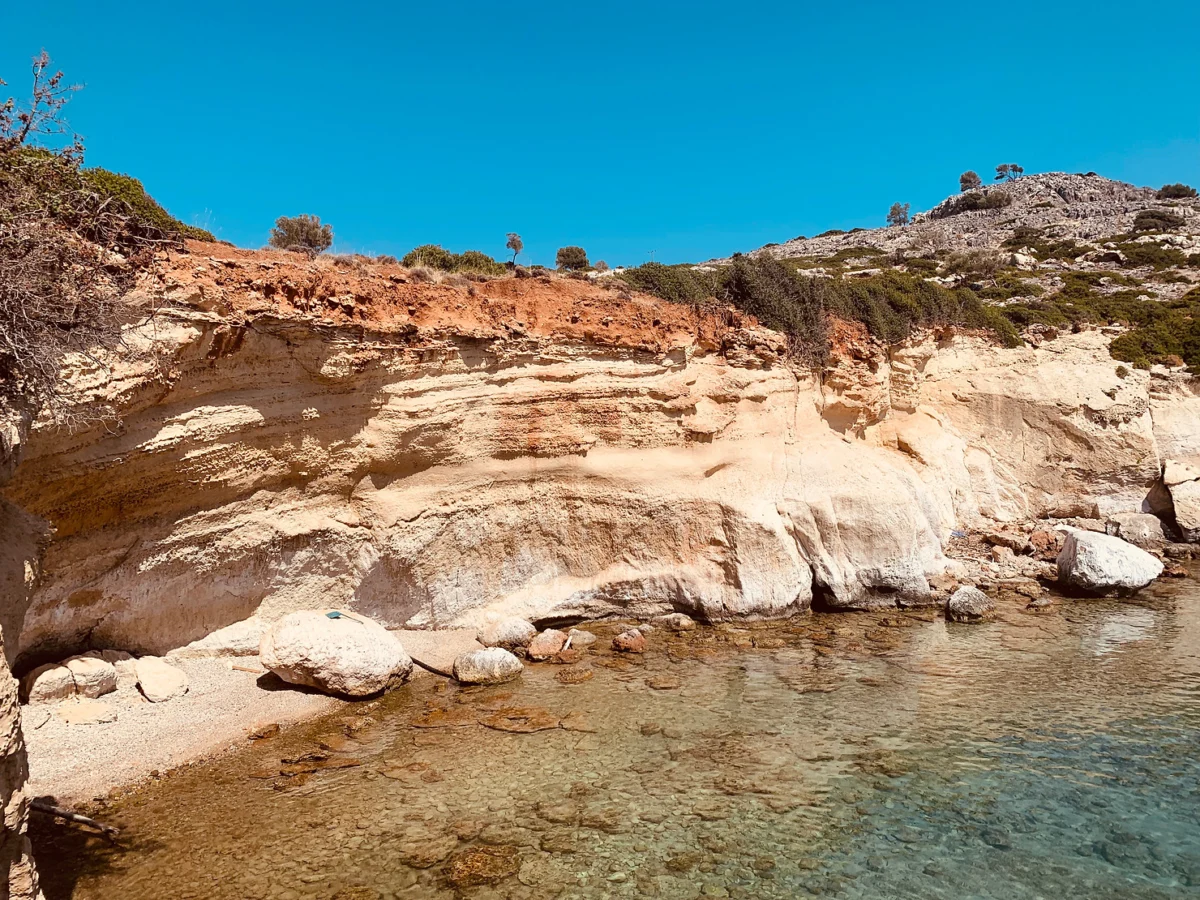
Rhodes, the jewel of the Dodecanese, is internationally renowned for its storied past, the medieval architecture of its Old Town, and the iconic white-washed aesthetics of Lindos. However, for the discerning traveler seeking to escape the well-trodden paths of mass tourism, the true essence of the island lies hidden along its jagged, sun-drenched coastline. Far from the bustling sunbed rows and crowded cocktail bars, there exists a series of secret coves, rugged cliffs, and pristine waters that offer a glimpse into the authentic Rhodian soul.
This guide explores the island’s most secluded coastal treasures, providing a roadmap for those who prefer the symphony of cicadas to the hum of tourist resorts.
The Main Facts: Defining the Secluded Rhodian Experience
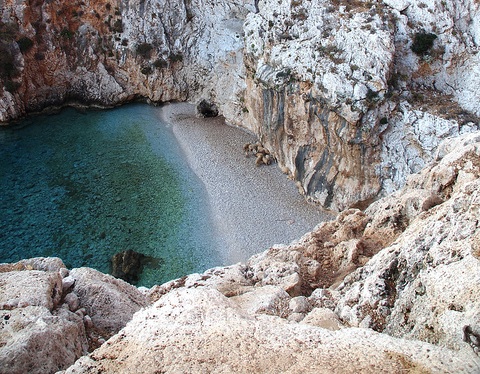
Secluded tourism in Rhodes is not merely about privacy; it is an exercise in landscape immersion. Unlike the organized beaches of Faliraki or the busy shores of Pefkos, the locations highlighted in this report require effort, navigation, and a sense of adventure.
The geological diversity of Rhodes—ranging from the volcanic, rocky formations of the west coast to the softer, golden sands of the south—dictates the nature of these retreats. These beaches are characterized by limited infrastructure, minimal human footprint, and crystal-clear waters that remain largely untouched by commercial development. For the visitor, this means packing essentials: water, shade, and a spirit of self-sufficiency.

Chronology of Exploration: A Journey Around the Island
To appreciate the geographical spread of these hidden gems, it is best to view them as a coastal circuit.
The Eastern Retreats: The Pefkos and Lindos Vicinity
The journey begins just 5km from the historic village of Lindos. Fokia Beach serves as an introduction to the Rhodian lifestyle, where the Mediterranean scrub meets the sea in a quiet, intimate cove. Shortly after, one finds Arkeftas Beach, an expansive stretch facing the deep blue horizon. These spots are perfect for those who wish to combine cultural visits to Lindos with quiet afternoons of solitude.

The Wild West: Monolithos and Ataviros
As we transition to the western tip, the terrain shifts. Fourni Beach in Monolithos is widely considered one of the island’s most lush locations. It is a place where time seems to slow, allowing visitors to witness the sun dipping directly into the Aegean. Further along, Kopria Beach in Ataviros offers the thrill of a discovery. Often described as a "hidden treasure," this small, pebbled cove provides a stark contrast to the massive resorts found on the island’s northern reaches.
The Untouched Southern Frontier
The southern tip is where the true sense of isolation is found. Mavros Kavos near Katavia requires a 20-minute off-road journey, a small price to pay for the privilege of swimming in total silence. Similarly, Apolakia Beach stands as a testament to the island’s biodiversity, serving as a vital protected biotope that remains wild and untamed.

Supporting Data: Why Seek Out the "Hidden" Locations?
The appeal of these beaches is supported by shifting trends in Mediterranean tourism. According to recent travel insights, there has been a 35% increase in demand for "slow travel" experiences. Travelers are increasingly prioritizing locations that offer:
- Environmental Preservation: Beaches like Apolakia are not just recreational spots; they are protected habitats. By visiting these areas, tourists are encouraged to adhere to "Leave No Trace" principles, which are critical for the preservation of local flora and fauna.
- Economic Decentralization: By patronizing local canteens and small-scale tavernas—such as the historic canteen at Glyfada Beach, which has been serving authentic local food since the 1970s—travelers contribute directly to the rural economy rather than large corporate entities.
- Mental Well-being: The "wilderness effect" found at places like Mavros Kavos is scientifically linked to lower cortisol levels. The lack of infrastructure acts as a digital detox, forcing a reconnection with the natural environment.
Deep Dive: Profiles of the Secret Shores
1. The Rustic Charm of Glyfada
Glyfada Beach represents the quintessential rural Rhodian experience. The journey there is as much a part of the experience as the destination itself, involving a scenic drive through the island’s interior, bypassing traditional tourist hubs. Once there, the sight of pine trees cascading down to the water’s edge creates a tranquil atmosphere. The canteen, a local institution, serves as a bridge between the past and the present, offering traditional flavors that haven’t changed in half a century.

2. The Port of Emponas: Mandriko
Often overlooked due to its proximity to the more famous Kameiros Skala, Mandriko Beach is a reminder that beauty often hides in plain sight. It is a quiet, remote stretch that provides a perfect vantage point to watch the ferry traffic heading toward the smaller Dodecanese islands.
3. The Local’s Secret: Kiotari
While Kiotari is known for its resorts, the true "secluded" aspect lies away from the central hubs. By seeking out the specific "shack on the rock," visitors can find a slice of the original fishing village that once defined this area. It is a lesson in patience and local navigation.

4. The Chalki Excursion: Areta Beach
No discussion of the Rhodian coastline is complete without mentioning its neighbor, the island of Chalki. A short ferry ride from the port of Mandriko transports travelers to Areta Beach. It is arguably the most pristine location on this list, acting as a sanctuary for snorkelers and those seeking the absolute clarity of the Aegean depths.
Official Responses and Sustainability Implications
Local tourism authorities and environmental groups in Rhodes have been increasingly vocal about the need to protect these "unorganized" beaches. While they are a major draw for independent travelers, they are also sensitive to environmental degradation.

"The beauty of these locations is their wildness," notes a spokesperson for regional tourism initiatives. "The challenge is to maintain that wildness while managing the increasing flow of visitors who are moving away from the ‘resort-only’ model."
Implications for the Future:
- Infrastructure Balance: There is an ongoing debate regarding the installation of basic waste management at these sites. While bins and basic facilities would prevent pollution, they also risk attracting larger crowds and commercializing the landscape.
- Protected Status: Areas like the Apolakia biotope are subject to strict regulations. Visitors are advised to check local signage and respect the biodiversity of these regions, as human traffic can disrupt nesting grounds for local wildlife.
- The Role of Hospitality: Establishments like the Caesars Gardens Hotel & Spa play a crucial role in curating these experiences. By providing guests with the knowledge to access these spots responsibly, they act as stewards of the island’s hidden beauty, ensuring that the next generation of travelers can enjoy the same serenity.
Conclusion: The Traveler’s Responsibility
The allure of Rhodes’ secluded beaches is a privilege, not a right. As we navigate the rugged paths to Fokia or take the off-road route to Mavros Kavos, the responsibility lies with the individual to treat these locations with reverence.

The island of Rhodes is much more than its history and its resorts; it is a tapestry of wild, blue, and hidden spaces. Whether you are snorkeling in the crystalline waters of Chalki or watching the sunset from the western shores of Monolithos, remember that the best travel experiences are those that leave the destination as you found it. Pack your bags, bring your water, and respect the silence—the hidden beauty of Rhodes awaits.