With nearly 60% of the American population engaging in outdoor recreation, the waterways of the United States have become the country’s newest bustling highways. In 2024 alone, over 181 million people sought solace and adventure in the great outdoors, with roughly 30 million of those participants specifically gravitating toward paddlesports. Whether you are seeking a meditative solo escape or a boisterous family outing, the foundational choice between a canoe and a kayak remains the most critical decision a prospective paddler can make.
Main Facts: Defining the Craft
The distinction between these two vessels is often misunderstood by novices, yet it is rooted in distinct design philosophies.
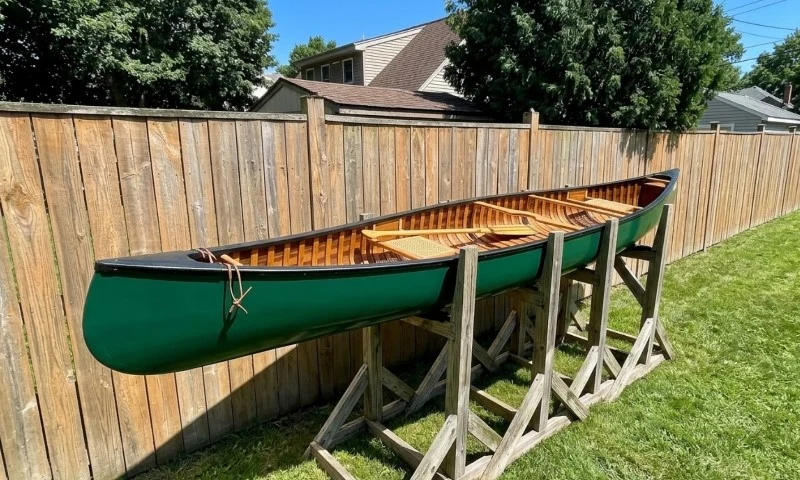
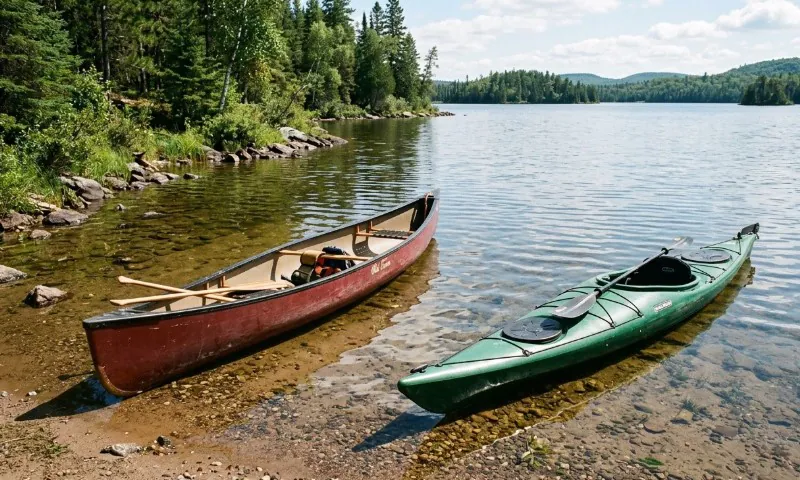
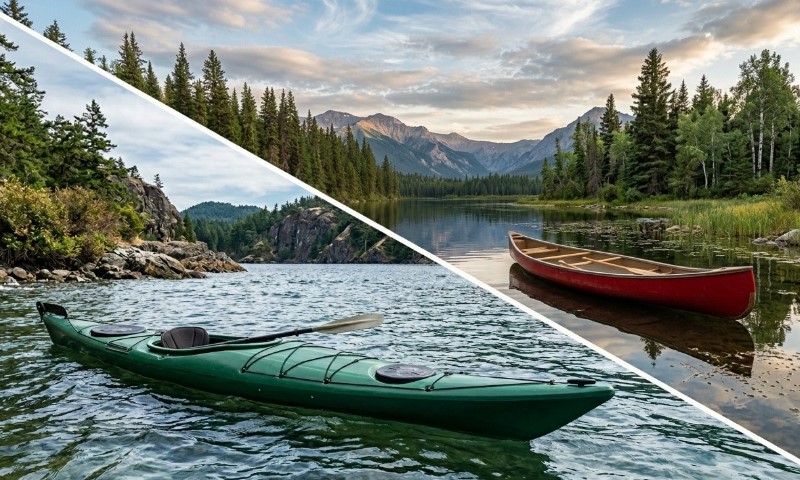
A canoe is traditionally an open-deck vessel. It features higher gunwales, a wider beam, and is propelled by a single-bladed paddle. Its design prioritizes interior volume, making it the "floating SUV" of the water—ideal for hauling gear, camping supplies, children, and pets.
A kayak, by contrast, is characterized by a closed or semi-open deck (though "sit-on-top" models are increasingly popular). The paddler sits closer to the waterline, utilizing a double-bladed paddle. This low-profile configuration reduces wind resistance and allows for more efficient, high-speed travel, making it the "sports car" of the waterways.
Chronology of Evolution: From Tradition to Modernity
The evolution of these crafts spans millennia. The canoe, historically crafted from birch bark or hollowed-out logs, served as the primary mode of transport for indigenous peoples across North America. It was a tool of survival, trade, and migration.
Kayaks, meanwhile, originated with the Inuit and Aleut peoples of the Arctic, designed as specialized hunting vessels. These were skin-on-frame boats built to navigate icy, turbulent waters where a low profile and the ability to stay dry were matters of life and death.
In the modern era, the lines have blurred. The late 20th and early 21st centuries saw the introduction of high-density polyethylene (plastic) construction, which made both craft affordable and durable for the masses. The 2020s have further revolutionized the market with the advent of ultra-portable folding kayaks and high-tech pedal-drive fishing kayaks, shifting the focus from survival utility to recreational specialization.
Supporting Data: Why the Choice Matters
The Outdoor Industry Association (OIA) notes that paddlesports participation is at an all-time high. However, the data also reveals a trend: many first-time buyers abandon the hobby within two years due to poor equipment selection.
| Factor | Canoe | Kayak |
|---|---|---|
| Paddle | Single-blade | Double-blade |
| Primary Advantage | Capacity & Utility | Efficiency & Speed |
| Learning Curve | Higher (Solo) | Lower (Solo) |
| Wind Handling | Poor (High profile) | Excellent (Low profile) |
| Stability | High (Initial) | High (Secondary) |
The "real-world consequence" of these differences is significant. A paddler who chooses a canoe for a windy, expansive lake will likely find themselves battling the elements, whereas a kayaker attempting to load a week’s worth of camping gear for four people will find themselves severely limited by storage space.
Official Guidance and Safety Implications
The United States Coast Guard (USCG) continues to emphasize that the vessel type matters less than the safety culture surrounding it. In 2024, boating accident reports indicated that a significant majority of water-related fatalities involved individuals who were not wearing a Personal Flotation Device (PFD).
The National Park Service (NPS) has issued formal guidelines stating that regardless of boat type, the "immersion factor" is the greatest risk. Cold water shock can incapacitate even elite swimmers in minutes. Consequently, both the USCG and the NPS advise that PFDs should be worn at all times, not merely stored on board.
Legal requirements also vary. While non-motorized vessels are often exempt from registration, the addition of a trolling motor—common in modern fishing kayaks—frequently triggers mandatory state registration. Furthermore, all paddlers must be aware that "Boating Under the Influence" (BUI) laws apply to canoes and kayaks just as strictly as they do to motorboats.
The Strategic Decision: Matching Boat to Purpose
The Case for the Canoe
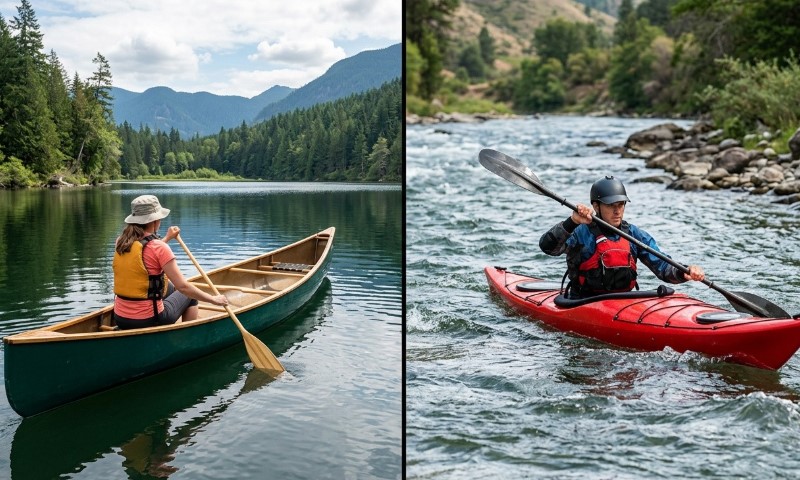
If your primary objective is social, the canoe is unrivaled. Its open design allows for face-to-face interaction, easy access to snacks, and the ability to supervise children or manage gear without exiting the vessel. It is the premier choice for:
- Family Excursions: Extra room for kids and pets.
- Overnight Camping: The ability to transport bulky coolers, tents, and dry bags.
- Shallow Waters: A shallower draft and high vantage point allow for better navigation in rocky, scenic rivers.
The Case for the Kayak
If your primary objective is personal performance or solo exploration, the kayak is superior. It offers a direct connection to the water.
- Fitness: The rhythmic, alternating motion of a double-bladed paddle provides a comprehensive upper-body workout.
- Efficiency: In windy conditions or on large bodies of water, the low-profile kayak cuts through chop far better than the wind-sensitive canoe.
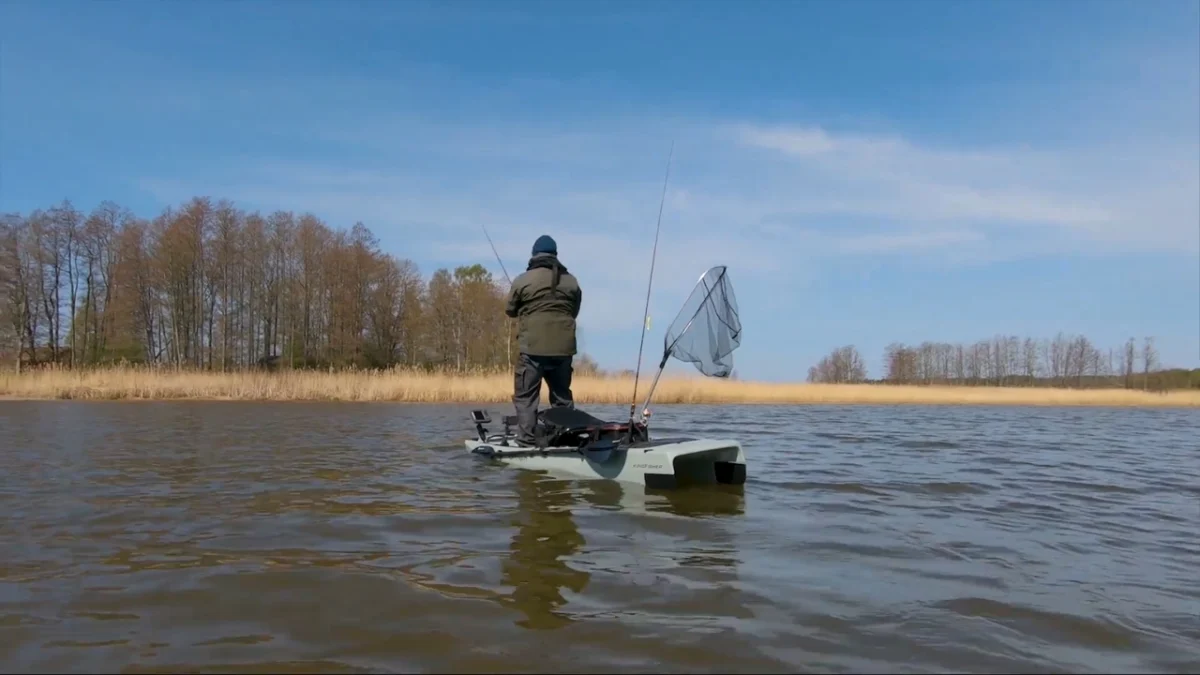
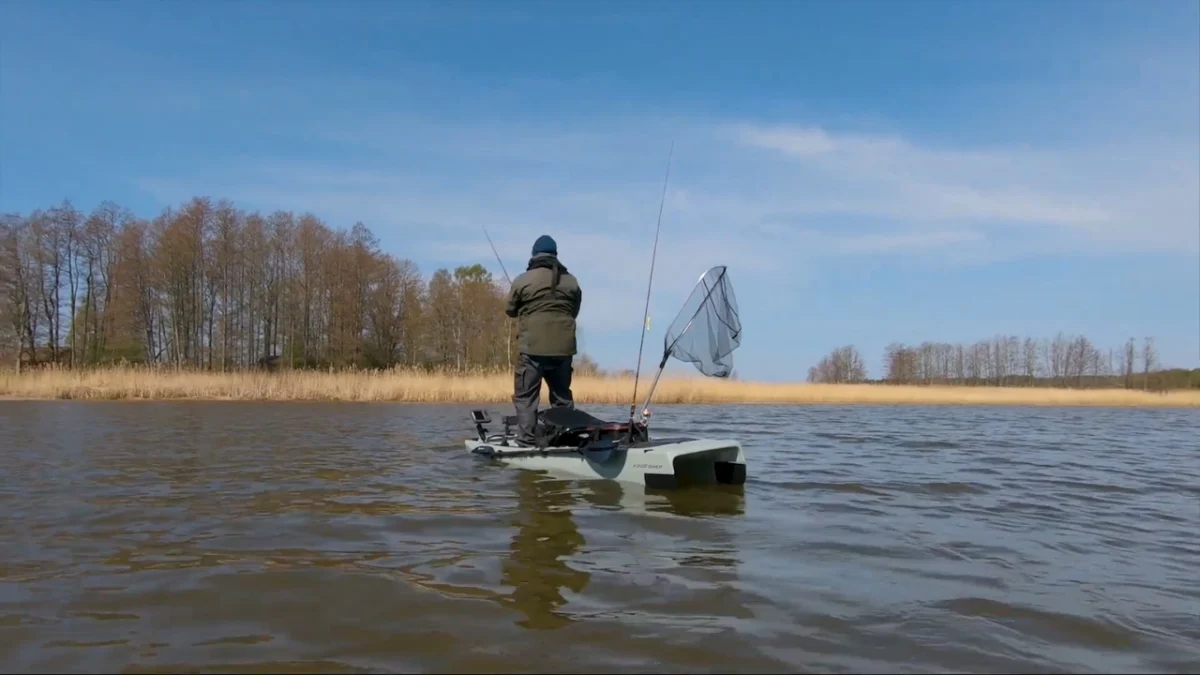
- Sport Fishing: Specialized fishing kayaks are now equipped with sonar, pedal-drives, and rod holders, turning the vessel into an efficient, hands-free fishing platform.
Infrastructure and Logistics: The "Un-fun" Part of Ownership
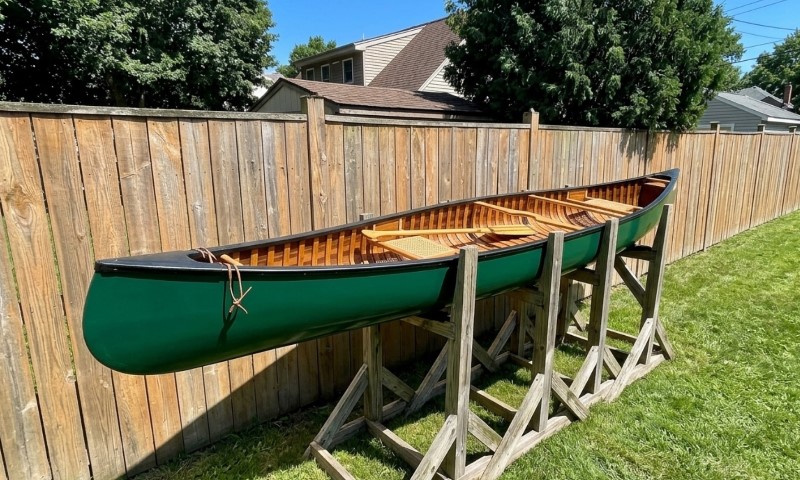
Prospective buyers often overlook the logistics of the "land phase." A 16-foot canoe requires a roof rack, significant upper-body strength to transport, and considerable storage space. If you live in an urban apartment, these requirements can render a traditional canoe a prohibitive burden.
Industry experts suggest five critical questions before purchase:
- Transportation: Can you physically lift this boat onto your vehicle alone?
- Storage: Do you have a garage, shed, or rack system to keep the hull out of the sun?
- Primary Use: Will you be paddling alone or with a group 80% of the time?
- Environment: Will you be on calm ponds or exposed, wind-swept reservoirs?
- Budget: Have you accounted for the "hidden costs" (PFDs, paddles, roof racks, and safety lights for night paddling)?
Expert Insights: The "Rent-Before-You-Buy" Mandate
Oliver Adler, an advocate for paddlesports, emphasizes that specs on a website cannot replicate the feel of a hull in the water. "The best boat is the one you actually use," Adler notes. "If a boat is too heavy or too difficult to launch, it will collect dust. Renting different models from local outfitters for a season allows you to experience the stability, tracking, and comfort of various hulls before making a significant investment."
Implications for Future Paddlers
As we move through 2026, the industry is seeing a shift toward specialized, modular, and lightweight materials. Carbon-fiber composites are making high-performance kayaks more accessible, while inflatable technology has advanced to the point where high-pressure drop-stitch kayaks perform nearly as well as their rigid counterparts.
However, the core reality remains unchanged: the vessel is merely the vehicle. The quality of your time on the water is dictated by your preparation, your adherence to safety protocols, and your ability to match your craft to the environment.
Summary Checklist for Beginners
- Dress for the water, not the air: Water temperatures are often far colder than the ambient air temperature.
- Know the water: Research the local currents, weather patterns, and boat traffic before launching.
- Master the basics: Take a basic paddling clinic to learn proper strokes; this prevents injury and improves efficiency.
- Safety first: A life jacket is only effective if it is being worn.
Ultimately, whether you choose the spacious, social, and versatile canoe or the sleek, efficient, and performance-oriented kayak, you are choosing to connect with the natural world. In an increasingly digital age, the quiet, rhythmic act of paddling remains one of the most effective ways to unplug, recharge, and engage with the environment. Choose wisely, prioritize your safety, and embrace the water.