In the world of professional river guiding, safety is the cornerstone upon which every expedition is built. Recognizing that the language of swiftwater rescue is universal, two senior instructors from the Whitewater Rescue Institute (WRI)—Ben Schmidt and Sam Johnston—embarked on an ambitious mission to Northwestern India in November 2024. Their objective: to bridge global safety standards with the unparalleled expertise of local Indian river guides, specifically those at the helm of Aquaterra Adventures, a vanguard of the outdoor industry in the region.
What began as a professional exchange of technical curriculum rapidly evolved into a profound cross-cultural immersion. From the sacred, turquoise-hued banks of the Ganga to the roaring, high-volume intensity of the Brahmaputra, this journey highlighted the critical intersection of professional training and the human spirit.
Chronology of the Expedition
The Arrival and the Valley of the Ganga
The journey commenced with a flight from the mountain town of Missoula, Montana, to Dehradun, India. Upon arrival, the WRI team was immediately thrust into the vibrant, sensory-rich tapestry of Indian life—a landscape defined by bustling marketplaces, the perpetual soundtrack of honking horns, and the unique coexistence of urban life and wandering livestock.
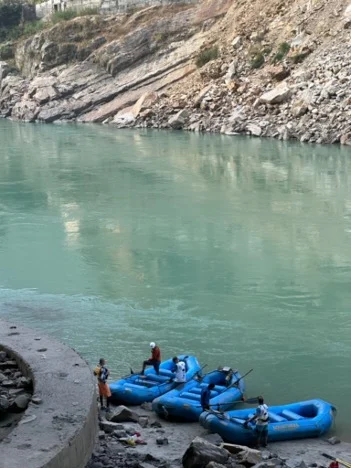
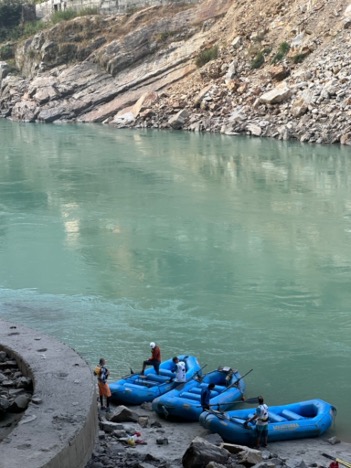
Traveling north to Rishikesh, the instructors reached Atali Ganga, the primary basecamp for Aquaterra Adventures. Perched above the swirling, turquoise currents of the Ganga, the camp offered a gateway into a rugged, untamed world. For Schmidt and Johnston, the environment was immediately striking. Giant, hand-sized orb weaver spiders populated the trees, and macaques navigated the stone pathways, watching the newcomers with a mix of curiosity and cautious skepticism. It was here, in this heart-of-the-world atmosphere, that the collaboration officially began.

Collaborative Training on the Ganga
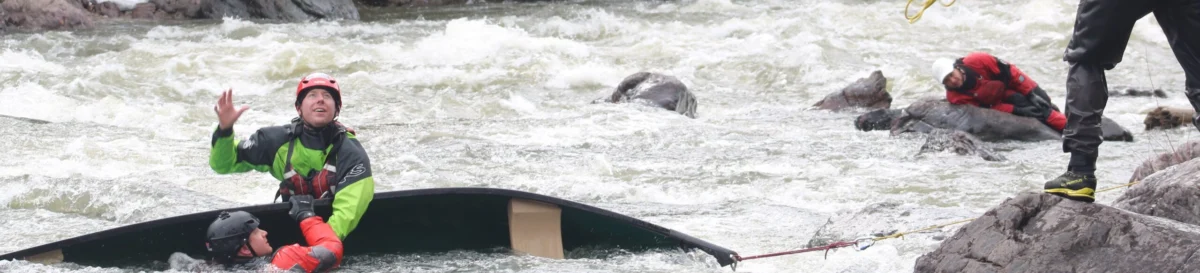
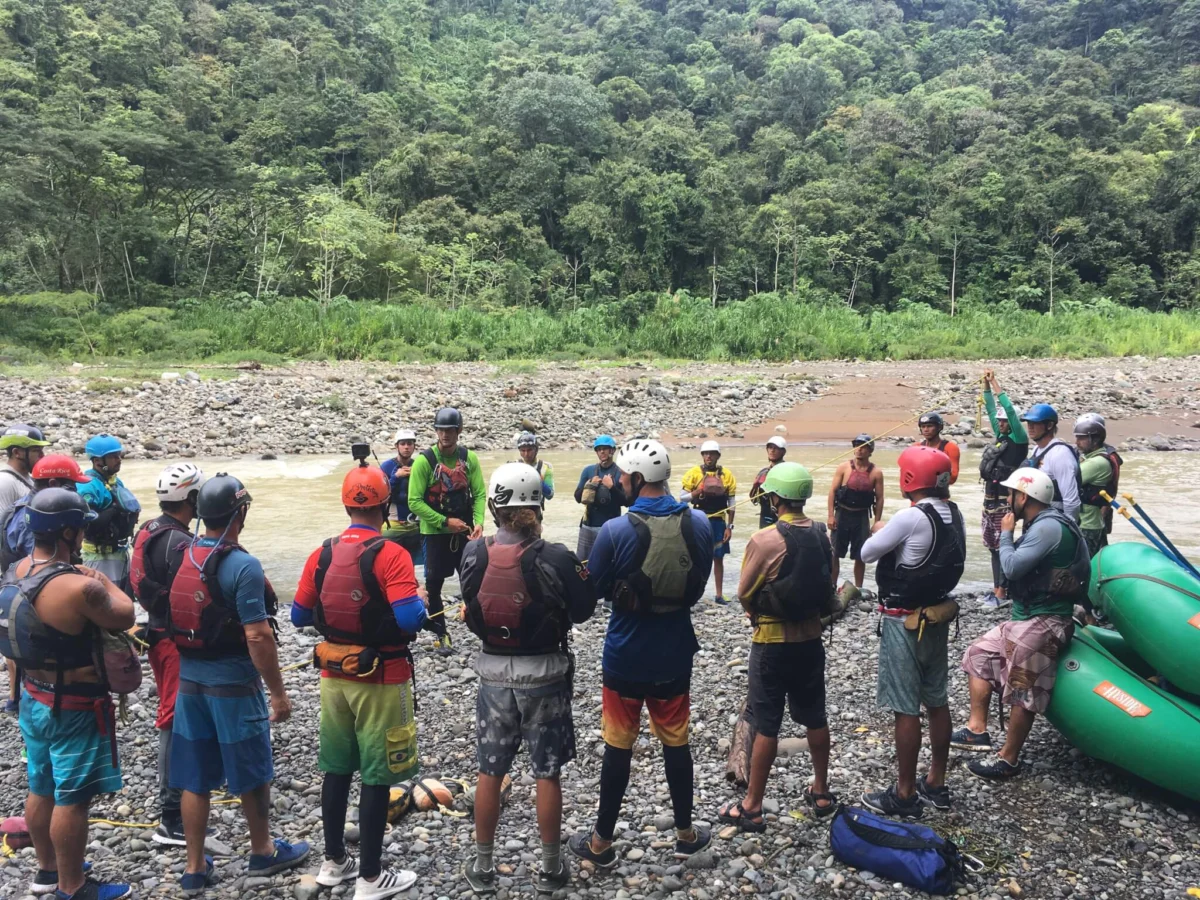
The curriculum implemented by WRI focused on rigorous, standardized swiftwater rescue protocols. Working alongside the Aquaterra team, the instructors facilitated intense sessions designed to standardize risk management across the board.
The training covered essential safety pillars:

- Universal Risk Management: Establishing upstream and downstream safety protocols and formal emergency response plans.
- Advanced Water Skills: Mastery of aggressive and defensive swimming, precise rescue swimming techniques, and high-stakes throwbag deployment.
- Scenario-Based Learning: Navigating complex inflow rescue situations that mirrored the unique challenges of the Ganga’s high-volume, boulder-strewn bed.
What struck the WRI instructors most was not just the students’ capacity to learn, but their innate mastery of the river. Many of the Aquaterra guides had been born and raised near the tributaries of the Ganga. Their local knowledge, combined with the sheer scale of the mountains and rivers they call home, created a level of river reading skill that was described by the WRI team as both "impressive and humbling."
The Journey East: The Brahmaputra
Following ten days of training on the Ganga, the WRI team shifted their focus to the legendary Brahmaputra River in the Arunachal Pradesh Province. Logistics for such an expedition were managed with the assistance of Aquaterra owner Vaibhav Kala, whose oversight proved essential in navigating the complexities of Indian transit, from flight scheduling to crucial advice on health and nutrition.

After a two-day drive into the heart of the province, the team converged with a group of seasoned expeditioners. The final leg of the journey was defined by the sheer magnitude of the Brahmaputra—a river of such force that it demands total respect. Led by veteran guide Rana G, who was completing his 23rd descent of the river, the team navigated rapids characterized by 30-foot waves and bus-sized lateral hydraulics.
Supporting Data and Technical Context
The training sessions were not merely academic; they were grounded in the physical reality of high-consequence environments.

River Dynamics and Technical Metrics:
- Hydraulic Force: During the Brahmaputra descent, the expedition encountered water speeds reaching 20 miles per hour, as recorded by GPS instrumentation.
- Risk Profile: The use of 30-foot wave faces required precise boat management and aggressive, coordinated paddling efforts.
- Standardization: The WRI curriculum ensured that the language used during these high-pressure moments—such as "Hard Forward!"—was understood with total clarity, minimizing the latency between decision and action.
The effectiveness of this training was validated through the shared evening sessions around driftwood fires. These gatherings were not just social; they served as post-action reviews where the team analyzed the day’s maneuvers, debated safety strategies, and reinforced the bonds of trust necessary for any successful river expedition.

Official Perspectives and Professional Insights
In the words of Sam Johnston, the experience went beyond a standard professional seminar. "The students’ passion to learn and master these techniques was truly inspiring," he noted. "By the end of our time on the Ganga, we felt confident that the guides were ready to incorporate WRI’s curriculum and approach to pass it on to local guides and enthusiasts."
The mentorship was reciprocal. While the WRI instructors brought the framework of formal rescue protocols, the Aquaterra guides brought the "wisdom of the river"—a deep, intuitive understanding of the specific hydrology of the Himalayas. This exchange created a robust safety culture, one that respects the power of the river while acknowledging that the most effective tool in any rescue scenario is a well-trained, calm, and collaborative team.

Implications for the Outdoor Industry
The collaboration between WRI and Aquaterra Adventures serves as a blueprint for the future of international outdoor education. Several key implications emerge from this expedition:
1. The Universal Language of Safety
The success of the training sessions confirms that while local geography varies, the principles of swiftwater rescue are universal. By promoting a standardized curriculum, WRI is helping to elevate the safety profile of the Indian river tourism industry, potentially setting a new standard for guides operating in high-volume, glacial-fed rivers.

2. Cultural Stewardship and Sustainability
The expedition highlighted the importance of indigenous knowledge. The local guides’ ability to read the river—honed over a lifetime—provided a depth of context that formal manuals cannot replicate. Future training models should prioritize this "two-way street" of knowledge sharing to be truly effective.
3. The Psychological Dimension of Expeditions
Johnston’s reflection that "river-running isn’t about conquering the river, but about conquering something within yourself" underscores the psychological component of adventure sports. As these guides continue to lead trips, the skills they have acquired will not only protect their clients but will also enhance their own confidence and leadership capabilities.

4. Professional Networking and Logistics
The logistical support provided by Aquaterra owner Vaibhav Kala highlights the necessity of local partnerships in international expeditions. Without this infrastructure, the professional exchange would have been significantly more difficult, suggesting that future international training initiatives should prioritize long-term, established local partners.
Conclusion
As the team reached the takeout of the Brahmaputra, the journey’s end marked the beginning of a new phase for all involved. For the WRI instructors, the experience was a profound reminder of their responsibility as stewards of the world’s wild places. By sharing technical knowledge and fostering a culture of safety, they are not only protecting individuals but are also helping to preserve the integrity of the rivers themselves.

This expedition has proven that, whether on the Ganga or the Brahmaputra, the true measure of a successful journey is the strength of the community forged in the rapids. Through the ongoing partnership between the Whitewater Rescue Institute and Aquaterra Adventures, the story of these rivers will continue to be told—not just through the thrill of the descent, but through the commitment to the safety and expertise that allows such adventures to thrive for generations to come.