By Samuli Haapasalo | August 4, 2026
For over half a century, the Varanger Peninsula in northern Norway has served as a sensory benchmark for the health of our oceans. Since 1971, I have returned to these rugged, wind-battered coastlines, observing the ebony-and-ivory spectacle of the black-legged kittiwake (Rissa tridactyla). These vocal, agile seabirds were once the undisputed masters of the northern cliffs, occupying the crags in numbers reaching hundreds of thousands.
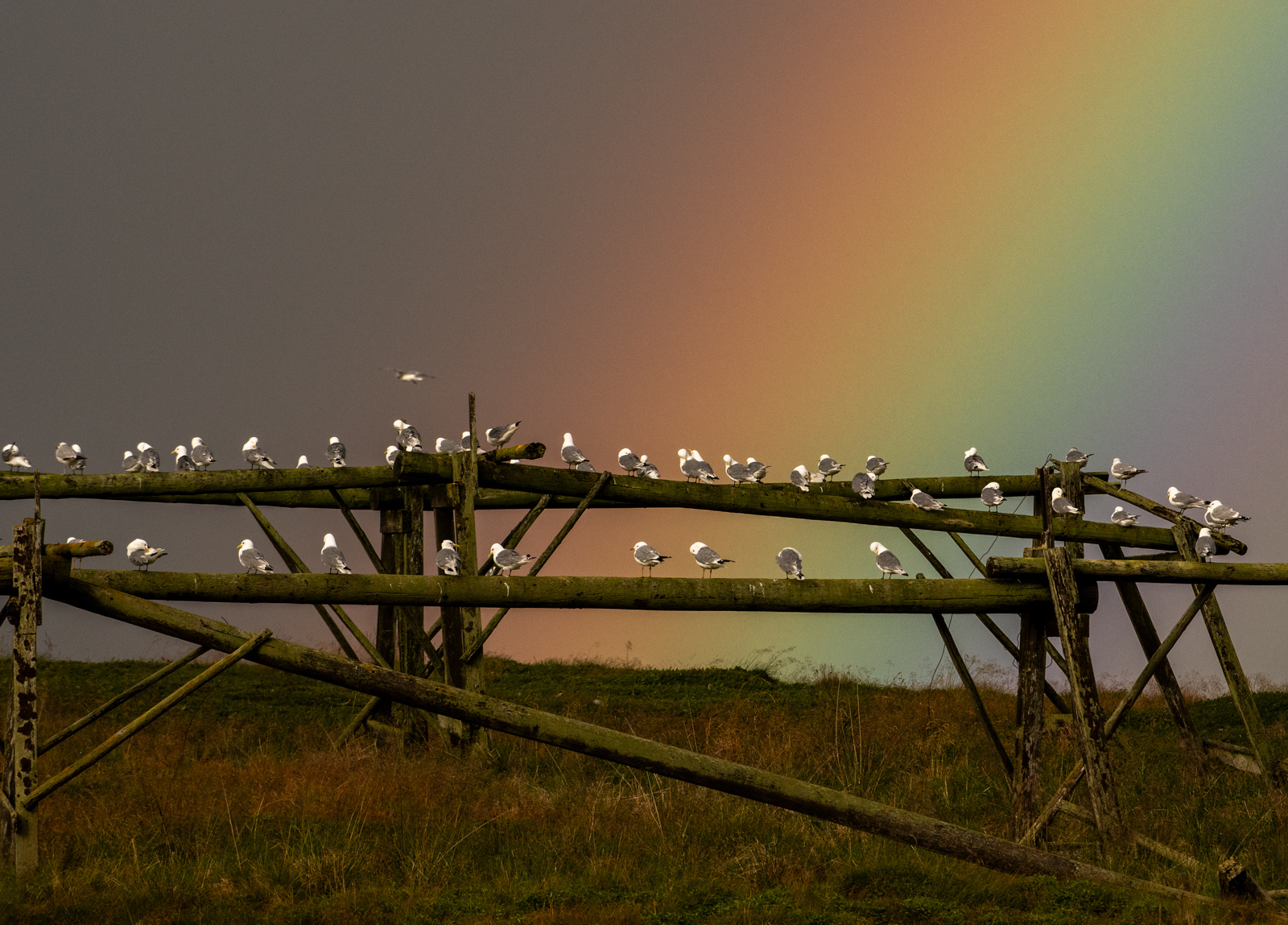
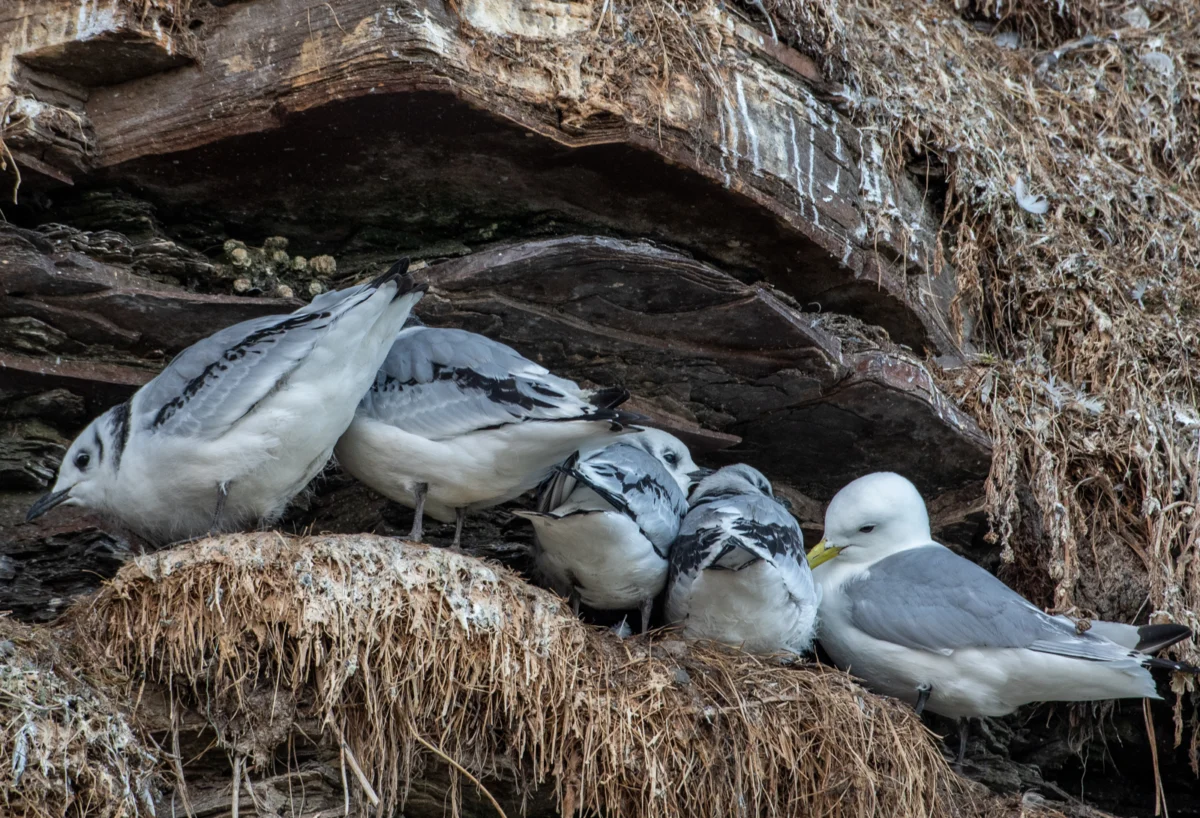
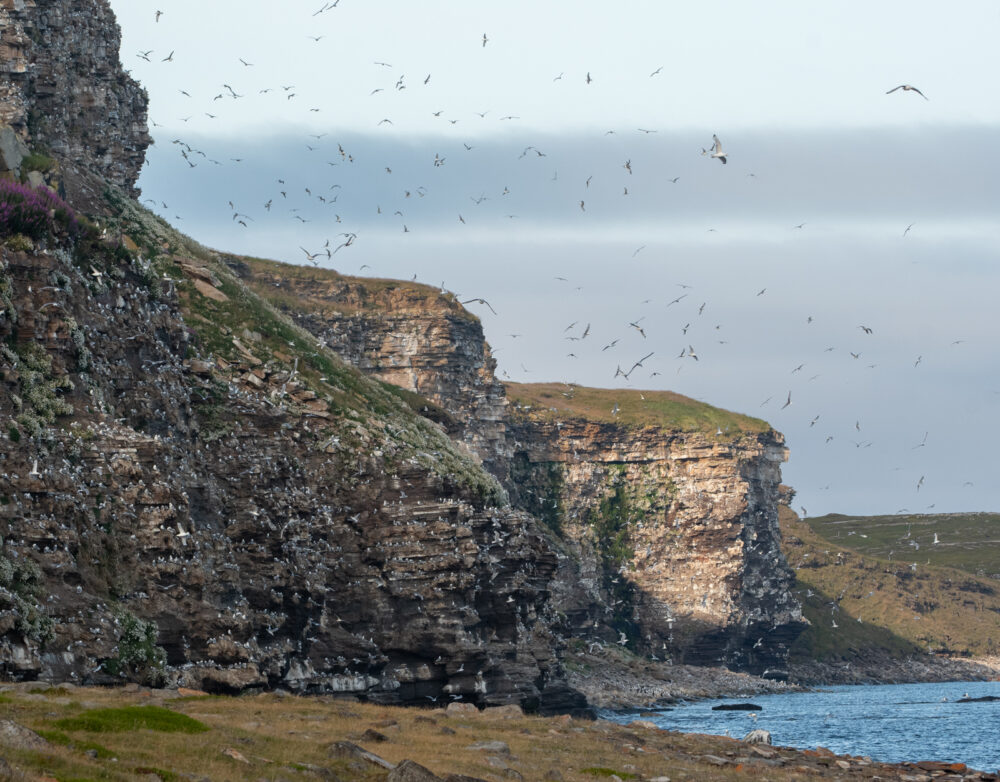
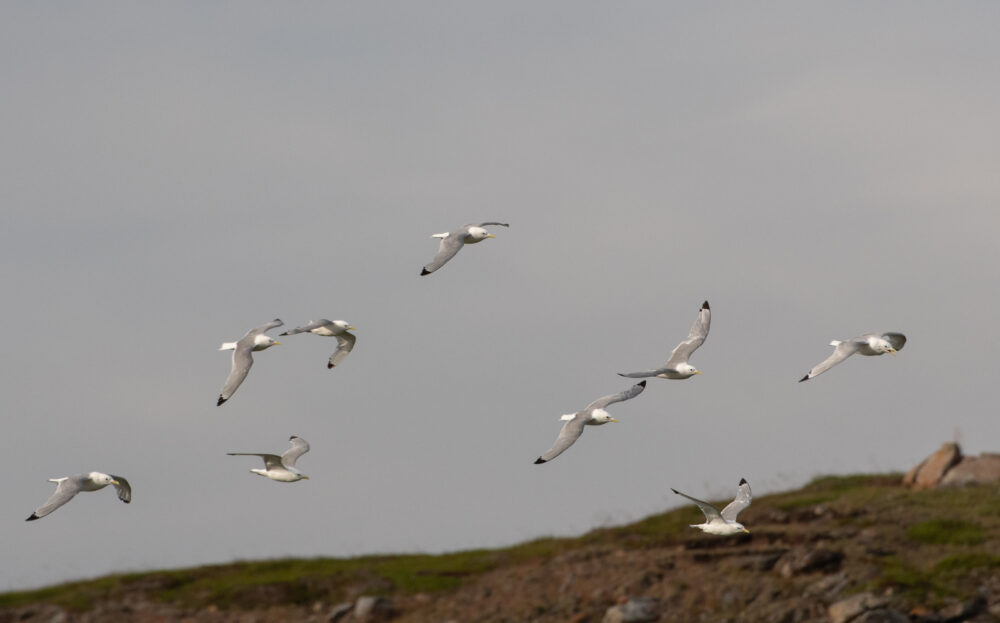
However, the summer of 2026 presents a complex narrative. While the iconic colonies at Syltefjordstauran often stand hauntingly silent—a stark reminder of the broader ecological crisis facing seabirds across Norway and Scotland—the smaller, historically volatile colony at Ekkerøy offers a flicker of resilience. This season, against a backdrop of systemic environmental decline, the kittiwakes at Ekkerøy have defied the odds, raising a new generation amidst the shifting tides of the Barents Sea.
Main Facts: A Species Under Pressure
The black-legged kittiwake is a bellwether species. Its breeding success is inextricably linked to the availability of energy-dense prey, primarily sandeels and small crustaceans. When these food sources are abundant, the colonies thrive. When they vanish, the birds do not merely starve; they often skip breeding entirely.
Recent observations indicate that the fundamental problem is not a lack of nesting habitat, but a fundamental collapse in the marine food web. As global temperatures rise, the cold-water fish stocks that kittiwakes depend upon are migrating further north, retreating into deeper, cooler waters or shifting their ranges entirely. Compounding this, human industrial fishing practices have intensified the competition for the same forage fish that support the kittiwake’s lifecycle. The result is a widening chasm between the arrival of the birds and the availability of the food required to nourish their chicks.
A Chronological Perspective: From Abundance to Scarcity
Tracing the history of the Varanger kittiwake colonies since 1971 reveals a painful trajectory of decline.
- 1970s–1990s: The "Golden Era" of the cliffs. Colonies like Syltefjordstauran were densely packed. The air was perpetually filled with the guttural, rhythmic calls of tens of thousands of birds. Reproductive success was consistent, and the seas appeared inexhaustible.
- 2000s–2015: The onset of the "Quiet Years." Observers began noting gaps in the nesting ledges. The birds arrived in spring as usual, but the frantic, energetic activity associated with chick-rearing became increasingly sporadic.
- 2016–2025: A period of instability. Entire colonies began to remain empty for consecutive seasons. Scientists identified the "mismatch hypothesis": the timing of the birds’ migration and nesting no longer aligned with the peak availability of prey.
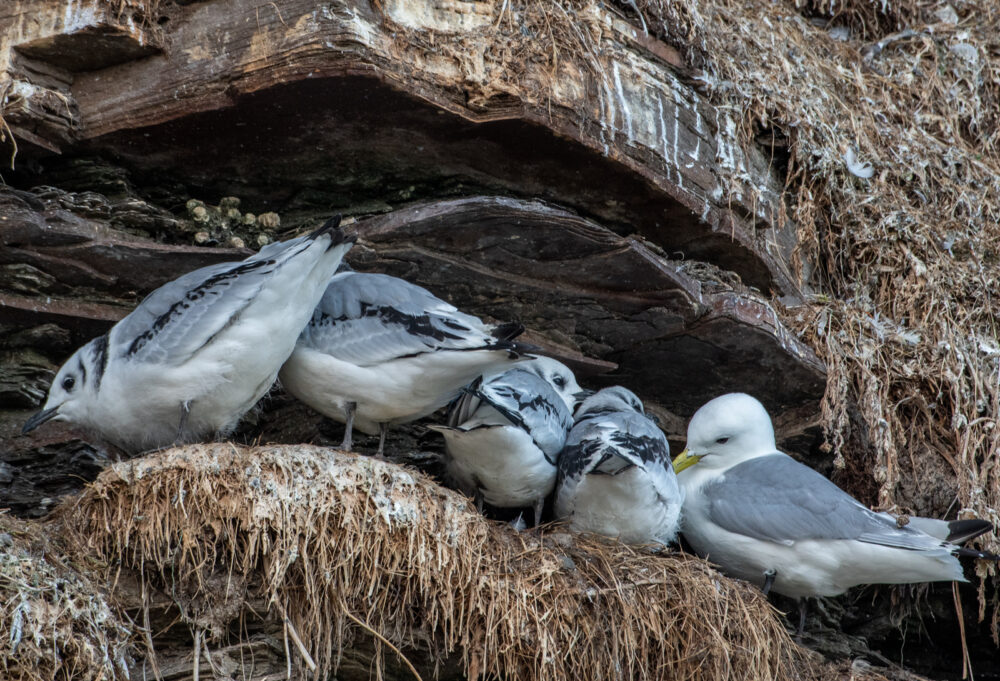
- August 2026: A summer of contrast. While the major regional strongholds remain largely desolate, the Ekkerøy colony—which has faced near-total abandonment in recent years—has shown a surprising, if fragile, recovery. As of early August 2026, the cliffs are once again active, and many chicks have successfully reached the fledging stage.
Supporting Data: The Mechanics of Collapse
The decline of the kittiwake is not a localized phenomenon; it is a symptom of a global marine crisis.
The Prey Gap
Kittiwakes are surface feeders, meaning they rely on prey species that are forced to the surface by larger predators or current patterns. As marine heatwaves become more frequent, the metabolic costs for these fish species increase, often forcing them to move to depths beyond the reach of the kittiwake. When a parent bird must fly dozens, or sometimes hundreds, of kilometers further to find food, the energy expenditure required to sustain a brood becomes untenable.
The Climate-Fisheries Nexus
The issue is compounded by the "double-squeeze" effect:
- Climate Change: Warming waters are altering the distribution of plankton, which forms the base of the food web.
- Industrial Fishing: Large-scale commercial operations continue to harvest sandeels and capelin for industrial use, such as fishmeal and oil. By removing the foundation of the marine food web, we are effectively starving the predators at the top, including the kittiwake, the puffin, and the guillemot.
Official Responses and Scientific Consensus
International bodies, including the OSPAR Commission and various Nordic environmental agencies, have long designated the black-legged kittiwake as a species of high concern. The consensus among ornithologists is that without the establishment of Marine Protected Areas (MPAs) that specifically restrict industrial fishing for forage fish, the recovery of these colonies will be impossible.
In Norway, there have been ongoing debates regarding the implementation of stricter quotas for sandeel fishing. Environmentalists argue that "precautionary management" is no longer enough; we require active restoration of the marine ecosystems. The success at Ekkerøy this year, while heartening, is viewed by researchers as an "ecological anomaly"—a localized patch of favorable conditions rather than a sign of a broader population recovery.
Implications: A Call for Evidence-Based Policy
The situation at the Varanger cliffs in August 2026 serves as a microcosm for the planetary crisis. When we see the cliffs go quiet, we are witnessing the breakdown of an ancient contract between the land and the sea.
The Need for Hard Truths
Scientific data continues to grow, and with it, the "pain of knowledge." We know exactly why the kittiwakes are failing. We know that the warming of the oceans is directly linked to greenhouse gas emissions and that industrial overfishing is depleting the pantry of the North Atlantic. The challenge is no longer about gathering more data; it is about having the political courage to act upon the information we already possess.
The Role of Conservation
Conservation is not merely about protecting nesting sites from disturbance; it is about protecting the energy that sustains those sites. If the sea is empty of fish, the cliff-side protections are meaningless. We must transition toward an ecosystem-based management approach that views the ocean as a living entity rather than a resource bank to be depleted.
A Note of Hope
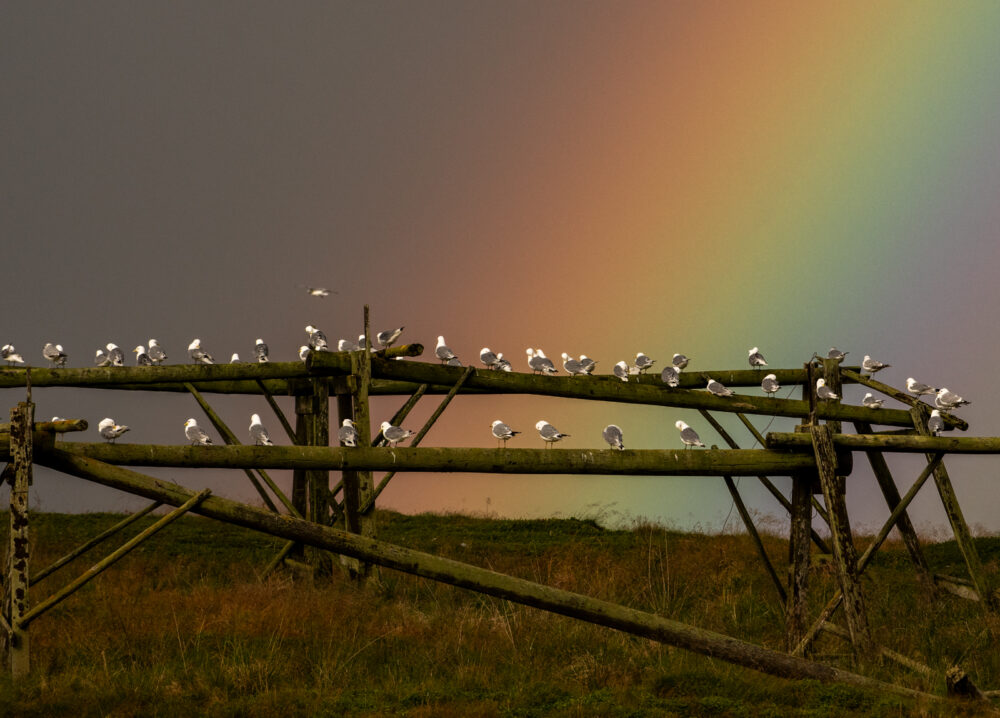
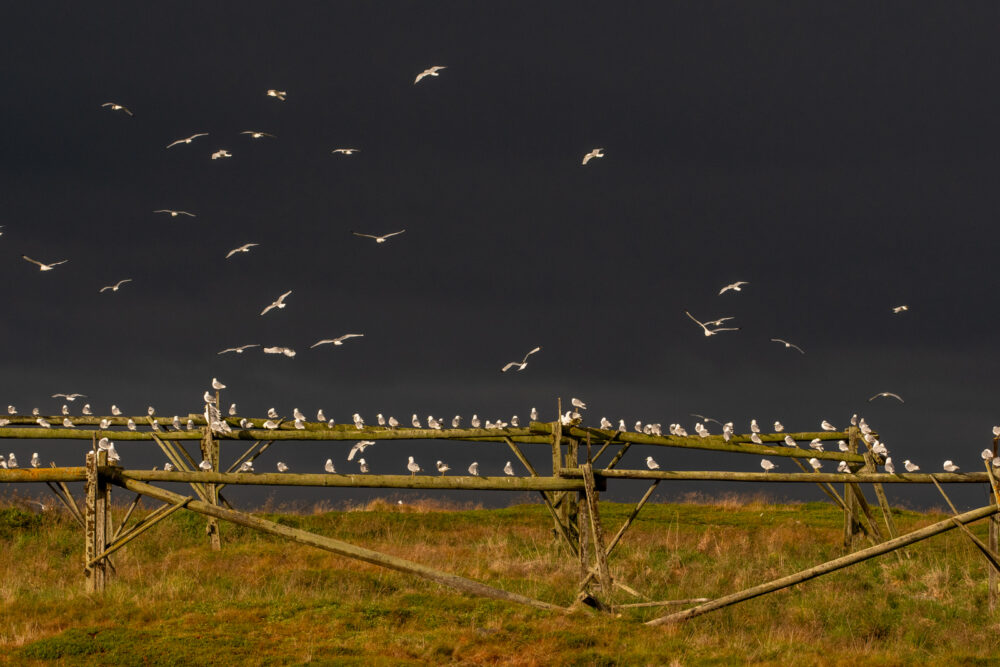
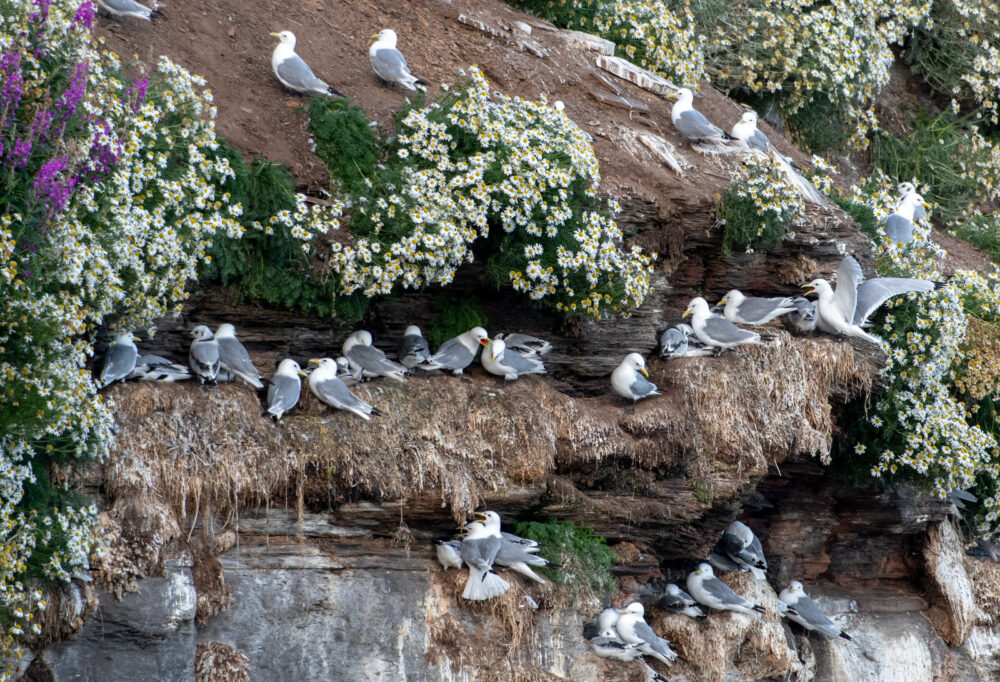
Despite the gravity of the situation, despair is not an option. The return of the kittiwakes to the ledges of Ekkerøy this summer, captured in the images of a productive, bustling colony, reminds us that nature possesses a remarkable capacity for recovery—if given a chance. The sight of a healthy, fledged chick on the crags is a testament to the resilience of the species.
However, we must be careful not to mistake a single good year for a long-term solution. Our duty is to ensure that the "light" we have seen on the cliffs this August is not merely a final, flickering gasp, but the beginning of a sustained effort to restore the vitality of our northern oceans.
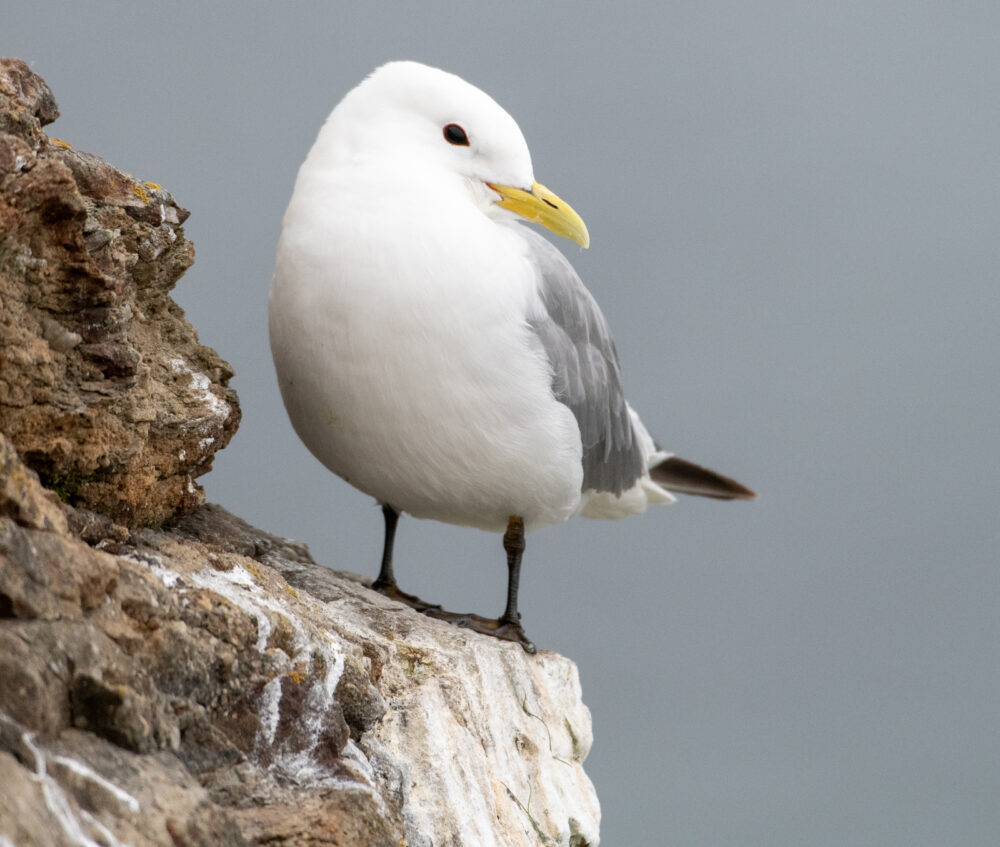
The future of the black-legged kittiwake is inextricably linked to our own. As we watch the birds return from their long, arduous journeys across the sea, we must ask ourselves: what kind of ocean are we leaving for them—and for the generations that follow? The answer lies in the policies we enact, the fisheries we manage, and the urgency with which we address the changing climate.
As I look out over the rainbow-drenched cliffs of Ekkerøy, I am reminded that the beauty of the natural world is not a guarantee; it is a responsibility. We have the knowledge. Now, we must find the resolve.