By Samuli Haapasalo
Published: August 25, 2026
The Ruddy Turnstone (Arenaria interpres) is a creature of striking contrasts. With its vividly patterned, tortoiseshell plumage and a characteristically sharp, piercing call, it is one of the most recognizable, yet increasingly elusive, inhabitants of our northern shorelines. However, behind its vibrant appearance lies a sobering reality: the Ruddy Turnstone is currently classified as critically endangered in Finland, a status that reflects a broader, systemic decline in biodiversity across the Baltic region.
Main Facts: A Species in Peril
The decline of the Ruddy Turnstone is not a localized phenomenon but a widespread environmental crisis. Historically, these birds were a common sight along the Finnish coastline. Today, they have vanished almost entirely from the inner archipelago. While remnant populations persist in the Archipelago Sea and the Kvarken region, their numbers in the Gulf of Finland are a mere fraction of what they were half a century ago.
Remarkably, despite this sharp decline, the species exhibits a degree of ecological resilience, with a handful of pairs occasionally choosing to nest in the challenging environments of large inland lakes. However, these are exceptions that highlight the desperation of a species searching for safe havens. In neighboring Estonia, the situation is equally dire, with only a few dozen pairs remaining, placing the species on the brink of regional extinction.
Chronology: A Season in the Far North
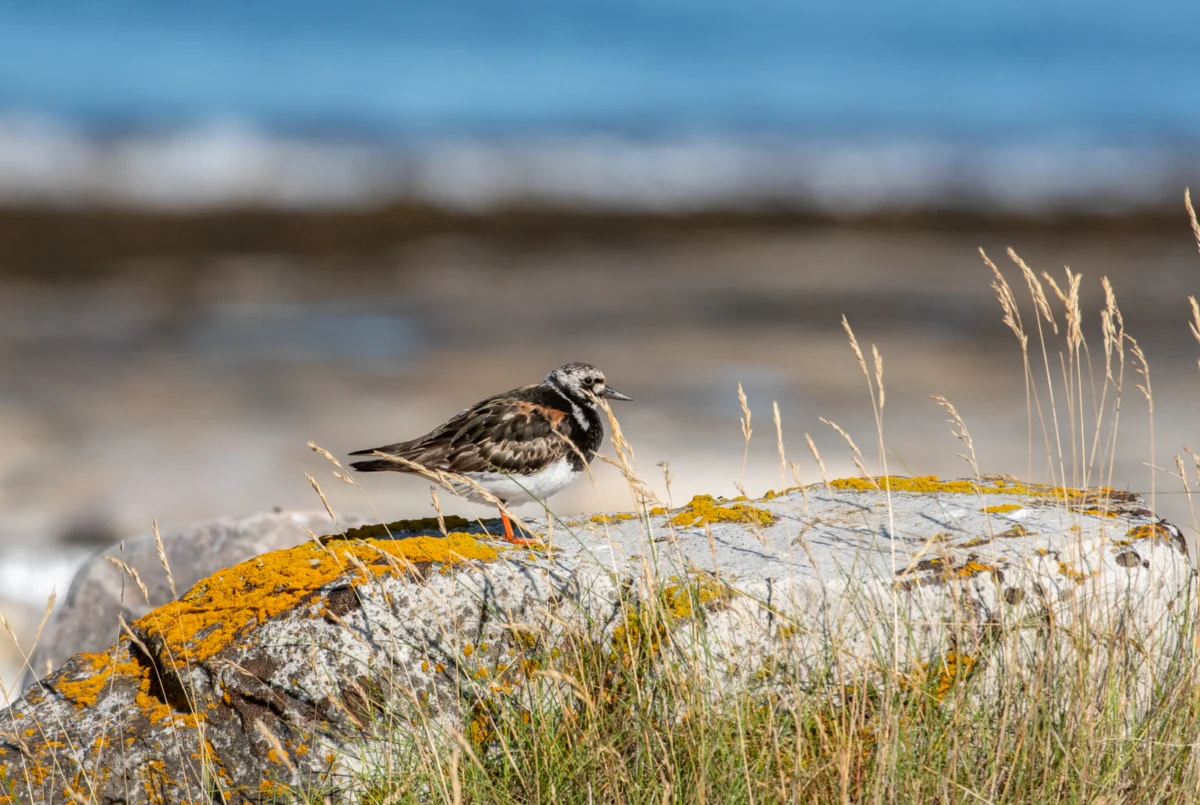
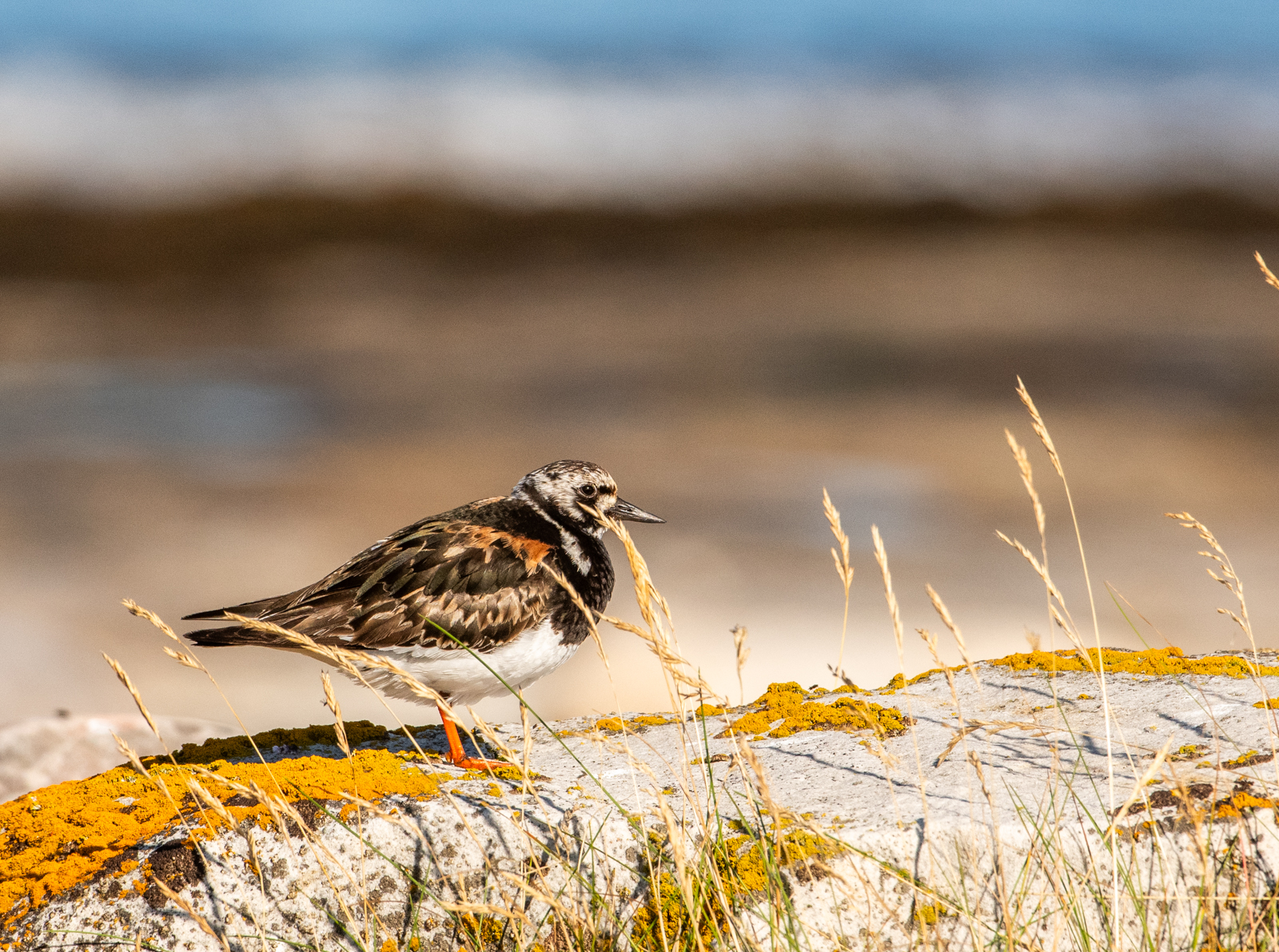
In late July 2026, on the rugged, windswept shores of the Varanger Fjord in Norway, the urgency of the Turnstone’s situation was brought into sharp focus. The Ekkerøy area, known for its rich avian life, provided a rare glimpse into the bird’s reproductive cycle.
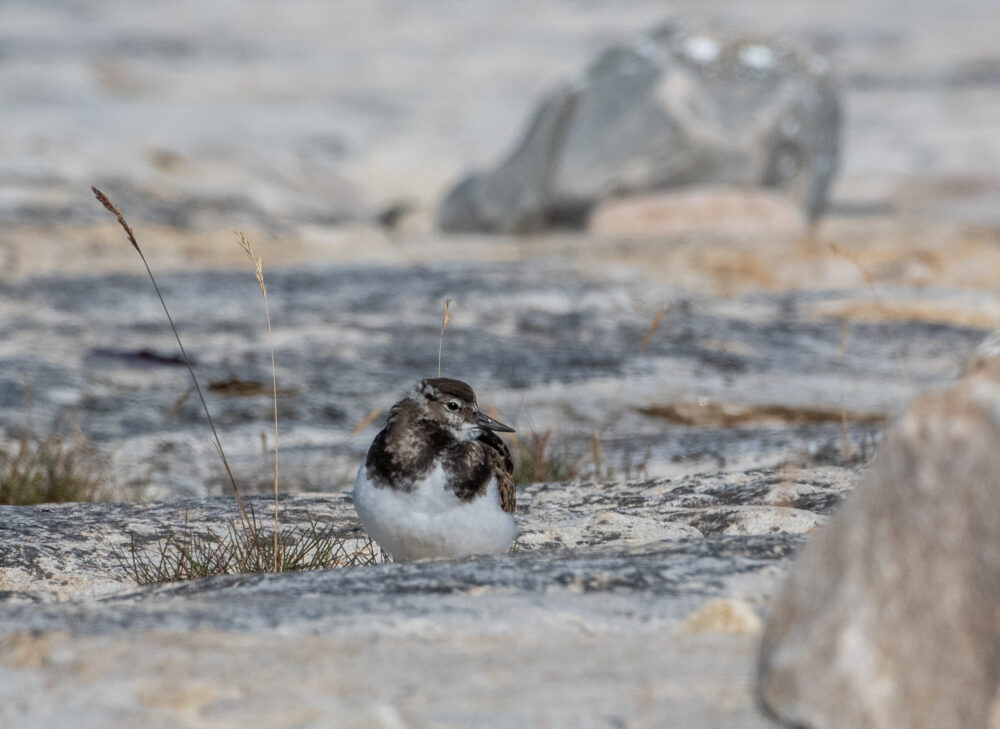
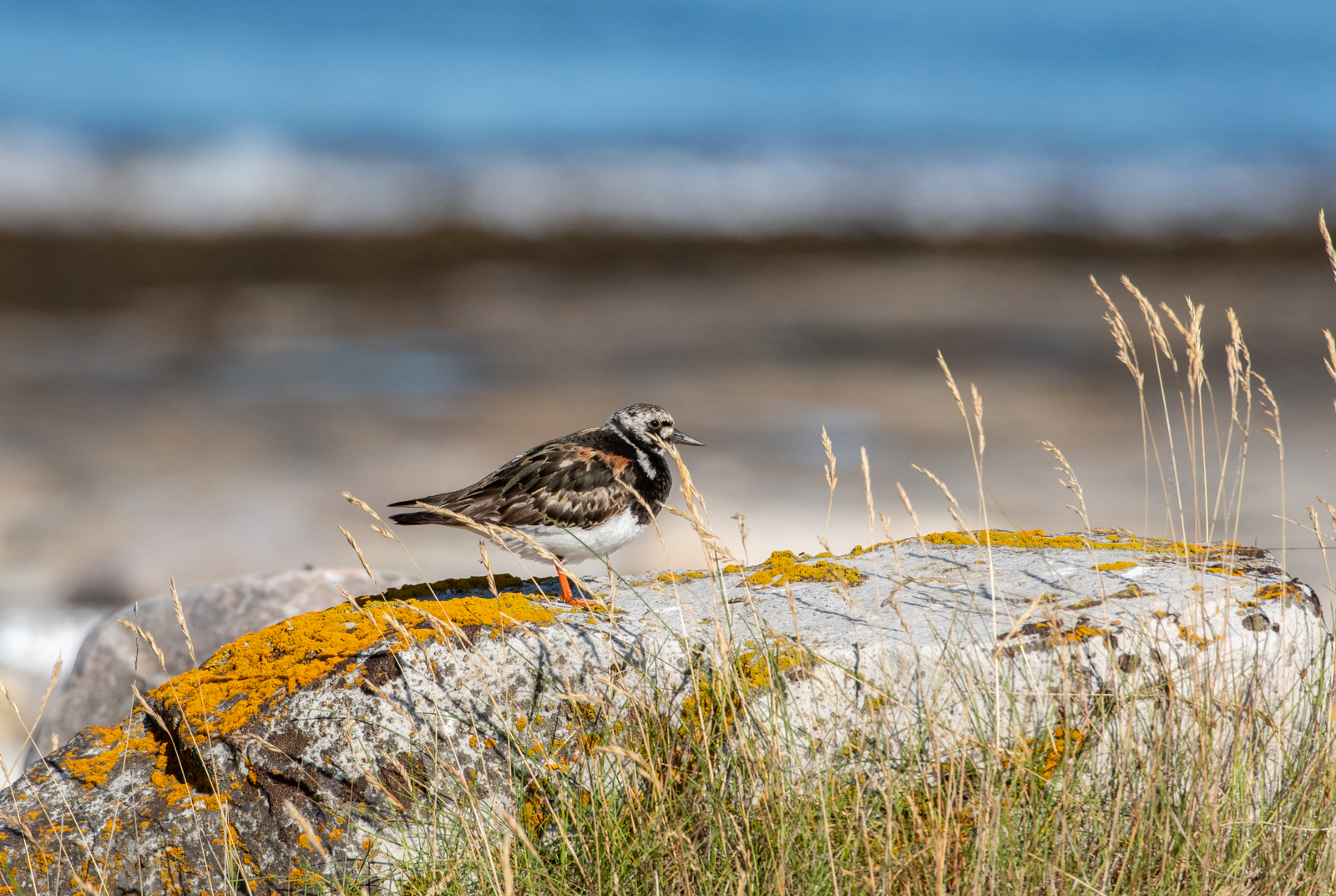
A single adult was observed perched upon a lichen-covered rock, its vocalizations sharp and persistent—a defensive alarm call meant to ward off intruders. The reason for this vigilance soon became apparent: tucked behind the coastal boulders, a juvenile was hunkered down in the sparse vegetation. While one fledgling had successfully reached near-adult size, the presence of the parent suggested others might be hiding within the safety of the tall grasses.
This sighting at Varanger Fjord is significant. While the species is struggling in Finland and Estonia, it has fared better in the northern reaches of Norway. Even there, however, the Turnstone is monitored as a species of concern. The observation confirms that while reproductive success is still possible, the window for survival is narrowing as habitats become increasingly fragmented and predator-rich.
Supporting Data: The Invasive Threat
The primary driver behind the Turnstone’s disappearance is not climate change alone, but the devastating impact of an invasive species: the American mink (Neogale vison).
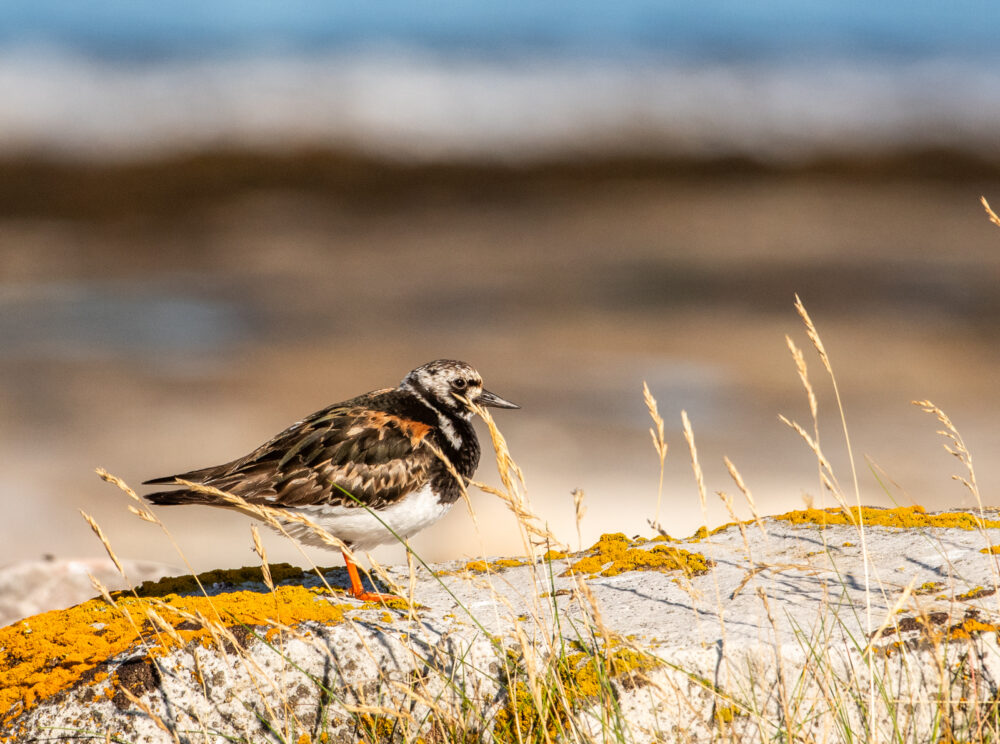
The Ruddy Turnstone typically nests in small colonies, laying three to four eggs in a scrape hidden beneath rocks or within dense moss. While these sites are designed to be cryptic, they are no match for the American mink. As an exceptionally skilled swimmer and a tireless hunter, the mink has successfully colonized even the most remote outer islets that were once considered impregnable sanctuaries for ground-nesting birds.
Data from wildlife biologists indicate that the removal of invasive predators is the single most effective intervention for the recovery of coastal waders. Because the mink is capable of reaching the furthest, most isolated reefs, the survival of the Turnstone is inextricably linked to intensive, landscape-scale eradication programs. Without a coordinated effort across Finnish, Estonian, and Norwegian borders to eliminate these invasive populations, the protective measures currently in place—such as travel restrictions during nesting seasons—will continue to be insufficient.
Implications: Ecological Connectivity and Human Disturbance
The Ruddy Turnstone is a highly adaptable feeder, a trait that serves both its survival and its vulnerability. In cases where primary prey sources are scarce, or when competition with larger gulls and terns becomes intense, the Turnstone has been known to opportunistically predate upon the eggs of other seabirds. This behavior underscores the complexity of the coastal ecosystem; when one species begins to disappear, the ripple effects are felt throughout the food web.
The sensitivity of these birds to human presence cannot be overstated. During the critical months of spring and summer, the presence of boaters, recreational fishermen, and hikers near nesting islets causes significant stress. The act of an adult flushing from its nest exposes eggs and chicks to both the elements and opportunistic predators.
Consequently, the enforcement of "no-landing" zones on bird-nesting islets during the breeding season is not merely a bureaucratic regulation; it is a biological necessity. Research suggests that even minor, repeated disturbances significantly decrease the likelihood of successful chick rearing. As we look toward the future of the Baltic and Arctic ecosystems, we must reconcile our recreational desires with the biological imperatives of species that have no other place to turn.
Official Responses and Future Outlook
Conservationists and ornithologists are calling for a more aggressive approach to habitat management. The current strategy of passive protection is failing. Experts argue that we need a tripartite approach:
- Predator Control: Scaling up the removal of the American mink as a primary biodiversity priority.
- Strict Seasonal Access: Stricter enforcement of maritime navigation and recreational access bans in protected areas.
- Transboundary Collaboration: Standardizing the monitoring and protection status of the Turnstone across the Fennoscandian-Baltic migratory corridor.
The plight of the Ruddy Turnstone serves as a bellwether for the health of our northern wetlands and archipelagos. When we lose such a specialized, vibrant species, we lose more than just a bird; we lose a piece of the biological architecture that has defined these landscapes for millennia.
The image of the adult Turnstone on the Varanger cliffs, guarding its solitary chick, is both an inspiration and a warning. It is an inspiration because it shows that, given the right conditions, life persists. It is a warning because those conditions are becoming increasingly rare. If we are to preserve the diversity of our coasts, we must act with the same persistence and sharpness that defines the bird itself. The path forward requires a renewed commitment to the wild—a commitment that prioritizes the protection of the vulnerable over the convenience of the many.
As we move toward 2027 and beyond, the Turnstone remains a symbol of our shared responsibility. The choice is whether we will watch this species disappear from our maps, or if we will provide the sanctuary necessary for its song to continue echoing across the rocks of the north.