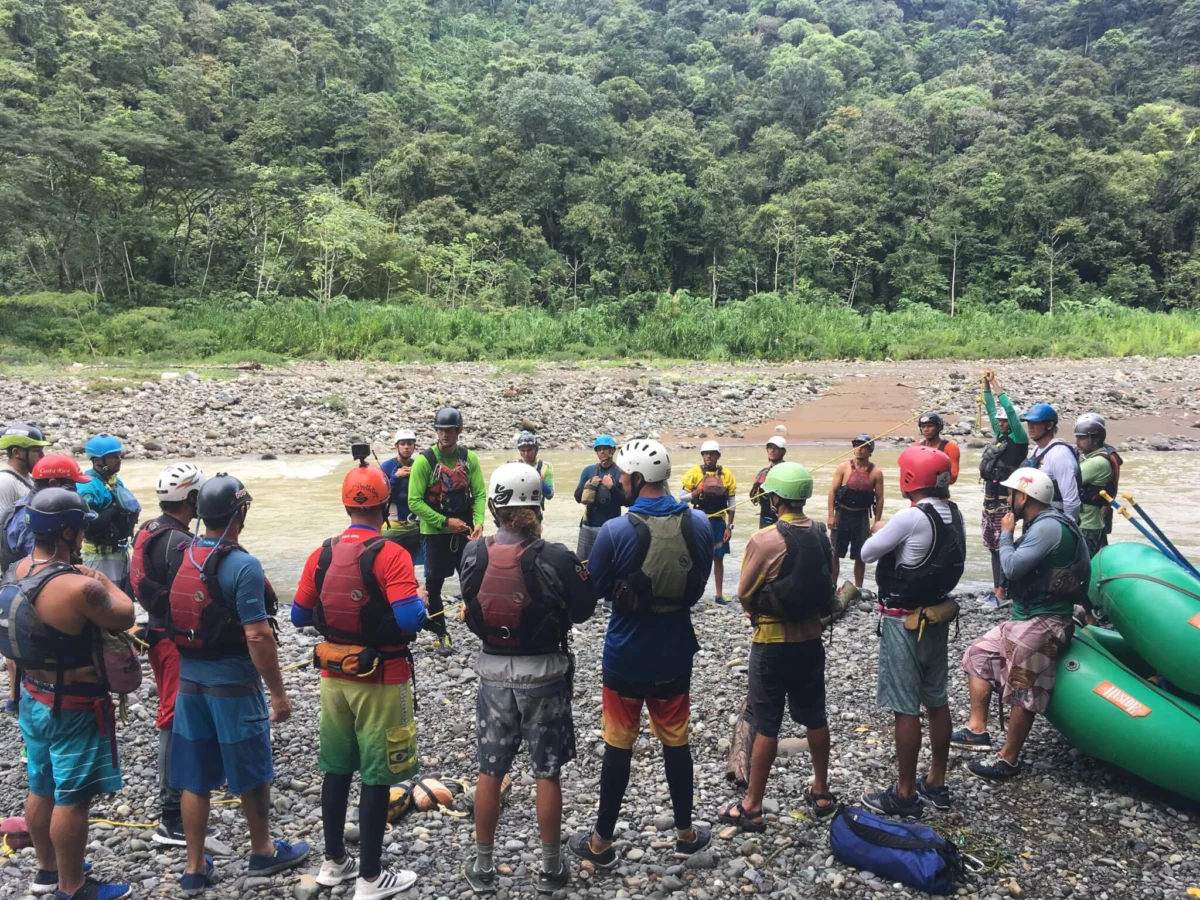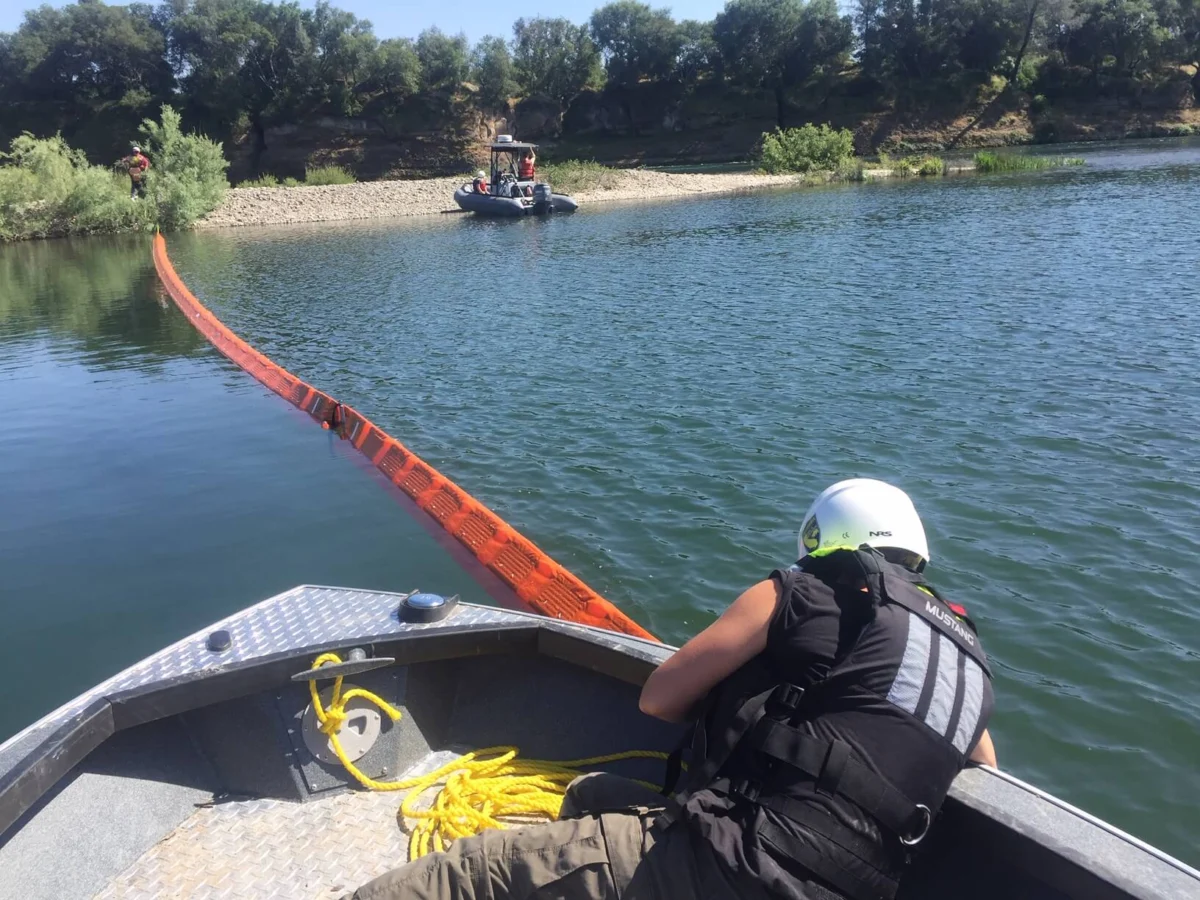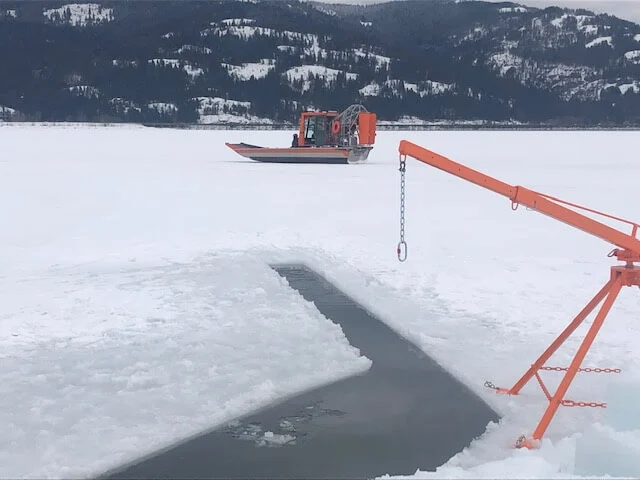
In the high-stakes world of industrial emergency response, few scenarios present as daunting a challenge as an oil spill occurring on a frozen or partially frozen river. When winter descends upon inland waterways, the standard playbooks for containment and recovery are rendered obsolete, replaced by a volatile environment where moving water, shifting ice, and sub-zero temperatures conspire against responders. Operating in these conditions is not merely a logistical hurdle; it is a life-threatening mission that demands a fundamental shift in risk management, site safety protocols, and technical expertise.
The Gravity of the Situation: Why Winter Spills Differ
Inland spill response is inherently dangerous, but the introduction of ice turns a difficult task into a high-risk operation. Unlike lake ice, which remains relatively static, river ice is a dynamic, deceptive, and unforgiving medium. The presence of a current beneath the surface creates a unique hazard: a responder who breaks through the ice on a river is not simply falling into a static pool—they are entering a "conveyor belt" that can pull them downstream under the ice sheet, turning a rescue operation into a recovery mission in seconds.
Professional responders emphasize that no two winter spills are alike. The variables—ranging from ice thickness and structural integrity to water velocity and chemical composition—create a chaotic operational theater. Because of this, the primary mantra for any winter response team is: Stay off the ice until a comprehensive, evidence-based safety plan has been established, reviewed, and signed off by a qualified safety officer.
Chronology of Response: From Assessment to Execution
The initial phase of a winter spill response is the most critical. It is a period of "hurried patience," where the urge to contain the pollutant must be balanced against the absolute necessity of site security.
Phase 1: The Initial Size-Up
The moment responders arrive on the scene, they must begin a systematic assessment. This process is not a cursory glance; it is a rigorous, data-driven evaluation.
- Hydraulic Assessment: Responders must determine current speed and river depth. High-velocity water weakens ice from below, creating "thin spots" that are invisible from the surface.
- Ice Integrity Analysis: Using augers, teams drill a series of test holes, starting from the shore and working outward. This mapping allows for the creation of a "safe zone" for equipment and personnel.
- Load Capacity Calculation: Using the formula $P=50 times T^2$ (where $P$ is capacity in pounds and $T$ is thickness in inches), teams determine if the ice can support their weight, gear, or machinery. However, this is only a starting point.
Phase 2: Implementation of Safety Measures
Once the baseline data is collected, the tactical plan begins. This involves building the infrastructure of the response.
- Weight Distribution: Responders often utilize sheets of 4×8 plywood to distribute their weight across a wider surface area, reducing the risk of a "punch-through."
- Belaying Systems: Every person stepping onto the ice must be tethered. A belayer, positioned safely on stable ground or in a stabilized boat, ensures that if a responder falls, they can be recovered immediately.
- The Warming Tent: A critical, often overlooked component is the establishment of a "hot zone" facility. A warming tent equipped with heaters, oxygen, AEDs, and hypothermia wraps must be prepared before any personnel venture onto the ice.
Supporting Data: The Physics of Ice and Cold
Understanding the material one is working on is essential for survival. Not all ice is created equal, and in the context of spill response, "appearance" is a deceptive metric.
Ice Classification
- Lake/Clear Ice: Formed by rapid temperature drops, this is the gold standard for structural strength.
- Frazil Ice: The "slush" stage. It is thin, disk-shaped, and structurally useless for supporting personnel.
- Candled Ice: As spring approaches or temperatures fluctuate, ice turns into "candles"—vertical crystals that have lost their cohesive strength. It may appear thick but can shatter under a person’s weight.
- Snow Ice: Often opaque or milky, this forms when snow freezes onto a sheet of ice. It is notoriously brittle and significantly weaker than clear ice.
The Impact of Wind Chill
Responders must contend with the Wind Chill Temperature Index, a critical metric for preventing frostbite and hypothermia. When the temperature is 15°F and the wind is blowing at 30 mph, the effective temperature is -5°F. At these levels, exposed skin can freeze in under ten minutes. The operational capacity of a team drops as the wind chill rises, necessitating strict rotation schedules to prevent the onset of cold-weather injuries.
Official Protocols and Operational Standards
Professional agencies and environmental cleanup firms follow strict Standard Operating Procedures (SOPs) during these events. The goal is to minimize the number of personnel actually on the ice. If an operation can be performed from the shore, from an airboat, or via remote sensors, it must be.
Required PPE and Equipment
The "Minimum Kit" for an ice-response professional is comprehensive:
- Personal Protective Equipment (PPE): Drysuit (essential for survival if submerged), helmet, PFD, ice awls (for self-extraction), and high-traction ice cleats.
- Technical Hardware: Augers for testing, chainsaws for cutting recovery slots, belay lines, throwbags, and pry bars.
- Emergency Infrastructure: Inflatable rescue platforms and airboats are often deployed to create a stable, non-weight-bearing platform for recovery operations.
Self-Rescue: The Final Defense
Every responder is trained in the "Ice Self-Rescue" technique. If a fall occurs:
- Do not panic. Controlled breathing is vital.
- Extend arms across the surface of the ice to prevent complete submersion.
- Use ice awls to gain purchase and kick horizontally to get the body into a "prone" position, effectively "swimming" onto the solid ice rather than trying to climb up vertically.
Implications for the Future of Spill Response
As climate patterns shift, the unpredictability of winter weather is becoming the new norm. For environmental response agencies, this means that "off-season" spills are no longer anomalies; they are increasingly common events that require year-round readiness.
The implications of these winter conditions are significant for both liability and safety management. Companies and government agencies must now ensure that their response contractors are not just equipped for oil spill containment, but are also certified in cold-weather rescue and ice safety. The failure to do so risks not only a catastrophic environmental disaster but also the lives of the very people tasked with protecting our waterways.
Furthermore, the integration of new technology—such as drone-based ice-thickness mapping and thermal imaging—is beginning to augment traditional, manual methods. By reducing the need for human foot-traffic on the ice, technology is becoming the greatest safety tool in the modern responder’s arsenal.
Conclusion: A Culture of Caution
Responding to inland spills in winter is a test of discipline. It requires the ability to ignore the pressure of the clock in favor of the safety of the team. By adhering to rigorous assessment protocols, respecting the destructive power of moving water, and maintaining high-standard equipment and training, responders can mitigate the extreme risks of this frozen frontier. In the end, the most successful spill response is one where the pollutant is contained, the environment is protected, and every responder returns home safely to their family. The ice is a formidable opponent, but through science, training, and unwavering safety protocols, it is one that can be managed.