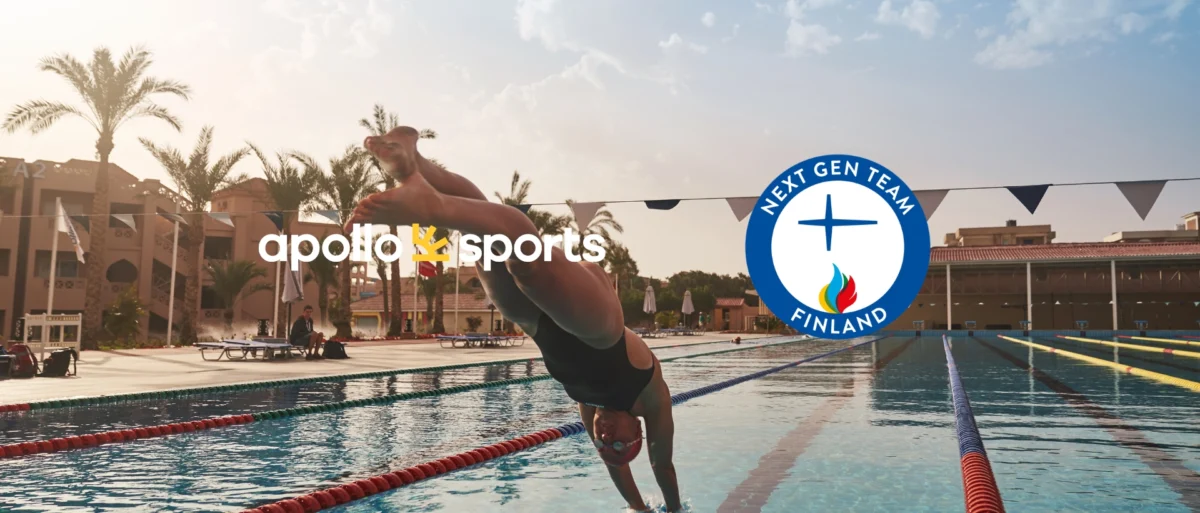
In a strategic move designed to bolster the future of Finnish athletics, the Finnish Olympic Committee has announced a high-profile partnership with Apollo Sports. This collaboration marks a significant investment in the "Next Generation Team Finland" program, an initiative dedicated to nurturing 21 of the country’s most promising young athletes as they navigate the rigorous path toward international podiums and global professional competition.
By providing access to world-class training facilities and fostering an environment optimized for performance, this partnership aims to bridge the gap between national-level potential and international excellence. As Finnish sports look to secure their position on the world stage, the integration of private-sector resources with high-performance coaching has become a cornerstone of the nation’s athletic development strategy.
The Genesis of the Partnership: A Shared Vision for Excellence
The collaboration between Apollo Sports and the Finnish Olympic Committee is rooted in a shared philosophy: that talent alone is insufficient without the support structures required to sustain it. The "Next Generation Team Finland" is not merely a label; it is a meticulously curated individual support program. Its primary objective is to identify emerging athletes in their formative years, providing them with the resources, coaching, and logistical support necessary to refine their skills before they reach the saturation point of global competition.
The partnership officially kicks off in the autumn of 2026, with an inaugural training camp. Following this, the program will extend into 2027, offering sustained support for athletes to conduct specialized training cycles abroad. These cycles are intended to complement the domestic training regimens that form the backbone of each athlete’s professional life.
Chronology of the Initiative: Building the Pipeline
The timeline for the Next Generation program is built on the understanding that athlete development is a multi-year marathon, not a sprint.
- Identification Phase (Pre-2026): The Finnish Olympic Committee utilized rigorous performance data and scouting to select the 21 athletes who form the current cohort. The criteria spanned a diverse range of sports, emphasizing not just current results, but the "ceiling" of potential and the mental fortitude required for the elite level.
- Autumn 2026 – The Launch: The partnership with Apollo Sports activates with the first series of organized training camps. These camps serve as a trial ground for athletes to work with international-standard facilities while under the guidance of national coaches.
- The 2027 Expansion: Throughout the calendar year, the program will provide ongoing access to Apollo’s sports-centric resorts. This ensures that when Finnish winters or specific training requirements demand a change of scenery or climate, the athletes have a seamless transition to high-performance environments.
- Long-term Development: Beyond the initial 2027 cycle, the program aims to establish a repeatable model for future cohorts, creating a sustainable ecosystem for Finnish sports.
Supporting Data: Why Environment Matters
In the world of high-performance athletics, the "marginal gains" approach—popularized by elite cycling and track programs—relies heavily on the environment. Research consistently shows that training in environments where recovery, nutrition, and psychological support are streamlined leads to significantly better outcomes for young athletes.
Apollo Sports brings its flagship infrastructure to the table, most notably the Playitas Resort on Fuerteventura. Recognized globally as a "Mecca" for endurance and strength athletes, the resort features Olympic-sized pools, state-of-the-art gymnasiums, and specialized tracks. Additionally, the "Powered by Playitas" network, including the Porto Myrina in Greece, provides standardized, high-quality environments that allow athletes to maintain their training intensity regardless of their location.
For a young athlete, the stress of travel, logistics, and finding quality training partners can lead to burnout. By centralizing these resources, the program allows the athlete to focus exclusively on their physiological and technical adaptation.
Official Responses: Voices from the Leadership
The partnership has been met with enthusiasm from both the sporting and commercial leadership of the initiative.
Janne Hänninen, High-Performance Director at the Finnish Olympic Committee, emphasized the holistic nature of the program:
"The development of a young athlete requires more than just talent and motivation. It demands high-quality coaching, a functional support network, and conditions that optimize both training and recovery. This new Next Generation program is an exceptional opportunity to build Finnish top-level sports for the long term. We need diverse partners to support this work, and I am extremely pleased that Apollo Sports is bringing its expertise to support our next generation of athletes."
Daniel Giray, Head of Sports at Apollo, highlighted the practical necessity of international training:
"Growing into the elite level requires long-term commitment and a high-quality daily routine. International training conditions complement the work done in Finland and allow for training cycles specifically designed for the needs of different sports. We want to help build frameworks where a young athlete can train, recover, and focus on their development."
Timo Ronkainen, Commercial Director of the Olympic Committee, spoke to the broader impact of corporate sponsorship:
"The Next Generation program resonates strongly with Finnish companies. The exceptionally high interest from the business sector provides confidence in the development of our national support system. The path to the top is long, and the support of companies is crucial for steering Finnish high-performance sports onto a stronger growth track."
Implications: The Future of Finnish Sports
The implications of this partnership extend far beyond the 21 athletes currently in the program.
1. The Multi-Sport Synergies
One of the most innovative aspects of the Next Generation program is its cross-disciplinary approach. By bringing together athletes from different sports, the program fosters a "knowledge-sharing" culture. A swimmer might learn about recovery protocols from a track athlete, or a gymnast might gain insights into nutritional planning from a rower. This peer-to-peer learning is often cited as a key differentiator in successful national athletic programs.
2. A New Model for Corporate Engagement
The partnership signals a shift in how Finnish businesses engage with sports. Instead of traditional "logo-on-a-jersey" sponsorship, this is an infrastructure-based partnership. By investing in the conditions of success, Apollo Sports is aligning its brand with the professionalization of the athlete. This creates a blueprint for other corporations to enter the sports space in ways that provide tangible, measurable benefits to the athletes.
3. Sustainability in Development
Perhaps the most critical implication is the focus on the "long road." Historically, many young talents have been pushed to peak too early, leading to injury or early retirement. By emphasizing a long-term development model supported by international training camps, the Finnish Olympic Committee is signaling a shift toward sustainable, injury-resilient development.
4. Global Competitiveness
As the gap between the "good" and the "great" narrows, the ability to train abroad—away from the distractions of home and in climate-controlled, specialized facilities—is becoming a competitive necessity. With this partnership, Finnish athletes will no longer be at a disadvantage compared to their peers from warmer climates or nations with larger budgets.
Conclusion
The partnership between Apollo Sports and the Finnish Olympic Committee’s Next Generation Team Finland is a powerful example of what can be achieved when athletic ambition meets logistical expertise. By removing the barriers to high-quality training and creating a structured pathway for development, the program is effectively raising the ceiling for what the next generation of Finnish athletes can achieve.
As these 21 athletes head to their training camps in 2026 and beyond, they do so not just as individuals, but as representatives of a modern, collaborative approach to sports science and development. The eyes of the nation will be on them—not just for their immediate results, but for the legacy they will build as they carry the torch of Finnish excellence into the next decade of international competition.