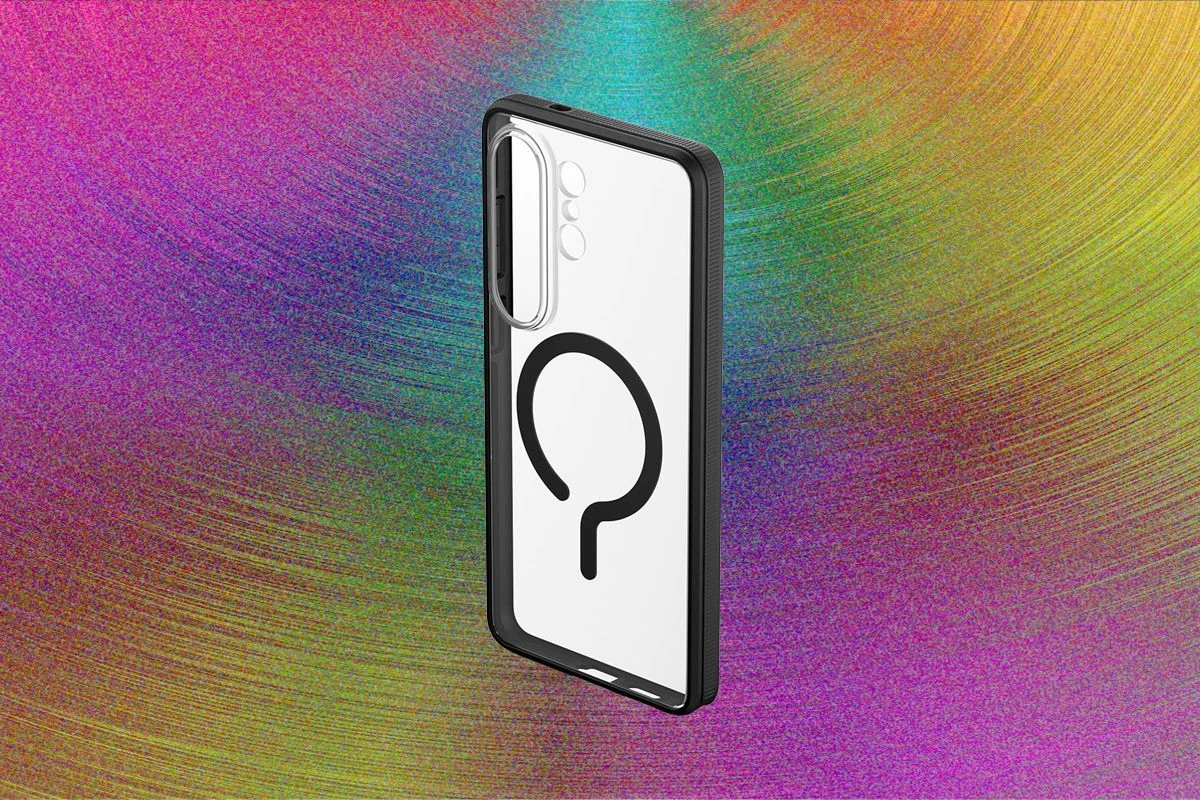
Selecting the right armor for your smartphone is no longer just about preventing shattered screens; it is about balancing aesthetics, ergonomics, and functional utility. With the launch of the Samsung Galaxy S26 series, a saturated market of accessories has emerged, promising military-grade protection, sleek silhouettes, and seamless magnetic integration.
However, as any seasoned tech enthusiast knows, not all cases are created equal. While premium flagships demand premium protection, the "budget" tier of accessories often hides gems—and pitfalls—that can drastically alter your daily user experience. This comprehensive breakdown evaluates the secondary tier of S26 accessories, providing a clear roadmap for those seeking alternatives to the standard market leaders.
The Landscape of S26 Protection: Main Facts
When evaluating a smartphone case, the criteria go beyond mere impact resistance. Modern users prioritize the "hand feel," the tactile response of buttons, the integrity of wireless charging, and the ease of installation for screen protectors.
For the Galaxy S26, the current accessory market is defined by three distinct categories:
- Utility-Focused Cases: Designed for those who value features like kickstands, privacy sliders, and reinforced bumpers over slim profiles.
- Aesthetic-Driven Cases: Aimed at users who prefer a specific "look"—often tactical or minimalist—even if it comes at the expense of absolute comfort or grip.
- Value-Driven Cases: Products that provide reliable protection at a fraction of the cost of first-party or luxury brand alternatives.
Our evaluation process involved rigorous real-world testing, focusing on how these cases integrate into the daily workflow of an S26 user.
A Chronology of Accessory Testing
The testing process for these peripherals followed a systematic three-phase approach to ensure longevity and usability.
- Phase 1: Initial Unboxing and Ergonomic Assessment: Upon arrival, each case was evaluated for build quality, material texture, and ease of application. We specifically looked for "excess flash" (leftover plastic from the molding process) and the quality of the magnetic rings for MagFit/wireless charging compatibility.
- Phase 2: The "Daily Driver" Stress Test: Each case was kept on a test unit for 72 hours. During this time, we assessed how the case handled pocket friction, table-top stability (does the camera bump cause the phone to rock?), and button responsiveness.
- Phase 3: The "Failsafe" Check: For screen protectors, we evaluated installation complexity, bubble removal, and touch-sensitivity retention. For cases, we tested the durability of secondary features like kickstands and privacy covers.
Supporting Data: Evaluating the Contenders
The Budget-Friendly Reliable Options: Spigen Tough Armor and Nano Pop
For those who prefer a balance between price and performance, Spigen remains a reliable industry staple.
- Spigen Tough Armor ($23): This case is a classic for a reason. It offers dual-layer protection that feels substantial in the hand. However, our testing revealed a notable caveat: the built-in kickstand is surprisingly flimsy. While it serves its purpose for casual video consumption, it lacks the mechanical rigidity required for long-term, heavy-duty use.
- Nano Pop MagFit ($20): If your priority is a slim, clean aesthetic, the Nano Pop is an excellent contender. It features a dual-tone design that is visually appealing. The primary drawback here is surface friction; the material is remarkably slippery, which may increase the likelihood of accidental drops for users with smaller hands.
The Tactical Approach: Dbrand Tank Case ($60)
Dbrand has carved out a niche in the market by offering products that prioritize bold, "tactical" aesthetics. The Tank Case is no exception. It is undeniably sturdy, offering top-tier impact protection and a customizable look with swappable buttons and camera covers.
However, the "tactical" texture on the back can be polarizing. In our testing, the deep ridges and aggressive patterns proved to be "overstimulating" during extended use. While the grip is excellent, the case is difficult to ignore, making it a poor choice for users who prefer a device that feels like an extension of their hand rather than a piece of heavy equipment.

The "All-in-One" Solutions: Poetic Spartan, Revolution, and Guardian
Poetic has positioned itself as the go-to brand for users who want a "total protection" package, often including screen protectors in the box.
- Poetic Revolution ($26): This is the heavy lifter of the group. It features a built-in camera privacy cover, which is a fantastic utility feature for both privacy and lens protection. The trade-off, however, is significant bulk. If you want a slim phone, this is not the case for you.
- Poetic Guardian ($25): The thinnest of the Poetic lineup, the Guardian offers a good balance of protection and design. Our only gripe was the rubberized bumpers, which felt slightly oversized, creating a "boxy" feel that detracts from the S26’s elegant design.
- Poetic Spartan ($29): The Spartan includes a metal kickstand and a rigid bumper. While functional, the overall design language feels dated compared to the more refined, minimalist competitors.
Official Responses and Market Implications
The current market trend shows a shift away from high-priced, "status" cases toward functional, modular accessories. Major manufacturers like OtterBox, represented here by the Profile Series ($40), are attempting to bridge this gap.
However, our assessment of the OtterBox Profile Series revealed a recurring issue in the industry: the visibility of internal components. The ring of magnets on the back of the clear version of this case felt "incongruous" with the S26’s sophisticated camera array. Furthermore, the button feedback was reported as "too resistant," suggesting that in the rush to produce cases for new hardware, some manufacturers are compromising on the precision of the button covers.
A Note on Screen Protectors: The AluminaCore Challenge
Installation is the "make or break" factor for screen protectors. The Spigen AluminaCore ($20 for a 2-pack) utilizes a proprietary alignment frame that simplifies the process significantly. While we experienced some initial air bubbles, the inclusion of a high-quality squeegee allowed for a quick resolution. The primary advantage here is the quantity; having a spare is essential, as even the best tempered glass is a consumable item that will eventually crack under stress.
The "Do Not Buy" Warning: Samsung Slim Magnet Case
It is rare to issue a definitive "avoid" recommendation, but the Samsung Slim Magnet Case ($70) fails to justify its premium price tag. For a product costing nearly triple the price of third-party alternatives, the user experience is subpar. The plastic shell is excessively thin, lacks meaningful drop protection, and is remarkably slippery.
The market has spoken: when a first-party case provides less grip and fewer features than a $20 aftermarket alternative, it is effectively obsolete. Consumers are encouraged to look toward third-party manufacturers who are currently outperforming original equipment manufacturers (OEMs) in both design ergonomics and material innovation.
Final Verdict and Implications for Consumers
When choosing a case for the Samsung Galaxy S26, the "best" case is rarely the most expensive one. Instead, it is the one that minimizes the cognitive load of using your phone.
- If you are clumsy: The Poetic Revolution provides the best physical security for the camera and screen, provided you don’t mind the added bulk.
- If you are a minimalist: The Nano Pop MagFit is the most aesthetically pleasing, though you should be prepared for a slippery texture.
- If you value utility: The Spigen Tough Armor remains the gold standard for mid-range protection, despite its minor kickstand flaws.
As the smartphone accessory market continues to evolve, the trend is moving toward modularity—cases that change with the user’s needs. We recommend avoiding premium-priced, thin-shell cases that offer little in the way of structural integrity, and instead investing in well-engineered, mid-range options that provide the best balance of cost, protection, and tactile satisfaction. Your S26 is a premium device; treat it with the protection it deserves, not just the branding it suggests.