In the high-altitude expanse of Southern Colorado, the San Luis Valley stands at a precarious crossroads. As the headwaters of the Rio Grande, this region is not merely a geographic landmark; it is the lifeblood of a vast ecosystem and a cornerstone of the American Southwest’s agricultural economy. However, today, that lifeblood is thinning. The region is currently grappling with a historic, near-record-setting snow drought, leaving experts, farmers, and conservationists to confront an uncomfortable reality: the water that has sustained this valley for generations is becoming increasingly scarce.
The State of the Basin: A Crisis of Supply
The primary metric of this crisis is Snow Water Equivalent (SWE), which measures the liquid water content contained within the snowpack. Recent data indicates that SWE levels in the San Luis Valley are among the lowest ever recorded. This is not a transient anomaly but rather a deepening trend of aridification exacerbated by a warming climate.
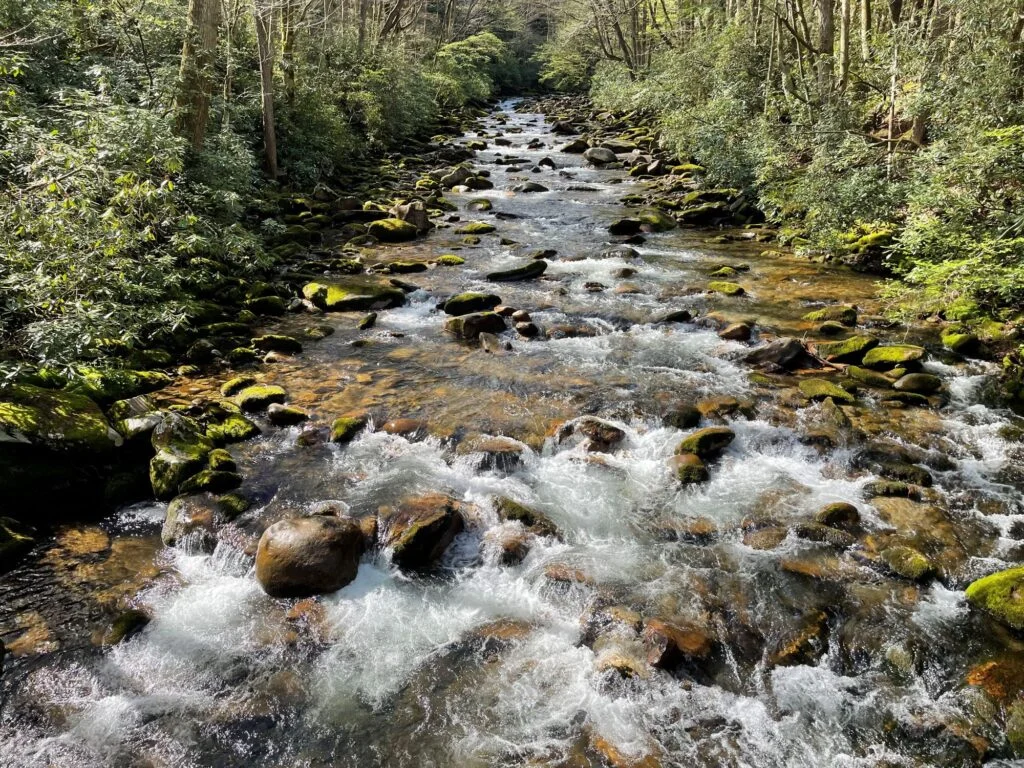
The Rio Grande, which winds through the valley, is under relentless pressure from the competing demands of municipal populations, expansive agricultural operations, and the critical needs of native ecosystems. As flows diminish, the ripple effects are felt across every sector. The scarcity of water threatens to collapse the delicate riparian corridors, jeopardize the yields of local farms, and force a reckoning for the communities that call this high-desert basin home.
Chronology of a Shrinking Resource
The current situation is the culmination of decades of environmental shift.
- The Early 21st Century: The San Luis Valley began observing a steady, consistent decline in annual snowpack and a corresponding shift in the timing of the spring runoff.
- The 2020s: Scientific studies began to confirm that the compounding pressures of climate change and human consumption had pushed the river to a breaking point.
- 2023: The "Rye Resurgence" project was launched, signaling a pivot toward drought-resistant crop rotation as a survival strategy for the agricultural sector.
- 2024–2026: The implementation of "Frozen Assets" and various riparian restoration projects moved from pilot phases to active, landscape-scale management strategies.
Frozen Assets: Harnessing Winter for Spring Security
One of the most ambitious responses to this crisis is the "Frozen Assets" initiative. Led by American Rivers in partnership with organizations like Ducks Unlimited, the Rio Grande Headwaters Land Trust, and Colorado Parks and Wildlife, this project seeks to turn the freezing temperatures of the valley into a water-management tool.
Historically, producers in the valley have utilized "winter sheet ice" to manage water. The modern iteration of this practice involves the shallow, controlled application of water across the landscape during the coldest months. As temperatures drop, this water forms a massive, insulating layer of ice. This "frozen storage" serves a dual purpose: it mitigates evaporation losses that occur during standard runoff and, as the ice slowly melts in the early spring, it provides a sustained, gentle infusion of moisture into the soil.
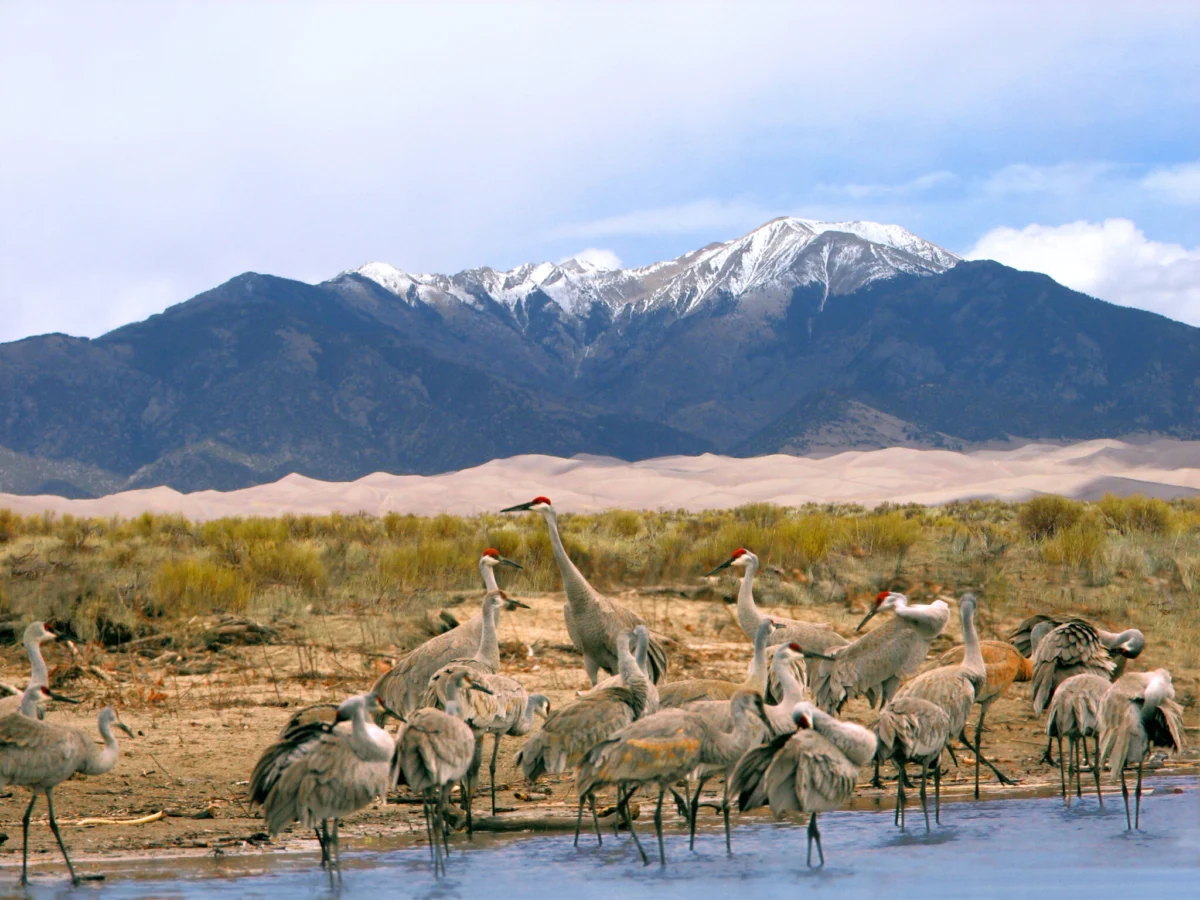
This process is a boon for the local aquifer, allowing for deep infiltration that supports water table resilience. Furthermore, the slow melt provides essential foraging and habitat for migratory birds, including the iconic Sandhill Cranes, ensuring that the ecological needs of the valley are met even when surface water is at its most elusive.
Rye Resurgence: Rethinking Agriculture
If water is the valley’s currency, then crop selection is its fiscal policy. The "Rye Resurgence Project" is a market-driven solution to groundwater depletion. For years, the valley relied on water-intensive crops, but the shifting climate has necessitated a change in strategy.
Winter rye, a resilient cover crop, has emerged as the primary alternative. It requires significantly less water than traditional rotational crops and offers a deep, complex flavor profile that has caught the attention of regional businesses. In 2023, the initiative facilitated the planting of 4,500 acres of winter rye. The results were quantifiable and encouraging: an estimated 4,670 acre-feet of water were saved in the first year alone. By partnering with bakers, millers, and distillers, the project has ensured that this water-saving transition is economically viable, proving that conservation does not have to come at the expense of profitability.
River and Habitat Restoration: Protecting the Corridor
The Rio Grande is more than just a source of irrigation; it is a critical habitat for native fish and wildlife. The Alamosa National Wildlife Refuge (NWR), for instance, has long struggled with a highly variable flow regime. As streamflows fluctuate, aquatic health declines, placing stress on native species such as the Rio Grande chub.
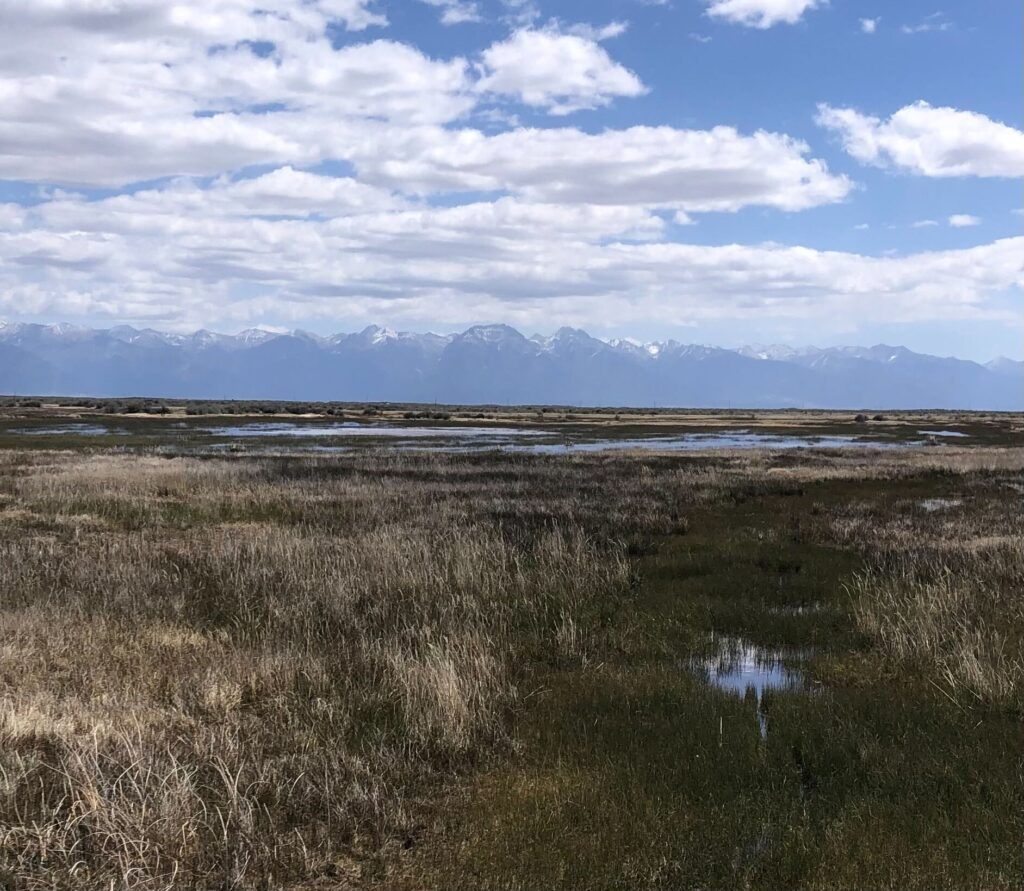
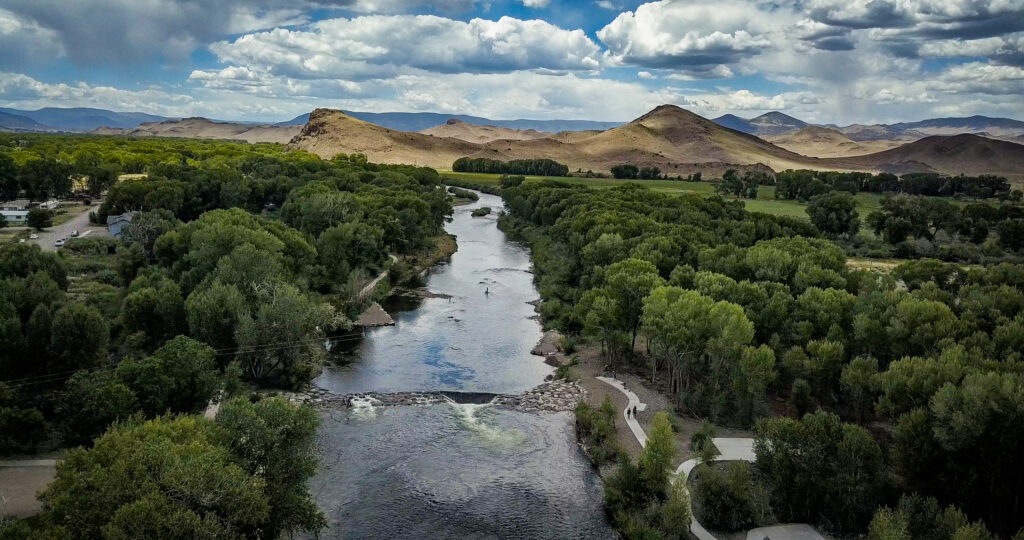
In response, the Rio Grande Headwaters Restoration Project initiated the Rio Grande Corridor Restoration Project. This effort involved the stabilization of eroding streambanks using rock and native vegetation. By reshaping the channels, the project has improved off-channel aquatic habitat and allowed for better floodplain access. This restoration ensures that when high flows do occur, the water is utilized effectively to recharge wetlands rather than simply rushing through an eroded channel. Additionally, the project improved public trail access, balancing the needs of the environment with the recreational value of the refuge.
Supporting Data: The Scale of the Challenge
The data underpinning these projects highlights the urgency of the situation. Current projections from regional hydrologists suggest that without these multi-sector interventions, the valley could face significant economic contraction by 2040.
- Water Savings: Through shifts like the Rye Resurgence, participating farms have seen a reduction in water consumption of nearly 20% compared to traditional, high-demand crops.
- Ecological Impact: Habitat restoration in the Alamosa NWR has resulted in a measurable increase in native fish populations, providing a vital buffer against the unpredictability of low-flow years.
- Collaboration: The success of these programs is predicated on a diverse coalition of 24 businesses, federal agencies, and private landowners, demonstrating that local leadership is the most effective driver of environmental policy.
Official Responses and Stakeholder Perspectives
Water managers in the San Luis Valley emphasize that the "silver bullet" approach is a fallacy. Instead, they advocate for a "portfolio of solutions."
"We are dealing with a structural shift in our hydrology," says one lead conservationist. "The goal of projects like ‘Frozen Assets’ is to mimic natural processes that we inadvertently disrupted over the last century. We are not just conserving water; we are engineering a landscape that can withstand the variability of the future."
Business partners involved in the Rye Resurgence echo this sentiment, noting that the market for local, sustainable grain is growing. "Consumers want to know that their food and drink are part of a solution, not a contributor to a crisis," says a local distillery owner. "By buying rye, they are effectively paying for the conservation of the aquifer."
Implications for the Future
The San Luis Valley is a microcosm of the challenges facing the entire American West. As the Colorado River Basin and the Rio Grande face long-term drought, the lessons learned in Southern Colorado—specifically the integration of agricultural shifts, groundwater recharge, and habitat restoration—will likely serve as a blueprint for other regions.
The implications are clear: the era of abundant, easily accessible water is over. The future belongs to those who can manage scarcity with ingenuity. By treating the valley as a single, interconnected system where farmers, environmentalists, and business owners have shared stakes, the San Luis Valley is demonstrating that resilience is not merely about surviving the drought—it is about evolving to thrive in a hotter, drier future.
The path forward will remain difficult. As snowpacks continue to dwindle and demand remains high, the region must remain agile. Yet, the current trajectory, defined by the "Frozen Assets" and "Rye Resurgence" initiatives, offers a glimmer of hope. In the high desert of Southern Colorado, the community is not just waiting for the next snowstorm; they are building a foundation of sustainability, drop by precious drop.