By Ben Emanuel | July 31, 2026
While the headlines this summer have been dominated by the blistering intensity of unprecedented heat waves, a more insidious and long-term crisis is unfolding across the American Southeast. From the Piedmont of North Carolina to the watersheds of Georgia, the region is currently in the iron grip of a severe, persistent drought. This is not merely a seasonal nuisance; it is a fundamental challenge to the region’s ecological health, economic stability, and the very water security of millions of residents.
The Current Crisis: A Landscape Under Stress
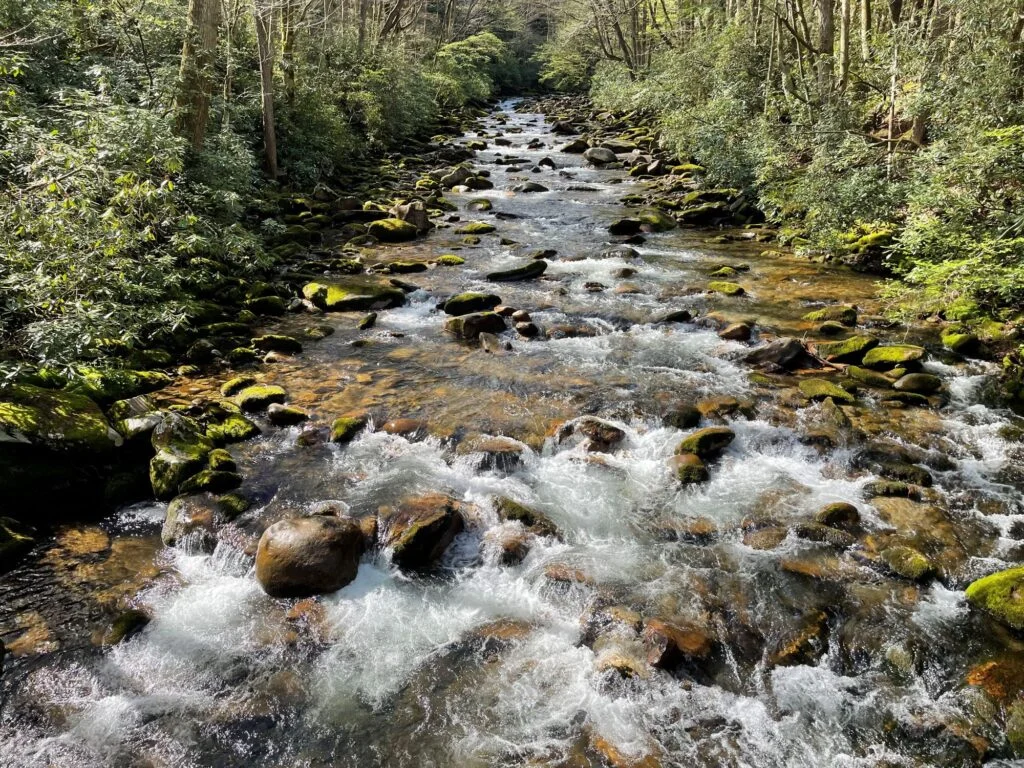
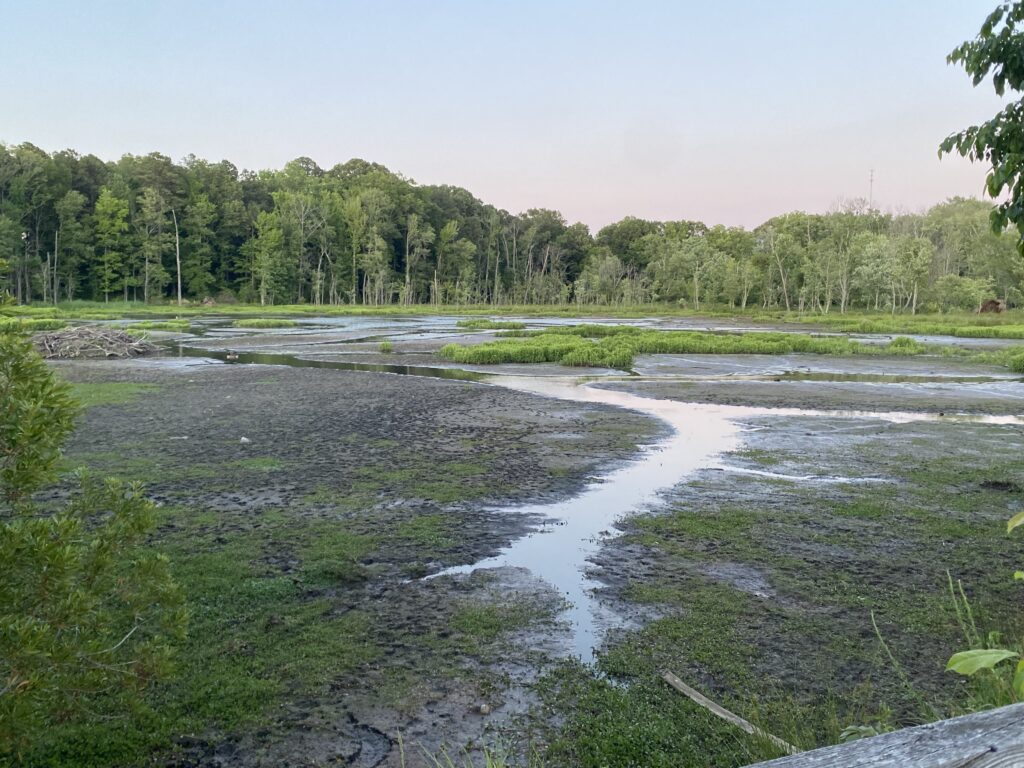
As of late July 2026, the U.S. Drought Monitor reports that vast swaths of the Southeast are experiencing "severe" to "extreme" drought conditions. In North Carolina, the situation has moved beyond the typical summer dry spell into a sustained hydrological deficit. Rivers that serve as the lifeblood of the state are hovering near record-low flow levels, transforming vibrant, rushing waterways into sluggish, fragmented corridors.
Drought is a natural phenomenon, a periodic guest in the Southeast’s climate history. However, the 2026 event is being exacerbated by human intervention and a rapidly shifting climate. When we pave over the landscape, we eliminate the natural sponges—wetlands and forests—that would otherwise replenish groundwater during rainfall. When we draw excessive amounts of water for municipal and industrial use, we lower the "water table" of the river itself, leaving little behind for fish, wildlife, or the recreational economies that rely on healthy, flowing streams.
Chronology of a Slow-Motion Disaster
To understand the severity of the current drought, one must look back beyond the heat of July. The crisis did not begin with the summer sun; it was forged in the winter.
- The Dry Winter (December 2025 – February 2026): In the Southeast, the winter months are critical for "recharging" the baseflow of our rivers. A abnormally dry winter meant that the soil moisture levels and groundwater reserves were already depleted before the first spring bloom.
- The Spring Failure (March – May 2026): Spring is traditionally a rainy season in the Southeast, acting as a final buffer before the heat of summer. This year, that buffer failed to materialize. Drought conditions intensified significantly during this period, leaving the region critically vulnerable.
- The Summer Escalation (June – July 2026): By early summer, the combination of extreme heat and a lack of precipitation pushed ecosystems to their breaking point. In Atlanta, for instance, the confluence of low flows and high temperatures contributed to a devastating fish kill on the Chattahoochee River, a grim indicator of ecological collapse.
Supporting Data: Why This Drought is Different
The data confirms what residents are seeing with their own eyes: the water is simply not there. The current drought is characterized by "hydrological drought," where the deficit has moved from the topsoil into the deep aquifers and the river channels themselves.
The Impact of Urbanization
The Southeast is one of the fastest-growing regions in the United States. Population growth, urban sprawl, and the rise of massive energy-hungry data centers have created a "perfect storm" of water demand. Each new paved parking lot increases runoff that prevents water from soaking into the ground, while the data centers and residential developments demand a steady, high-volume supply of treated water.
Groundwater Depletion
When rivers stay low for extended periods, they lose the ability to support the baseflow of the ecosystems around them. This creates a feedback loop: as the water level drops, the temperature of the remaining water rises. Warmer water holds less oxygen, which in turn kills the fish and aquatic insects that underpin the entire food web of the river.
Implications for Ecology and Economy
The ramifications of this drought are broad and reach into almost every sector of Southeastern society.
Ecological Collapse
The most immediate victims are the aquatic species. Fish populations are being forced into smaller, warmer pockets of water, making them susceptible to disease and predators. The Chattahoochee incident serves as a warning: when rivers are squeezed, the biological systems that purify our water and support biodiversity can fail entirely.
The Economic Toll
Recreation and tourism are massive drivers of the Southeastern economy. Kayaking, fishing, and boating businesses are seeing their seasons cut short or canceled altogether due to low water levels. Furthermore, agriculture, which relies on consistent rainfall and river irrigation, is facing reduced yields, threatening the supply chain of local produce.
Water Security for Communities
Municipalities are now facing the harsh reality of "water stress." When rivers run low, the concentration of pollutants in the water increases, making it more difficult and expensive for water treatment plants to provide clean, safe drinking water to the public.
Official Responses and Strategic Shifts
Environmental organizations like American Rivers have spent years advocating for a fundamental shift in how we manage water. The current crisis highlights the failure of "business as usual" policies.
The "Efficiency First" Mandate
The core of the proposed solution is an "efficiency first" approach. This means prioritizing the reduction of water waste—fixing leaky municipal pipes, incentivizing xeriscaping (low-water landscaping), and implementing stricter water-use regulations during non-drought periods.
Smart Infrastructure Planning
We cannot simply build our way out of a drought by constructing more reservoirs. Experts are now calling for "smart water infrastructure" that focuses on:
- Green Infrastructure: Protecting floodplains and wetlands to ensure that when it does rain, the water is captured rather than lost to storm drains.
- Integrated Planning: Water utilities must coordinate across county and state lines to manage river basins as single, unified systems rather than disjointed political entities.
- Drought Preparedness: The most critical lesson of 2026 is that we must plan for drought when we are not in a drought. This involves creating policy frameworks that trigger conservation efforts early, rather than waiting for a crisis to reach a tipping point.
A Call to Action: The Path Forward
The Southeast is at a crossroads. As the climate continues to change, making the region’s weather more volatile—shifting between extreme drought and flash-flood events—the old ways of water management are no longer sufficient.
For the average citizen, the call to action is clear: conservation is not optional. Reducing outdoor water use, investing in high-efficiency plumbing fixtures, and avoiding water waste are vital contributions. However, individual action must be paired with structural change.
We must demand that our local governments and water utilities prioritize river health as much as they prioritize supply. We must protect the natural flows that keep our ecosystems resilient. If we treat our rivers as infinite resources, we will eventually find the taps running dry. If, however, we adopt a culture of conservation and smart, nature-based planning, we can build a future where our rivers remain vibrant, healthy, and capable of sustaining both human communities and the natural world, even in the face of a changing climate.
As we look toward the remainder of the summer and the potential for a long, dry fall, the lesson of 2026 is clear: the water we have is precious, and how we manage it today will determine the quality of life in the Southeast for generations to come. The drought is a test of our values, our foresight, and our collective will to protect the most essential resource on Earth.