Comfort on an inflatable sleeping pad is rarely a number found on a specification sheet. It is the sophisticated output of several variables—inflation pressure, pad geometry, baffle architecture, and system integration—that a backpacker can actively manage in the field. To sleep well in the backcountry is not merely to inflate a pad until it "feels right," but to hit objective, measurable targets that align with your body, your sleep posture, your shelter, and the environmental conditions.
This report synthesizes a comprehensive analysis of over 300 sleeping pads from more than 20 major brands across the U.S. and Europe. By examining weight, R-value, material science, and field-tested performance, we offer a blueprint for achieving maximum sleep continuity in the wilderness.
A Brief Chronology: From Blue Foam to High-Tech Inflatables
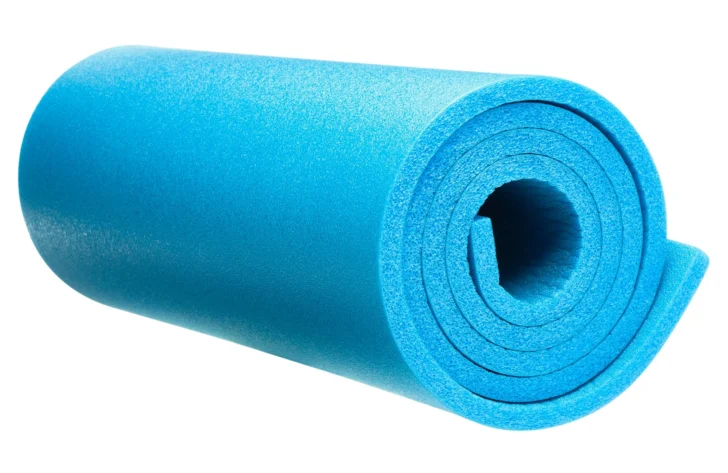
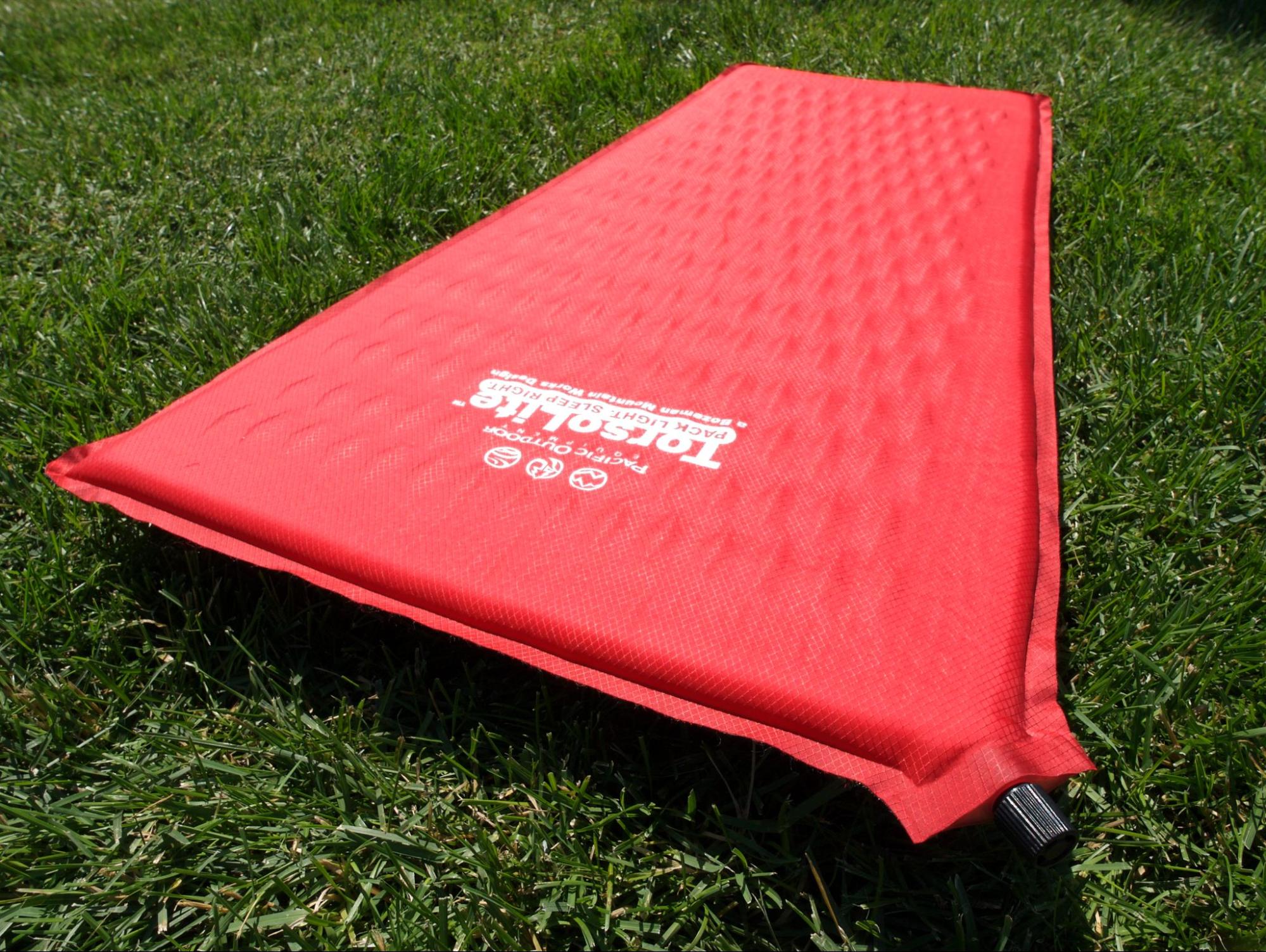
The evolution of the sleeping pad is a 45-year journey from simplicity to high-performance engineering. For many, the gateway to backpacking was the humble, blue, cross-linked polyolefin closed-cell foam (CCF) pad. Weighing roughly half a pound and costing less than $10, these pads were virtually indestructible. They required no patch kits and offered a reliable, albeit rigid, barrier against the cold ground.
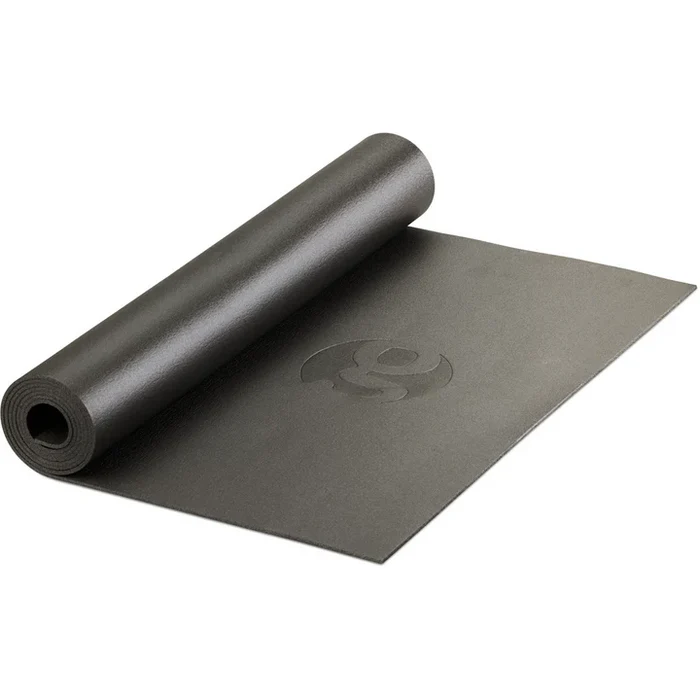
While modern variants like the Gossamer Gear Thinlight (using XLPE 30) or Yamatomichi Minimalist (using XLPE 20) have refined these materials for weight-conscious hikers, the iconic Therm-a-Rest Z-Lite SOL remains the gold standard for long-distance hikers. Its puncture-proof nature is its greatest asset, providing a "worry-free" sleep system that ignores the constant threat of cactus spines and sharp rocks.
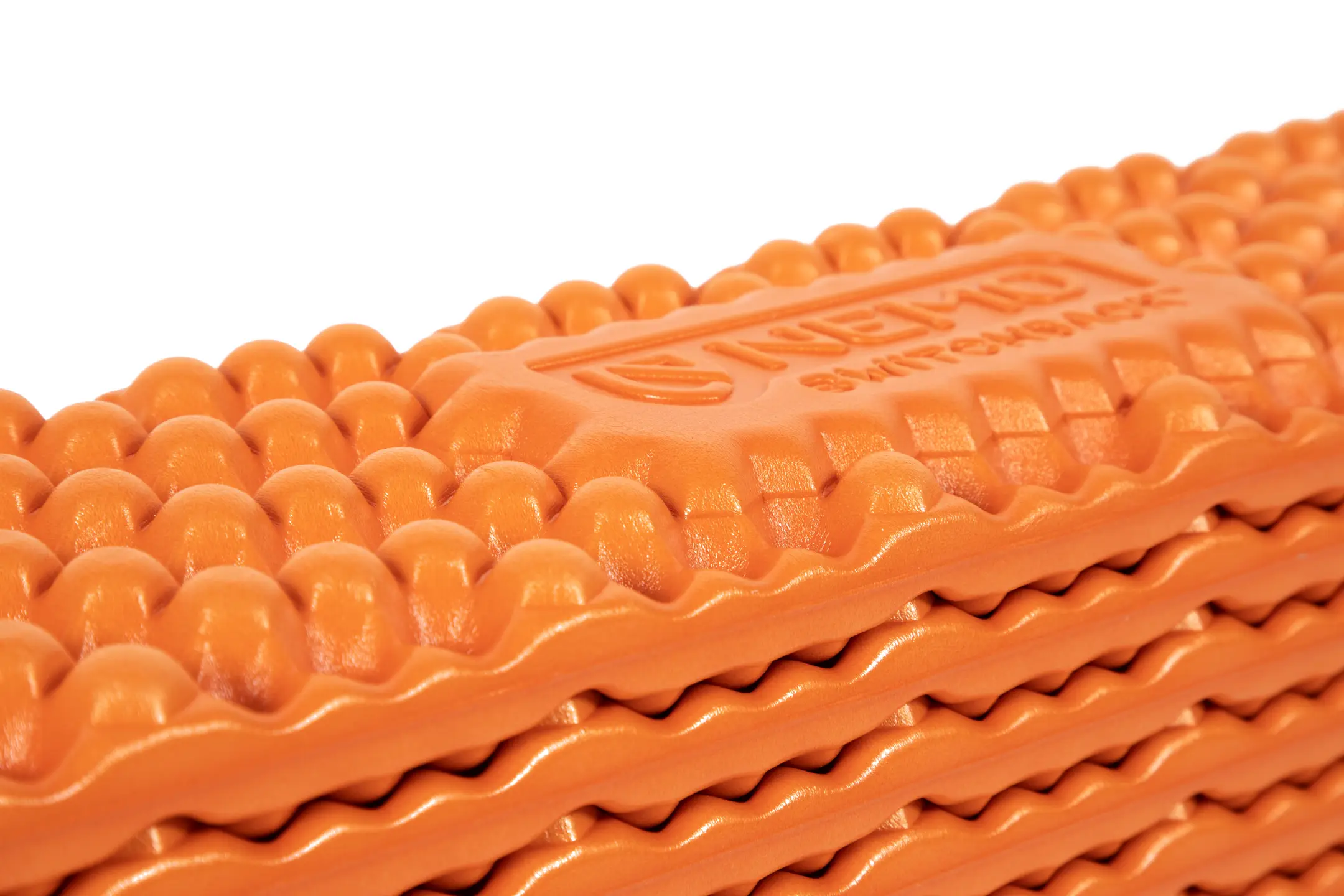
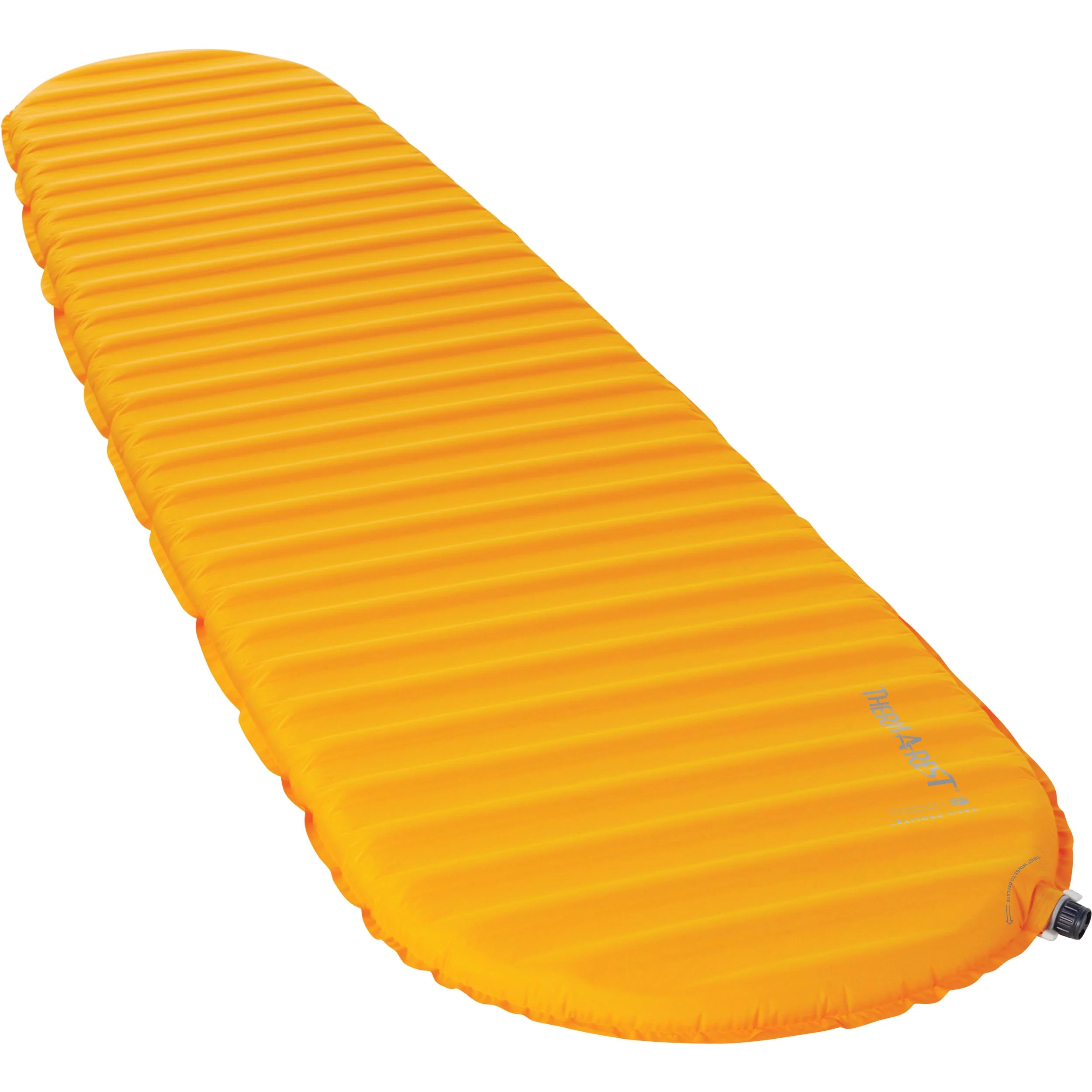
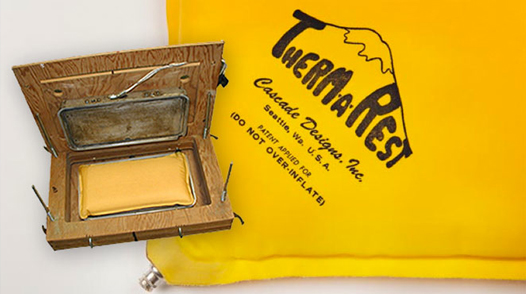
However, the industry shifted dramatically in 2009 with the introduction of the Therm-a-Rest NeoAir. By abandoning the "self-inflating" foam-filled design in favor of thick, air-filled baffles, the market saw a revolution in the comfort-to-weight ratio. Today, non-self-inflating mattresses dominate the market, having commodified features like high R-values, mummy vs. rectangular shapes, and sophisticated baffle geometries.

Baffle Architecture: The Foundation of Stability
Stability is arguably the most misunderstood variable in sleep system performance. It is the ability of a pad to maintain its geometry under the weight and movement of the user. This is governed primarily by baffle architecture:
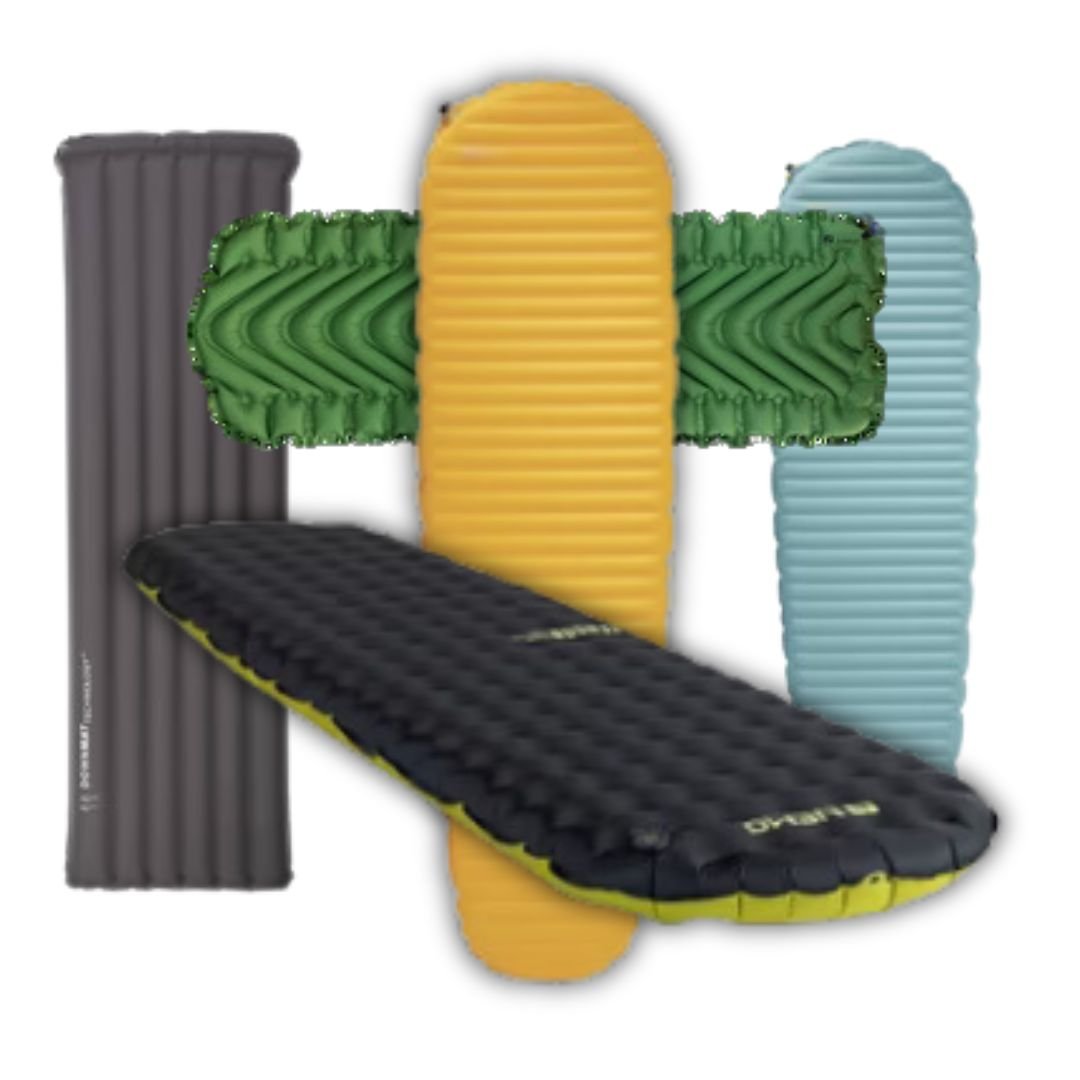
- Horizontal Baffles: Running side-to-side, these create a contoured surface that mimics a standard mattress. They are generally stable but can create "hinge points" that reduce support at the edges.
- Vertical Baffles: Running head-to-toe, these align with the body’s longitudinal axis. They provide excellent support for back sleepers but can feel "slippery" if the pad lacks side-edge stiffness.
- Air-Sprung Cells: Utilizing a matrix of dot welds, these mimic pocket-sprung mattresses. Each cell compresses independently, offering superior pressure distribution, though they can be prone to "bottoming out" if not properly inflated.
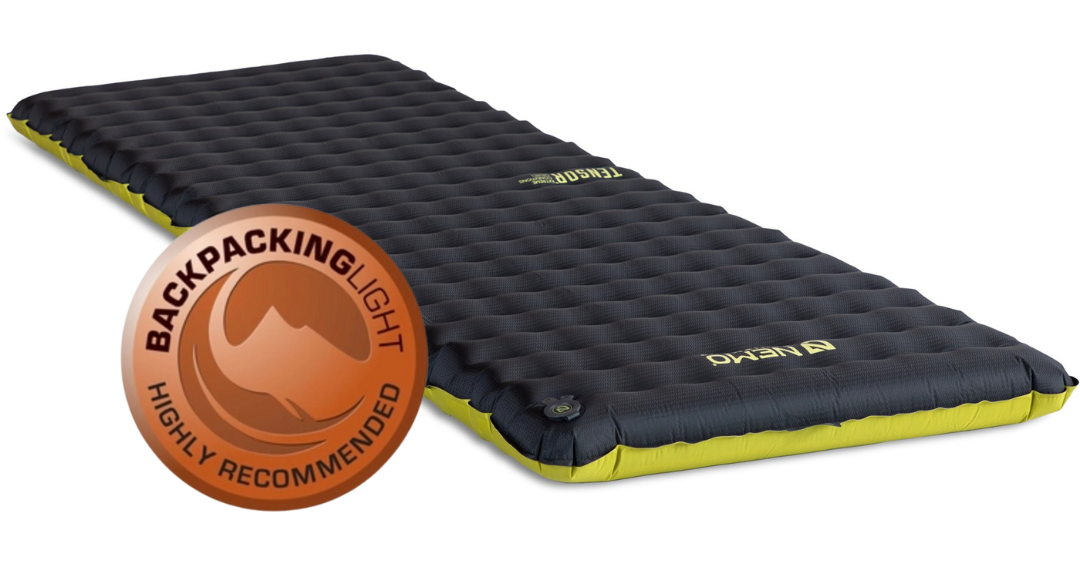
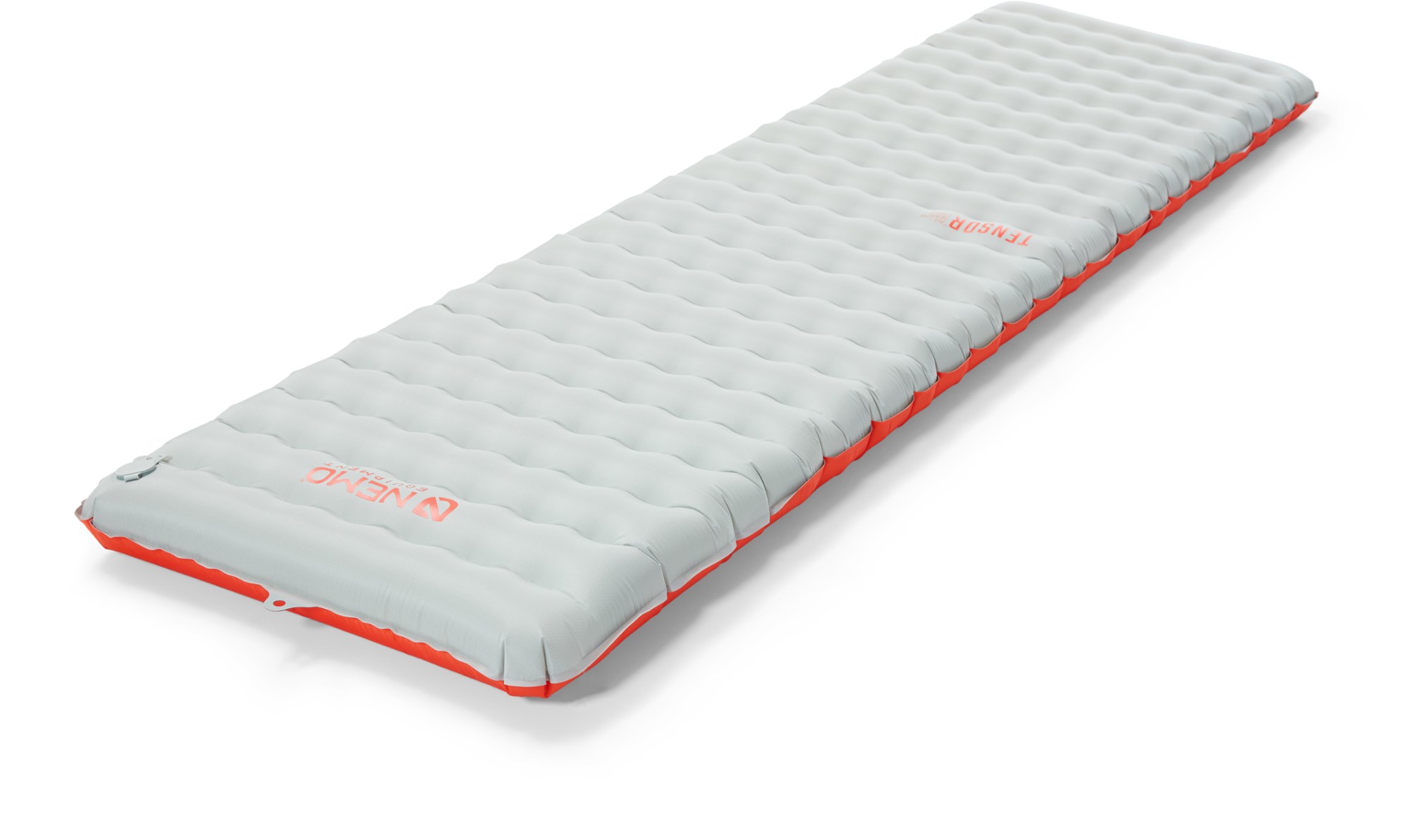
- 3D Welds: The current state-of-the-art, seen in the NEMO Tensor series. By using strategic internal welds, these pads control chamber depth and provide variable insulation density, offering the most stable and supportive experience for active sleepers.
Data-Driven Performance: The Market Leaders
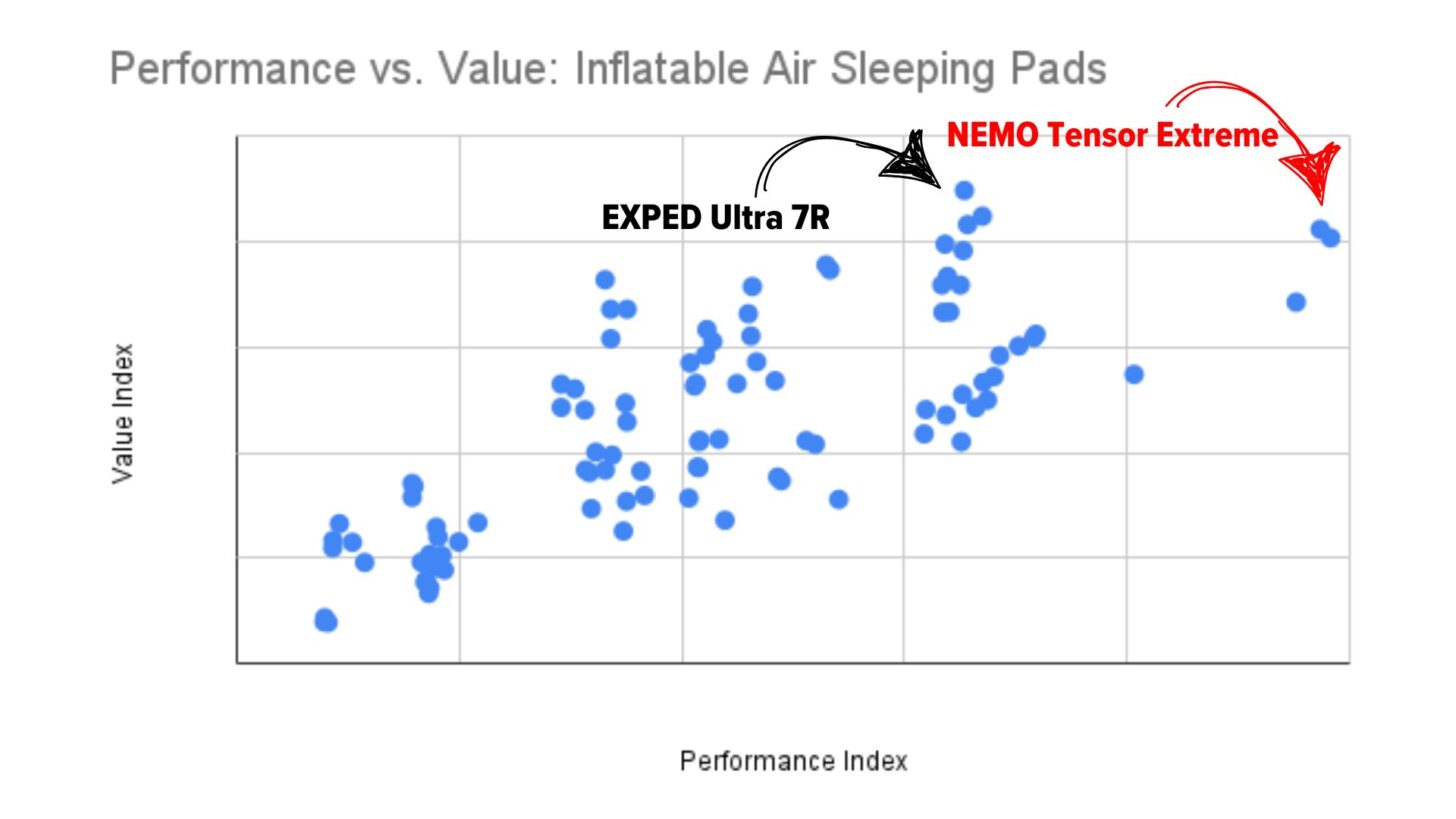
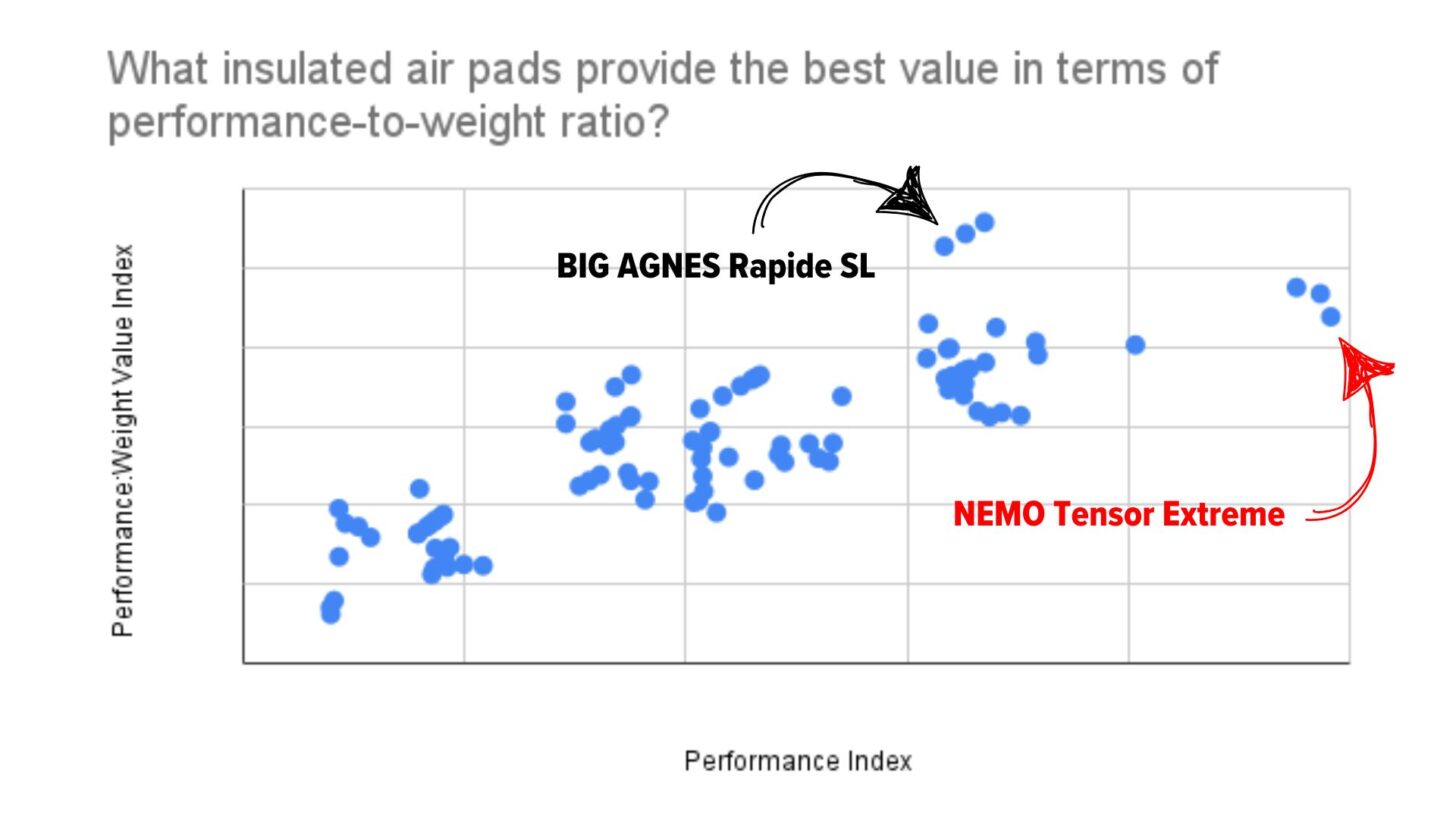
Our May 2026 database analysis highlights a clear shift: the "regular-wide" (RW) pad has become the preferred configuration for serious backpackers. The additional width allows for arm placement and splaying, significantly reducing pressure points during the night.

High-Performance Comparison (Regular-Wide)
| Model | Weight | R-Value | R/Weight Ratio |
|---|---|---|---|
| NEMO Tensor Extreme Conditions | 22 oz | 8.5 | 0.39 |
| Therm-a-Rest NeoAir XTherm NXT | 20 oz | 7.3 | 0.37 |
| Rab Ultrasphere 5 | 16 oz | 5.5 | 0.34 |
| NEMO Tensor All-Season | 19 oz | 5.4 | 0.28 |
For those prioritizing the highest warmth-to-weight ratio, the Therm-a-Rest NeoAir XTherm NXT remains the gold standard. However, for those who value quietness and stability, the NEMO Tensor series has effectively captured the market lead.

Official Manufacturer Perspectives and Quality Assurance
The backpacking industry has seen a flood of "white-label" products from online marketplaces. Our testing of these $15–$85 pads reveals a consistent failure in welded seam integrity and material QC. Conversely, established manufacturers like Cascade Designs (Therm-a-Rest), NEMO, and Sea to Summit have refined their valves and baffle structures to address common failure points.
NEMO, in particular, has leaned into 3D welding to create "quiet" pads that mitigate the "crinkling" noise associated with high-R-value reflective materials. Similarly, Sea to Summit’s transition from the XT to the XR series in 2025 demonstrates a focus on "ThermalCore" insulation, balancing warmth with a more compact packed size.
Practical Implications: The Two-Minute Field Protocol
To optimize your sleep system, adopt a standardized protocol every night. This removes the guesswork and ensures consistency regardless of the environment.
1. Controlled Inflation
Do not inflate to the point of rigidity. Use a "deflection target":
- Side Sleepers: Inflate to a firmness where the hip barely touches the ground when pressure is applied.
- Back Sleepers: Slightly firmer, with enough "give" to allow the shoulders to sink into the pad.
- Temperature Compensation: Remember that as the ambient air cools in the evening, the air inside your pad will contract, reducing pressure by roughly 10-15%. Inflate to 90% capacity, wait 10 minutes, then top off.
2. Strategic Layering
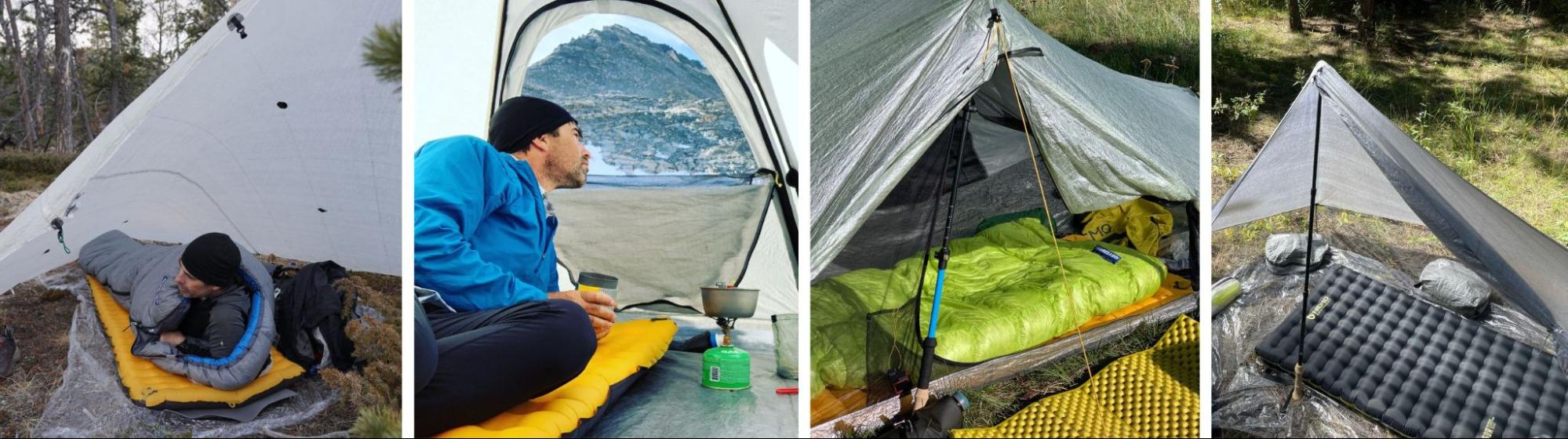
If you are pushing the limits of your pad’s R-value, a two-pad system is superior to a single high-performance pad. Placing a thin closed-cell foam pad (like the Gossamer Gear Thinlight) under your inflatable provides a puncture-proof barrier and a backup system. Placing it on top of your inflatable provides a "cushion" that improves comfort and reduces the noise of the fabric.
3. Integration with Bivy Sacks
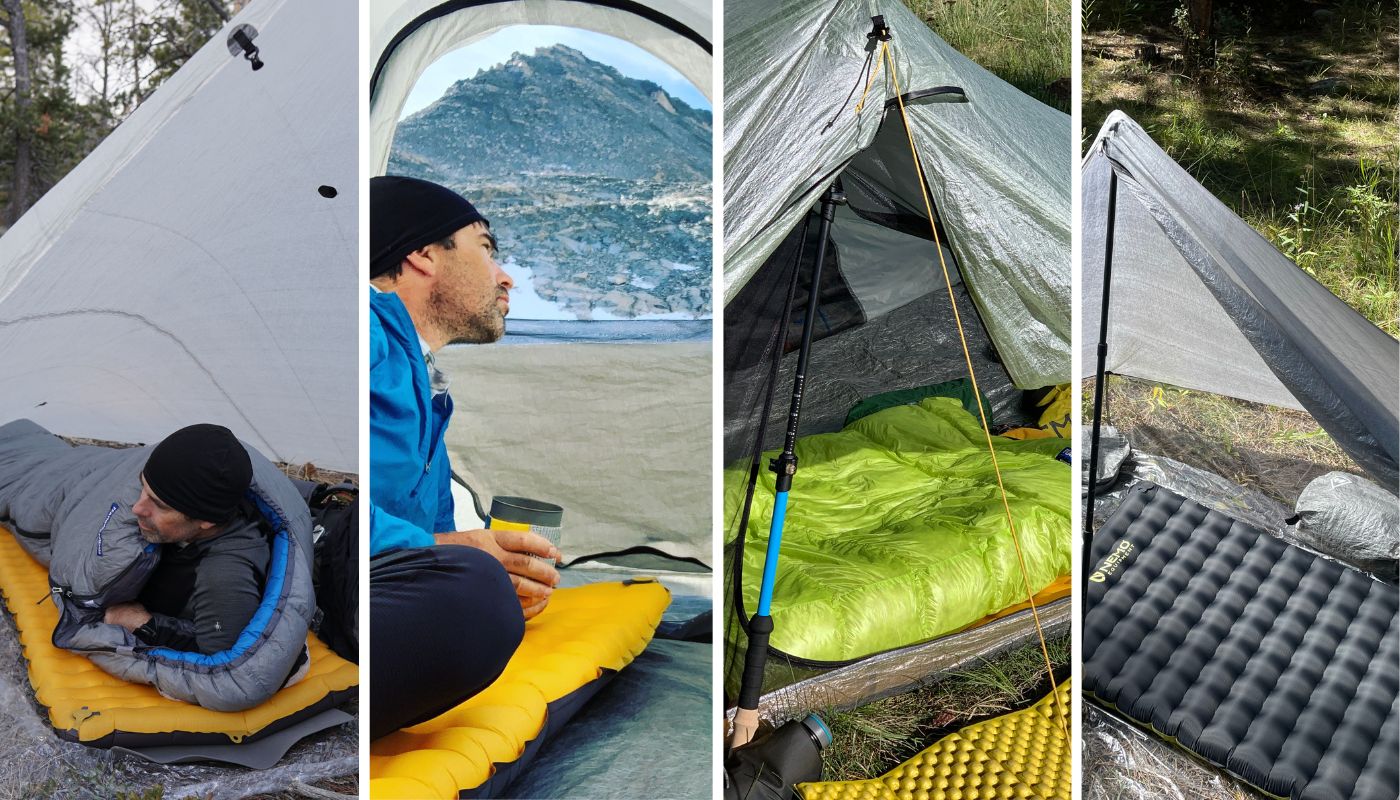
When using a bivy sack, volume is limited. A 20-inch wide mummy pad often performs better than a 25-inch rectangular pad because it prevents the pad from pushing against the bivy fabric, which can cause condensation to bridge the gap between the bag and the environment.

4. Cervical Alignment
Pillow loft is critical. A common mistake is using a pillow that is too low for the thickness of the pad. Your pillow should elevate your head just enough to keep your cervical spine in a neutral position relative to your shoulder, which should be supported by the pad.
Conclusion: The Path to Better Sleep
The transition from the simple blue foam pads of the 1960s to the thermally efficient, 3D-welded air mattresses of today has been nothing short of transformative. Yet, the equipment is only as good as the user’s ability to manage it. By treating your sleep system as a dynamic set of variables—tuning inflation based on pressure, choosing the right baffle architecture for your posture, and integrating foam when necessary—you can move past the limitations of your gear.
In the final analysis, the best sleeping pad is not necessarily the one with the highest R-value on the box; it is the one that you have mastered. Through the systematic application of these protocols, you can transform a night of restless tossing into consistent, restorative sleep, regardless of the terrain or the temperature.