In a landmark move for Australia’s energy transition, BW ESS has officially acquired the Yanco battery energy storage system (BESS) from ACEnergy, an Australia-based renewable energy developer. The 250MW/1GWh project, located in the Riverina region of New South Wales, represents a critical addition to the nation’s infrastructure as it moves away from fossil-fuel dependency toward a grid defined by renewable stability and flexibility.
The transaction marks a significant step forward for both companies: ACEnergy successfully shepherded the project through the complex “ready-to-build” phase, while BW ESS will now leverage its operational expertise to oversee the construction and long-term management of the facility. With commercial operations slated for 2028, the Yanco BESS is positioned to become a pillar of grid reliability in the National Electricity Market (NEM).
Main Facts: The Anatomy of the Yanco BESS
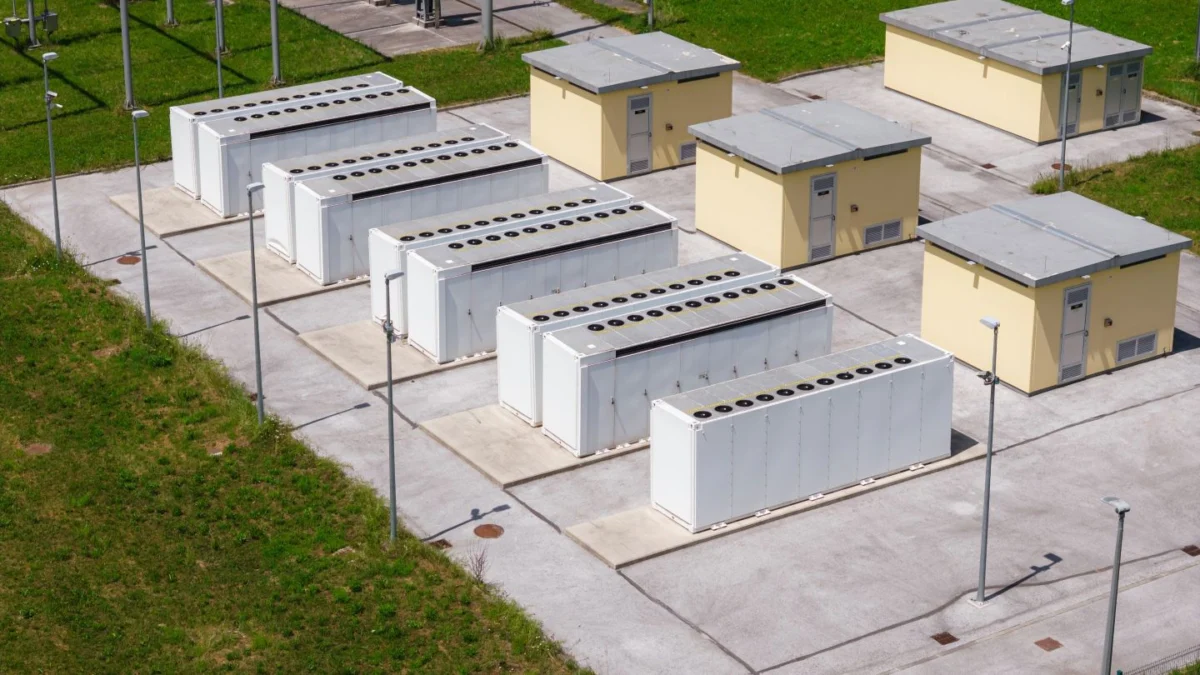
The Yanco BESS is not merely a battery installation; it is a sophisticated piece of power infrastructure designed to address the inherent intermittency of renewable energy sources such as wind and solar.
- Capacity: The facility will boast a capacity of 250MW and an energy storage volume of 1GWh.
- Grid Integration: The system will connect directly to the Yanco 132kV substation, integrating seamlessly with the existing transmission infrastructure.
- Operational Scope: The battery is engineered to provide four hours of continuous discharge, a duration critical for managing evening peaks and short-term supply gaps.
- Consumer Impact: At full capacity, the facility is designed to supply electricity to approximately 430,000 homes for a duration of four hours, providing a massive buffer for the New South Wales grid.
- Strategic Role: The project will serve three core functions: providing firming capacity to balance renewable output, enabling energy arbitrage by storing low-cost power for high-demand periods, and delivering essential system security services to stabilize grid frequency.
Chronology: From Concept to Financial Close
The journey of the Yanco BESS reflects the methodical, high-stakes nature of modern energy development.
1. Project Origination and Development (ACEnergy)
ACEnergy managed the Yanco project from its initial conception. This phase involved rigorous site selection, environmental assessments, and the acquisition of planning approvals. The developer also secured the necessary grid connection agreements, which are often the most significant hurdle in Australian renewable projects.
2. Achieving ‘Ready-to-Build’ Status
By reaching the "ready-to-build" milestone, ACEnergy effectively de-risked the project. This stage included finalizing land-use contracts and securing the necessary regulatory permits to commence large-scale construction.
3. The Acquisition and Financial Close
Following the acquisition by BW ESS, the project has reached financial close. This transition marks the hand-off from a developer-led model to an owner-operator model, ensuring the project has the capital and operational backing required for its construction phase.
4. Construction and Future Milestones
Construction is scheduled to begin later this year. The project is expected to follow a multi-year development cycle, culminating in a go-live date in 2028. This timeline allows for the intricate logistics of supply chain management, site preparation, and the installation of the battery racks and power conversion systems.
Supporting Data: Infrastructure and Market Context
The Yanco BESS is supported by a robust ecosystem of industry-leading partners. CATL, a global leader in battery technology, has been selected as the system integrator, ensuring that the lithium-ion storage technology is of the highest safety and performance standards. Meanwhile, ACLE Services has been appointed as the balance of plant (BoP) contractor, responsible for the civil and electrical infrastructure surrounding the battery units.
Revenue Stability
The project’s economic viability is anchored by a capacity swap agreement. This financial structure ensures long-term revenue predictability, mitigating the risks associated with the volatility of the spot energy market. For institutional investors and project owners, such contracts are essential for providing the "bankability" required for large-scale energy storage assets.
BW ESS’s Expanding Footprint
The acquisition of Yanco BESS is a strategic play in a broader expansion effort by BW ESS. Their current Australian portfolio is impressive:
- 1.3GWh currently in commissioning: Projects nearing the operational finish line.
- 1GWh in late-stage development: Projects currently nearing construction.
- 2GW pipeline: A massive greenfield pipeline that positions BW ESS as a tier-one player in the NEM.
Official Responses: Strategic Alignment
The acquisition has been met with enthusiasm from the leadership of both organizations, underscoring the collaborative nature of the Australian energy transition.
Andy Hadland, Executive Director of BW ESS, commented:
"We’re pleased to welcome Yanco BESS to BW ESS’s growing Australian portfolio. As a long-term owner and operator of energy-storage assets, our priority is to progress the project responsibly, establish strong local relationships, and deliver enduring value for the electricity system."
Hadland’s comments highlight the shift in focus from mere project development to operational excellence and community stewardship. BW ESS plans to continue the community engagement initiatives pioneered by ACEnergy, ensuring the project maintains a "social license to operate" in the Riverina region.
Raymond Wang, Managing Director of ACEnergy, noted:
"Financial close on Yanco BESS is a significant milestone for ACEnergy and a strong endorsement of our platform. We have taken the project from origination through to ready-to-build, working closely with the local community and stakeholders along the way."
For ACEnergy, this project represents the fifth large-scale battery system they have brought to financial close, cementing their reputation as a premier developer in the Australian market.
Implications: A New Era for the NEM
The implications of the Yanco BESS project are far-reaching, touching on technical, economic, and social dimensions.
Technical Stability
The NEM is undergoing a fundamental transformation as coal-fired power stations retire. The Yanco BESS acts as a "shock absorber" for the grid. By providing inertia and fast frequency response, batteries like Yanco are essential for preventing grid instability during sudden fluctuations in wind or solar generation.
Economic Impact
By facilitating energy arbitrage, the project allows the market to store electricity when supply exceeds demand—often during the middle of the day when solar generation is at its peak—and release it when demand surges, typically in the evening. This helps keep wholesale electricity prices more manageable and prevents the "negative pricing" scenarios that can plague an inefficient grid.
Community and Environmental Impact
The development of renewable energy infrastructure brings jobs and investment to regional Australia. By taking over the community engagement process, BW ESS is signaling that it intends to remain a long-term member of the Riverina community. Furthermore, by enabling a higher penetration of renewables, the Yanco BESS directly contributes to Australia’s decarbonization targets, helping the nation meet its net-zero obligations.
The Road Ahead
As construction begins later this year, the energy industry will be watching the Yanco BESS closely. The project serves as a bellwether for the viability of large-scale storage in regional NSW. If successful, it will not only provide consistent returns for its investors but also serve as a blueprint for future BESS projects that will be necessary to sustain Australia’s power grid throughout the 2030s and beyond.
In conclusion, the acquisition of Yanco BESS by BW ESS is a transformative event. It combines the local development expertise of ACEnergy with the global operational scale of BW ESS, backed by the industry-leading technology of CATL. As the project moves toward its 2028 operational date, it stands as a testament to the maturation of Australia’s energy storage market—moving from the early stages of experimental pilot projects to a sophisticated, grid-scale asset class that is essential to the future of the nation’s power supply.