HELSINKI – In a strategic move designed to fortify Finland’s standing on the international winter sports stage, Minister of Sport Mika Poutala has announced a significant financial injection into the nation’s top-tier athletic programs. The funding package, totaling over €2.8 million, comprises both individual athlete grants and substantial investments in the high-performance training systems of national sports federations.
This announcement, released by the Ministry of Education and Culture on June 11, 2026, marks a pivotal moment for Finnish sports policy, signaling a transition toward more stable, long-term financial planning for elite competitors.
The Core Facts: A Breakdown of the Investment
The financial package is divided into two primary categories: direct support for individual athletes and "high-performance intensification grants" allocated to national sports federations.
Athlete Grants
A total of 32 winter sports athletes have been awarded state-funded training and coaching grants. These grants are categorized into two tiers:
- Tier 1: 14 athletes received €24,000 each.
- Tier 2: 18 athletes received €12,000 each.
The total expenditure for these individual grants exceeds half a million euros. This distribution follows a rigorous selection process, finalized by the Ministry of Education and Culture based on recommendations provided by the Finnish Olympic Committee.
Federation Funding
Beyond individual support, the ministry has directed over €2.3 million toward six national winter sports federations. This "high-performance intensification grant" is specifically designed to bolster national team operations, enhance coaching infrastructure, and provide the logistical support necessary for athletes to train at a professional, full-time capacity.
Chronology and Context: Building Toward Milano-Cortina 2026
The timing of this funding is far from incidental. With the 2026 Milano-Cortina Winter Olympics serving as the primary focus, the Ministry of Education and Culture has been working closely with the Finnish Olympic Committee to ensure that the "Olympic cycle" is adequately resourced.
- Pre-2026 Planning: Throughout late 2025 and early 2026, the Ministry held consultations with sports federations to assess the specific needs of athletes competing in the Milano-Cortina cycle.
- February 2026: The winter sports season reached its peak intensity, with athletes like Ilkka Herola showcasing high-level performances in test events. These performances provided the competitive data points used by the Olympic Committee to justify the funding recommendations.
- June 2026: The official announcement of the grants marks the formal start of the final push toward the next major international milestones.
- The Broader Picture: It is important to note that this is not an isolated event. Earlier in 2026, the ministry granted similar support to 76 athletes in various summer sports, demonstrating a holistic approach to Finnish athletic funding across all seasons.
Official Perspectives: Minister Poutala’s Vision
Minister of Sport Mika Poutala, a former elite athlete himself, emphasized the importance of stability in his official remarks. The most significant shift in the 2026 policy is the move toward two-year funding cycles.
"The long-standing wish from our athletes for two-year grant decisions has finally been fulfilled," Poutala stated. "By moving to a multi-year model, we allow our elite competitors to focus entirely on their craft. It removes the annual anxiety of financial uncertainty, allowing them to pursue a full-time, professional approach to their training. This is a foundational necessity for achieving success on the international stage."
The Ministry’s decision-making process, while finalized by the government, relies heavily on the technical expertise of the Finnish Olympic Committee. By basing these grants on objective performance indicators and future potential, the Ministry aims to ensure that tax-payer funds are allocated to those with the highest probability of delivering results at World Championships and Olympic Games.
Implications: What This Means for Finnish Sports
The infusion of €2.8 million into the winter sports ecosystem has several profound implications for the structure of Finnish athletics.
1. Professionalization of the Athlete Lifestyle
In many winter sports, the line between amateur and professional is thin. By providing €24,000 grants, the state is effectively subsidizing the basic cost of living for top athletes, allowing them to train, recover, and travel without the need for secondary, non-sports-related employment. This creates a "professional-first" environment that is the standard in major competing nations like Norway, Switzerland, and Austria.
2. Strengthening the "Pipeline"
The high-performance intensification grants to the federations are arguably as important as the individual grants. These funds will be used to hire specialized coaches, purchase cutting-edge equipment, and secure access to high-altitude training camps. This infrastructure is what separates "talented hobbyists" from "Olympic contenders."
3. Mental Well-being and Performance
Sports psychology has long argued that financial security is a key component of athletic performance. When an athlete does not have to worry about how they will pay for their next training camp or their equipment maintenance, their cortisol levels remain lower, and their focus remains sharper. The two-year horizon provided by this grant cycle will likely contribute to better mental health outcomes for the 32 recipients.
Supporting Data: The Beneficiaries
The list of recipients reflects a broad spectrum of winter disciplines, ensuring that funding is not concentrated in just one area.
Alpine Skiing
- Eduard Hallberg (€24,000)
- Nette Kiviranta (€24,000)
- Elian Lehto (€12,000)
Biathlon
- Olli Hiidensalo (€24,000)
- Inka Hämäläinen, Arttu Heikkinen, Otto Invenius, Tero Seppälä (€12,000 each)
Freestyle & Freeski
- Anni Kärävä, Olli Penttala, Jon Sallinen, Elias Syrjä (€24,000 each)
- Kuura Koivisto, Severi Vierelä (€12,000 each)
Cross-Country Skiing
- Lauri Vuorinen, Arsi Ruuskanen, Jere Inkki Inola, Lauri Inkilä (Guide) (€24,000 each)
- Johanna Matintalo, Vilma Ryytty, Niko Anttola (€12,000 each)
Nordic Combined
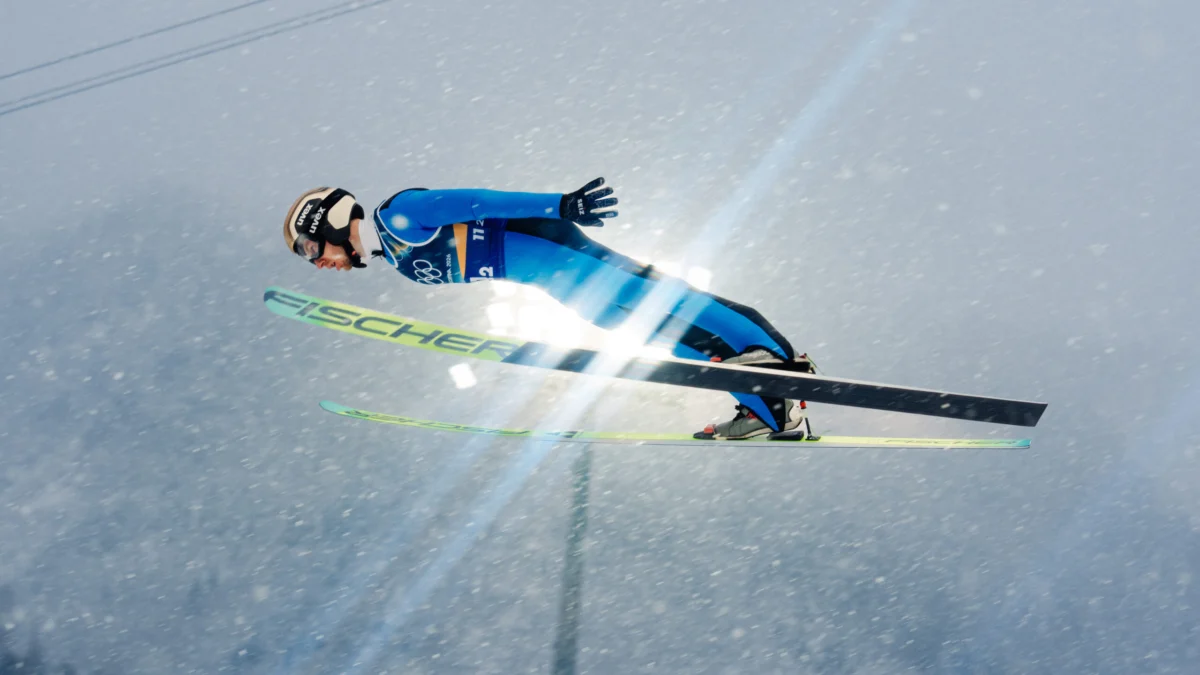
- Ilkka Herola, Eero Hirvonen, Minja Korhonen (€24,000 each)
- Heta Hirvonen (€12,000)
(Additional recipients were also noted in Ski Jumping, Snowboarding, and Figure Skating, rounding out the 32-athlete cohort.)
Future Outlook: The Road to 2026
As the winter season approaches, all eyes are on these 32 athletes. The investment made by the Ministry is a bet on their potential to bring home medals. However, the success of this policy will not be measured solely by podium finishes. It will also be measured by the continuity of the programs and the ability of these federations to maintain high standards of coaching and athlete welfare.
For fans and observers of Finnish sports, the move to a two-year grant model represents a maturing of the sports administration system. By aligning funding with the four-year Olympic quadrennial, the government is demonstrating that it understands the long-term nature of elite athletic development.
The next phase of this project will involve monitoring the impact of these funds on the athletes’ performances. With the Milano-Cortina Games on the horizon, the pressure will be high, but for the first time in many years, the athletes will be entering the arena with the financial backing they need to compete at their absolute best.
For further inquiries regarding the grant allocation or future funding windows, the Ministry of Education and Culture points interested parties to Senior Specialist Kari Niemi-Nikkola or the Minister’s Special Assistant, Toni Ahva.