
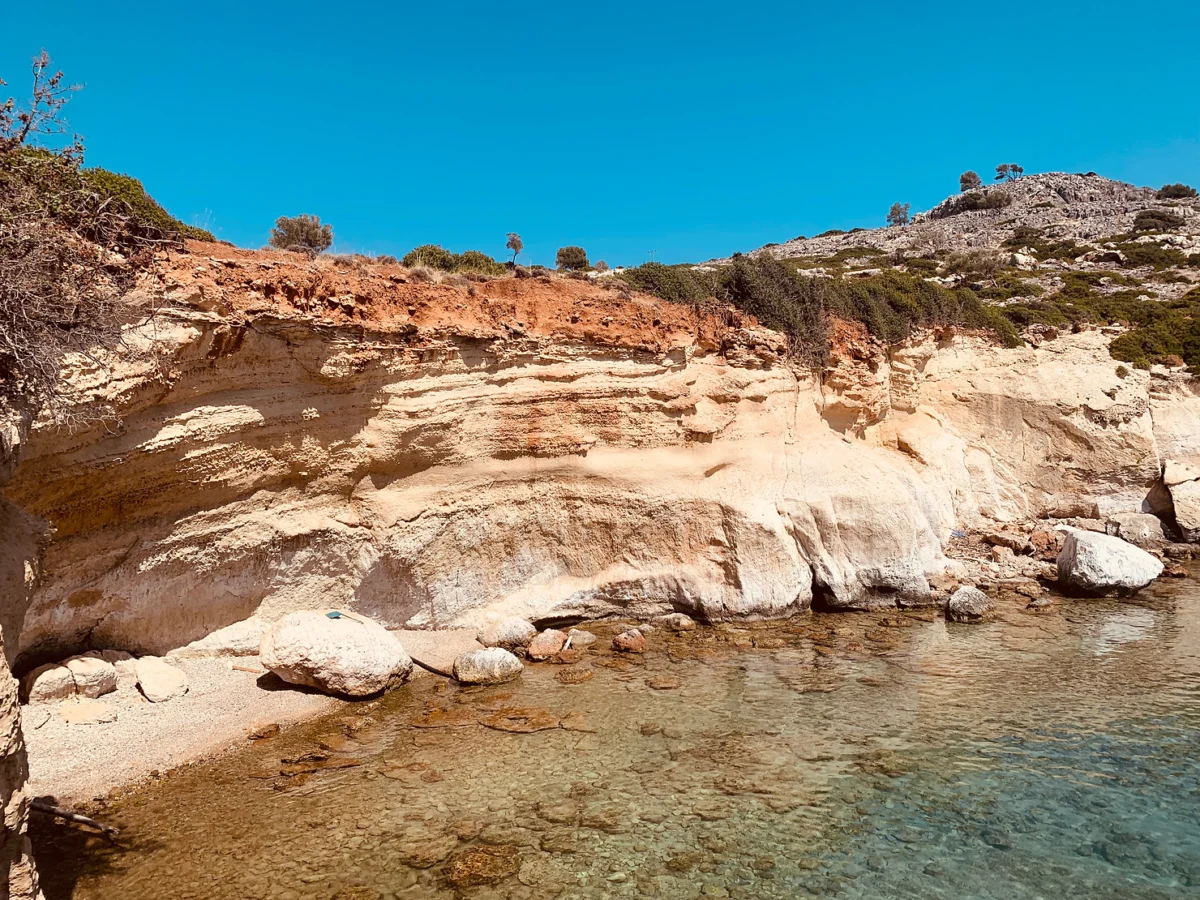
Rhodes, the jewel of the Dodecanese, is renowned for its medieval history, the iconic Acropolis of Lindos, and a bustling tourism sector that draws millions annually. Yet, beneath the veneer of the island’s popular resort strips lies a hidden geography of solitude. For the traveler willing to trade convenience for quietude, Rhodes offers a sanctuary of secluded coves, rugged coastlines, and pristine waters that remain largely untouched by the modern resort culture.
Main Facts: The Essence of Rhodian Seclusion
The allure of a "secluded" beach in Rhodes is defined by three factors: accessibility, natural preservation, and acoustic isolation. Unlike the manicured, sunbed-heavy stretches of Faliraki or central Lindos, these locations require effort to reach—often involving dirt tracks, winding rural roads, or long coastal hikes.
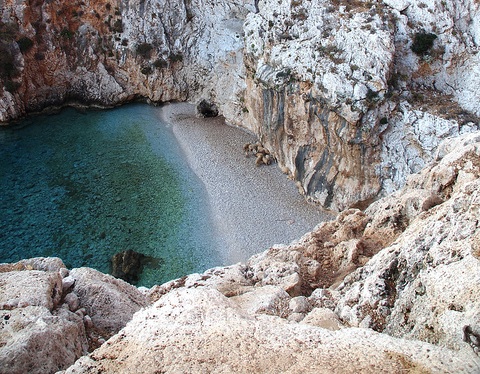
The geological diversity of the island—ranging from the volcanic-influenced western shores to the soft, Mediterranean sands of the south—means that each hidden beach offers a unique experience. These sites are not merely places to swim; they are ecological niches. Many, such as the protected biotope at Apolakia, serve as vital habitats for local wildlife, maintaining a delicate balance that mass tourism often disrupts.
Chronology: A Journey Through the Island’s Coastal Evolution
The discovery of these hidden gems reflects a shift in modern travel preferences. Historically, the development of Rhodes focused on coastal accessibility for large-scale tourism. However, as the 21st century progressed, a "slow travel" movement emerged.

- 1970s – The Emergence of Local Outposts: Coastal spots like Glyfada became known to local residents, with humble canteens established to serve workers and fishermen, setting the foundation for the rustic, authentic dining experiences found there today.
- Early 2000s – Digital Discovery: As social media platforms began to flourish, the "insider tip" became a form of currency for travelers seeking off-the-beaten-path locations.
- 2015-Present – The Preservation Focus: Environmental awareness has prompted both locals and visitors to protect these sensitive areas, shifting the focus from "finding new spots" to "respecting the solitude" of existing ones.
Supporting Data: The 10 Hidden Treasures
1. Fokia Beach (Pefkos)
Located just 5km from the vibrant center of Lindos, Fokia is a masterclass in Mediterranean charm. Surrounded by lush greenery, the cove is famed for the constant, rhythmic chorus of cicadas. It offers the quintessential Rhodian experience: a deep connection to nature within reach of civilization.
2. Fourni Beach (Monolithos)
Situated at the western tip of the island, Fourni is arguably the most dramatic location for sunset seekers. Its rugged, lush surroundings create a sense of being at the edge of the world, where the sea meets the horizon in an unbroken line of Aegean blue.

3. Mavros Kavos (Katavia)
For the intrepid traveler, Mavros Kavos is the ultimate prize. Accessing this beach requires a 20-minute off-road journey. The absence of infrastructure—no sunbeds, no bars, no construction—results in a rare, profound silence that allows for total immersion in the wild landscape.
4. Arkeftas Beach (Pefkos)
Arkeftas is a sanctuary for those who value morning light. Facing the open Mediterranean, the water here possesses a clarity that is difficult to find elsewhere. It is a place to arrive at dawn and remain until the sun dips behind the island’s southern cliffs.

5. Kopria Beach (Ataviros)
A hidden treasure in the true sense, Kopria is a small, pebbled cove. Its difficulty to find acts as a natural filter against overcrowding. It features minimal facilities, just enough to ensure comfort without sacrificing the rugged atmosphere.
6. Glyfada Beach (Ataviros)
The journey to Glyfada is as rewarding as the destination, involving a scenic drive through the island’s rural heartland. The beach is bordered by pine trees that reach almost to the water’s edge. The local canteen, operational since the 1970s, remains a pillar of authentic local cuisine.

7. Apolakia Beach (Apolakia)
Spanning a vast distance at the southwestern tip, Apolakia is not just a beach but a protected biotope. The waters here are dynamic, often featuring waves that appeal to those who prefer an active, exhilarating swim over the placid waters of the eastern bays.
8. Mandriko Beach (Ataviros)
Positioned in front of the port of Emponas, Mandriko is a quiet coastal haven. Located just 7 km from the more accessible Kameiros Skala, it offers a peaceful alternative for those exploring the western coast.

9. Kiotari Beach (Kiotari)
While Kiotari is known for its resorts, the true "hidden" Kiotari lies away from the umbrellas. By seeking out the traditional fishing village and the iconic shack on the rock, visitors can discover a side of the area that feels anchored in the past.
10. Areta Beach (Chalki)
A short ferry ride from Mandriko port transports travelers to the island of Chalki. Areta Beach is a snorkeler’s paradise, defined by its isolation and the sheer, crystalline quality of its underwater world.

Official Responses and Sustainability Efforts
Local authorities and environmental groups in Rhodes have increasingly emphasized the importance of sustainable tourism. The "Rhodes Co-Lab" initiative and other sustainability projects seek to ensure that these secluded areas are not degraded by the increase in visitor interest.
"The goal is to maintain the integrity of these sites," says a representative from local tourism boards. "When visitors seek out these beaches, we urge them to follow ‘Leave No Trace’ principles. The beauty of these locations is dependent on their wild, untouched nature."

Implications: The Responsibility of the Traveler
The inclusion of these beaches in a list of "must-see" spots brings with it a paradox: the more popular these secluded spots become, the less secluded they are. The implications for the future are clear:
- Ecological Preservation: Many of these sites, such as the biotope at Apolakia, are fragile. Foot traffic and waste management are critical issues that require constant vigilance from both local municipalities and visitors.
- Economic Impact: While these beaches provide a unique draw for travelers, the lack of infrastructure means they do not generate the same tourism revenue as major resorts. However, they support local, small-scale businesses—such as the 1970s-era canteen at Glyfada—which are vital for preserving the island’s cultural identity.
- The Shift in Tourism Narrative: As Rhodes moves toward a more diversified tourism model, these beaches serve as a testament to the island’s potential for high-quality, low-impact travel.
Conclusion
Rhodes is an island of dualities: the grand, historic monuments of the Knights and the ancient Acropolis stand in balance with the quiet, wild beauty of its secret coves. Whether it is the pine-shaded shores of Glyfada or the rugged, off-road solitude of Mavros Kavos, these ten beaches invite a deeper engagement with the island. They are not merely destinations; they are invitations to experience the Aegean as it has existed for centuries—pristine, blue, and profoundly peaceful.

For those planning their journey, remember that the true value of these locations lies in their preservation. Travel with respect, leave the landscape as you found it, and treasure the silence that only a truly hidden beach can provide.
For more information on planning your trip to Rhodes and exploring the island’s hidden treasures, visit the Caesars Gardens Hotel & Spa in Lindos.