For the modern traveler, the traditional safari is no longer just about the "Big Five" from the safety of a vehicle. There is a burgeoning shift toward immersive, responsible, and physically engaging tourism. East Africa, a region defined by the dramatic geological scars of the Great Rift Valley, has emerged as the global epicenter for this evolution. From the snow-capped volcanic peaks of Tanzania to the mist-shrouded, gorilla-inhabited craters of Rwanda, the region offers a masterclass in ecotourism—where adventure meets conservation.
The Geological Majesty: A Volcanic Tapestry
East Africa’s topography is the result of millions of years of tectonic activity. The Great Rift Valley, a massive geological fracture, has gifted the region with some of the most spectacular volcanic features on the planet.
Key destinations leading this ecotourism charge include:
- Mount Kilimanjaro (Tanzania): The crown jewel of Africa, a dormant volcano that stands as the world’s highest free-standing mountain.
- Mount Meru (Tanzania): Often overshadowed by its neighbor, Meru offers a rugged, pristine hiking experience.
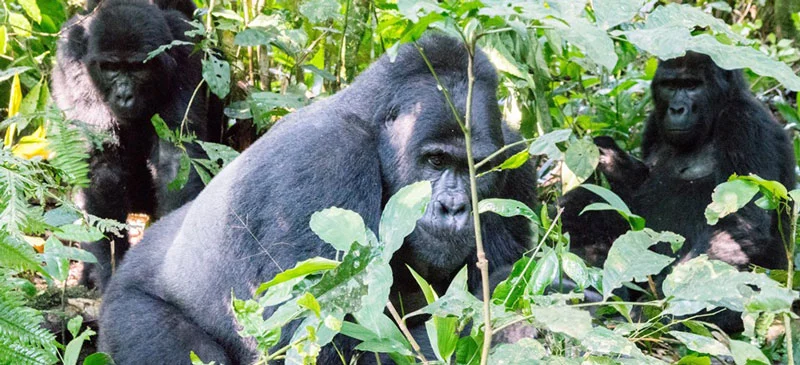
- Volcanoes National Park (Rwanda): A high-altitude sanctuary famous for mountain gorilla tracking.
- Mount Kenya (Kenya): A majestic stratovolcano offering challenging alpine climbs.
- The Eastern Arc Mountains: Ancient peaks known for unparalleled biodiversity.
- Ol Donyo Lengai (Tanzania): Known as the "Mountain of God," it is the only active carbonatite volcano in the world.
These sites are not merely tourist attractions; they are fragile ecosystems that require the very definition of ecotourism: traveling responsibly, minimizing environmental impact, and ensuring that local communities benefit from every visitor.
Chronology of the East African Safari Evolution
The transformation of the East African safari circuit has occurred in three distinct waves:
- The Colonial Era (Pre-1960s): Tourism was primarily extractive, focused on trophy hunting and colonial exploration. The volcanic landscapes were seen as obstacles or curiosities rather than ecosystems.
- The Conservation Era (1970s–1990s): Following independence, countries like Tanzania and Rwanda began formalizing national parks. The emphasis shifted toward wildlife protection, particularly for the African elephant and the mountain gorilla.
- The Ecotourism Era (2000s–Present): The current phase focuses on "low-impact, high-value" travel. By integrating local cultural experiences—such as visiting Maasai Bomas in the Ngorongoro Conservation Area—with rigorous trekking, tourism has become a vital economic pillar for the local populace.
Supporting Data: Why Volcanoes and Trekking Matter
Recent trends indicate that travelers are moving away from passive observation. According to industry reports, there has been a 25% year-on-year increase in inquiries regarding "active adventure" safaris in East Africa.
The Ngorongoro Highlands Advantage
The Ngorongoro Conservation Area is perhaps the best example of multi-faceted ecotourism. Beyond the famous crater floor, the highlands provide a secondary layer of exploration. Sites like the Olmoti Crater and Empakai Crater offer walking safaris that allow travelers to connect with the land at a human pace.
For those planning to summit Kilimanjaro, the Ngorongoro highlands are not just a diversion; they are a tactical necessity. High-altitude trekking in the Ngorongoro region serves as an essential acclimatization period. By spending days walking through these volcanic landscapes, trekkers prepare their bodies for the physiological demands of the Kilimanjaro ascent, significantly increasing their summit success rates.
The "Big Five" and Beyond: A Holistic Travel Experience
A comprehensive 8 to 14-day safari package now routinely blends wildlife viewing with cultural immersion and volcanic trekking. The modern traveler seeks a "combo" experience:
- The Wildlife: Game drives in the Serengeti to witness the Great Migration.
- The Primates: Gorilla and chimpanzee tracking in Rwanda’s Volcanoes National Park or Tanzania’s Gombe Stream.
- The Culture: Engaging with Maasai pastoralists to understand traditional land stewardship.
- The Ascent: Challenging oneself on the Lemosho or Machame routes of Kilimanjaro.
This hybrid model ensures that tourism dollars do not just stay in the pockets of international tour operators, but directly support the Maasai villages and local conservation projects. By booking through reputable destination management companies like Kilimanjaro Tanzanite Safaris, travelers gain access to eco-lodges that prioritize sustainability and minimize their carbon footprint.
Official Perspectives on Conservation
Conservationists and government officials emphasize that the primary goal of these tours is "well-being." When a traveler visits a Maasai village, the transaction is not a donation; it is an exchange of culture that provides a sustainable income stream, reducing the community’s reliance on subsistence farming or poaching.
As highlighted by travel authorities like Travel and Leisure, visiting primate habitats—such as those in Rwanda—requires a strict code of conduct. These guidelines ensure that human presence does not negatively impact the delicate social structures of gorilla families. Rwanda’s focus on 4-to-5-day gorilla trekking itineraries, combined with the Kigali Genocide Memorial visit, provides a profound educational experience that goes far beyond a typical holiday.
Implications for the Future of Travel
The rise of East African volcanic tourism brings with it both opportunities and responsibilities.
1. Environmental Stewardship
The increase in foot traffic on volcanic trails necessitates strict "leave no trace" policies. As more hikers frequent the ice fields of Kilimanjaro or the forests of Rwanda, the industry must invest in waste management and trail maintenance to ensure these ecosystems remain pristine for future generations.
2. Economic Empowerment
The "trickle-down" effect of ecotourism is significant. By utilizing local guides, porters, and eco-lodges, the tourism industry becomes a catalyst for regional development. The goal is to move toward a model where local communities are the primary custodians of their natural heritage.
3. The Shift in Traveler Expectations
The contemporary traveler is more informed. They ask about carbon offsets, the treatment of mountain porters, and the ethical impact of their visit to indigenous communities. This demand for transparency is forcing the entire East African tourism sector to elevate its standards.
How to Plan Your Sustainable Journey
For those looking to embark on an East African expedition, the options are as vast as the Rift Valley itself. Whether it is a 9-day trek through the South-North Kilimanjaro ice fields or a 4-day primate safari in Rwanda, the focus must remain on quality over quantity.
- Customization: Work with DMC (Destination Management Companies) that have deep local roots. Agencies like Kilimanjaro Tanzanite Safaris specialize in curated itineraries that combine high-altitude climbing with wildlife safaris, ensuring that the logistical complexity of crossing borders (e.g., from Tanzania to Rwanda) is handled professionally.
- Preparation: Whether you are trekking to see the golden monkeys in Volcanoes National Park or climbing the slopes of Mount Kenya, physical fitness and proper gear are paramount.
- Contribution: Opt for packages that explicitly state their contribution to local conservation funds.
Conclusion
East Africa is no longer just a destination for wildlife enthusiasts; it is a global classroom for those interested in the raw power of the earth and the resilience of its people. By choosing to climb, trek, and explore the volcanic wonders of Tanzania, Rwanda, and Kenya, you are participating in a movement that values the planet as much as the experience.
In the silence of a volcanic crater or the thick mist of a gorilla sanctuary, you realize that the safari experience is a privilege. It is a responsibility to be carried home, a reminder that the world’s most spectacular landscapes are only as enduring as the care we provide them. Whether you are seeking the thrill of the climb or the serenity of a walking safari, East Africa remains the world’s ultimate destination for those who wish to travel with purpose.