The surge in outdoor recreation has fundamentally reshaped how Americans interact with their natural surroundings. In 2024 alone, over 181 million participants—nearly 60% of the U.S. population—engaged in outdoor activities, with paddlesports carving out a massive, dedicated segment of that growth. According to the latest data from the Outdoor Industry Association, approximately 30 million people are now active participants in canoeing and kayaking.
As these numbers climb, the perennial debate between the "canoe person" and the "kayak person" has become more than a stylistic preference; it is a practical consideration of logistics, intended use, and safety. Choosing between the two requires a nuanced understanding of boat design, hydrodynamics, and the specific requirements of the water you intend to navigate.
The Core Technical Differences: A Structural Breakdown
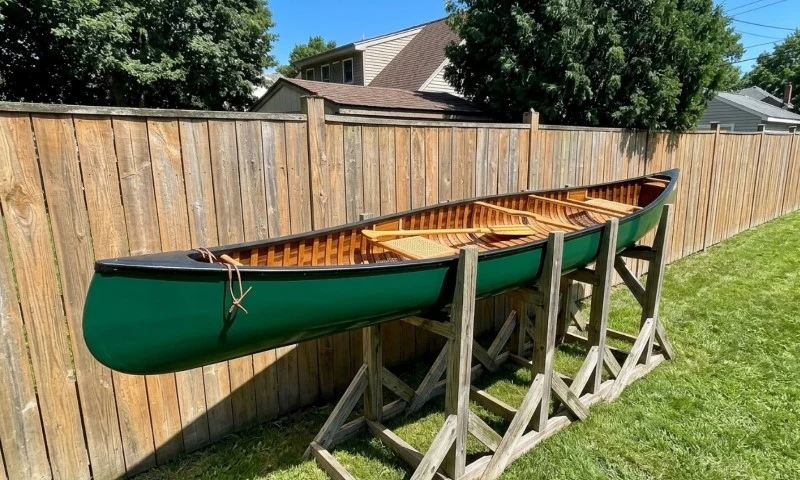
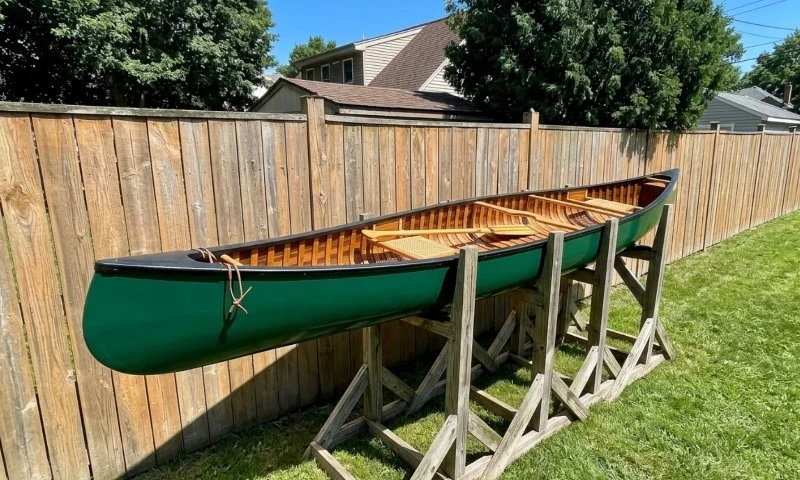
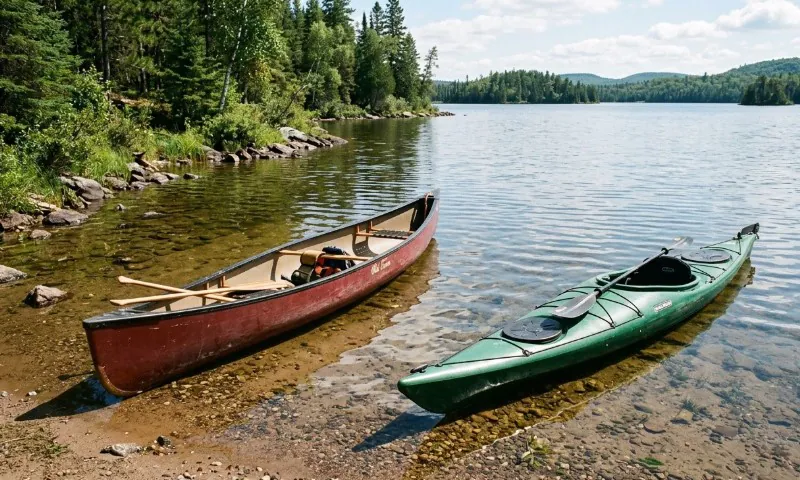
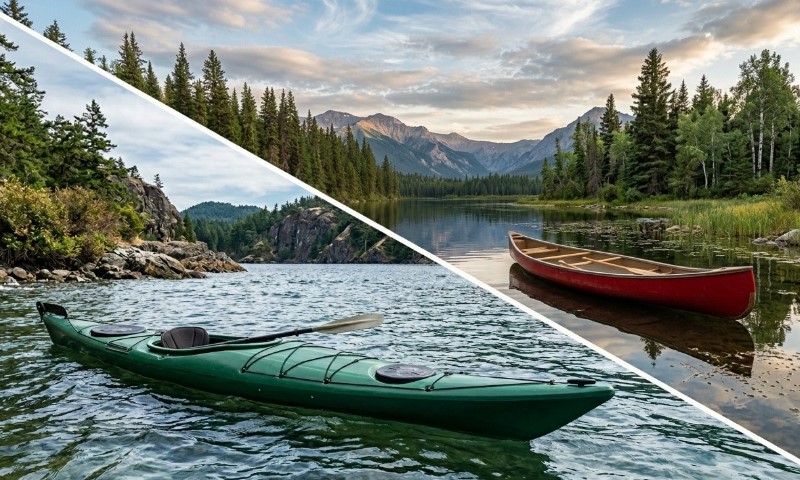
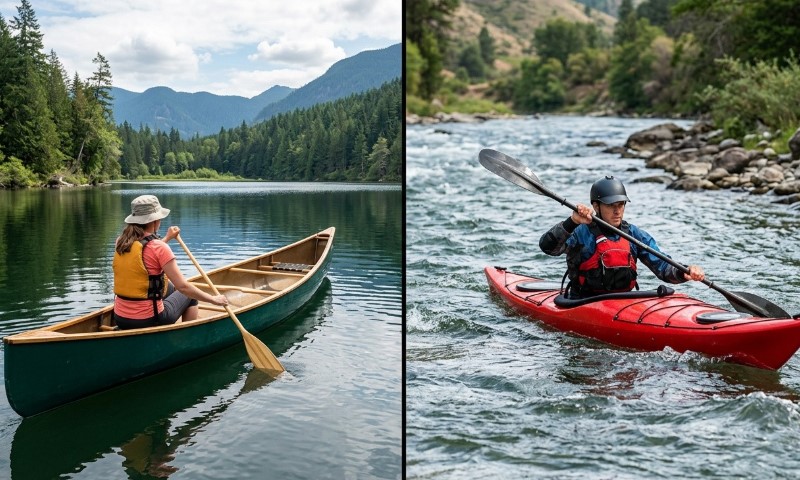
To understand the distinction, one must first look at the design philosophy inherent in each vessel. A canoe is widely regarded as the "floating SUV" of the water—an open-deck design characterized by higher gunwales and a seating arrangement that often involves bench seats or kneeling. Canoeists utilize a single-bladed paddle, a technique that requires rhythmic side-switching or specific steering strokes, such as the J-stroke, to maintain a straight line.
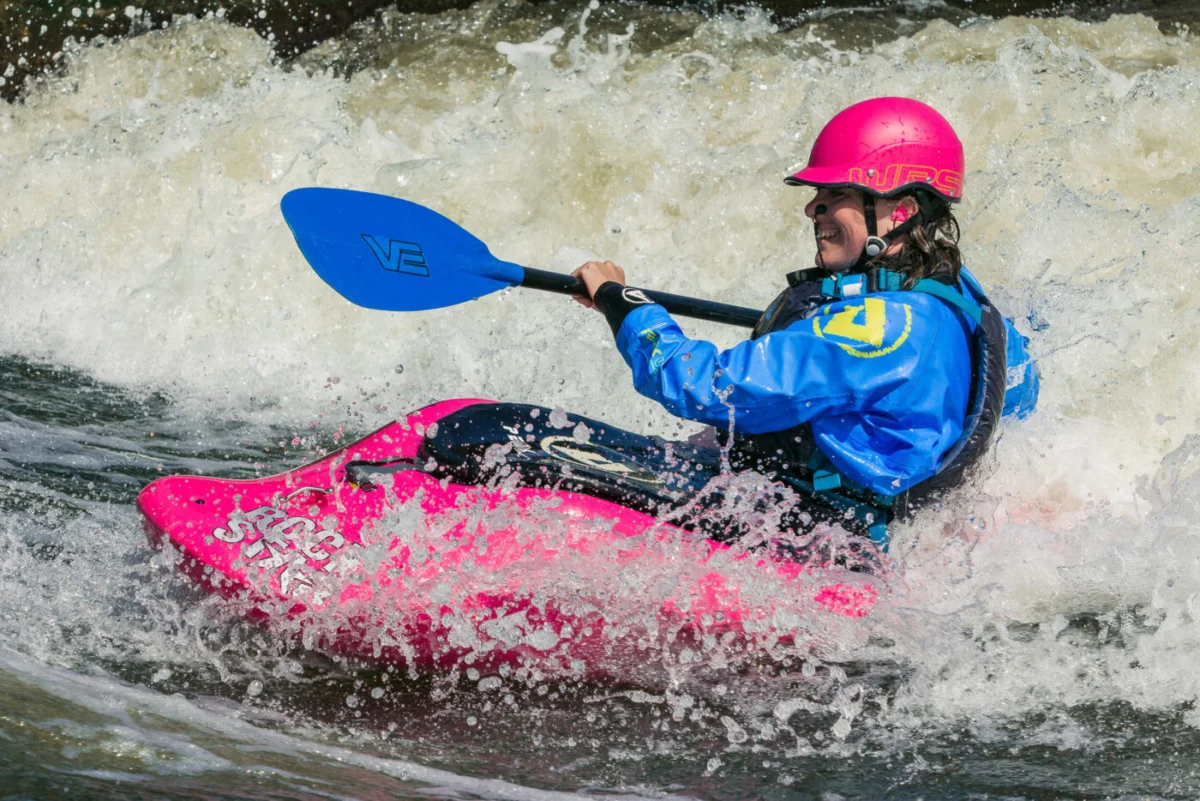
Conversely, the kayak is designed for efficiency and speed, functioning more like a sleek sports car. Kayakers sit closer to the waterline in a low-profile cockpit (or on a sit-on-top molded seat), utilizing a double-bladed paddle. This configuration allows for constant power application, as the paddler alternates sides with every stroke, providing superior tracking and efficiency in windy conditions.
Comparative Performance Metrics
| Factor | Canoe | Kayak | Real-World Consequence |
|---|---|---|---|
| Paddle Type | Single-blade | Double-blade | Kayaks feel more intuitive for solo beginners. |
| Seating | Bench/Kneeling | Low/Legs forward | Kayaks offer a lower center of gravity. |
| Deck | Open | Closed/Sit-on-top | Canoes load gear easily; kayaks shed wind. |
| Wind Handling | Poor (high profile) | Excellent | Kayaks are safer in breezy, open waters. |
| Entry/Exit | User-friendly | Requires balance | Canoes are more accessible for all ages. |
Historical Evolution and Modern Trends
The evolution of these vessels is as old as civilization itself. Historically, the canoe—often associated with North American indigenous design—was the primary mode of long-distance transport for trade and exploration. It was built for capacity, durability, and the ability to traverse shallow, winding rivers.
The kayak, originating from Arctic cultures, was a precision tool built for hunting. Its closed-cockpit design was a necessity for survival in freezing, rough, and icy waters. Today, while these historical roots remain, the "blurring of the lines" has become common. Modern rotomolded plastics and carbon-fiber composites have allowed manufacturers to create hybrids. Sit-on-top kayaks, for instance, offer the openness of a canoe with the low-profile stability of a traditional kayak, catering to the massive surge of casual beachgoers and recreational anglers.
Supporting Data: Why the Choice Matters
The decision between a canoe and a kayak often rests on the "intended utility" of the trip. Data suggests that trip duration and load requirements are the primary drivers of consumer satisfaction.
- Capacity and Cargo: If the objective is family outings, multi-day camping, or fishing, the canoe remains the gold standard. Its open layout permits the storage of coolers, camping gear, and even pets without the need for sophisticated packing systems.
- Solo Performance: For the solo adventurer, the kayak is objectively superior. Its ability to track straight in currents and handle wind gusts makes it the preferred tool for fitness, touring, and coastal exploration.
Safety Implications and Official Guidance
The rise in popularity has brought a concomitant rise in the need for safety education. According to U.S. Coast Guard statistics for 2024, a significant percentage of boating-related fatalities involved non-motorized vessels, with the majority of victims not wearing life jackets.
The Life Jacket Imperative
The National Park Service and the U.S. Coast Guard emphasize that a life jacket stored under a seat is effectively useless during a sudden capsizing. Cold-water shock—even in seemingly mild temperatures—can render an experienced swimmer unable to reach for a floating PFD.
Official Safety Recommendations for 2026:
- Dress for the Water, Not the Air: Even in mid-spring, water temperatures can lead to rapid hypothermia.
- Regulatory Awareness: While non-motorized boats generally do not require registration, state-level laws regarding PFD requirements for children and night-time navigation lights are strictly enforced.
- The "Three-Minute Rule": If you cannot re-enter your vessel within three minutes of capsizing, you are in danger of exhaustion. Practice re-entry drills in a controlled environment.
The Practicalities of Ownership: Storage and Transport
Perhaps the most overlooked factor in the "Canoe vs. Kayak" debate is the "un-fun" reality of logistics. A 16-foot canoe, while majestic on the water, requires significant storage space and a robust roof-rack system for transport. Many owners find that their usage rates drop in direct proportion to the difficulty of transporting the vessel.
For apartment dwellers or those with limited garage space, the market has responded with modular and inflatable options. Folding kayaks and inflatable canoes have become the preferred choice for urban adventurers, though they require a trade-off in hull stiffness and long-term durability compared to their rigid counterparts.
Five Questions to Ask Before You Buy:
- Transport: Can I lift this boat onto my vehicle alone?
- Storage: Do I have a climate-controlled or protected space for this vessel?
- Crew: Am I usually paddling with a partner, children, or a dog?
- Terrain: Am I sticking to small ponds or moving toward open lakes and coastal waters?
- Frequency: Will I use this weekly, or is it for an annual vacation?
Expert Insight: Rent Before You Invest
Oliver Adler, a veteran enthusiast and industry observer, notes that the best boat is not the one with the highest technical rating, but the one that actually makes it to the water. "People often buy a boat for the life they imagine they will have—full of epic, multi-day river expeditions—only to find that a lighter, easier-to-manage boat would have served them better for their actual Sunday morning routine."
The industry consensus is clear: rent a variety of boats through local outfitters. Spend an hour in a tandem canoe, then an hour in a sit-on-top kayak. Observe how the boat feels during entry and exit, how it handles in a light breeze, and how much effort is required to keep it on course.
The Bottom Line
There is no "perfect" boat, only the right tool for your specific set of circumstances. If your priority is social, multi-passenger outings with significant gear capacity, the canoe is an unmatched classic. If you prioritize individual fitness, speed, and the ability to navigate challenging weather conditions, the kayak is the superior choice.
As of 2026, the barriers to entry for both sports have never been lower, but the responsibility for safety and informed decision-making remains with the user. Whether you choose the grace of the canoe or the efficiency of the kayak, the most critical step is ensuring your vessel matches your lifestyle. When you select a boat that is easy to transport, store, and operate, you remove the friction that keeps many from enjoying the water. Ultimately, the best boat is the one that you find yourself launching on a Saturday morning, time and time again.