In the world of professional river guiding, the ability to mitigate risk is just as vital as the ability to navigate a rapid. Recognizing the global necessity for standardized, high-level safety protocols, the Whitewater Rescue Institute (WRI) embarked on a landmark journey in November 2024. Instructors Ben Schmidt and Sam Johnston traveled to Northwestern India to conduct an intensive swiftwater rescue training program for the veteran guides of Aquaterra Adventures. This collaboration, set against the backdrop of some of the world’s most formidable rivers, serves as a testament to the universal language of river safety and the enduring spirit of the international outdoor community.
Main Facts: A Bridge Across Continents
The initiative was built upon a partnership between WRI—a premier organization in swiftwater rescue training—and Aquaterra Adventures, a titan of India’s outdoor industry. Over a ten-day intensive, Schmidt and Johnston embedded themselves within the Aquaterra team, headquartered near the banks of the sacred Ganga River.
The primary objective was twofold: to facilitate the exchange of technical rescue knowledge and to foster a collaborative culture of safety that transcends borders. The curriculum covered essential modules including aggressive and defensive swimming, technical rope work, throwbag deployment, and, most importantly, the implementation of universal risk management frameworks. By the project’s conclusion, the guides were equipped to serve as regional instructors, effectively decentralizing high-level safety training for future generations of Indian river professionals.
Chronology: From the Bustling Streets to the Untamed Brahmaputra
The Arrival and the Ganga Training
The journey began with a flight from Missoula, Montana, to Dehradun, India. The transition from the relative quiet of the American West to the sensory overload of Dehradun was immediate. Upon arrival, Schmidt and Johnston were greeted by a landscape defined by vibrant markets, the constant rhythm of traffic, and a unique, bustling urban ecology.

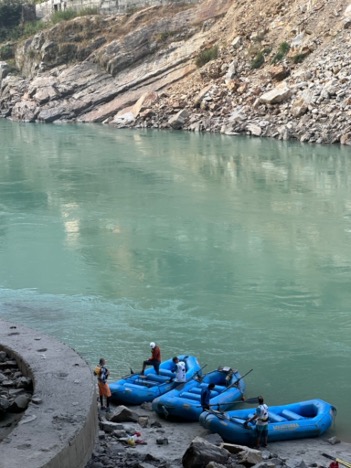
The team traveled north to Rishikesh, the gateway to the Atali Ganga basecamp. Nestled in a valley of turquoise water and dense forest, the camp served as the laboratory for the training. During this phase, the instructors observed a remarkable skill set among the local guides. Many of the participants had grown up on the tributaries of the Ganga; their intuition for water movement was not just learned—it was ancestral. The training sessions were characterized by mutual respect, as the WRI instructors shared modern technical frameworks, while the local guides provided invaluable insights into the unique behavior of Himalayan rivers.
Transition to the Brahmaputra
Following the successful completion of the Ganga program, the instructors moved toward their next objective: the Brahmaputra River. The logistics for this leg were managed by Aquaterra Adventures owner Vaibhav Kala. His expertise proved vital in navigating the complex travel requirements of Northern India, ensuring the team reached the remote put-in points of Arunachal Pradesh.

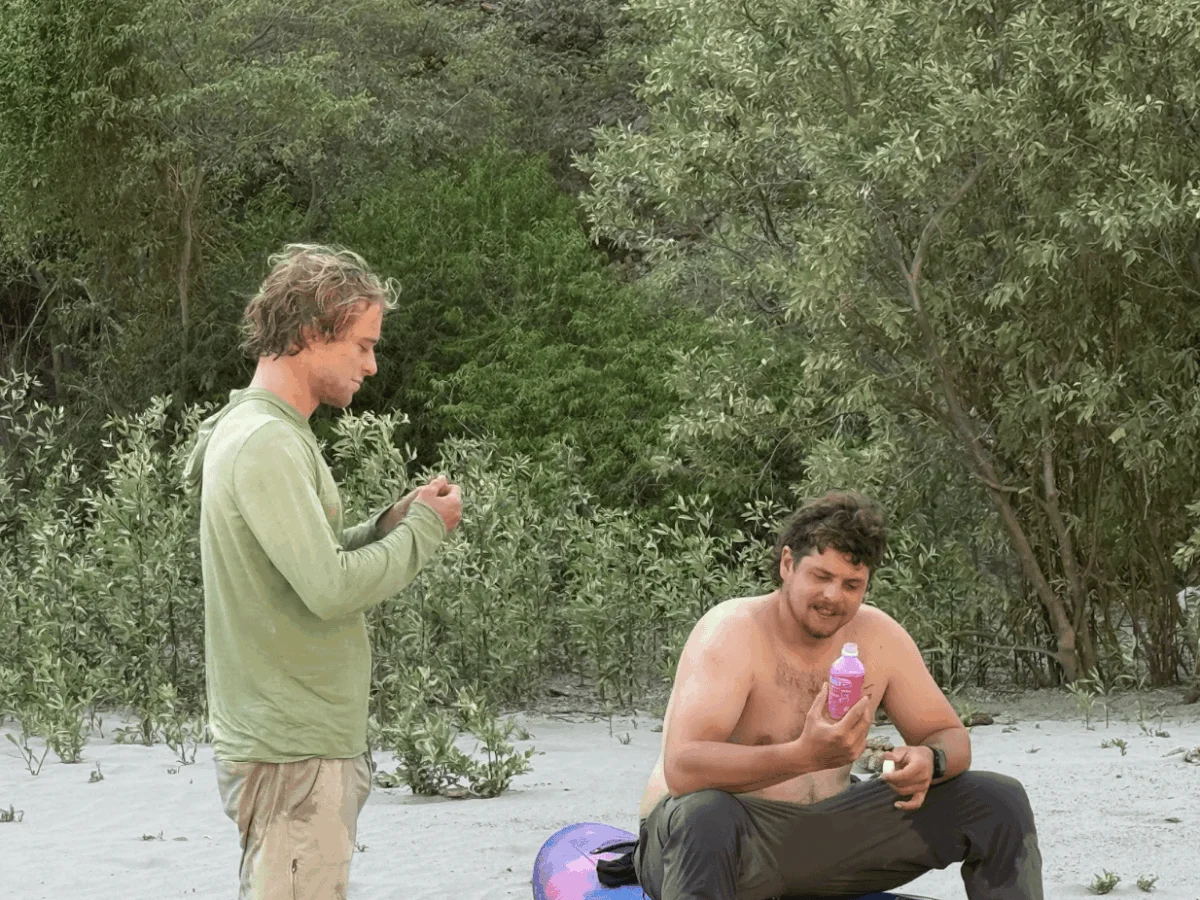
The transition from the Ganga to the Brahmaputra was a shift from technical refinement to raw, high-stakes endurance. The Brahmaputra, a river of massive volume and power, demanded total focus. The expedition, which involved navigating rapids with 30-foot wave faces and lateral currents of immense speed, pushed the team to their physical limits. The days were spent on the water, while the nights were spent in tented camps on expansive, remote beaches, fostering a camaraderie that only the shared risk of a remote river expedition can produce.
Supporting Data: The Mechanics of Safety
The training program emphasized a data-driven approach to river safety. The WRI curriculum, which emphasizes the "Universal River Risk Management" principles, focuses on three pillars:

- Preparation and Planning: Establishing clear emergency protocols before even approaching the put-in.
- Environmental Awareness: Understanding the specific hydraulics and hydrological characteristics of high-volume, glacial-fed rivers.
- Active Intervention: Mastering technical rescues, including inflow management and rope-based mechanical advantage systems.
During the Brahmaputra descent, instructors used technology to contextualize the environment. The team recorded water speeds reaching 20 miles per hour and identified features that required precise, coordinated paddling efforts. These metrics reinforced the necessity of the training: in environments where water force is measured in tons per square inch, the margin for error is non-existent.
Official Responses and Reflections
Reflecting on the experience, Sam Johnston noted that the true success of the program lay not in the physical techniques taught, but in the shift in perspective. "We went to teach, but we stayed to learn," Johnston shared. "The resilience of the rivers and the vibrant spirit of the people we met changed our approach to guiding. We realized that, regardless of the continent, the core of river-running is about conquering internal barriers—fear, doubt, and the need for control."

Aquaterra Adventures, under the leadership of Vaibhav Kala, underscored the importance of such international exchanges. By integrating WRI’s global standards with local expertise, the company has reinforced its position as a steward of safety in the Indian wilderness. The guides who participated in the training have since reported an increased confidence in their decision-making processes, particularly in high-consequence environments.
Implications: The Future of Global River Safety
The implications of the WRI-Aquaterra collaboration are profound. By training the trainers, the WRI has created a ripple effect. The instructors who participated in the program are now capable of disseminating this safety curriculum to other regional outfits across India. This decentralization of knowledge is a crucial step in professionalizing the outdoor industry in developing adventure markets.

Furthermore, the expedition highlights the growing importance of "stewardship travel." As more enthusiasts flock to remote regions of the world to experience legendary whitewater, the pressure on local ecosystems and the need for standardized safety protocols will only increase. The WRI model provides a blueprint for how international organizations can partner with local experts to foster sustainable, safe, and respectful outdoor tourism.
Conclusion: A Story in Every Bend
As the expedition concluded, the realization remained clear: river running is a narrative-driven pursuit. Every rapid represents a chapter, and every rescue technique is a tool to ensure that the story continues. The Whitewater Rescue Institute’s time in India was a milestone in the global effort to standardize safety. By weaving together the technical expertise of the West and the deep-rooted, instinctive knowledge of the local Indian guides, the team did more than just navigate the Ganga and the Brahmaputra—they built a bridge of trust, safety, and shared passion that will undoubtedly influence the future of whitewater guiding for years to come.

The journey, while physically taxing, served as a profound reminder that we are all, in the end, stewards of the wild. As Ben Schmidt and Sam Johnston returned home, they carried with them not just the memories of 30-foot wave faces and campfire stories, but a renewed commitment to the idea that the safest way to enjoy the river is to treat it with the respect and preparation it demands. In the heart of the world, amongst the peaks of the Himalayas, the currents are constantly changing—but thanks to this partnership, the professionals navigating them are better prepared than ever before.