Executive Summary: A Catalyst for Change
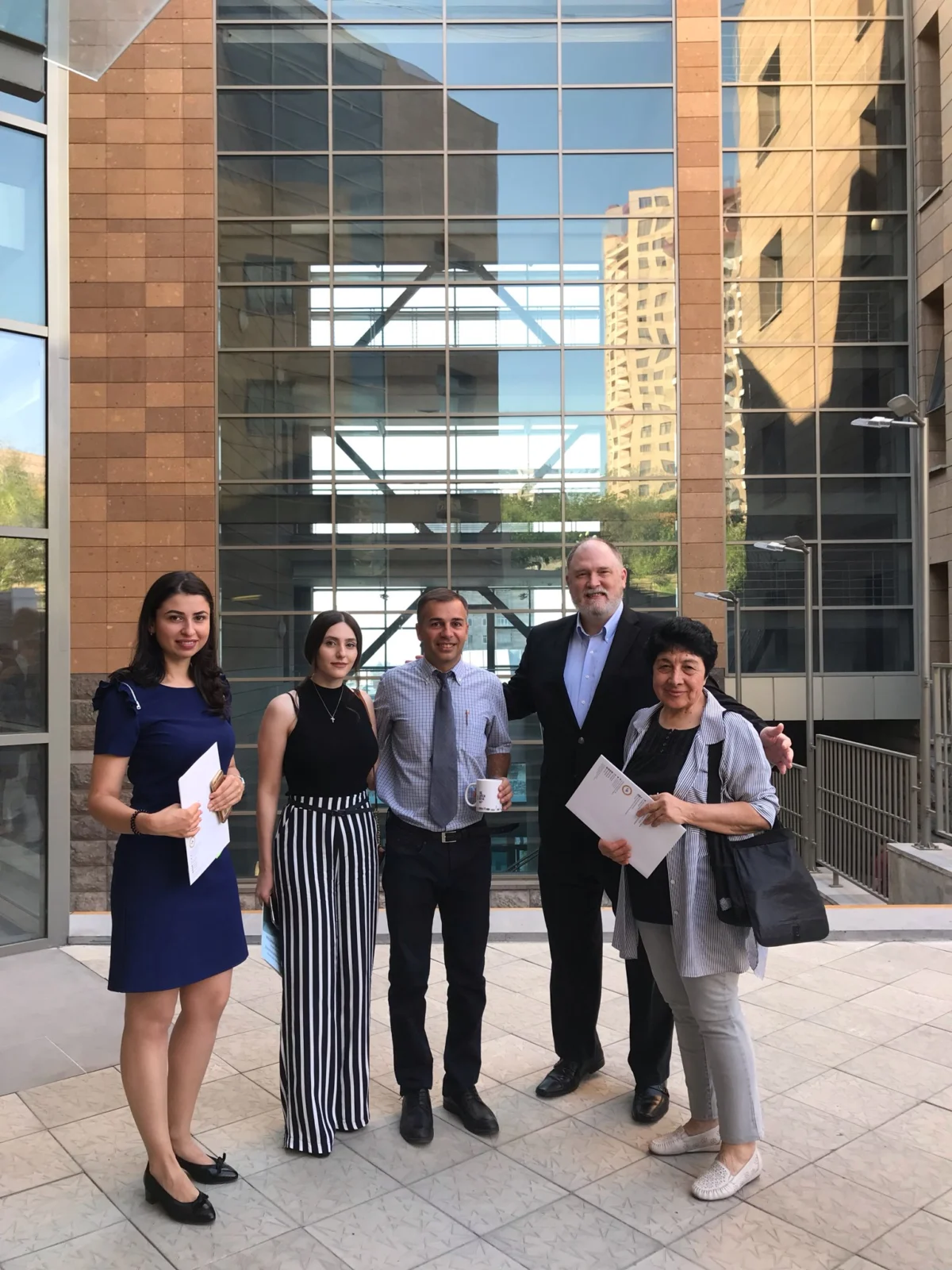
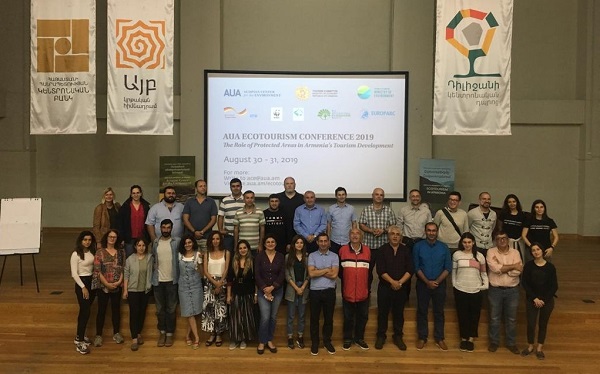
On August 30-31, the American University of Armenia (AUA) Acopian Center for the Environment hosted the fourth annual AUA Ecotourism Conference, a landmark gathering that sought to reshape the trajectory of Armenia’s tourism sector. By bridging the gap between environmental conservation and economic development, the conference served as a high-level forum for policy makers, tour operators, and global environmental experts to define the future of protected areas (PAs) in the South Caucasus.
The event was organized in a robust partnership with the Tourism Committee of the Ministry of Economy of the Republic of Armenia (RA), the RA Ministry of Environment, WWF Armenia, and the Transboundary Joint Secretariat—a project funded by the German KfW development bank—alongside The International Ecotourism Society (TIES). The conference underscored a singular, vital message: protected areas are not mere budgetary drains; they are economic engines capable of driving national prosperity while safeguarding Armenia’s unique biodiversity.
The Economic Case for Nature: Moving Beyond Entrance Fees
A recurring theme throughout the two-day event was the fundamental misunderstanding of the economic value provided by protected areas. Dr. Thiago Souza, representing the IUCN Commission on Protected Areas’ Tourism Specialists Group, challenged the prevailing "accounting mentality" adopted by many governments.
The Myth of Low Returns
"Politically, the value of investing in protected areas is often lost because we typically don’t make an adequate economic analysis," Dr. Souza noted. He explained that many officials rely solely on a balance sheet approach: comparing the annual budget of a park against the revenue collected from entrance fees. In this narrow view, parks appear to be loss-making entities. For instance, in Brazil, park budgets can reach nine times the amount of fees collected, a statistic that often leads to budget cuts and disinvestment.
The Multiplier Effect
Dr. Souza presented a compelling, data-driven argument for shifting to an "economic analysis" model. By accounting for visitor spending, tax revenue, and the multiplier effect—where money spent by tourists circulates through local service sectors—the true value of a protected area becomes apparent.
In Brazil, research indicates that for every dollar invested in a protected area, the national economy gains $15. Similar trends are visible in Europe, where every euro spent on infrastructure and park management generates between 7 and 10 euros in GDP activity. These figures align with global data, such as a 2015 study by Balmford et al., which estimated that the 8 billion annual visits to protected areas worldwide generate approximately $600 billion in direct in-country expenditures.
Global Trends: The Rise of Conscious Travel
Jon Bruno, Executive Director of The International Ecotourism Society, provided a broader perspective on the industry’s rapid evolution. According to Bruno, ecotourism is no longer a niche market; it is one of the most fundamental shifts in the global economy over the last three decades.
A Rapidly Maturing Sector
"Over 90 nations now have an ecotourism or sustainable tourism initiative at a national or regional level," Bruno noted. "There is no other form of tourism or industry that has become so fundamental to the global economy so quickly."
The driving force behind this growth is a demographic shift in traveler sentiment. Data presented at the conference suggests that younger generations—specifically those under 30—are significantly more likely to prioritize sustainability. Approximately 70% of this demographic expresses a clear willingness to pay a premium for travel experiences that minimize environmental impact and support local communities. For Armenia, which possesses vast, largely untapped natural assets, this represents a significant opportunity to capture a high-value, environmentally conscious market segment.
Establishing Standards: The EUROPARC Framework
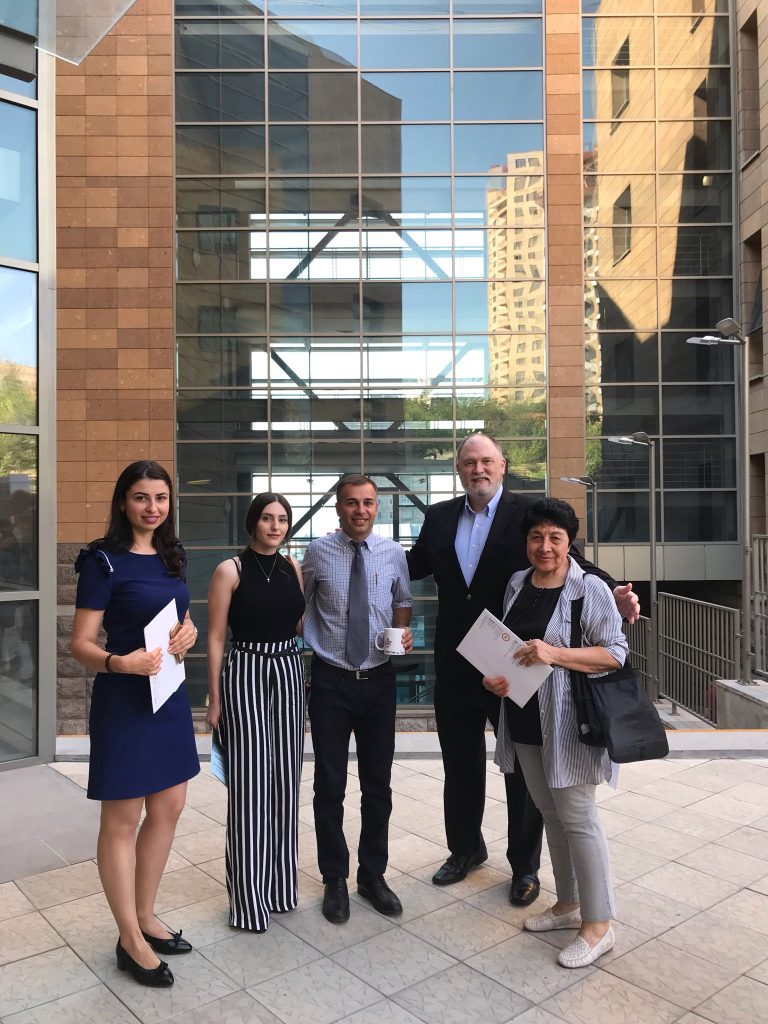
As Armenia seeks to professionalize its ecotourism offerings, the need for international standards and networking has become paramount. Carol Richie and Paulo Castro of the EUROPARC Federation—a network representing Europe’s natural and cultural heritage with over 380 members in 37 countries—provided a roadmap for institutional development.
Protecting Against Over-Tourism
Ms. Richie cautioned that rapid, unplanned growth could be detrimental. "Poorly managed tourism allows societal tensions to persist, weakens local communities’ connection to their heritage, and causes irreparable damage to nature," she warned.
To mitigate these risks, EUROPARC promotes the European Charter for Sustainable Tourism in Protected Areas. This certification process is not merely a label; it is a rigorous framework that requires protected areas to create a permanent forum for stakeholders, including local businesses, residents, and government agencies.
A Commitment to Long-Term Vision
Mr. Castro emphasized that becoming a chartered area is a marathon, not a sprint. The process requires a deep, long-term commitment to a multi-stakeholder model. Successful applicants must demonstrate, among other things, the ability to develop tourism products that are specifically derived from and supportive of local resources, ensuring that the benefits of tourism are distributed equitably among the local population.
Conference Chronology and Field Observations
The conference was structured to balance theoretical discourse with practical field exposure.
- Opening Plenary (August 30): The event commenced with keynote addresses focusing on global best practices in park management and the economic imperative of conservation.
- Technical Panels (August 30-31): Six intensive panel discussions explored the gaps in Armenia’s current tourism infrastructure. These sessions facilitated direct dialogue between government officials and NGO leaders, identifying key bottlenecks such as fragmented data collection and a lack of standardized signage and visitor services.
- Site Visits (August 31): Participants toured the Dilijan Tourism Information Center, the Dilijan National Park Tourism Visitor Center, and the Caucasian Red Deer Reintroduction Center. These visits provided a first-hand look at the potential for nature-based tourism in the Tavush Province, illustrating both the high quality of existing infrastructure and the areas requiring further investment.
Implications for Armenia’s Future
The conclusion of the conference marked a turning point for the Armenian Ministry of Environment. Recognizing the event’s success, officials confirmed that strategic planning is already underway to incorporate these insights into a national growth strategy.
Policy Recommendations
The consensus among experts and participants highlighted three critical pillars for Armenia’s path forward:
- Data Integration: Moving toward an economic analysis model to justify higher budget allocations for protected areas.
- Infrastructure & Certification: Pursuing international standards, such as those set by the EUROPARC Federation, to boost Armenia’s reputation as a premium ecotourism destination.
- Community Engagement: Shifting the narrative from "policing" parks to "partnering" with local communities, ensuring that residents are the primary beneficiaries of the tourism revenue generated in their regions.
Conclusion: A Sustainable Legacy
The fourth annual AUA Ecotourism Conference successfully reframed the discourse around environmental protection in Armenia. By viewing nature not as a barrier to development, but as the foundation for it, Armenia is positioning itself to become a leader in sustainable tourism in the region. As the global travel market continues to tilt toward eco-conscious experiences, the investments made today in protected areas will likely yield significant, long-term dividends—not just for the Armenian economy, but for the preservation of its irreplaceable natural heritage for generations to come.
For organizations interested in collaborating on future conferences, seminars, or workshops on sustainable tourism, The International Ecotourism Society (TIES) remains a key resource. Inquiries may be directed to their administrative offices for further partnership opportunities.