On August 12, 2026, the skies over the Northern Hemisphere will play host to one of nature’s most awe-inspiring phenomena. A total solar eclipse—the first to traverse continental Europe since the landmark event of August 1999—will carve a path of totality across Greenland, Iceland, and Spain. As the Moon positions itself precisely between the Earth and the Sun, millions of observers will witness the daylight surrender to a surreal, brief twilight.
This astronomical event is not merely a visual spectacle; it is a complex intersection of orbital mechanics, meteor showers, and global tourism. With the path of totality stretching from the Arctic Ocean to the Mediterranean, the 2026 eclipse promises to be a defining moment for science enthusiasts and casual observers alike.

The Mechanics of the 2026 Eclipse: A Rare Alignment
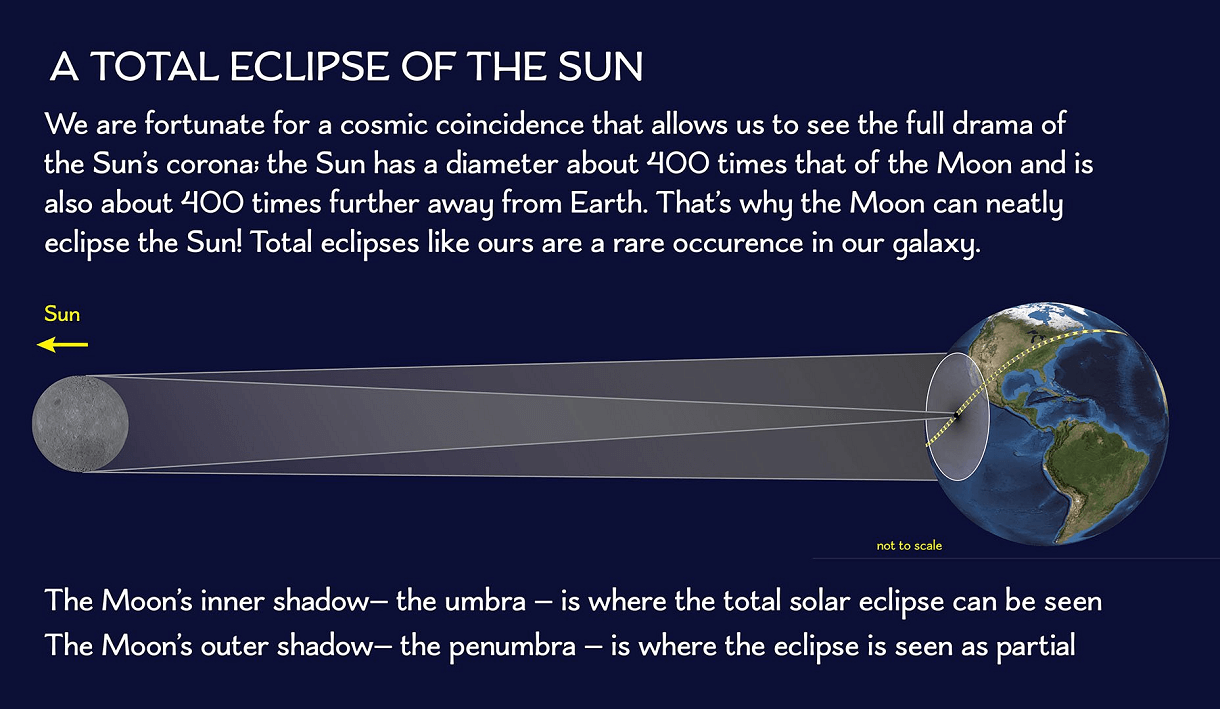
A total solar eclipse occurs when the Moon’s apparent diameter is larger than the Sun’s, blocking all direct sunlight and turning day into darkness. The 2026 event is particularly significant because the path of the Moon’s shadow, known as the "umbra," will track across a diverse range of landscapes, from the rugged glaciers of Greenland to the sun-drenched coasts of the Iberian Peninsula.
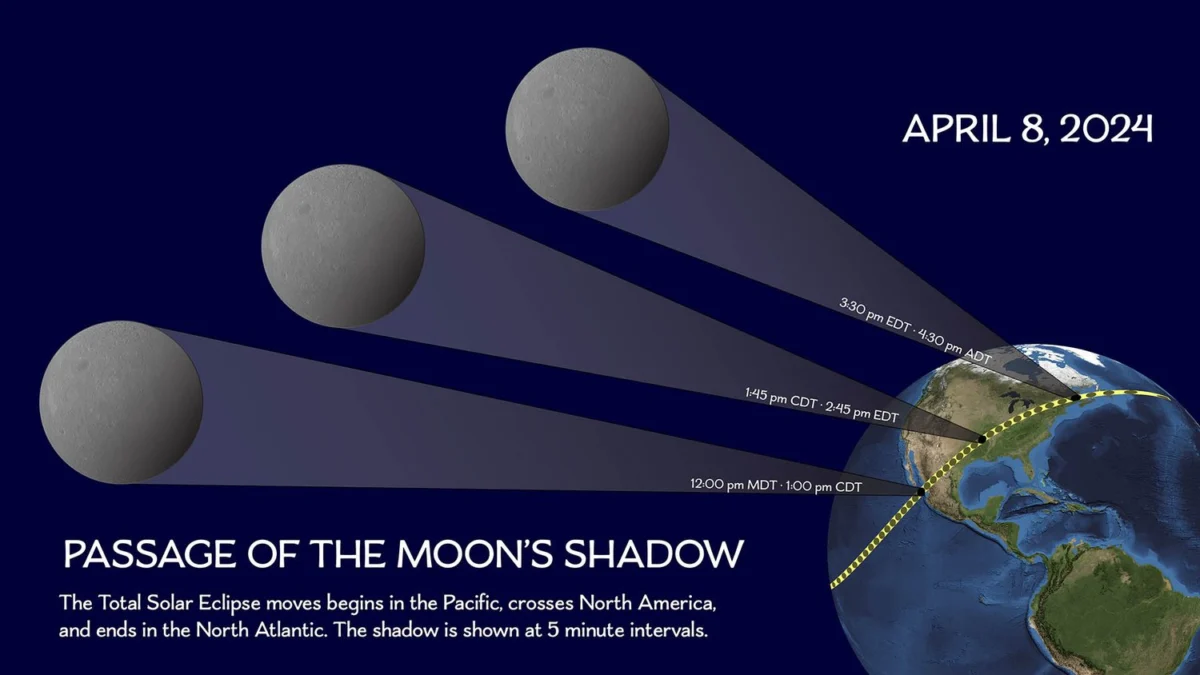
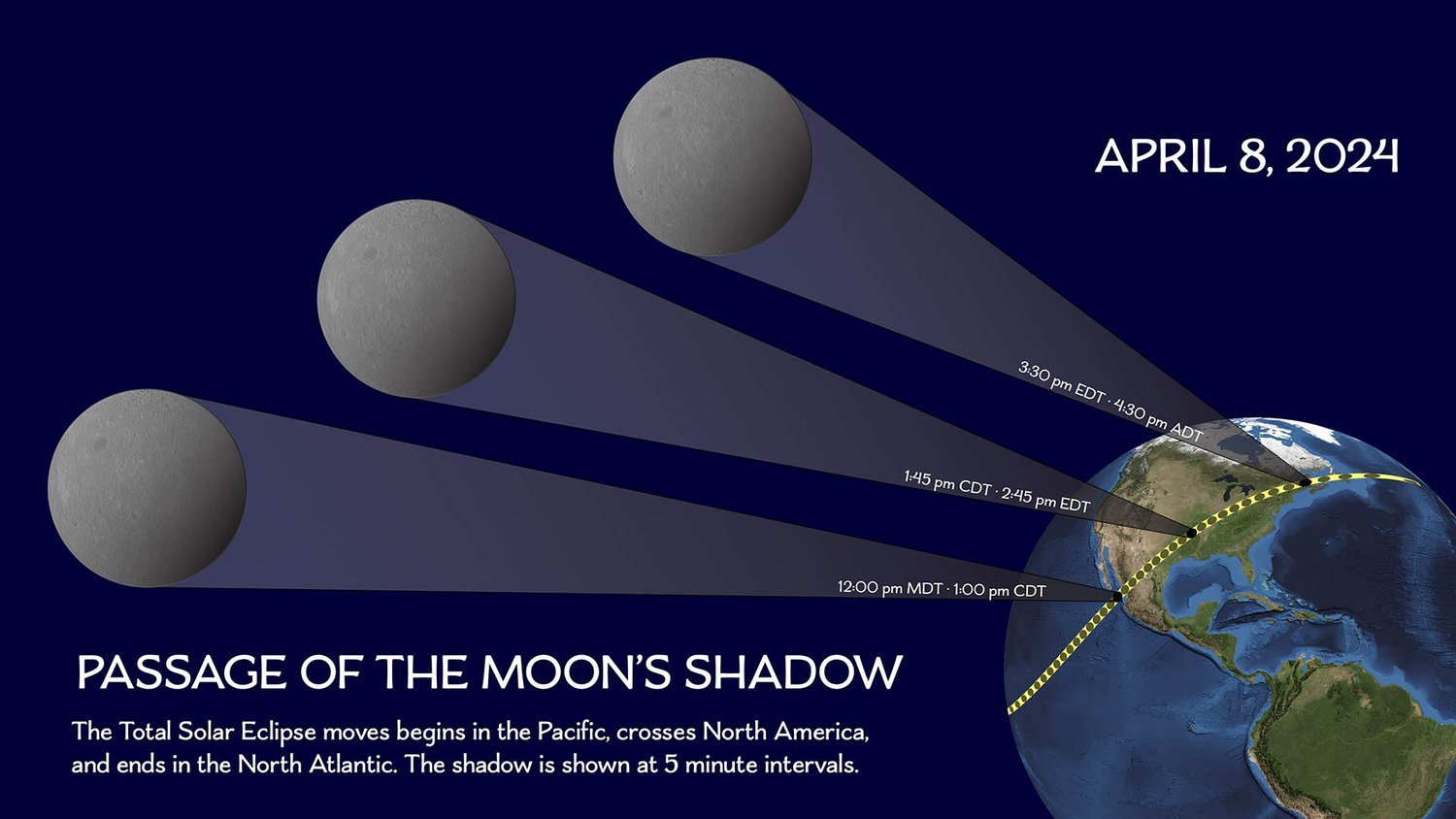
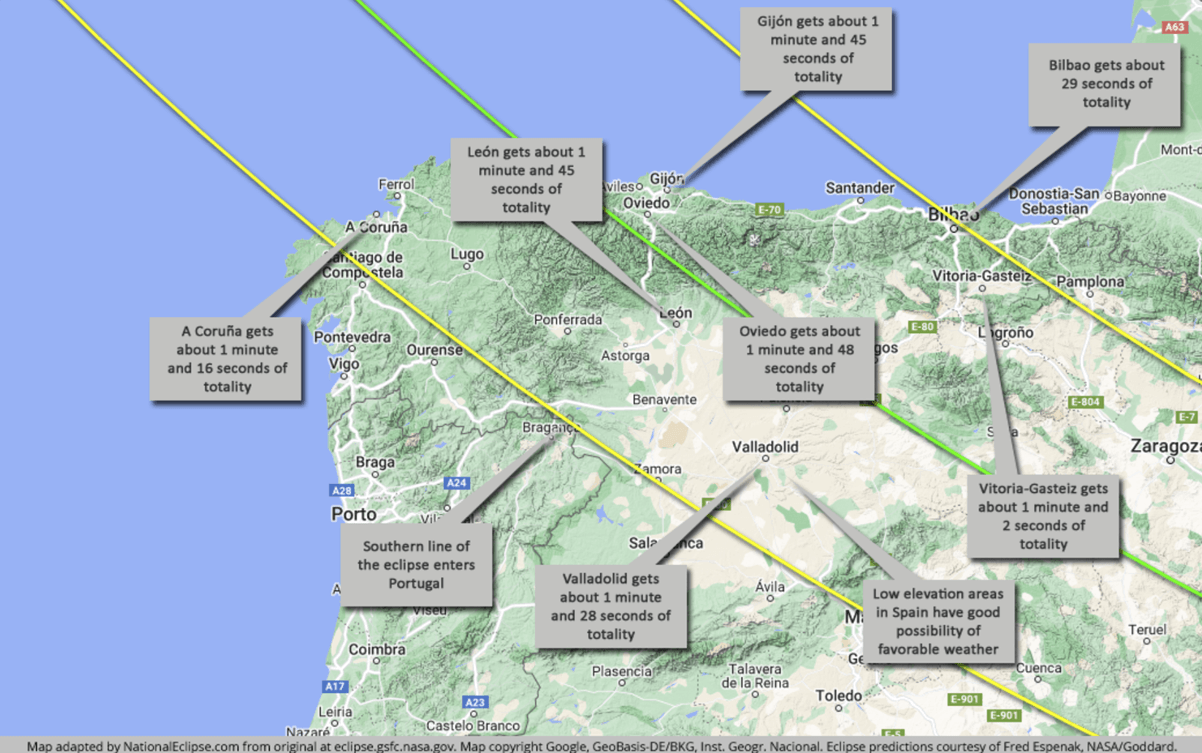
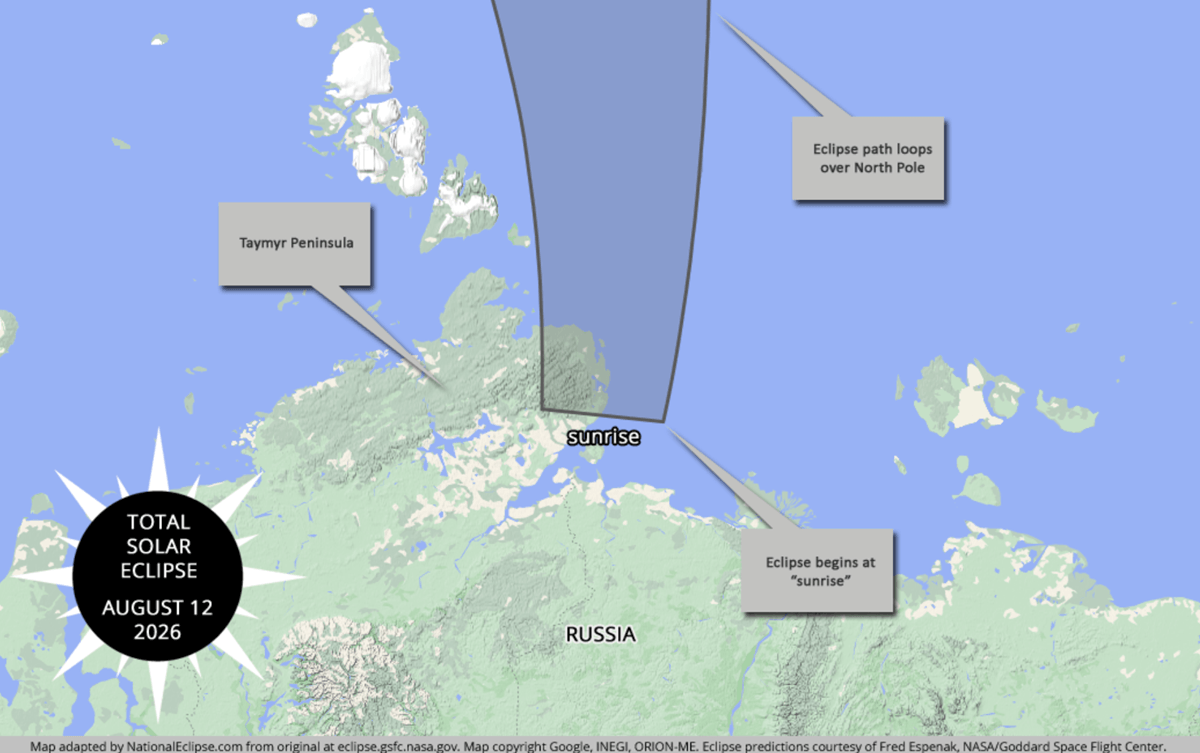
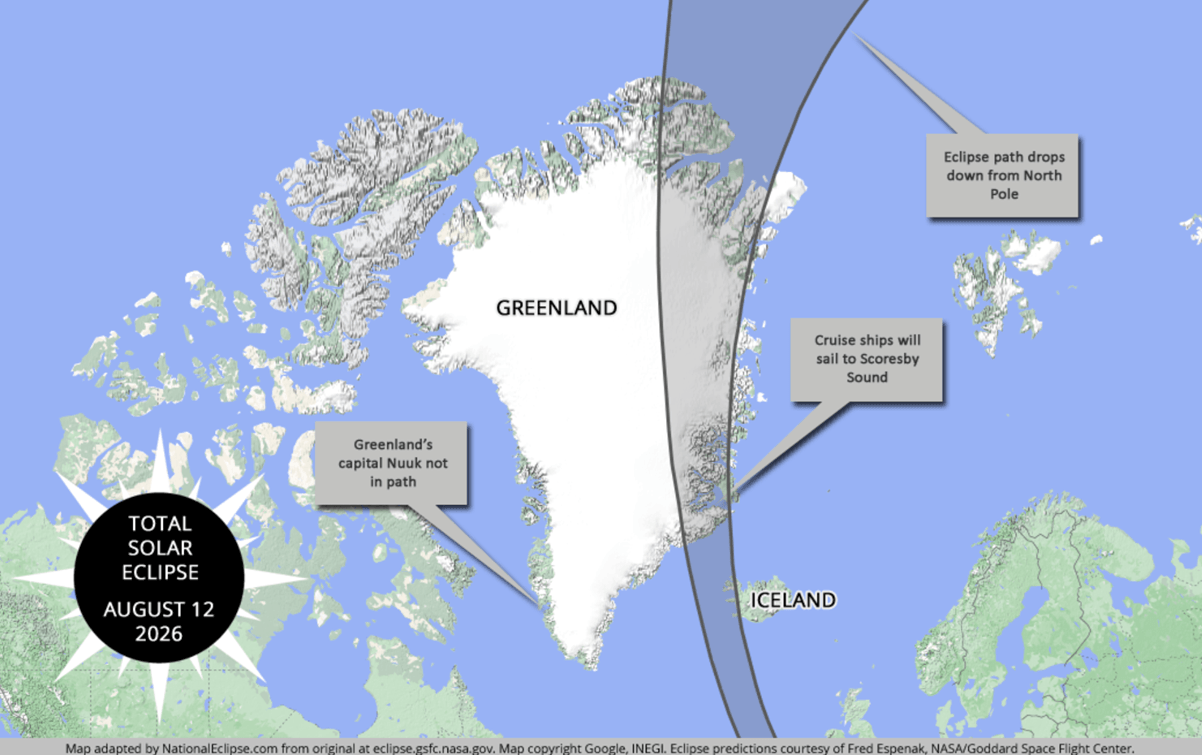
The celestial trajectory begins at sunrise in northern Siberia, moving south-southwest. It will cross the eastern edge of Greenland and skirt the western coastline of Iceland before accelerating across the Atlantic Ocean. Finally, it will make landfall in northern Spain, tracking across major urban centers including A Coruña, Zaragoza, and Palma de Mallorca, before concluding at sunset.
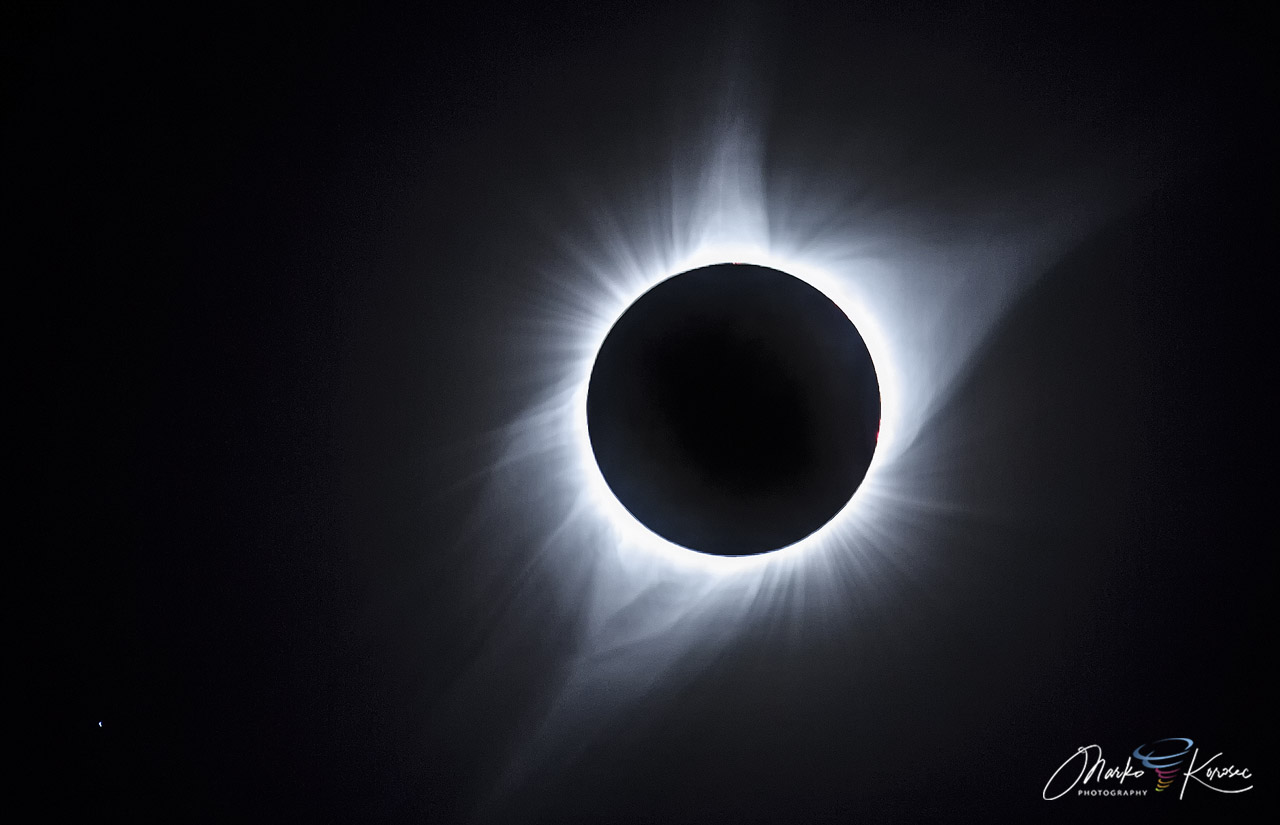
Observers within this narrow corridor—which is roughly 165 miles wide—will experience up to 2 minutes and 18 seconds of totality. During this period, the Sun’s outer atmosphere, or corona, will become visible to the naked eye, revealing a shimmering, ethereal halo that is typically obscured by the Sun’s brilliance.
Chronology of the Shadow: A Geographic Breakdown
The 2026 eclipse will be a staggered event, with different regions experiencing the phenomenon at varying times of the day.
Iceland: The North Atlantic Gateway
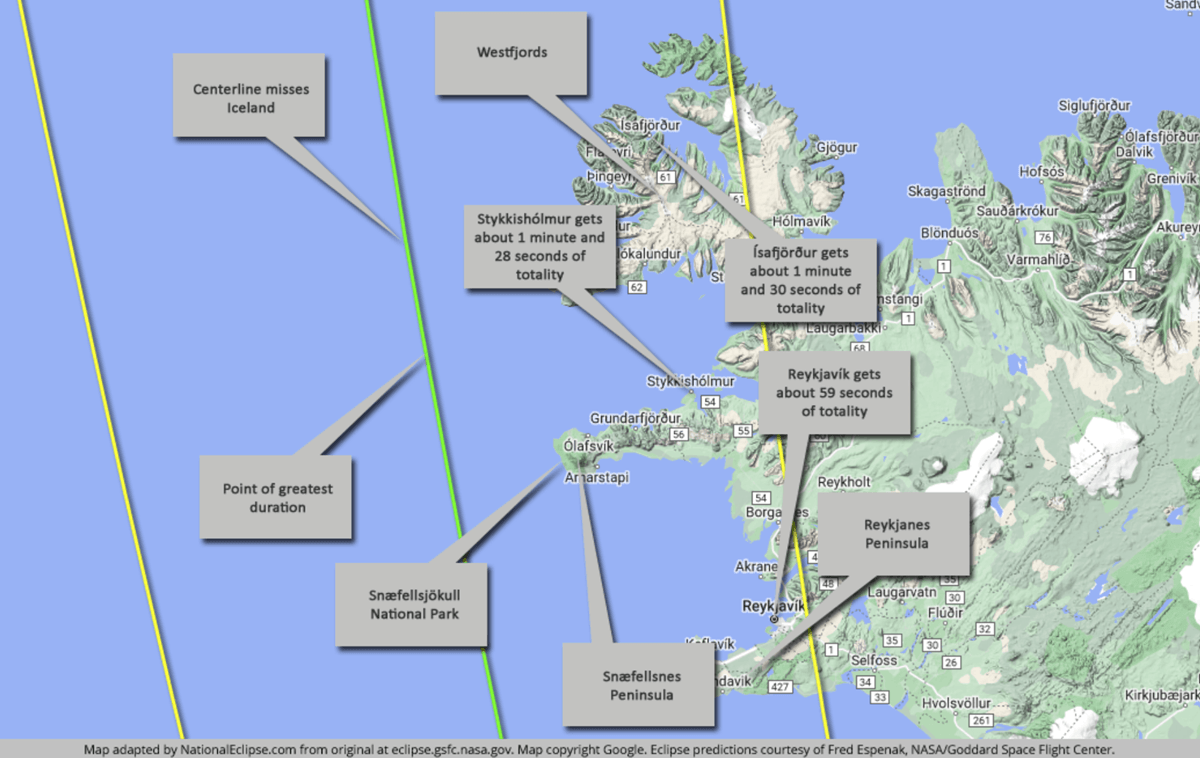
In Iceland, the partial eclipse begins at 16:43 local time. The shadow of totality will sweep into the Westfjords, where viewers will experience approximately 90 seconds of darkness starting at 17:44. In the capital, Reykjavik, the totality will arrive at 17:48, offering a shorter, 59-second window of complete coverage. The entire duration of the event in Iceland will span roughly two hours, though weather patterns in the North Atlantic may influence visibility.
Spain: The Mediterranean Grand Finale
As the shadow moves southeast, it will reach Spain with the sun hanging lower in the sky. The "first contact"—when the Moon begins its transit across the solar disc—is scheduled for 19:30 CEST. Totality will hit the Spanish mainland at 20:26. Because the event occurs near sunset, the eclipse will offer a unique photographic opportunity, with the eclipsed Sun framed against a darkening horizon. Duration in Spain will vary, lasting approximately 1 minute and 45 seconds in northern regions, before shortening slightly as the path reaches the Balearic Islands.
Greenland and the Arctic
In Greenland, the eclipse will reach totality in the northeast at 16:14 local time, with durations ranging from 2 minutes and 8 seconds to 2 minutes and 17 seconds in the south. While the terrain is largely inaccessible to the general public, the event has spurred significant interest in "eclipse tourism," with cruise lines scheduling voyages through the southeast glaciers to provide passengers with a front-row seat to the darkness.
The Perseid Synergy: A Celestial Double-Feature
Adding to the rarity of this event is its timing. The 2026 eclipse coincides with the peak of the Perseid meteor shower. While meteor showers are typically observed at night, the sudden darkness caused by the eclipse may allow for the observation of brighter Perseid "shooting stars" during the minutes of totality. This creates a dual astronomical experience, as the sudden twilight provides a brief, artificial night sky in the middle of a summer afternoon.
Scientific and Logistical Implications
The 2026 eclipse carries significant weight for both the scientific community and civil infrastructure. For scientists, the ability to observe the solar corona without expensive space-based equipment provides a rare window into solar physics. Researchers will be stationed across the path of totality to collect data on coronal heating and the impact of the sudden temperature drop on the local atmosphere.
From a logistical standpoint, the event presents a challenge for local governments in Spain and Iceland. Millions are expected to congregate in the path of totality, potentially straining public transportation, park facilities, and emergency services. In Spain, city officials in places like Zaragoza are already preparing for an influx of tourists, emphasizing that roads and parks will be crowded. Travelers are encouraged to plan their viewing spots months in advance and prioritize public transit where possible.
Weather Forecasts: The Variable of Visibility
While the eclipse is a mathematical certainty, the weather is the ultimate wildcard. In Spain, the forecast is optimistic. Summertime in the Iberian Peninsula is characterized by hot, dry air and a lack of cloud cover, offering a high probability of clear viewing conditions.
Iceland presents a more complex picture. Atlantic depressions are common in August, often bringing heavy cloud cover to the region. However, meteorologists point to the potential for "downslope winds"—a phenomenon where winds descending from mountains dissipate clouds—which could provide clear breaks in the Westfjords.
Essential Safety Protocols: Protecting Your Vision
The most critical aspect of the 2026 eclipse is safety. Looking directly at the Sun, even during an eclipse, can cause permanent retinal damage.
- Certified Solar Glasses: Only use ISO-certified eclipse glasses. Check them for scratches or punctures before use. If they are damaged, discard them immediately.
- Supervision: Children must be supervised at all times. Ensure their eclipse glasses fit correctly and that they understand not to remove them until the Sun is completely covered.
- Optical Equipment: Never view the eclipse through a telescope, binoculars, or a camera viewfinder without a professional-grade solar filter attached to the front of the lens. Standard sunglasses or improvised filters offer no protection.
- The "Totality" Exception: The only time it is safe to remove eye protection is during the brief window of total darkness (totality) when the Moon completely obscures the Sun. As soon as the first sliver of the Sun reappears, glasses must be replaced immediately.
Tips for Eclipse Photography
For those wishing to capture this moment, professional photographers recommend a "less is more" approach for beginners.
- Equipment: A standard DSLR or mirrorless camera with a zoom lens (200-600mm) is sufficient. A tripod is non-negotiable to prevent camera shake, especially as the ambient light drops.
- Settings: Use manual mode. Bracketing your shots—taking the same photo at different exposure settings—is highly recommended to ensure you capture the details of the corona and the surrounding landscape.
- Remote Release: Using a remote shutter release prevents physical contact with the camera, ensuring the image remains sharp throughout the exposure.
A Legacy of Celestial Movement
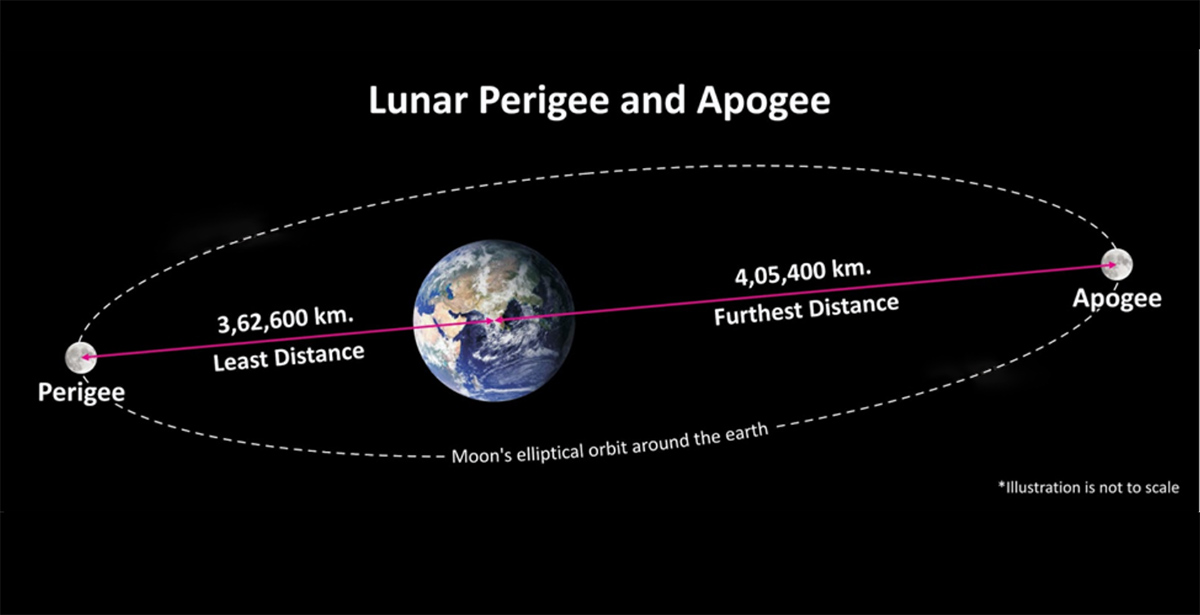
It is worth noting that the Earth is slowly changing. As the Moon gradually drifts further away from the Earth, the duration of total solar eclipses will eventually shorten. In about 600 million years, the Moon will appear too small to fully block the Sun, ending the era of total solar eclipses as we know them.
For the residents of Europe in 2026, however, the event serves as a reminder of our place in the cosmos. The 1999 eclipse left an indelible mark on a generation of Europeans; the 2026 event is expected to do the same. Whether you are viewing from a bustling plaza in Zaragoza or the quiet, icy shores of Greenland, the sight of the Sun’s corona emerging from behind the Moon is an experience that transcends geography, technology, and time.
As we look toward August 12, 2026, the message is clear: prepare early, prioritize safety, and be ready to witness a moment that reminds us how dynamic, rare, and beautiful our solar system truly is.