In the quiet pursuit of international sporting glory, Finland is shifting its strategic paradigm. Rather than relying on vast, thinly spread resources, the nation’s elite sports infrastructure—centered around the Olympiavalmennuskeskus (OVK) network—is undergoing a radical transformation. By concentrating expertise, fostering cross-disciplinary collaboration, and embracing a "world-to-us" approach, Finland is positioning itself to compete against global powerhouses by leveraging intellect, technology, and human connection.
The Strategy: Concentrating the "Sharpest Edge"
Historically, Finnish elite sports were characterized by a philosophy of broad distribution. Resources were spread across a wide spectrum of athletes and programs, which, while democratically inclusive, often resulted in a dilution of impact. The new strategic direction is starkly different: resources are now being funneled toward the "sharpest edge"—the athletes and disciplines with the highest potential for international podium finishes.
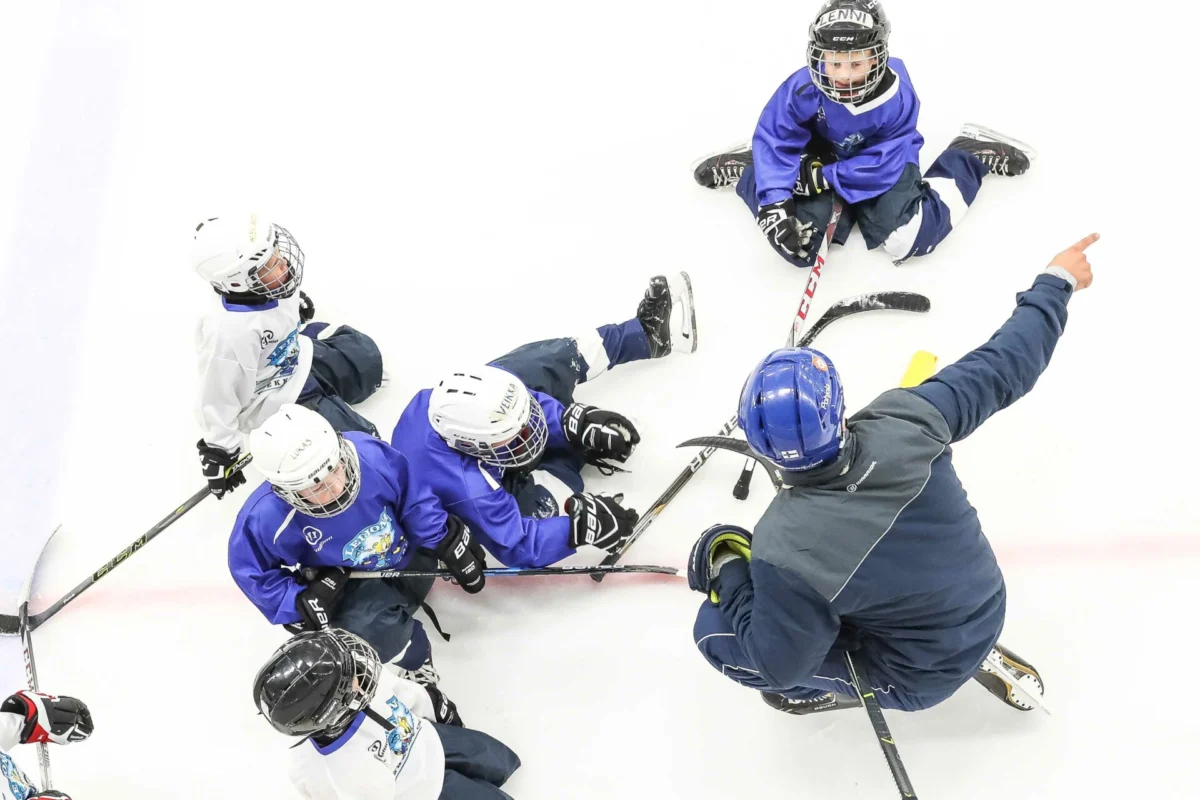
This shift does not represent an abandonment of grassroots development but rather a refinement of the pipeline. According to Janne Vuorinen, director of the Vuokatti-Ruka Olympic Training Center, the focus on elite performance acts as a lighthouse for the entire system. "While we focus more on the elite phase, it is vital that this expertise filters downward," Vuorinen explains. "When high-performance coaches and developmental athletes share the same training environment, the knowledge transfer is organic and continuous."
Chronology of a Shift: The Global-to-Local Model
The evolution of this strategy has been marked by several key developments over the past year, culminating in a new cooperative framework that extends through 2030.
- January 2026: The British national gymnastics team, among the world’s elite, conducted an eight-day training camp at Urhea in Helsinki. This event served as a pilot for the "world-to-us" philosophy, proving that international benchmarking can occur domestically through direct, high-level interaction.
- June 2026: Olympiavalmennuskeskus Helsinki formalized a new long-term operational agreement, reinforcing its role as the primary hub for multi-sport synergy and human-centric coaching development.
- August 2026: Olympiavalmennuskeskus Vuokatti-Ruka announced a new collaborative era, focusing specifically on winter sports integration, research, and technology, targeting the 2030 Winter Olympic cycle.
- Ongoing (2026–2030): The implementation of a unified TKI (Research, Development, and Innovation) agenda across all centers, designed to ensure that scientific findings are not just published, but integrated into daily training routines.
The Dual Hubs: Urhea and Vuokatti-Ruka
Finland’s two primary Olympic training centers operate under a shared mandate but utilize distinct methodologies to achieve excellence.
Urhea (Helsinki): The Power of Human Connection
Urhea serves as a melting pot of disciplines. The core philosophy here is the "collision" of expertise. By bringing coaches from gymnastics, athletics, and team sports into the same physical and social space, the center encourages the exchange of tacit knowledge.
Simo Tarvonen, CEO of the Helsinki Olympic Training Center, emphasizes that benchmarking is significantly more effective when it is personal. "When our coaches spent eight days with their British counterparts, they didn’t just observe; they engaged in professional dialogue. That connection builds a bridge that exists long after the guests have left," says Tarvonen.
Vuokatti-Ruka: The Science-to-Practice Pipeline
If Urhea is the social engine of Finnish sports, Vuokatti-Ruka is the technological laboratory. With its deep, historical ties to the University of Jyväskylä, this center focuses on the "From Science to Practice" model. Here, research is not a theoretical endeavor but a practical tool for daily performance.
A prime example of this is the advanced shooting range technology used by biathletes. Developed initially for elite-level performance, the system is now a staple for academy-level students. "The beauty of this system is that it serves the junior athletes as they learn the mechanics of the sport, using the same precision tools that our Olympic team relies on," notes Professor Olli Ohtonen.
Supporting Data and Collaborative Synergy
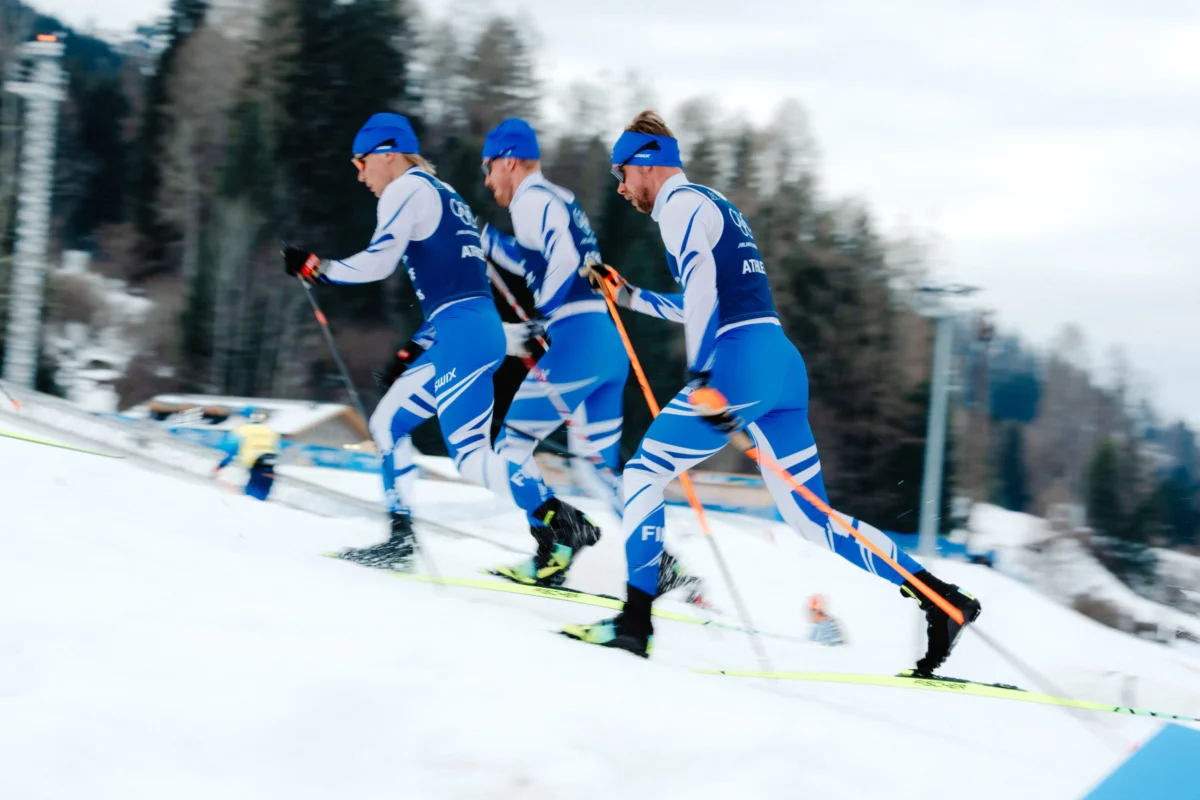
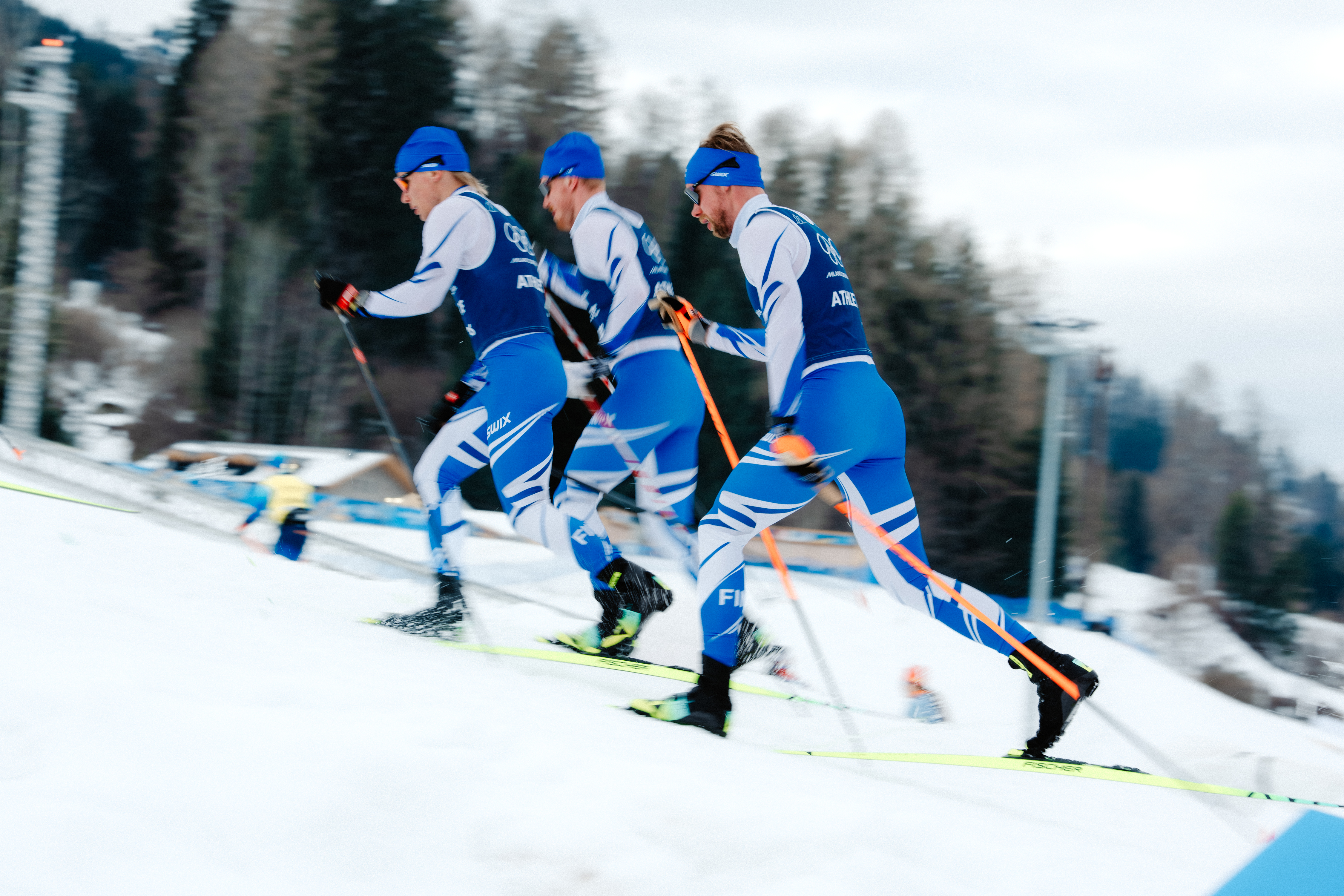
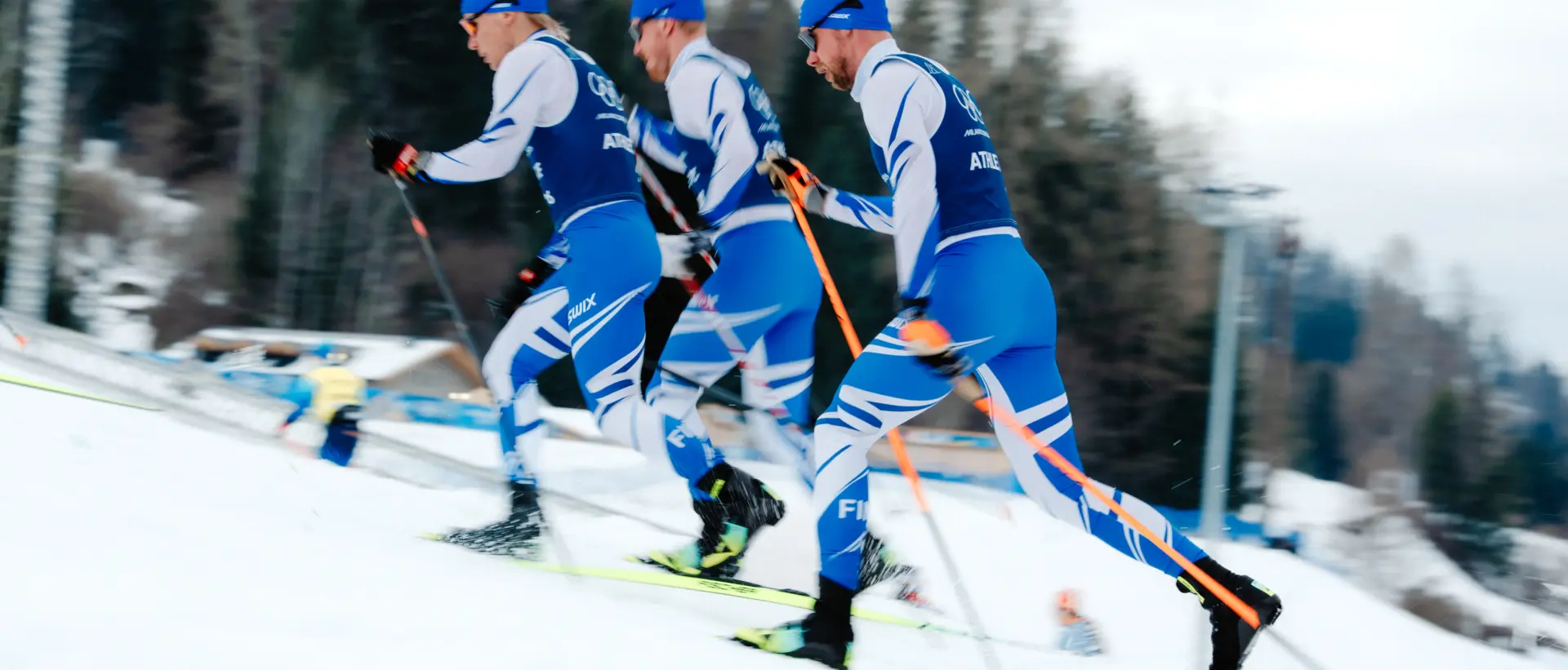
The success of the new strategy is rooted in the elimination of siloes. By grouping disciplines with similar physiological and technical requirements—such as cross-country skiing, biathlon, and Nordic combined—the centers have achieved significant economies of scale in technical support.
A recent development project in ski maintenance serves as a case study for this efficiency. By pooling expertise across these three disciplines, the centers were able to make breakthroughs in base grinding and wax technology that would have been cost-prohibitive for a single sport to pursue alone. This cross-sport cooperation is now viewed as one of Finland’s most potent competitive advantages on the world stage.
Official Responses: Cultivating an Elite Mindset
The leadership behind these centers maintains that success is not merely a product of funding, but of a pervasive culture of excellence.
Janne Hänninen, Director of the High-Performance Unit at the Finnish Olympic Committee, stresses the importance of "honest comparison." He argues that to compete at the world level, one must first understand exactly what that level looks like. "We must have the courage to ask: Where are we in relation to the world elite? Do our physical, technical, and tactical capabilities truly stack up?" Hänninen asks.
This requires a fundamental change in the "toppatakki" (the traditional "parka-wearing" coach) culture. It demands curiosity, intellectual humility, and a relentless drive for improvement. Tarvonen echoes this sentiment, noting that he challenges himself daily: "When I see an athlete pushing their physical limits for a shot at the World Championships, I have to ask myself: Am I working with that same intensity in my administrative role?"
Implications: The Future of Finnish Sport
The decision to standardize the collaboration between the Olympic Committee and the training centers until 2030 ensures a stable, long-term foundation for development. The implications for the Finnish sporting landscape are significant:
- Professionalization of Coaching: By creating an environment where coaches are forced to interact across disciplines, the profession becomes more attractive and dynamic, fostering a new generation of "super-coaches."
- Systemic Integration: The "dual career" path—which currently supports 20,000 young athletes—is now better linked to the elite centers. The OVKs are no longer isolated towers but are integrated into a wider academy network that pulls talent upward.
- National Ownership of Success: The strategy promotes the idea that success is a shared national asset. When a local club produces an athlete who eventually thrives at an OVK, the club and the academy are recognized as integral parts of that journey.
Conclusion
Finland’s approach to elite sports is a testament to the idea that ingenuity can overcome the constraints of population size and budget. By fostering an ecosystem where science meets practice and where the world’s best coaches are invited to "spar" with local talent, Finland is building a resilient, intelligent, and highly competitive sports machine.
The goal for 2030 is clear: to ensure that the Finnish flag is raised on the world’s most prestigious podiums, not by chance, but by design. The infrastructure is in place, the networks are connected, and the culture is shifting toward an uncompromising pursuit of excellence. As the nation looks toward the next Olympic cycles, the strategy is defined by one core principle: "We are all needed, and we are all rising together."