When the average person thinks of ghosts, they imagine spectral figures from Victorian literature or the friendly, animated spirits of childhood folklore. However, for those who frequent the world’s lakes, ponds, and rivers, the term "ghost" conjures a very different, yet equally captivating image: the Ghost Carp. These iridescent, shadowy creatures glide through the murky depths, their metallic scales catching the faint light to create a sight that is as elusive as it is beautiful.
Far from being a paranormal anomaly, the Ghost Carp is a fascinating biological achievement—a testament to human ingenuity in selective breeding and a subject of intense debate among anglers, conservationists, and ornamental fish enthusiasts.
Main Facts: What is a Ghost Carp?
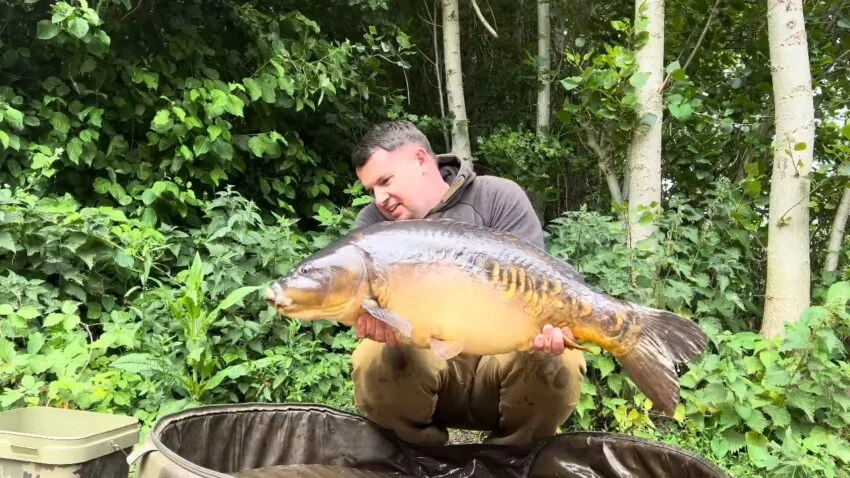
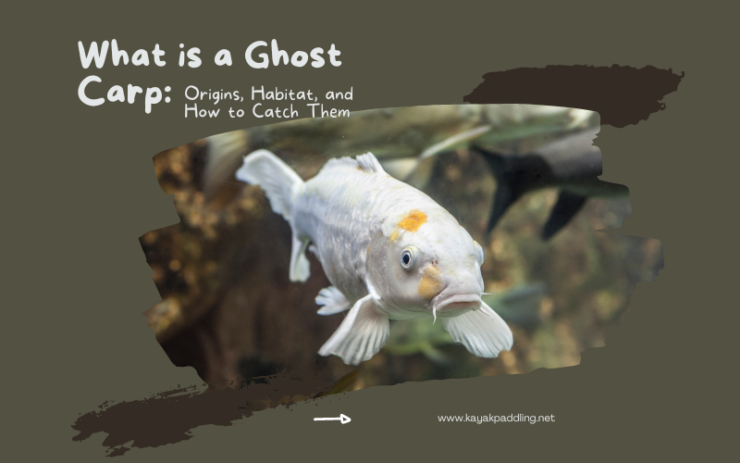
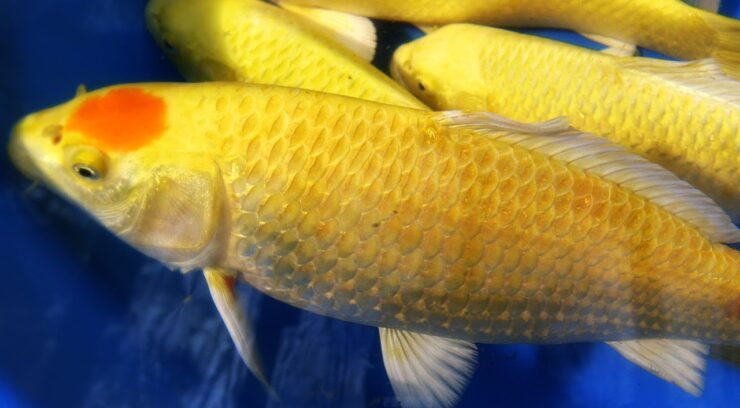
The Ghost Carp, scientifically known as Cyprinus carpio, is not a distinct species in the traditional taxonomic sense. Rather, it is a highly specialized ornamental hybrid. They are essentially a marriage of form and function, combining the rugged, cold-water resilience of the common or mirror carp with the striking, metallic brilliance of the Yamabuki Ogon Koi.
These fish are characterized by their "ghostly" appearance, which is not a supernatural trait but a biological one. Their head and upper body often feature crystalline purine cells that reflect light, making them shimmer in the water. They are hefty, muscular, and notoriously intelligent, often outsmarting anglers who attempt to lure them with standard baits.
Quick Species Overview
| Metric | Specification |
|---|---|
| Scientific Name | Cyprinus carpio |
| Average Weight | 6–15 lb (2.7 kg – 6.8 kg) |
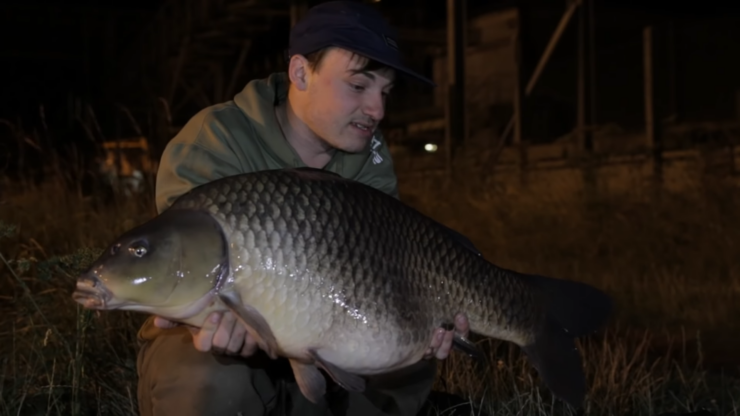
| Maximum Weight | Up to 94 lb (42 kg) |
| Average Length | 18–26 inches (45–65 cm) |
| Maximum Length | Up to 48 inches (120 cm) |
| Lifespan | 9–45 years |
A Chronology of Creation: The Rise of the Ghost Koi
The history of the Ghost Carp is relatively short, rooted in the experimental aquaculture of the late 20th century. While traditional Koi have been bred in Japan for centuries for their aesthetic value, the Ghost Carp is a more recent commercial innovation.
- The 1980s Innovation: The modern Ghost Carp traces its lineage back to a singular agricultural breakthrough. An ingenious fish farmer, seeking to create a hardy yet visually stunning fish, crossbred a standard mirror or common carp with a metallic Yamabuki Ogon Koi. The result was an immediate success: a fish that retained the immense size and survival instincts of the wild carp, but possessed the stunning, metallic sheen of the ornamental Koi.
- The Struggle for Pedigree: Because they are a "man-made" hybrid, the Ghost Carp occupies a strange space in the fish world. Traditional Koi enthusiasts, who often prize centuries-old lineages and specific, rigid aesthetic standards, have been slow to accept the Ghost Carp as a "true" pedigree fish. Despite this, their popularity in commercial fisheries skyrocketed.
- Global Expansion: Throughout the 1990s and into the early 2000s, the breed spread from its origins in Europe and Japan to become a staple of private fisheries across the United Kingdom and North America.
Supporting Data: Biology and Behavior
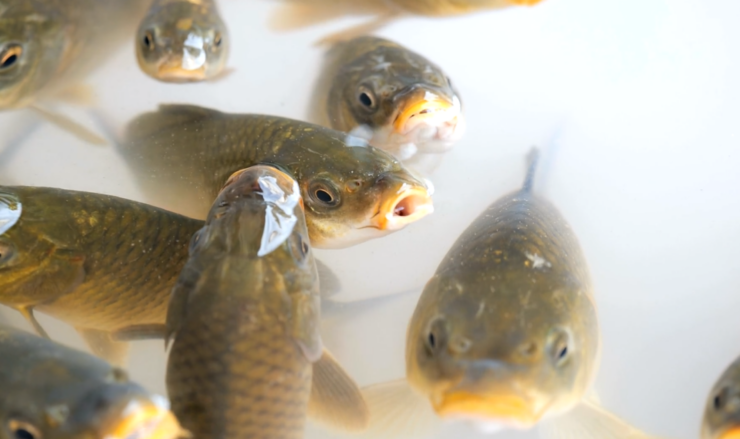
Understanding the Ghost Carp requires looking past the myth to the underlying biology. These fish are essentially "freshwater pigs" due to their voracious appetites and bottom-feeding habits.
Feeding and Nutrient Intake
Ghost Carp are omnivorous and opportunistic. They spend their days scouring the lake bed for aquatic insects, larvae, mollusks, and crustaceans. Their bottom-feeding habit is a defining trait, but it is also one that causes significant ecological concern. By uprooting aquatic vegetation and stirring up sediment, they can significantly increase water turbidity, which blocks sunlight and hinders the growth of native plant species.
Environmental Resilience
The Ghost Carp is an evolutionary master of survival. They can thrive in water temperatures ranging from a chilly 3°C to a sweltering 30°C. Their ability to gulp air at the surface allows them to survive in stagnant, oxygen-deprived waters where other, more sensitive species would perish. This hardiness is exactly what makes them such a challenge for conservationists in areas where they have been introduced to wild waterways.
Official Perspectives and Regulatory Stance
The view of the Ghost Carp varies wildly depending on the geographic context and the stakeholder involved.
The Angler’s Perspective
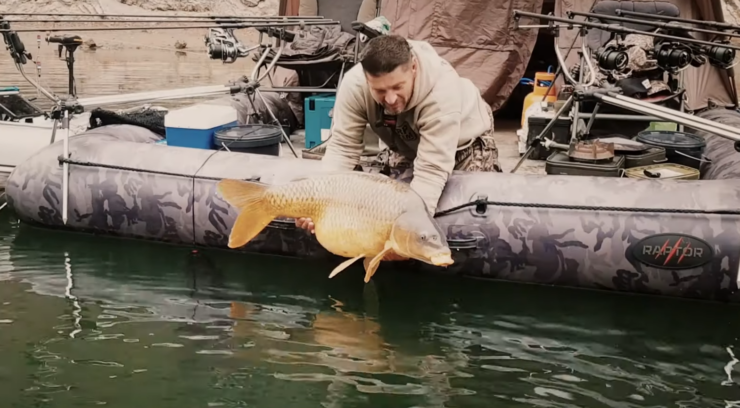
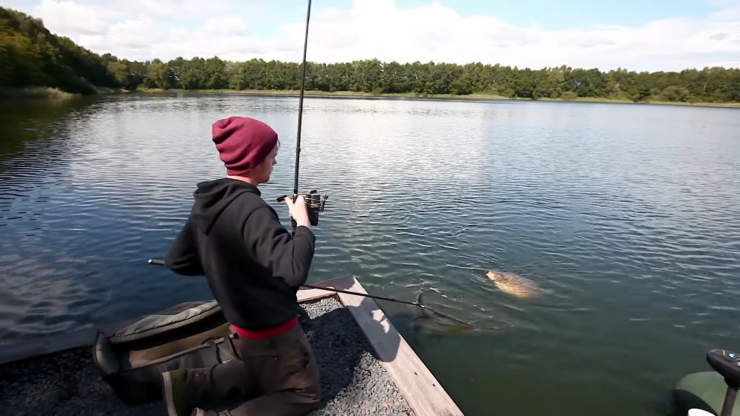
In the United Kingdom and much of Europe, the Ghost Carp is a "trophy" species. They are highly prized for their fighting spirit and intelligence. Many commercial fisheries actively stock these fish to attract anglers who are willing to pay for the chance to battle such a cunning opponent. To these individuals, the Ghost Carp represents the pinnacle of sport fishing.
The Conservationist’s Perspective
In the United States, Canada, and parts of Australia, the narrative is starkly different. Here, common carp—and by extension, their hybrid variants—are often classified as invasive or nuisance species. Government agencies and environmental groups view them as a threat to biodiversity. Because they reproduce rapidly and lack natural predators in many non-native environments, their populations can explode, outcompeting native fish for food and habitat.
Implications for Ecosystems and Management
The introduction of Ghost Carp into open, public waterways is a subject of significant concern for aquatic ecologists. The implications are three-fold:
- Habitat Degradation: Through their foraging, they physically alter the structure of the water column. The resulting sediment suspension creates a "cloudy" environment that disrupts the spawning grounds of native species that require clear, vegetated water.
- Disease Vectors: There is a legitimate concern regarding the spread of pathogens such as the Koi Herpesvirus (KHV). Because these fish are often traded in the ornamental market and then sometimes illegally moved to wild ponds, they can act as silent carriers, transmitting diseases to native fish populations.
- The "Ghost" Factor in Management: Because they are difficult to catch and highly elusive, managing their population density is a logistical nightmare. Traditional netting and removal programs often fail because the fish are smart enough to avoid traps, forcing officials to turn to more invasive methods like electric barriers or water diversion.
Practical Advice for the Modern Angler
For those who wish to fish for these creatures legally in stocked fisheries, success requires patience and a strategic approach.
- Bait Selection: Do not rely on a single bait. Ghost Carp are known for being picky. Carry a variety of options: pellets, sweetcorn, bread, and even luncheon meat (which can be enhanced with flavorings).
- The "Spot" Strategy: These fish are creatures of habit. They love structure—overhanging trees, lily pads, and submerged logs. If you are fishing in a large lake, look for these "lodges" rather than casting into the middle of the open water.
- Adaptability: If you have been in one spot for more than an hour without a bite, move. A core tenet of carp fishing is the "active search." Don’t wait for the fish to find you; find the fish.
Conclusion: A Complex Legacy
The Ghost Carp is neither a phantom nor a monster, but a fascinating product of human ambition and biological adaptability. Whether they are viewed as a prize for the skilled angler or a menace to the local ecosystem, one thing is certain: they are here to stay.
As we look toward the future, the challenge will be to balance the popularity of these fish in private, controlled sport-fishing environments with the urgent need to protect our native, wild aquatic habitats. Responsible management, strict regulations on the transport of live specimens, and a better public understanding of the species are the only ways to ensure that the "Ghost" of the water remains a source of wonder rather than a cause for environmental alarm.
For the enthusiast, the Ghost Carp remains an enduring symbol of the mystery that hides beneath the surface—a reminder that even in our modern world, there are still creatures that can challenge our skills, test our patience, and demand our respect.