In a significant move to fortify Arkansas’s energy infrastructure, Entergy Arkansas has officially commenced construction on the Ironwood Power Station. Situated at the historic Lake Catherine site, this 446MW natural gas facility represents a cornerstone of the utility’s broader modernization strategy. As the state grapples with surging electricity demand and the necessity for a more agile, fuel-efficient grid, the Ironwood project serves as both a transition from legacy power generation and a blueprint for the future of utility-scale energy in the American South.
Main Facts: The Scope and Scale of the Ironwood Project
The Ironwood Power Station is designed as a state-of-the-art, simple-cycle natural gas combustion turbine plant. Spanning 20 acres of land already integrated into Entergy’s existing infrastructure at Lake Catherine, the project is strategically positioned to utilize pre-established grid connections, thereby minimizing the environmental footprint of the construction process.
The facility will boast a capacity of 446MW, a substantial injection of power into the regional grid that is specifically engineered to address the rising consumption patterns of Arkansas’s residential, commercial, and industrial sectors. Beyond raw capacity, the plant is distinguished by its technological sophistication. By incorporating high-efficiency combustion technology, the facility is expected to achieve up to a 40% improvement in fuel efficiency compared to the aging infrastructure it replaces. This efficiency gain is not merely an operational goal; it is a direct mechanism for mitigating fuel costs, which Entergy Arkansas expects to pass on to consumers through more stable and affordable utility rates.
Chronology: From Legacy Retirement to Future Generation
The narrative of the Ironwood Power Station is deeply rooted in the history of the Lake Catherine site, which has served as a backbone for Arkansas’s electricity needs for over half a century.
- The Legacy Era: For more than 50 years, the Lake Catherine Unit 4 has been a workhorse for the region. However, as with all thermal power generation, the march of technological progress and the wear and tear of decades of operation necessitate a transition.
- The Planning Phase: Recognizing the impending retirement of Unit 4, Entergy Arkansas spent years evaluating the site’s potential. The decision to construct Ironwood at this location leverages the existing workforce expertise and site-specific infrastructure, ensuring that the transition is seamless.
- Strategic Partnerships (July 2026): A pivotal moment in the project’s development occurred in July 2026, when Entergy entered into a memorandum of understanding (MOU) with Mitsubishi Heavy Industries (MHI) Group. This partnership, which includes MHI America and Mitsubishi Power Americas, is focused on pioneering a strategy to reduce development and operational costs by 50%. This collaborative approach to innovation has been instrumental in finalizing the design and procurement strategies for Ironwood.
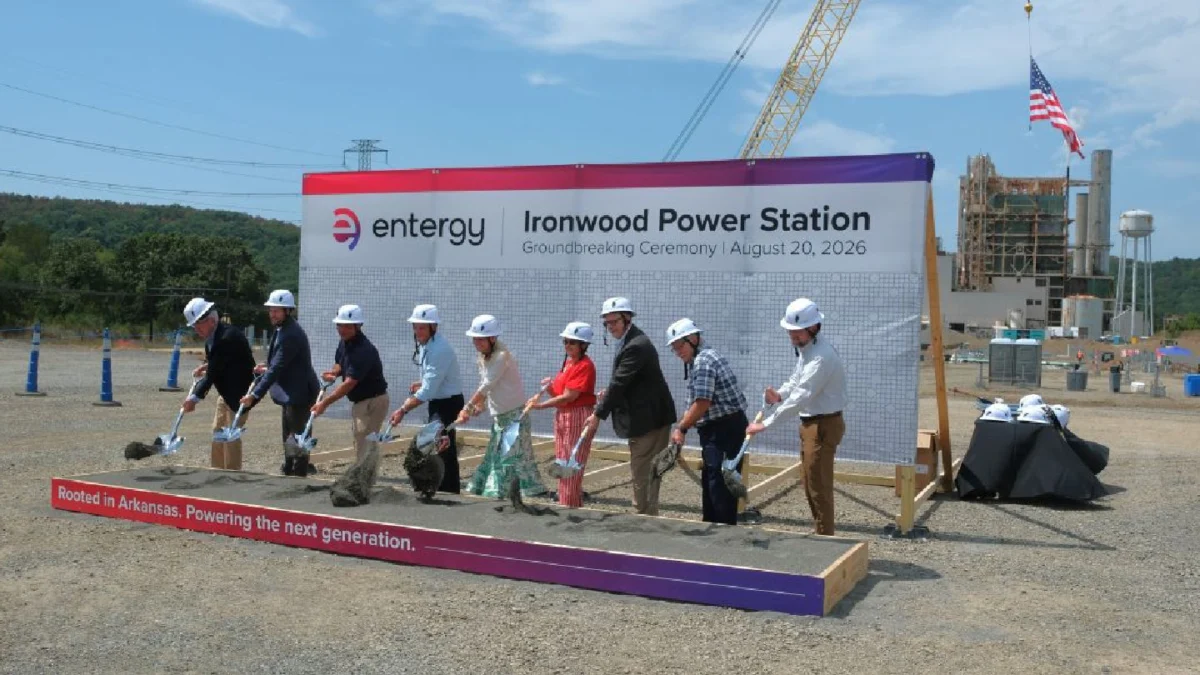
- Groundbreaking (August 2026): With permits secured and designs finalized, the official groundbreaking ceremony marked the beginning of physical construction.
- The Horizon (End of 2027): The current schedule dictates that Lake Catherine Unit 4 will be retired by the end of 2027. Ironwood is expected to be fully operational to absorb the load, ensuring that there is zero disruption to the power supply during this generational handover.
Supporting Data and Technical Innovations
The transition to the Ironwood Power Station is not merely a change in hardware; it represents a fundamental shift in how Entergy Arkansas manages its generation portfolio.
The Efficiency Dividend
The 40% improvement in fuel efficiency is perhaps the most critical technical metric of the project. In the context of volatile global energy markets, reducing the amount of natural gas required to produce a single megawatt-hour of electricity provides a buffer against price spikes. This is achieved through advanced turbine cooling, improved blade aerodynamics, and optimized combustion cycles that extract significantly more energy from every unit of fuel.
Workforce and Economic Impact
The "Arkansas Building Arkansas" initiative serves as the socioeconomic framework for the project. During the peak of the construction phase, the project is slated to generate approximately 260 jobs. Entergy has made a concerted effort to prioritize local contractors, ensuring that the capital investment remains within the state’s economy. By utilizing local labor, the company is not only building a power plant but also fostering a specialized workforce capable of maintaining and operating high-efficiency gas assets for decades to come.
Grid Modernization
The Ironwood facility acts as a “peaker” plant—designed for flexibility. In an era where renewable energy sources like wind and solar are increasingly prevalent in the grid, the ability of a natural gas plant to ramp up production quickly when the sun sets or the wind dies down is essential. Ironwood provides this necessary baseload support and operational flexibility, stabilizing the grid against the inherent variability of intermittent power sources.
Official Responses: A Vision for Arkansas
The leadership at Entergy Arkansas has framed the Ironwood project as a symbolic and practical commitment to the state’s long-term prosperity.
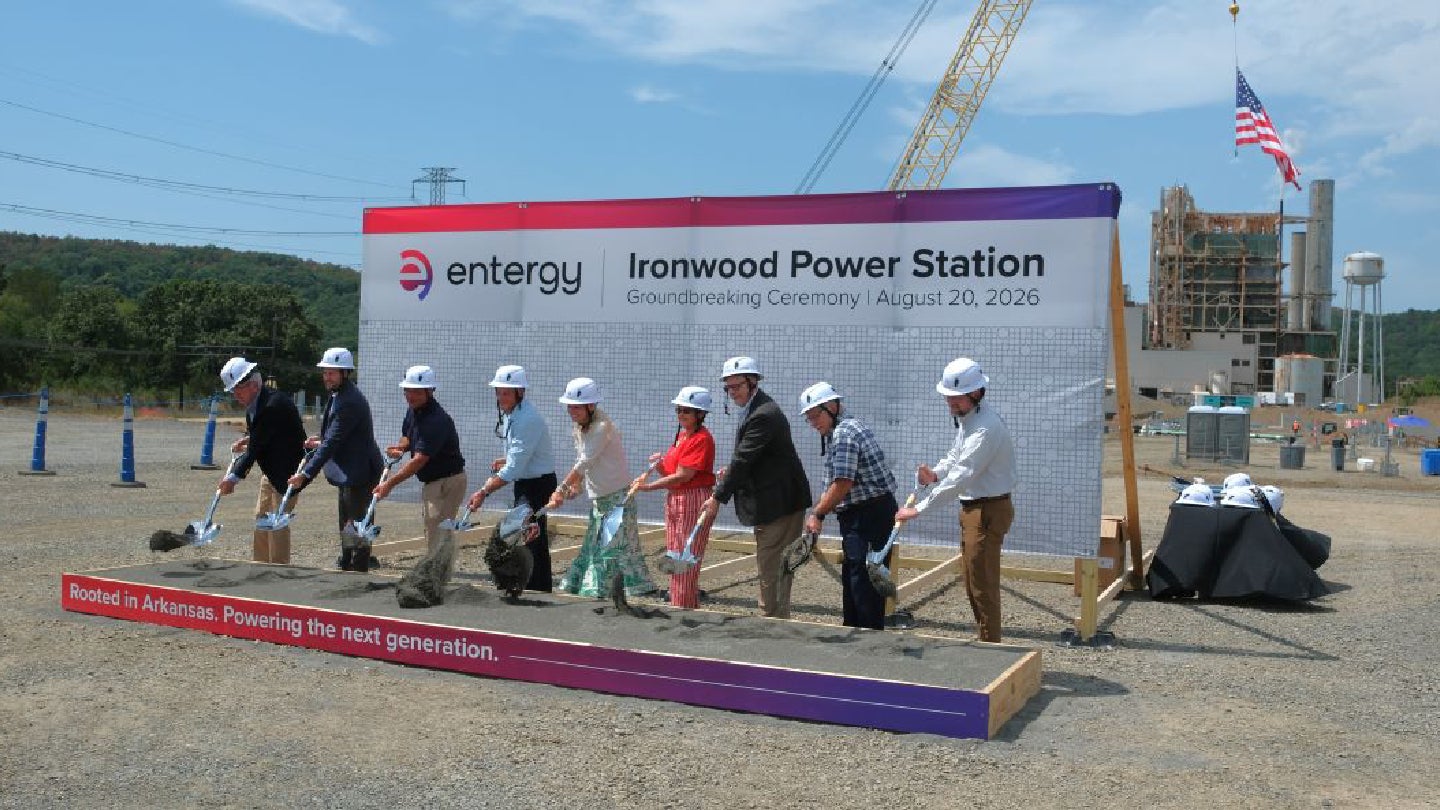
Laura Landreaux, President and CEO of Entergy Arkansas, spoke with conviction at the groundbreaking ceremony: "Ironwood represents the next chapter of a remarkable legacy of innovation in this region and across Arkansas. Today’s groundbreaking is more than the start of construction. It is a renewal of our commitment to keep investing in the people and places that make Arkansas strong and to deliver safe, reliable and affordable energy to the people we serve."
This sentiment is echoed throughout the company’s corporate communications, which emphasize that the "Next Generation Arkansas" initiative is the guiding light for the utility. This initiative is a multi-pronged strategy focused on:
- Grid Modernization: Hardening the infrastructure against extreme weather events.
- Fuel-Efficient Generation: Replacing outdated assets with high-performance technology.
- Affordability: Keeping utility rates competitive to attract and retain industry in the state.
Implications for the Future of Energy in Arkansas
The implications of the Ironwood Power Station extend far beyond the borders of the 20-acre site at Lake Catherine.
Environmental and Regulatory Considerations
While the facility is a natural gas plant, its high efficiency profile aligns with broader efforts to lower the carbon intensity of electricity production. By replacing older, less efficient units with modern turbines, Entergy is effectively lowering the emissions profile of its total generation fleet. This transition is essential for meeting evolving environmental regulations and societal expectations regarding the responsible management of energy resources.
Strengthening Industrial Competitiveness
For Arkansas to remain competitive in the global market, it must offer a reliable and affordable power supply. Major manufacturing and technology sectors, which are increasingly driving the state’s economy, require high-uptime energy. The Ironwood Power Station provides the necessary assurance that the state can meet the massive energy demands of modern data centers, advanced manufacturing facilities, and a growing population.
A Model for Collaborative Utility Management
The partnership with Mitsubishi Heavy Industries sets a new standard for how utilities approach large-scale infrastructure projects. By seeking to cut costs through strategic engineering partnerships rather than simply passing those costs to the consumer, Entergy is demonstrating a modern, proactive approach to utility management. This model could well be replicated across other regions of the United States as utilities face the dual pressure of aging infrastructure and the urgent need for modernization.
Conclusion
The Ironwood Power Station is more than a 446MW construction project; it is a vital organ in the body of Arkansas’s future. As the state continues to grow, the reliability of its power grid will become the primary determinant of its economic success. By choosing to build upon the legacy of Lake Catherine while embracing the cutting-edge efficiencies of modern gas turbine technology, Entergy Arkansas has signaled a clear path forward.
Through the "Arkansas Building Arkansas" and "Next Generation Arkansas" initiatives, the utility is ensuring that the transition to a cleaner, more efficient, and more reliable energy future is handled with precision and a deep commitment to the local community. As the ground is broken and the first structures rise, the Ironwood Power Station stands as a testament to the belief that with the right combination of innovation, local partnership, and strategic planning, the energy needs of tomorrow can be met with the stability and excellence required by the modern world. The retirement of the old Lake Catherine Unit 4 will not be an end, but rather the catalyst for a new, more efficient, and more resilient chapter in Arkansas’s energy history.