The Blackstone Expedition: A Masterclass in Foothill Fly-Fishing
The early morning air in the Alberta foothills is a crisp, unforgiving reminder of the wilderness. At 6:00 AM, as the temperature hovered near the freezing mark, the reality of sleeping on a gravel bar along the Blackstone River—specifically, the discomfort of a cold tent floor—served as a stark wake-up call. Yet, for the dedicated angler, this is not a hardship; it is a prerequisite for the reward that follows.
Located a short drive off the Forestry Trunk Road, north of Highway 11, the Blackstone River represents a quintessential Canadian Rockies trout stream. It is a waterway of modest proportions, averaging roughly 20 meters in width, characterized by moderate currents and an aesthetic beauty that is often overlooked in favor of the larger, more commercialized rivers of the province. However, beneath its gentle surface lies a unique ecological phenomenon that draws seasoned fly-fishers from across the country: the presence of Bull Trout that actively rise to dry flies.
Chronology: From Campsite to The Big Catch
The journey began in the darkness of the previous night, with a late-arriving setup that left the camp in disarray. By morning, the objective was clear: hit the water before the sun could climb high enough to turn the trout shy.
The Morning Routine
To expedite the departure, a calculated effort was made to disrupt the slumber of a notoriously late-rising companion. Through a process of intentional, "obnoxiously loud" morning preparation, the camp was mobilized. By mid-morning, the focus shifted from the campsite to the riverbanks, where the true work began.
The Discovery of the Pool
For the first hour, the river proved elusive. Progress was slow, and the fish seemed uninterested in the initial offerings. That changed upon rounding a bend in the river, where a pristine, deep pool presented itself. It was a textbook "fishy" spot—the kind that signals a high probability of success to the trained eye.
Signs of life were immediate. Rises broke the surface, indicating active feeding. The strategy shifted to a rapid-fire trial-and-error approach, testing various patterns against the surface tension of the river.
The Turning Point
Initial attempts with a Red Humpy and a Stimulator failed to generate interest. A tactical pivot to a Pale Morning Dun pattern immediately yielded results. The silence of the morning was shattered by a shout of success; a 20-inch cutthroat trout had taken the fly. Despite the unfortunate realization that the landing net had been left at camp, the team managed to secure the catch—a testament to the high quality of the Blackstone’s cutthroat population.
The Bull Trout Engagement
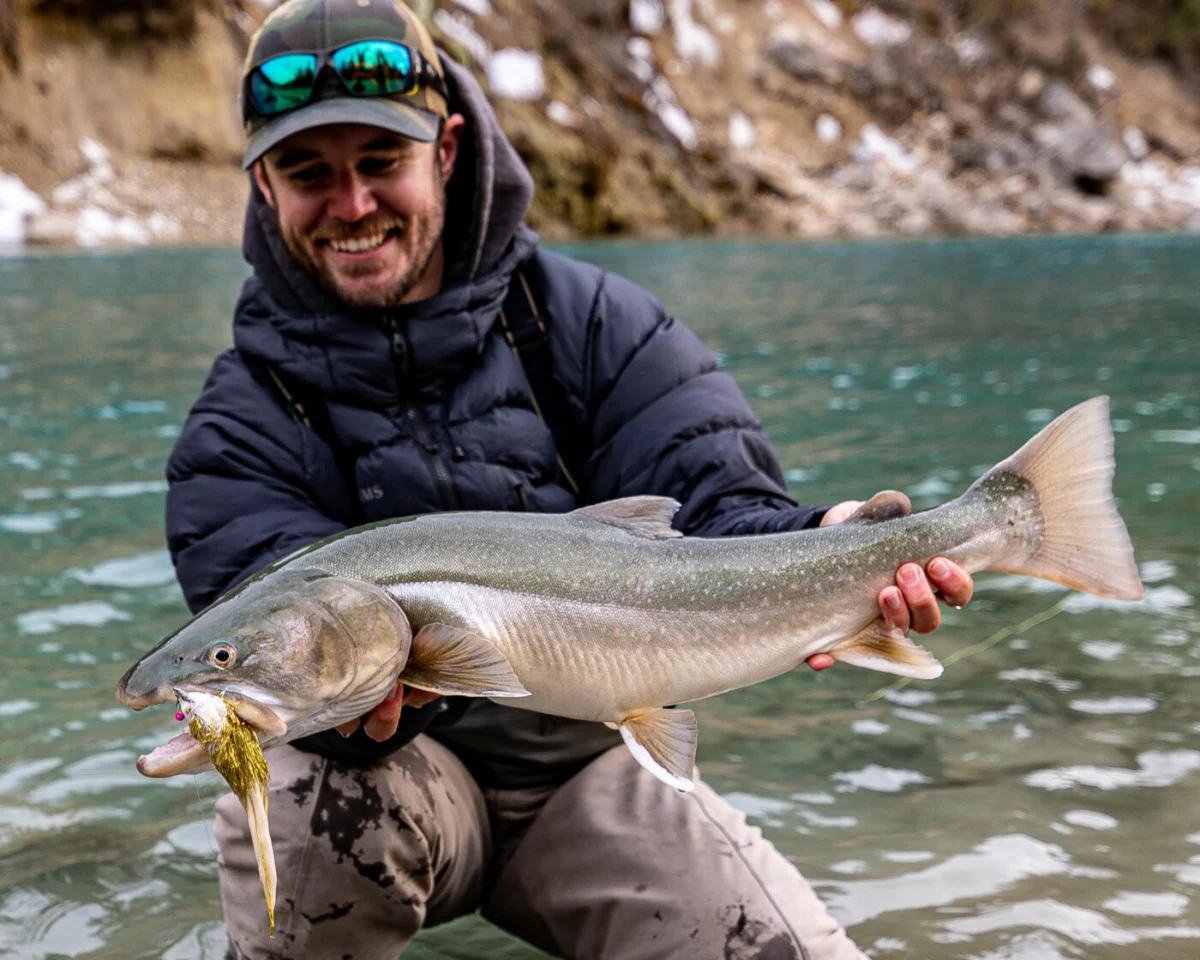
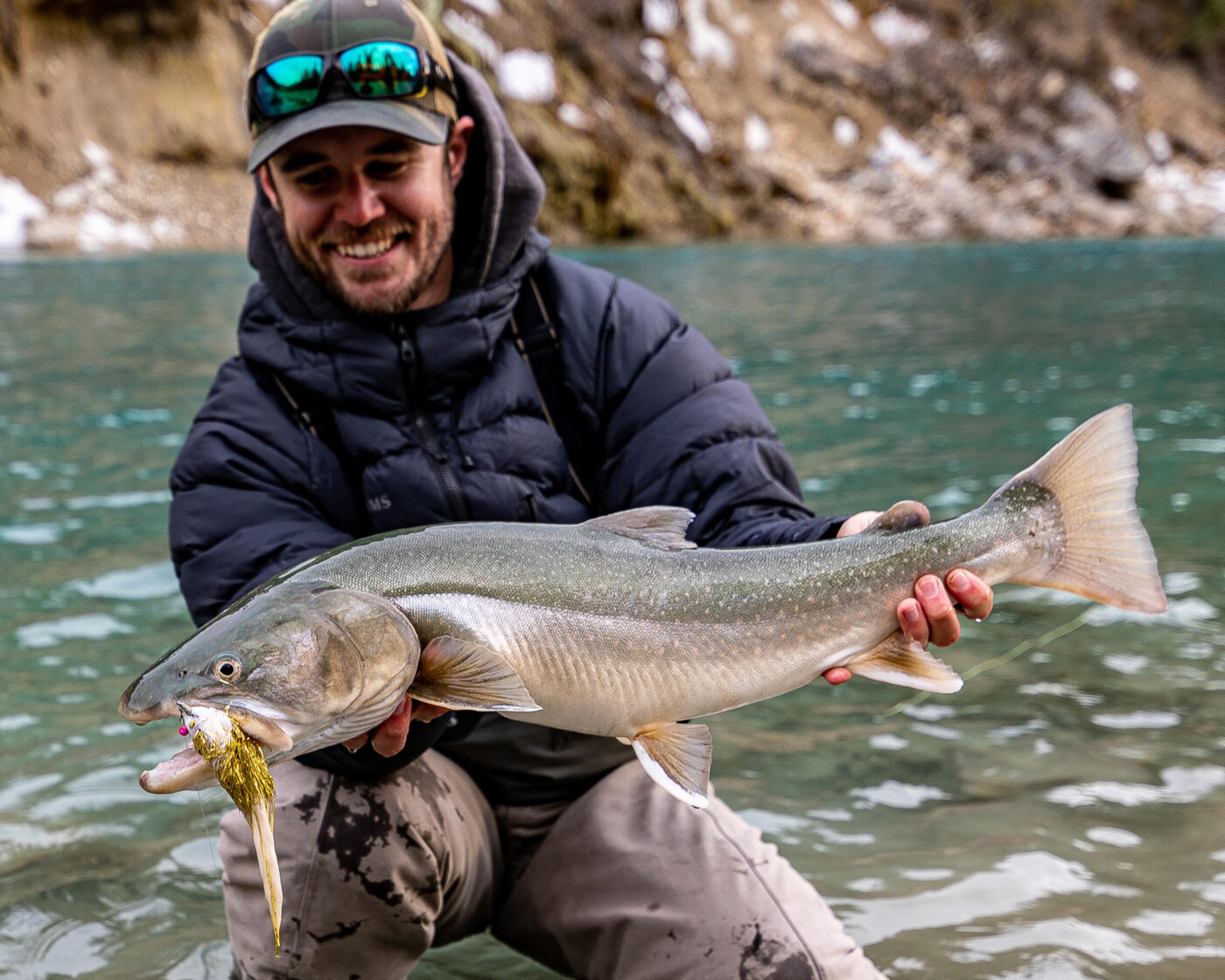
With the morning warming, the ultimate test remained: verifying the reputation of the Blackstone’s Bull Trout. Using a "Fat Albert" fly—an unconventional, oversized terrestrial pattern—the line was cast into the tail of the pool. The take was immediate and violent. Unlike the subtle sip of a smaller trout, the bull trout’s strike was an aggressive, predatory explosion. The ensuing fight, while brief, confirmed the legendary reputation of these fish.
Supporting Data: Understanding the Blackstone Ecosystem
The Blackstone River occupies a specific niche in the Canadian Rockies. Originating in the front ranges, it winds through the foothills, eventually contributing to the Brazeau River.
The Bull Trout Controversy
According to the guidebook by Barry Mitchell—a foundational, if aging, text in the Alberta fishing community—the Blackstone is one of only two rivers in the province where Bull Trout consistently rise to a dry fly. While local anglers often debate the exclusivity of this claim, the empirical evidence from this excursion supports the assertion.
Bull Trout (Salvelinus confluentus) are a sensitive species in Alberta. They are apex predators in many of these systems, requiring cold, clean, and complex water habitats. Their willingness to strike a dry fly is an anomaly, as they are typically categorized as deep-water, predatory fish that favor streamers or nymphs.
Gear Selection for the Foothills
Minimalism remains the gold standard for success in this region. The following gear proved effective for this expedition:
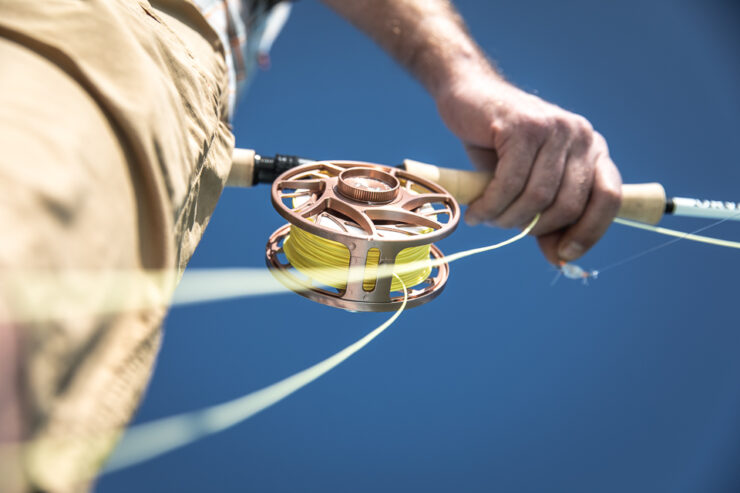
- Rods: A 9-foot, 5-weight Echo Carbon XL paired with a Redington Crosswater reel served as the primary rig. A secondary 5-weight Cabela’s setup acted as a reliable, if rudimentary, backup.
- Fly Strategy: The success on the Blackstone relies on a three-tier approach:
- Standard Dries: Utilizing patterns that mimic local hatch activity.
- Bead-Head Nymphs: Essential for targeting fish in the deeper pockets when surface activity wanes.
- Big Terrestrials: Patterns like the "Fat Albert" act as attractors, triggering the aggressive strike response of the larger Bull Trout.
Official Perspectives and Ecological Implications
The Blackstone River is more than just a recreational destination; it is a critical habitat. Conservation efforts in Alberta have increasingly focused on the preservation of Bull Trout, which are currently listed as "Threatened" under the province’s wildlife act.
The Role of Catch-and-Release
The successful landing of these fish without a net, while an oversight in preparation, highlights the importance of ethical handling. When dealing with sensitive species like the Bull Trout, the duration of the fight and the handling process are critical to survival. The use of waterproof cameras for documentation, rather than traditional measurement tools, minimizes the time the fish spends out of the water.
Implications for Future Management
As interest in "hidden gem" rivers like the Blackstone increases, the pressure on these ecosystems grows. Fisheries managers emphasize that the survival of the Bull Trout relies on two factors:
- Water Quality: Maintaining the integrity of the Blackstone’s cold-water inflow.
- Angler Education: Ensuring that those who seek out these rare, rising bulls understand the necessity of barbless hooks, proper revival techniques, and the absolute necessity of minimizing handling.
Conclusion: The Value of the Uncharted
The experience on the Blackstone River serves as a poignant reminder of why we venture into the wild. It is not merely for the pursuit of the catch, but for the intersection of strategy, patience, and ecological discovery.
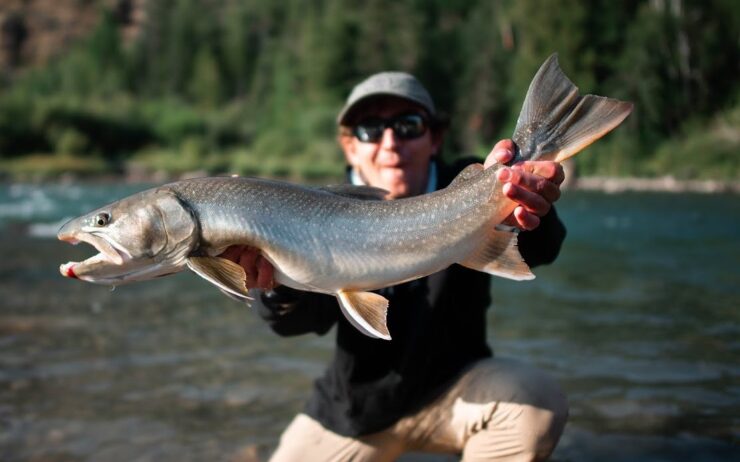
The Blackstone is a fragile jewel. The fact that its bull trout will rise to a dry fly is a rare gift to the angling community—a phenomenon that should be approached with respect, prepared gear, and a commitment to preservation. Whether you are a seasoned veteran of the Rockies or a newcomer to the sport, the lessons of the Blackstone are clear: bring your net, respect the water, and always be ready for the strike that changes your understanding of the species.
For those planning their own excursion, remember that the best experiences often come from the most humble beginnings—even if those beginnings involve waking up at 6:00 AM on a rock-strewn gravel bar, shivering, and waiting for your brother to finally wake up.