In the rapidly evolving landscape of international travel, the "always-on" expectation has shifted from a luxury to a necessity. For the modern digital nomad or the high-frequency business traveler, the hunt for reliable, affordable, and seamless connectivity is an endless pursuit. Enter Saily, an eSIM provider that has recently expanded its portfolio with the "Ultra" plan. By promising not just data, but a comprehensive suite of travel perks, Saily aims to position itself as the ultimate companion for those crossing borders. But does the convenience justify the cost?
The Core Offering: Seamless Connectivity Across Borders
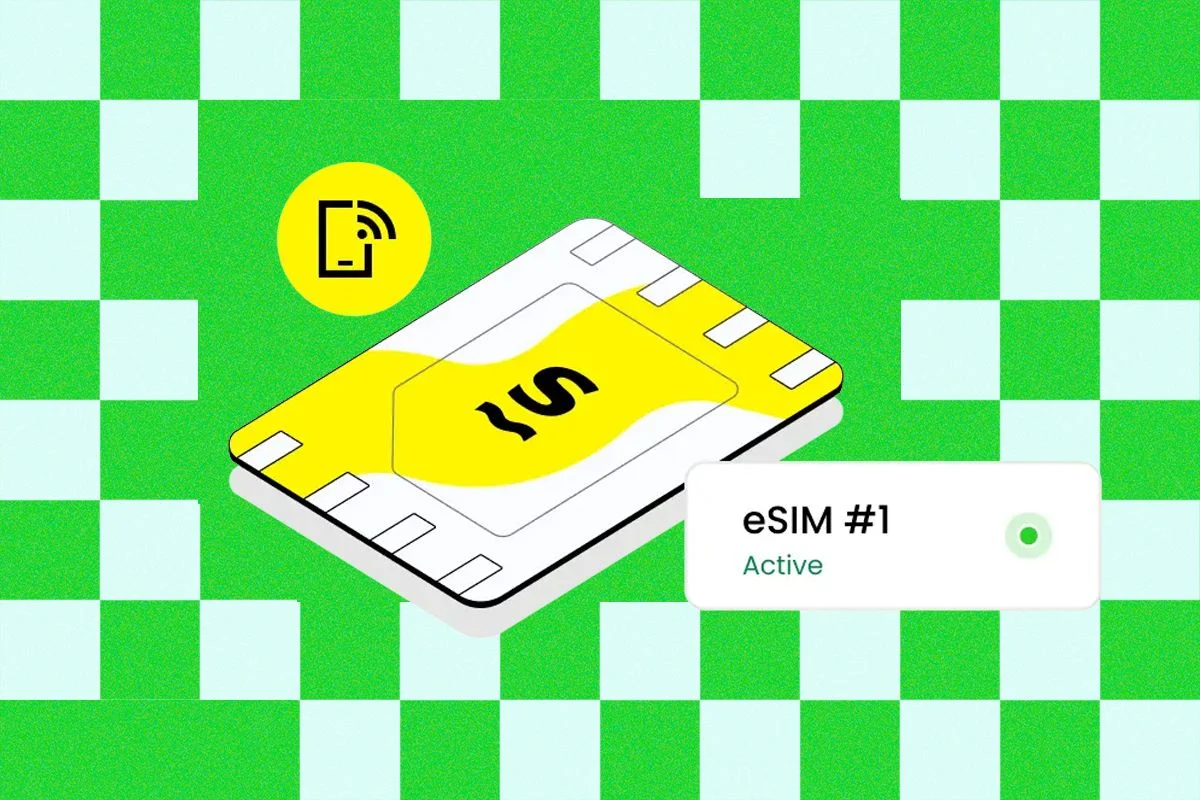
At its heart, Saily is an eSIM service designed to eliminate the logistical nightmare of hunting for local physical SIM cards upon arrival in a new country. During extensive testing across the United Kingdom and various European destinations, the setup process proved to be remarkably streamlined. The Saily app handles the heavy lifting, allowing users to activate their connection with a few taps.
Performance Benchmarks
Connectivity is the lifeblood of any travel service, and in this regard, Saily performs admirably. In urban centers, the service leverages 5G infrastructure, delivering robust speeds that reached up to 300 Mbps during testing. This is more than sufficient for high-definition video conferencing, cloud-based productivity apps, and seamless media streaming.
However, geography remains a significant variable. As one moves into rural landscapes or less densely populated regions, the network inevitably shifts to 4G LTE, with speeds settling around 15 Mbps. While this is a noticeable dip, it remains entirely functional for essential tasks like GPS navigation, email, and messaging. It is important to remember that Saily is an aggregator; it piggybacks on established local providers. During the month-long trial, the connection relied heavily on industry stalwarts like EE and Vodafone, ensuring a level of reliability that smaller, boutique carriers often struggle to match.
The "Ultra" Philosophy: Data Limits and Reality
The Saily Ultra plan advertises 30 GB of "high-speed" data. In technical terms, this means that the data is not intentionally throttled until the 30 GB threshold is breached. Once that limit is hit, users are shifted to an unlimited, throttled tier capped at 1 Mbps.
Managing the Digital Footprint
While 1 Mbps sounds sluggish, real-world testing suggests it remains functional for text-based communication, light web browsing, and navigation apps. However, media-heavy applications—such as YouTube, Netflix, or Instagram—become virtually unusable at these speeds.
Prospective users should adopt a pragmatic approach to their data consumption. While 30 GB may sound generous, modern smartphone operating systems and background app refreshes can consume data at an alarming rate. For travelers, the strategy should always be "Wi-Fi first." By downloading offline maps, streaming media while on hotel or cafe Wi-Fi, and disabling background data usage for non-essential applications, users can stretch their 30 GB allocation across a full month of travel.
A Comparative Analysis of Cost and Flexibility
When deciding on a connectivity strategy, travelers must weigh the convenience of a global plan against the surgical precision of region-specific or country-specific pay-as-you-go (PAYG) options.
The Math of Roaming
Saily’s pricing structure reveals a clear trade-off. For instance, an unlimited data plan for the UK for 15 days is priced at $49, subject to a "fair usage policy" that throttles users after 5 GB in a single 24-hour window. A similar arrangement for Europe covers 35 countries for $72, carrying the same daily restriction.

For travelers visiting only one or two specific countries, purchasing a local data bucket is often more economical. For example, acquiring 20 GB of data for use in France over 30 days costs approximately $23, while a similar package for the UK costs $31. These figures highlight that Saily Ultra is not necessarily designed for the budget-conscious traveler looking to save a few dollars; it is designed for the traveler who values the experience of seamless global movement over the granular optimization of data costs.
The "Perks" Ecosystem: More Than Just Connectivity
What separates Saily Ultra from the myriad of budget eSIM providers is its focus on the "traveler’s lifestyle" rather than just the "traveler’s data."
The Value-Add Portfolio
The subscription includes several value-added services that shift the perception of the cost:
- Ad-Blocking: Beyond the privacy benefits, this is a functional tool that prevents bandwidth-hungry ads from consuming your precious 30 GB data limit.
- Priority Support: A critical feature for business travelers who cannot afford to be offline for extended periods.
- Saily Credits: The 8 percent back in credits can be reinvested into future data plans or used to unlock additional utility.
- Lounge and Fast-Track Access: These are the "prestige" features of the Ultra plan. These benefits rollover for up to three months if unused, offering significant value for frequent fliers who often navigate congested airports.
It is worth noting that these perks are subject to change based on partnerships. For example, while a ClassPass subscription was advertised, availability may vary by region and time of purchase.
Implications for the Future of Global Roaming
The rise of services like Saily Ultra signals a broader trend in telecommunications: the move away from "utility-only" services toward "lifestyle-integrated" ecosystems.
Why It Matters
The traditional model of roaming—buying a SIM card in an airport kiosk or paying astronomical daily rates to a home carrier—is dying. The eSIM revolution has democratized connectivity, but the market is becoming saturated. By bundling data with tangible travel benefits like lounge access and ad-blocking, companies like Saily are attempting to move the conversation away from "price per GB" and toward "cost per trip."
For the average consumer, this means the vetting process has become more complex. You are no longer just comparing data speeds; you are comparing the value of an ecosystem. Does the inclusion of airport lounge access and priority support justify the higher monthly premium? For the person who spends 100+ days a year in transit, the answer is likely yes. For the once-a-year vacationer, it is likely overkill.
Conclusion: Is Saily Ultra Right for You?
Saily Ultra succeeds as a high-end, premium-tier travel service. Its performance is reliable, its app interface is exceptionally user-friendly, and the added perks provide genuine value to the frequent flyer. While it is undeniably more expensive than cobbling together various local eSIMs, the peace of mind offered by a single, consistent, and feature-rich service is a commodity that many travelers are willing to pay for.
As with any travel tech, the key to success is preparation. Whether you choose a premium bundled plan like Saily Ultra or a more surgical, location-specific approach, the responsibility remains on the user to monitor data usage, prioritize offline content, and understand the terms of the service agreement. In an increasingly connected world, having the right digital infrastructure in your pocket is just as important as having the right passport. Saily has positioned itself as a strong contender in that space, provided you are the type of traveler who truly intends to use the perks that come with the price tag.