Main Facts: The Seasonal Transition on the Clark Fork
As the snowpack in the surrounding Bitterroot and Sapphire Mountains continues to recede, the Montana landscape has shifted firmly into its summer rhythm. For the team at Montana River Guides, this transition marks the conclusion of an intensive spring season dedicated to technical swiftwater rescue training and the beginning of a peak period for recreational river use.
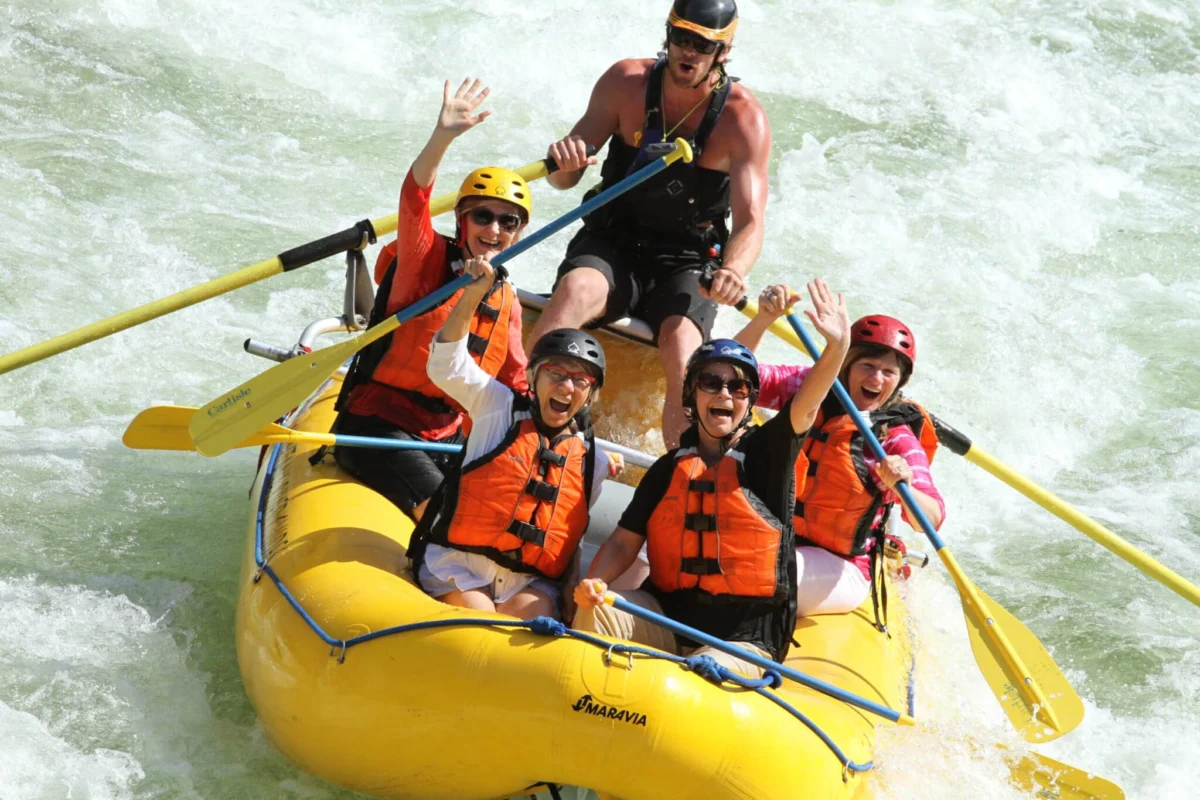
Currently, the Clark Fork River—specifically the iconic stretch known as the Alberton Gorge—has reached its summer "sweet spot." With flows hovering around 4,000 cubic feet per second (CFS), the river has transitioned from the high-volume, turbulent surges of late spring into a more predictable, yet exhilarating, series of Class II and III rapids. This flow rate is widely considered the gold standard for both commercial rafting operations and private boating, offering enough power to navigate technical features while maintaining a level of accessibility suitable for families and adventure seekers alike.
Chronology: From Rescue Training to Recreational Peak
The operational calendar at Montana River Guides is meticulously synchronized with the hydrological cycles of Western Montana. The year began with a heavy focus on professional development and technical instruction.
The Spring Training Phase
Throughout the early spring months, the guides dedicated their time to "Swiftwater Rescue" certification courses. These classes are not merely for the company’s staff but serve as a critical resource for local first responders, river enthusiasts, and environmental professionals. The curriculum is rigorous, covering self-rescue techniques, mechanical advantage systems, and complex team-based recovery operations. By wrapping up these sessions in late spring, the company ensures that its primary personnel are not only prepared for the season ahead but are also deeply ingrained in the regional culture of river safety.
The Summer Transition
As the water levels began to stabilize in mid-June, the focus shifted from technical rescue to high-volume commercial tourism. The arrival of consistent, warm-weather flows has allowed the company to pivot to daily guided rafting and scenic kayaking tours. This shift represents the economic engine of the regional tourism industry, drawing visitors from across the country to experience the geological grandeur of the Alberton Gorge.
The Upcoming Educational Horizon
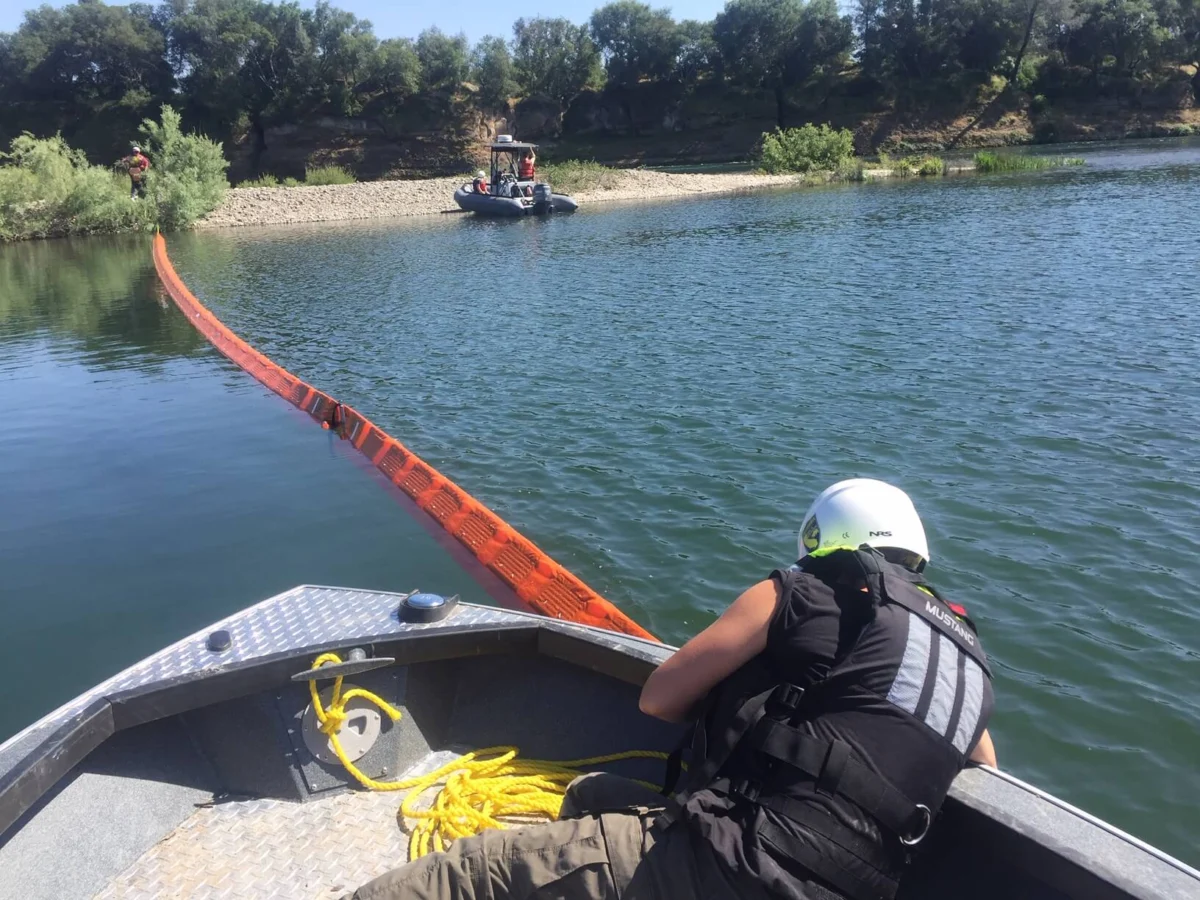
The seasonal narrative does not end with recreation. Later this summer, Montana River Guides will return to its educational roots by hosting "Swiftwater Spill Response" classes. These specialized sessions are designed to bridge the gap between recreational river safety and industrial environmental protection. By training participants to deploy spill containment booms and recovery equipment in moving water, the company is positioning itself as a vital stakeholder in the ecological preservation of the Clark Fork River watershed.
Supporting Data: Understanding the Gorge
The Alberton Gorge is not just a destination; it is a complex geological feature that demands respect and understanding.
Hydrological Context
The 4,000 CFS flow rate is a pivotal metric. At this level, the river creates a balance between safety and excitement. The "Tumbleweed" and "Fang" rapids, two of the most famous features in the gorge, are currently operating at peak playability.
- Technical Challenges: At 4,000 CFS, the upper section of the gorge begins to reveal specific rock gardens that are often submerged during high-water spring runoffs. These emerging features add a layer of navigational complexity, requiring guides to exercise precise boat control.
- Safety Dynamics: Despite the fun factor, the combination of mid-summer temperatures and moderate flow does not eliminate risk. The presence of "swimmers"—a term for individuals who fall out of their rafts—remains a reality. Data from past seasons suggests that while the gorge is family-friendly, the "Fang" rapid, in particular, requires careful line selection to avoid capsizing.
Equipment and Preparation
Montana River Guides emphasizes a philosophy of "preparedness over bravado." The company mandates that all participants utilize appropriate Personal Flotation Devices (PFDs) and high-visibility river gear. This focus on gear serves a dual purpose: it ensures the physical safety of the client while reinforcing the professional standard of the industry.
Official Responses: A Commitment to Safety and Sustainability
In a series of statements, the leadership at Montana River Guides emphasized that the transition to the summer season is about more than just profit—it is about stewardship.
"When we see the Gorge hit these levels, we see the community come alive," said a spokesperson for the organization. "But we also recognize that with increased usage comes an increased responsibility to educate. We aren’t just here to take people down the river; we are here to ensure that every person who enters the Alberton Gorge understands the dynamics of the water and the necessity of looking out for their fellow paddlers."
Regarding the upcoming Swiftwater Spill Response training, the organization noted, "We recognize that the Clark Fork is a working river. By integrating spill response training into our curriculum, we are providing a necessary service for our community, ensuring that if a chemical or industrial event occurs, there are trained professionals ready to mitigate the damage to our local ecosystem."
Implications: The Future of River Stewardship
The intersection of commercial recreation and technical environmental training suggests a broader implication for the future of the Missoula outdoor industry.
Economic Implications
The continued accessibility of the Alberton Gorge is a significant driver for the Missoula economy. As the region grows, the demand for guided experiences that are both safe and thrilling continues to rise. By maintaining a high standard of professional instruction, Montana River Guides is helping to ensure that the Missoula rafting industry remains a sustainable contributor to the local economy, avoiding the pitfalls of over-commercialization by prioritizing safety education.
Environmental Implications
The Clark Fork River has a storied history of environmental recovery. The decision to host spill response training is a direct response to the river’s status as a vital waterway that passes through both wilderness and industrial corridors. By training a new cohort of individuals in how to manage pollutants in a swiftwater environment, the organization is effectively building a "first responder" network that can act on behalf of the river’s health.
The Culture of the River
Finally, the article underscores the vital importance of the "river community." Whether it is a family on their first rafting trip or a professional technician learning how to deploy a containment boom, the culture being fostered is one of vigilance. The instruction to "keep an eye on each other" is a recurring theme that defines the Missoula river experience. It is a recognition that, regardless of the guide’s expertise or the client’s experience level, the river remains an unpredictable force that requires communal respect and active participation in safety protocols.
As the summer progresses, the focus will remain on the interplay between the exhilarating rapids of the Gorge and the quiet, deliberate work of environmental protection. Through this multifaceted approach, Montana River Guides continues to set the benchmark for how a river-based enterprise can serve as both a recreational provider and a guardian of the waterway it calls home. Those interested in joining a guided tour or registering for the upcoming spill response curriculum are encouraged to review the company’s full schedule, ensuring they are prepared for the unique demands of the Clark Fork.