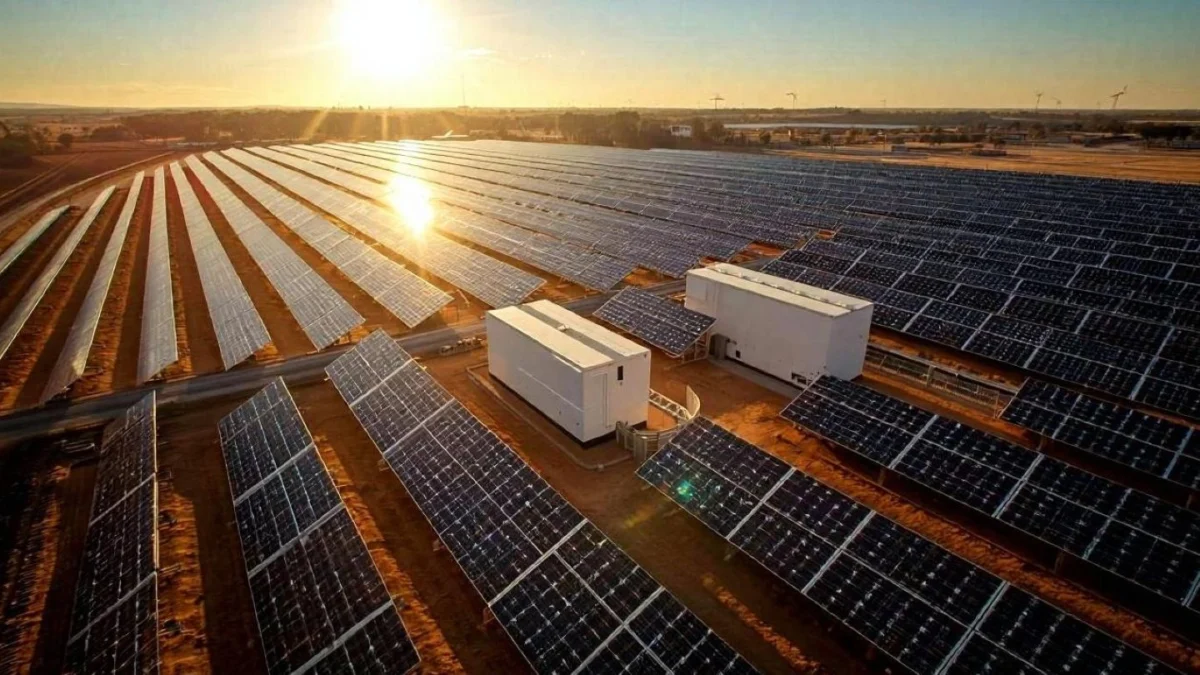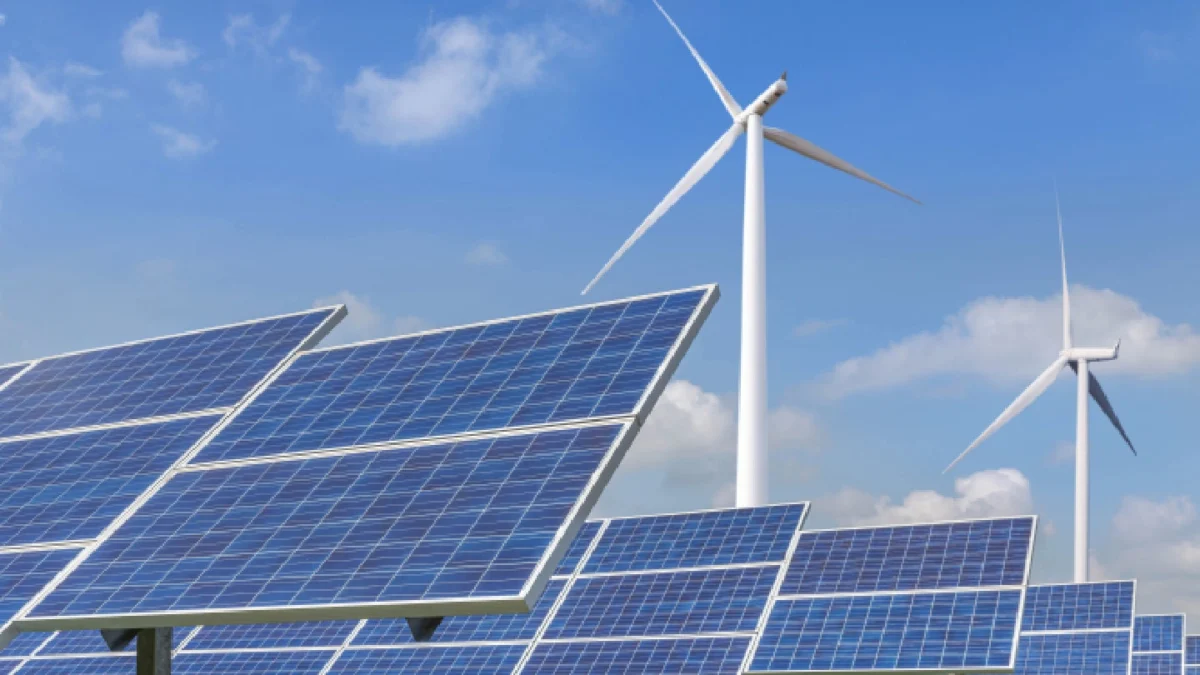
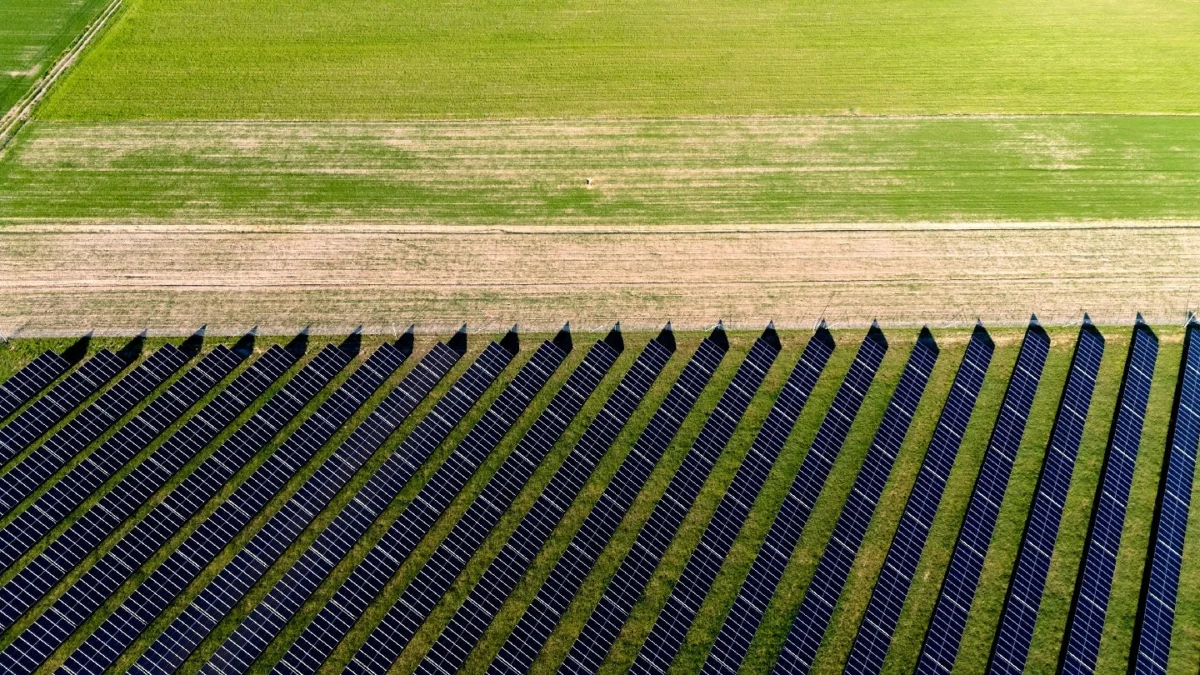
In a significant boost to the renewable energy landscape of the American Midwest, US-based energy financing specialist Crux has successfully finalized a $215 million tax equity investment. This capital infusion is earmarked for the development of the Pleasant Prairie Solar Energy Center, a massive 240MW utility-scale solar installation currently taking shape in Franklin County, Ohio.
Developed and operated by Invenergy, a global leader in sustainable energy solutions, the Pleasant Prairie project represents a critical step in Ohio’s transition toward a diversified and decarbonized energy portfolio. As the facility moves through its construction phase, it stands as a testament to the evolving mechanisms of project finance, where specialized platforms like Crux are bridging the gap between private capital and infrastructure deployment.
The Financial Architecture: How Crux Facilitated the Deal
The financing package, arranged through Crux Capital Securities—the firm’s registered broker-dealer arm—utilizes a specialized investment vehicle managed by Crux. At the core of this transaction is the monetization of federal investment tax credits (ITCs). By leveraging the provisions of modern energy policy, Crux has created a bridge that allows investors to participate in the financial upside of clean energy generation while providing developers like Invenergy with the liquidity required to break ground on capital-intensive projects.
This deal is not merely a transaction; it is an example of the sophisticated financial engineering required to scale renewable energy. By streamlining the tax equity market—a space historically characterized by complex, opaque negotiations—Crux is enabling a more efficient flow of capital. The firm, which utilizes an AI-driven platform integrated with real-time market data, has quickly established itself as a critical intermediary in the transition to a greener grid.
Project Profile: The Pleasant Prairie Solar Energy Center
The Pleasant Prairie Solar Energy Center is a 240MW utility-scale facility designed to meet the burgeoning power demands of the Ohio region. While solar power has historically been associated with sun-drenched states like Arizona or California, advancements in panel efficiency and grid integration have made utility-scale projects increasingly viable in the Midwest.
Technical and Operational Milestones
- Capacity: 240MW of clean, renewable energy.
- Location: Franklin County, Ohio.
- Status: Currently under active construction.
- Operational Target: Full commercial operations are slated to commence in 2027.
- Economic Impact: The project is projected to generate approximately 300 high-quality construction jobs during its build phase, providing a localized boost to the labor market.
- Total Economic Contribution: The facility is expected to catalyze over $230 million in direct economic investment within the local Ohio community throughout its operational lifespan.
The project is designed to provide electricity directly to the regional grid, ensuring stability for local businesses and residential consumers. Furthermore, the facility will generate clean energy credits for a third-party offtaker, illustrating how private corporations are increasingly turning to renewable energy to meet their internal ESG (Environmental, Social, and Governance) targets.
Strategic Perspectives: Insights from Invenergy
For Invenergy, the partnership with Crux represents a validation of their long-term development strategy. Matthew Ransweiler, Senior Vice President and Head of North America Project Finance at Invenergy, emphasized the strategic importance of this milestone.
"Crux’s tax equity investment marks an important milestone for Pleasant Prairie Solar and reflects continued confidence in projects that help meet growing energy demand, while delivering meaningful local benefits," Ransweiler stated. "Securing tax equity financing for this project with such a strong financial partner demonstrates our commitment to advancing energy infrastructure that supports economic growth, strengthens energy supply, and helps power communities across Ohio."
Ransweiler’s comments underscore a broader trend in the utility sector: the convergence of financial stability and social responsibility. By engaging with local stakeholders and securing robust financial backing, developers are finding that the "social license to operate" is just as important as the physical construction of the panels themselves.
The Broader Context: Scaling Infrastructure via Crux
Since its inception, Crux has positioned itself at the nexus of the energy transition. The firm has successfully facilitated the deployment of billions of dollars of private capital into US clean and critical infrastructure. Their business model—which combines advisory services, transaction execution, underwriting, and fund management—is designed to solve the "financing bottleneck" that often plagues renewable energy startups and large-scale developers alike.
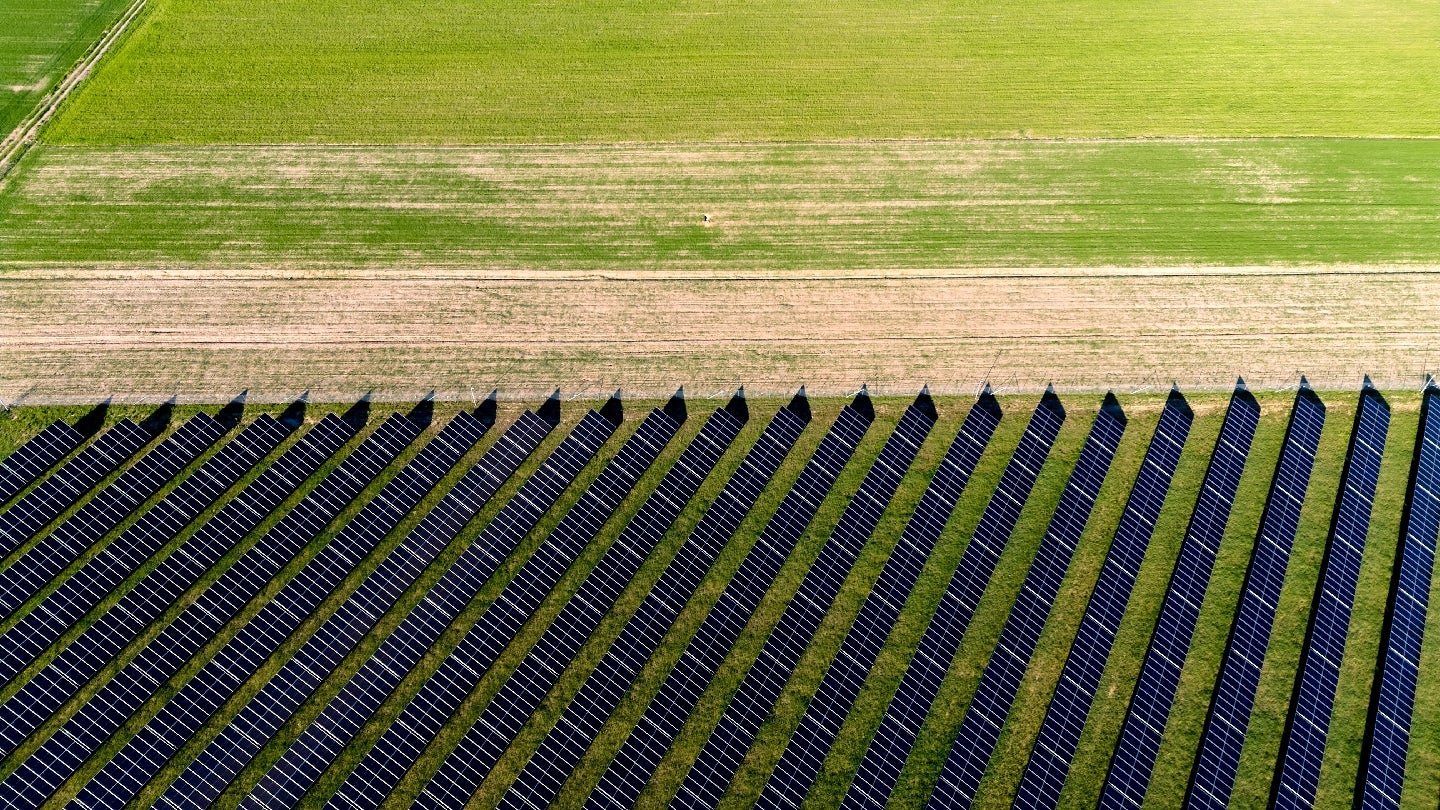
The Pleasant Prairie deal follows a series of successes for the firm. Most notably, in July 2026, Crux facilitated tax equity financing for Linea Energy’s Watertown solar project—a 172MW direct current facility in Sanilac County, Michigan. These successive investments in the Midwest indicate a growing appetite among institutional investors for high-quality, long-term renewable assets in the region.
Economic and Environmental Implications
The implications of the Pleasant Prairie Solar Energy Center extend far beyond the megawatt hours it will eventually produce.
1. Strengthening the Regional Grid
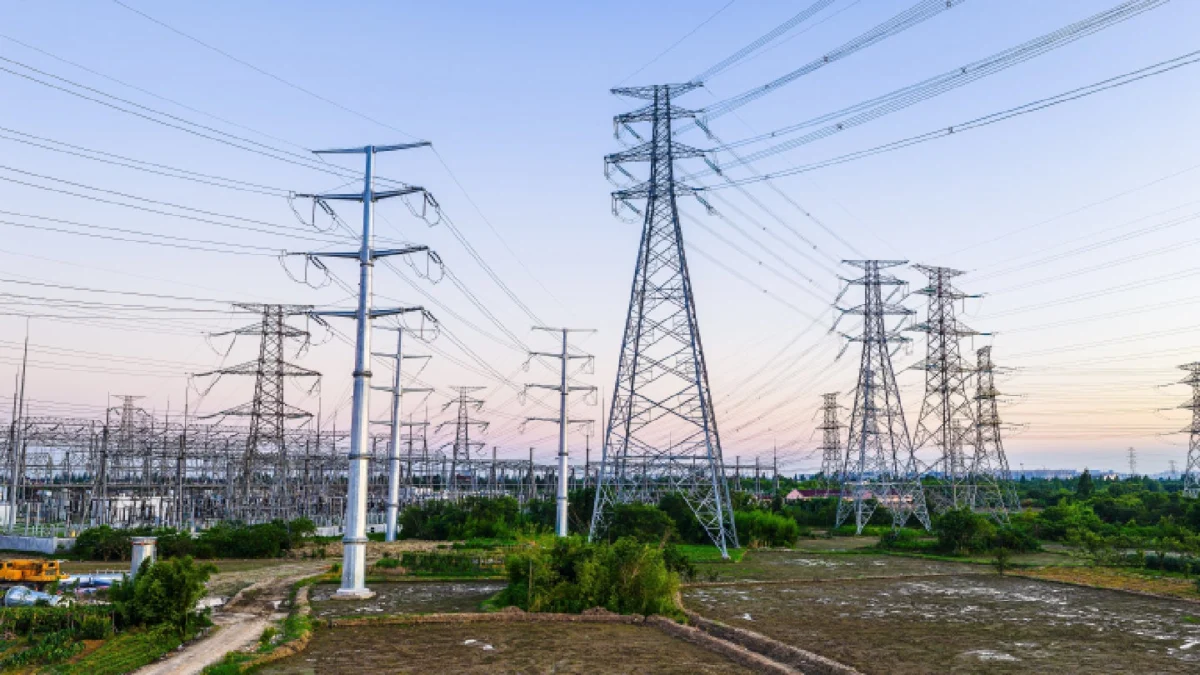
As industrial demand for power in Ohio increases—driven by data centers, manufacturing, and electrification—the addition of 240MW of clean energy provides a necessary hedge against grid volatility. By diversifying the energy mix, the region becomes less reliant on imported power and aging, carbon-intensive infrastructure.
2. Job Creation and Economic Development
The promise of 300 construction jobs is a significant boon for the local Franklin County economy. Beyond the immediate build phase, the project will contribute to the tax base of the county, potentially funding local schools, infrastructure, and emergency services for decades to come.
3. Advancing Federal Policy Goals
The monetization of federal investment tax credits is a cornerstone of the current US energy policy framework. By demonstrating that these credits can be efficiently traded and utilized, Crux is helping to prove the efficacy of the federal government’s incentive programs. When private capital follows government policy with such precision, it creates a self-reinforcing cycle of investment that lowers the overall cost of the energy transition.
The Future of Project Finance
As the energy transition matures, the role of specialized financial intermediaries will only grow in importance. The complexity of tax equity markets, coupled with the rapid pace of technological change in the solar sector, requires a new breed of financial services firm—one that understands both the physics of a solar array and the intricacies of tax law.
Crux’s success in Ohio suggests that the "democratization" of energy project finance is well underway. By leveraging AI to parse market data and optimize capital structures, firms like Crux are removing the friction that once kept many investors on the sidelines. As we look toward 2027 and the expected commissioning of the Pleasant Prairie site, the industry will be watching closely to see if this model can be replicated at even greater scale.
Conclusion: A Blueprint for the Midwest
The $215 million investment in the Pleasant Prairie Solar Energy Center is more than just a capital injection; it is a signal of the maturity of the American renewable energy market. By aligning the interests of developers like Invenergy with the financial expertise of Crux, the industry is creating a robust, sustainable, and economically vibrant energy future.
As Ohio and the broader Midwest continue to integrate large-scale solar into their grids, projects like Pleasant Prairie will serve as the blueprint for success. With 300 jobs created, millions of dollars in local investment, and a clear path toward a cleaner energy future, the collaboration between Invenergy and Crux is a definitive victory for the stakeholders, the environment, and the regional economy.
The transition to a clean energy economy is often discussed in abstract terms—global temperature targets, carbon accounting, and macro-economic shifts. However, in Franklin County, Ohio, the transition is visible, tangible, and currently under construction. It is powered by steel, silicon, and the quiet, essential machinery of modern finance.