The countertop kitchen composter is a compelling vision of modern sustainability. The pitch is simple: instead of maintaining a malodorous bucket of vegetable scraps and coffee grounds that acts as a beacon for fruit flies and backyard vermin, you can simply feed your food waste into a sleek, countertop electric appliance. At some point in the near future, you are promised a bountiful supply of nutrient-rich, garden-ready compost.
It is a lovely thought. Unfortunately, it is largely a fantasy.

While these devices are marketed as "composters"—complete with glossy instruction booklets and companion apps detailing the virtues of soil health—the reality is that the vast majority are not composters at all. They are, quite simply, high-tech food dehydrators and grinders. While they are undeniably effective at reducing the volume of your household food waste and eliminating the stench of rotting organic matter, they do not produce "compost" in the biological sense. If you are hoping to drop eggshells and banana peels into a machine and scoop out the earthy, humus-rich soil amendment you would buy at a garden center, you are in for a disappointment.
The Science of Decomposition: Why Machines Aren’t Composters
To understand the limitation of these devices, one must understand the difference between mechanical processing and biological decomposition. Composting is an aerobic, microbial-driven process. It requires heat, moisture, oxygen, and time to break down complex organic materials into stable humus.
-Reviewer-Photo-SOURCE-Kat-Merck.jpg)
Most electric "composters" utilize a cycle of heating and mechanical grinding to strip moisture from food waste. This process creates a "pre-compost" or "food-recycling byproduct." This material is effectively dehydrated, ground-up food debris. It is not biologically stable, meaning that if you were to mix a large quantity of it directly into a garden bed, it would continue to decompose in the soil, potentially drawing nitrogen away from your plants and risking root burn.
That said, these machines do serve a purpose. They can be used to process small amounts of these grounds into potting soil in very lean ratios, or as a "feeder" for a traditional, active compost pile. However, their primary value lies in volume reduction. According to the EPA, food waste comprises roughly 24 percent of municipal solid waste, contributing significantly to methane emissions—a potent greenhouse gas—as it decomposes in landfills. By drying and grinding this waste, you are at least ensuring it is shelf-stable, odor-free, and significantly easier to transport to a municipal green-waste facility.

A Chronology of the "Composter" Market
The rise of the kitchen food recycler began in earnest over the last decade, driven by a growing public consciousness regarding climate change and the individual’s role in waste management.
- Early Days (2020–2022): The market was flooded with "grind-and-dry" devices. Early adopters were often frustrated by the disconnect between the marketing promises of "ready-to-use compost" and the reality of a bucket of dry, ground-up food bits.
- The Pivot (2023–2024): Recognizing the criticism, companies began adjusting their messaging. Some, like FoodCycler, explicitly moved away from the word "composter," rebranding their devices as "food-waste recyclers" or "food processors."
- The Rise of Hybrid Technology (2025–2026): Companies like Reencle introduced machines that incorporate thermophilic microbes. These devices actually do come closer to producing a true, biologically active compost by using heat and active microbial cultures to break down waste inside the unit.
Supporting Data: Testing the Top Contenders
After extensive testing of the leading models on the market, a clear hierarchy emerges based on efficacy, volume, and noise levels.

The Best Overall: Reencle Prime
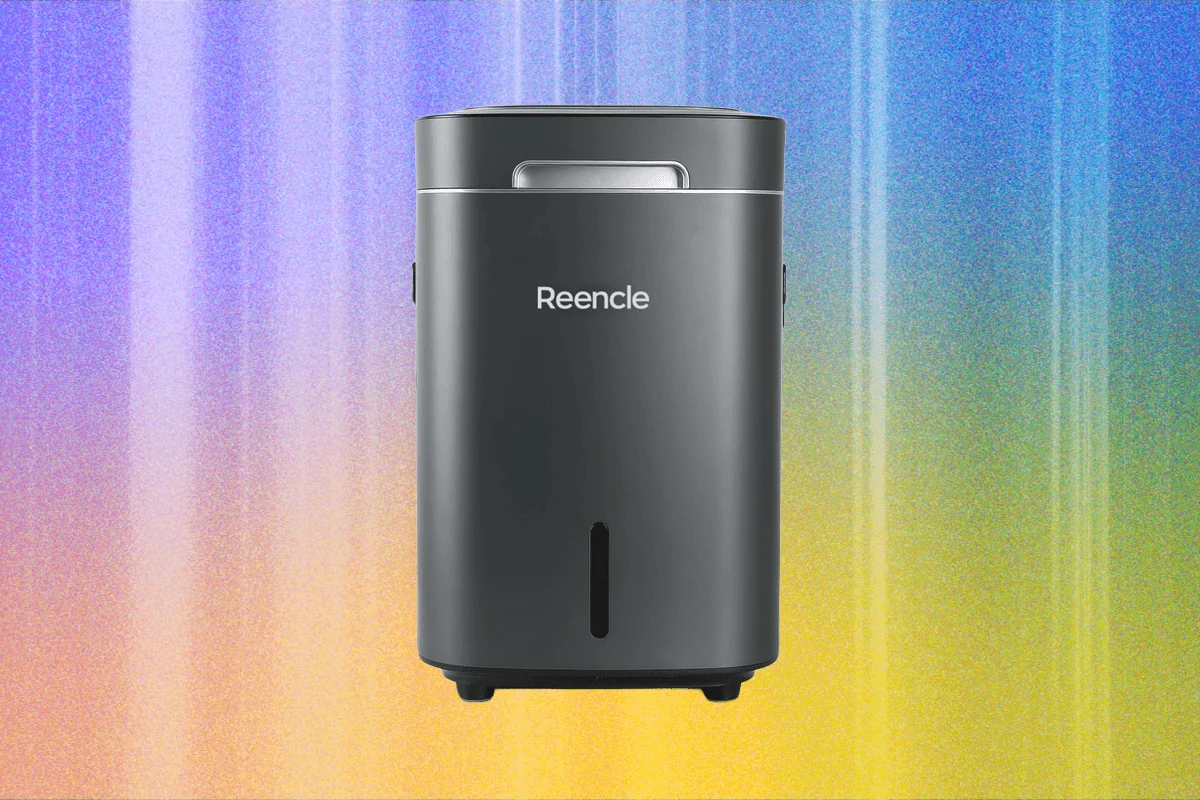
The Reencle Prime stands out because it is the only device that actually attempts to facilitate biological decomposition. Popular in South Korea for years before reaching Western markets, the Prime uses a proprietary blend of thermophilic microbes.
- Mechanism: It operates like a heated trash can. You add scraps, and the microbes do the work.
- Performance: Within hours to days, the material breaks down into a crumbly substance resembling dirt.
- Caveats: It is bulky and not suitable for small countertops. Additionally, after 18 months of rigorous testing, the stainless steel stirring paddles are prone to fatigue and breakage. While the company offers a repair kit, the mechanical failure is a notable long-term maintenance hurdle.
The Best Grind-and-Dry: Lomi 3
The Lomi 3 represents the best of the "grind-and-dry" category. It has stripped away the gimmicks of its predecessor, the Lomi 2, focusing on a streamlined user experience. It features a 3-liter bucket and a simple, intuitive interface. While it cannot process bioplastics—a feature found on previous models—its consistent, reliable grinding makes it an excellent choice for those primarily looking to reduce their landfill contribution.

The Capacity Leader: Mill
For larger households, the Mill food recycler offers a unique value proposition. Unlike its competitors, Mill allows users to ship their processed grounds to a partner facility in Washington state that converts the waste into chicken feed. While expensive ($999 to $1,149), it offers the most user-friendly experience, requiring minimal maintenance and boasting a monthly capacity that makes it feel less like a chore and more like a permanent kitchen appliance.
Official Responses and Industry Accountability
The shift in marketing language across the industry has not been accidental. Following waves of criticism regarding "greenwashing"—where companies implied that their products were an instant, eco-friendly solution to waste—regulatory pressure and consumer advocacy groups have forced a degree of transparency.

Companies like FoodCycler have been particularly firm in their public stance. A spokesperson for the company noted: "Our primary goal is to provide a modern food-waste solution for users who may lack access to traditional composting. The resulting byproduct cannot be labeled as ‘compost’ in the traditional sense, and we are committed to being transparent about that distinction."
Despite this, "corporate astroturfing" remains an issue in online reviews, where the lines between organic user feedback and paid marketing content are frequently blurred. Consumers are advised to look for third-party testing and to verify whether a company requires the purchase of proprietary "starters" or "pods" to function—a common tactic that increases the total cost of ownership significantly over time.

Implications for the Eco-Conscious Consumer
If you are looking to purchase a kitchen food processor, the implications for your lifestyle and your environmental footprint are significant.
- Waste Management, Not Gardening: If your goal is to help the planet by diverting waste from the landfill, these machines are effective. They successfully reduce the volume of trash and eliminate the odor associated with kitchen scraps. If you live in an apartment or a region with strict composting fines, they offer a tangible, immediate solution.
- The "Compost" Misconception: If you are looking to produce high-quality, free soil for your garden, these machines will not save you money. The electricity consumption—roughly 1 kilowatt-hour per cycle for most units—combined with the cost of replacement filters and microbial starters, means that you are effectively paying a premium for the convenience of managing waste.
- The Analog Alternative: The Bokashi method remains the "OG" of indoor composting. It relies on anaerobic fermentation rather than electricity. While it requires more hands-on effort and produces a smell that is arguably more pungent than the electric alternatives, it is a truly low-cost, sustainable method for those who are willing to put in the work.
Conclusion
The kitchen "composter" industry is at a crossroads. As these machines become more sophisticated, the distinction between a simple dryer and a true biological composter is becoming more pronounced. For the average consumer, the best strategy is to define your goal clearly. If you want a clean, quiet, and convenient way to handle food scraps in a small space, the Lomi 3 or FoodCycler are excellent engineering feats. If you are looking for a true, microbial-driven composting process, the Reencle Prime is your best—though higher-maintenance—bet.

Ultimately, these machines are a tool for waste management, not a magic wand for your garden. They can help you lower your carbon footprint, but they cannot replace the time-honored, messy, and wonderful process of traditional, biological composting.