Executive Summary: Scaling the Permian Footprint
Net Power, the North Carolina-based clean energy innovator, has taken a decisive step toward accelerating its “power-first” development strategy. In a move designed to solidify its presence in the Texas energy market, the company has successfully secured rights to acquire 123MW of advanced gas-fired power generation equipment. This development marks a significant milestone for Project Permian, the company’s flagship natural gas power plant.
Upon the successful closure of these agreements, the total potential power generation capacity for the first phase of Project Permian is projected to reach nearly 200MW. This expansion is not merely a quantitative increase in megawatts; it represents a fundamental shift in how Net Power manages project deployment, risk mitigation, and capital efficiency. By securing these assets now, the company aims to expedite the delivery of reliable power to the Texas grid, navigating the complexities of the current energy transition with a calculated, modular approach.
Chronology of Development: From Concept to Procurement
The trajectory of Project Permian reflects a deliberate, phased approach to utility-scale energy development.
- Initial Strategic Outlook: During its Q2 2026 earnings call, Net Power leadership articulated a pivot toward a "power-first" strategy. The core objective was to prioritize the immediate, scalable deployment of generation capacity while maintaining the structural integrity of the balance sheet.
- Early Foundations: Prior to the most recent announcement, the company had already secured contracts for two modular gas turbine generator units. Each unit was designed with an estimated gross output of approximately 68MW, serving as the bedrock for the facility’s initial design.
- The Procurement Breakthrough (August 2026): Net Power entered into two definitive agreements to procure an additional 123MW of equipment. To secure these assets, the company deposited $20 million under an exclusivity arrangement, which covers both the third-party engineering, procurement, and construction (EPC) roles and the requisite generation hardware.
- The Path to Closing: The transaction is currently subject to customary third-party consents and final documentation. The company anticipates the formal closing of this transaction in the third quarter of 2026, with a structured payment schedule tied to manufacturing, delivery, and installation milestones.
Strategic Implications: Why the Permian Basin Matters
The choice of Texas for this project is no coincidence. The Permian Basin remains the heartbeat of the American energy sector, yet it faces the dual challenge of aging infrastructure and skyrocketing demand from data centers, industrial manufacturing, and residential growth.
The Power-First Strategy
Net Power’s strategy is built on the premise that the energy transition requires more than just intermittent renewables; it requires dispatchable, low-emissions, or high-efficiency baseload power. By scaling to 200MW in the first phase, Net Power is positioning itself to be a significant contributor to the ERCOT (Electric Reliability Council of Texas) grid.
Financial Safeguards and Cost Reimbursement
A key highlight of the recent announcement is the establishment of a cost reimbursement framework with a prospective end customer. This agreement allows Net Power to recoup specific, approved third-party costs related to the project development and equipment acquisition, up to a defined cap.
Crucially, this framework is designed to provide financial insulation. It does not bind either party to a future energy services contract or a definitive power purchase agreement (PPA) at this stage. Instead, it serves as a "de-risking" mechanism, facilitating easier access to project financing by providing lenders with visibility into the cost structure and customer alignment.
Technical Specifications and Future Scalability
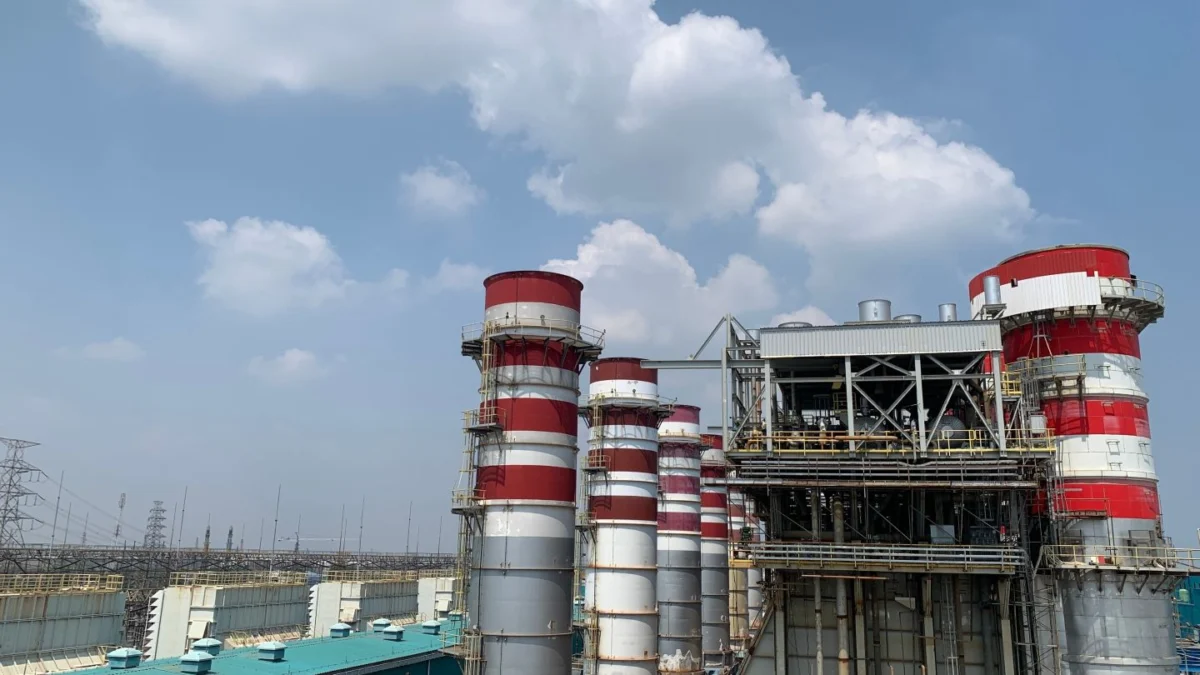
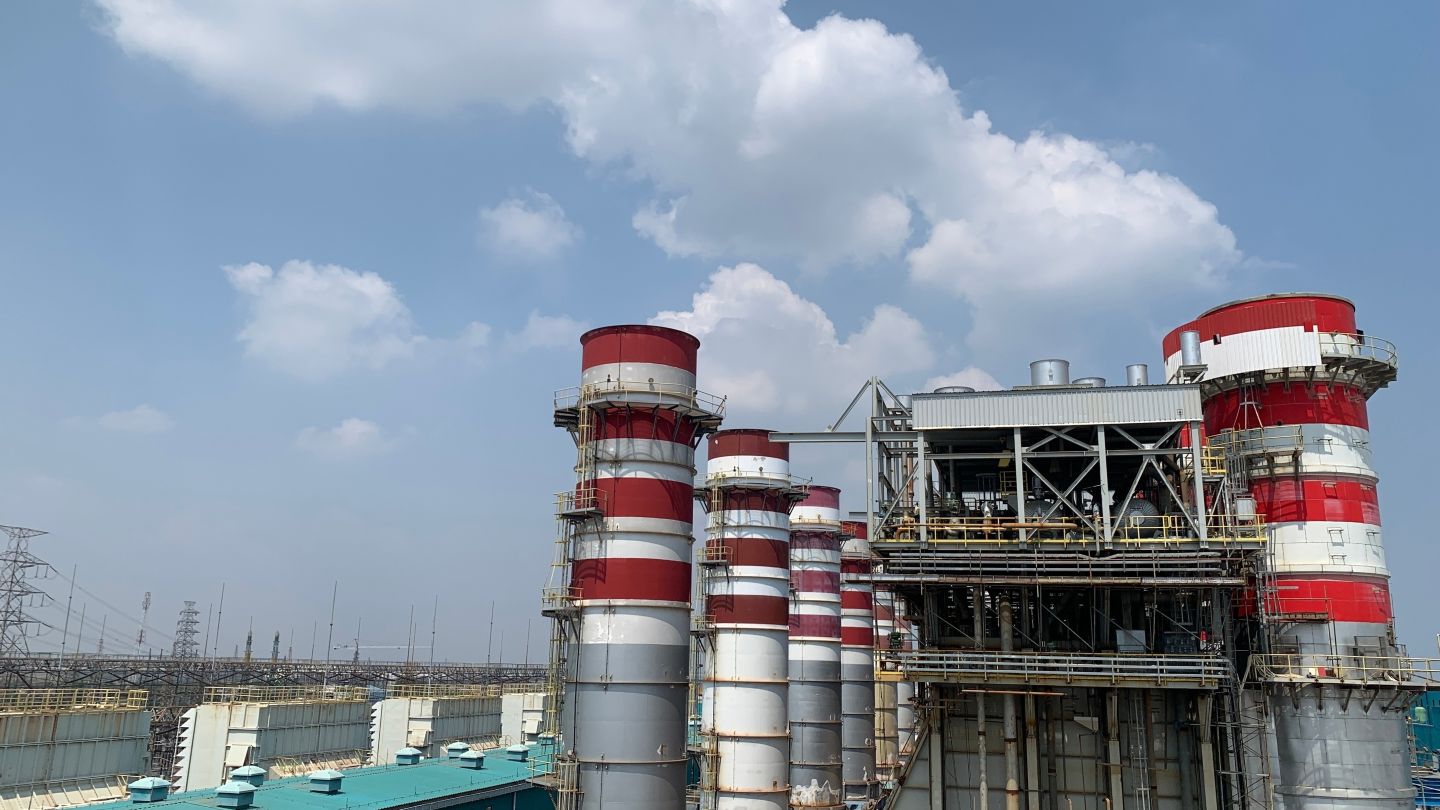
Project Permian is designed with modularity at its core. The use of modular gas turbine generator units allows for a "plug-and-play" deployment model that reduces the lead time compared to traditional, bespoke power plant construction.
Expanding Beyond the Initial Phase
While the current focus is on reaching the 200MW milestone, the site layout at Project Permian has been engineered to support substantial expansion. The company has indicated that the current infrastructure is merely a starting point. As regional energy demand in Texas continues to climb, the site’s topography and grid interconnection capabilities are expected to accommodate significantly larger generation capacities in future phases.
Operational Milestones
The payment structure for the newly acquired 123MW equipment is a testament to the company’s risk-averse approach. By front-loading only a portion of the payment and tying the balance to specific milestones—manufacturing progress, successful delivery to the site, and the completion of installation—Net Power ensures that capital is only deployed as value is added to the project.
Official Perspectives: CEO Danny Rice on the Road Ahead
Net Power CEO Danny Rice has been vocal about the importance of these agreements, characterizing them as the practical realization of the strategy discussed earlier in the year.
"Entering into these agreements is a practical next step in our power-first strategy that we outlined in our second-quarter earnings call," Rice stated. "When taken together, these agreements provide us the opportunity to secure and deliver more power sooner with appropriate financial protections."
Rice’s emphasis on "financial protections" underscores a wider trend in the energy sector: the move away from speculative mega-projects toward manageable, milestone-driven developments. Furthermore, Rice noted that this specific deal structure is intended to be a "template." If successful, the company intends to replicate this model to secure additional generation capacity, effectively creating a standardized procurement playbook that can be applied to future sites.
The Broader Energy Landscape: Challenges and Opportunities
The expansion of Project Permian occurs against a backdrop of intense scrutiny regarding energy security.
The Reliability Imperative
Texas has seen significant volatility in its power markets over the past several years. The integration of 200MW of reliable gas-fired capacity provides a buffer that intermittent sources currently cannot offer. As industrial electrification accelerates—driven by the expansion of the Permian’s midstream operations and the growing needs of AI-driven data centers—Net Power’s capacity to deliver consistent, non-intermittent power becomes a strategic asset for the state.
Regulatory and Economic Hurdles
Despite the optimism surrounding the project, challenges remain. The project must navigate:
- Third-Party Consents: The acquisition is subject to external approvals that can often delay timelines in the utility sector.
- Supply Chain Pressures: While modular units are faster to install, the manufacturing phase is susceptible to global supply chain disruptions.
- Capital Markets: With interest rates and project financing costs remaining a focal point, the cost reimbursement framework is a vital tool to ensure that the project remains economically viable for both the developer and the end-user.
Conclusion: A Template for Growth
Net Power’s recent move to secure 123MW of equipment for its Texas facility is a calculated, professional maneuver that balances growth with fiscal prudence. By combining modular hardware, a clear cost-reimbursement model, and a scalable site design, the company is effectively building a "kit of parts" approach to utility-scale energy.
As the third quarter of 2026 approaches, industry observers will be watching closely to see if the closing of this transaction proceeds as planned. If it does, Project Permian could serve as the prototype for a new generation of power plant development—one that favors speed, modularity, and shared financial risk over the traditional, high-risk, long-lead-time models of the past. For Net Power, the goal is clear: to be the first-choice provider of reliable energy in a market that is increasingly demanding both stability and rapid deployment.
The successful execution of this plan will not only solidify the company’s standing in Texas but also provide a proven, scalable blueprint for its expansion into other regions across the United States.