By Samuli Haapasalo
Published: August 11, 2026
In the vast, untamed reaches of the Northern Hemisphere, where the treeline fades into the tundra and the sea meets the jagged edge of the world, there exists a family of birds that embody the spirit of the wild: the loons. Among them, the Yellow-billed Loon (Gavia adamsii), known in Finnish as jääkuikka, stands as a pinnacle of Arctic evolution. Their vocalizations—haunting, resonant, and occasionally startling—are the quintessential soundtrack of the North. To observe them is to witness a creature perfectly adapted to a harsh, unforgiving environment.
Main Facts: The King of the Northern Waters
The loon family, comprising five distinct species—the Yellow-billed Loon, the Common Loon, the Arctic Loon, the Pacific Loon, and the Red-throated Loon—represents an ancient lineage of waterbirds. Among these, the Yellow-billed Loon is the largest and arguably the most majestic. Once considered a subspecies of the Common Loon, the Yellow-billed Loon is now recognized as a distinct species in its own right, distinguished primarily by its massive, ivory-colored, slightly upturned bill.
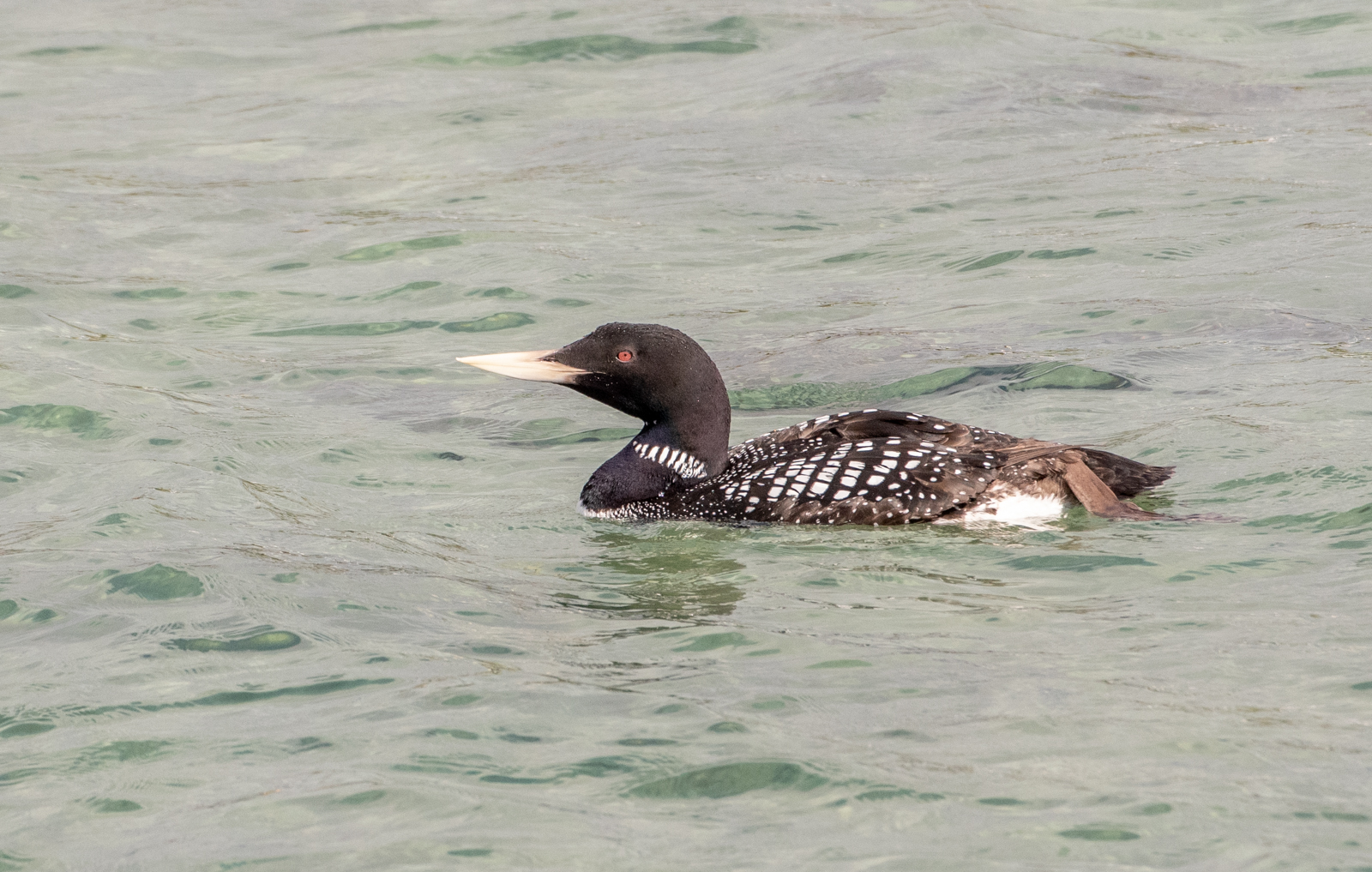
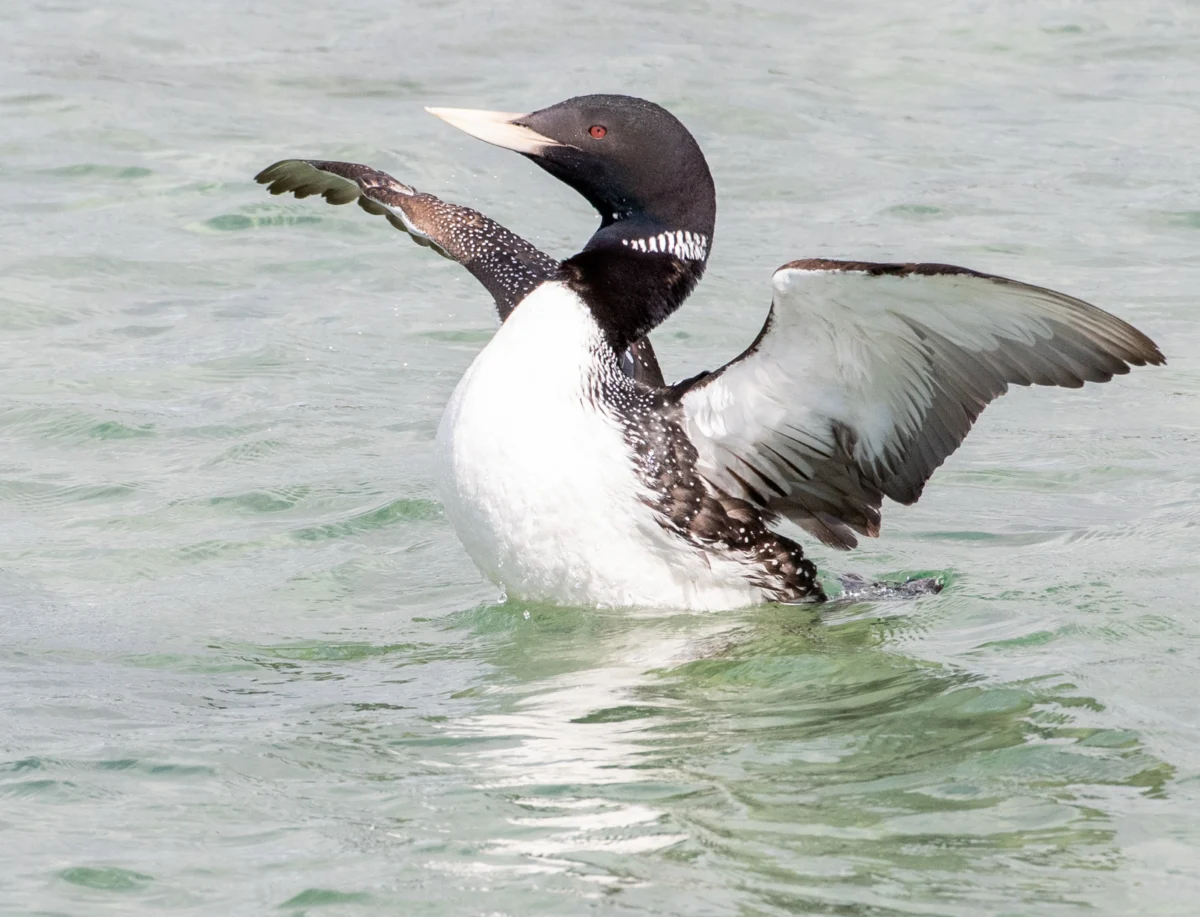
This species is a master of the subarctic and Arctic aquatic ecosystems. During the breeding season, they inhabit the remote, freshwater lakes of the tundra, spanning from the Russian Novaya Zemlya archipelago across to the Chukchi Peninsula, and eastward through the Alaskan wilderness to the shores of Hudson Bay. Their plumage during the breeding season is a work of art: a stark, velvet-black head and neck adorned with intricate, jewelry-like white spots, contrasting sharply with a bold, checkered mantle of black and white.
A Chronology of Observation: Encounters at Varanger
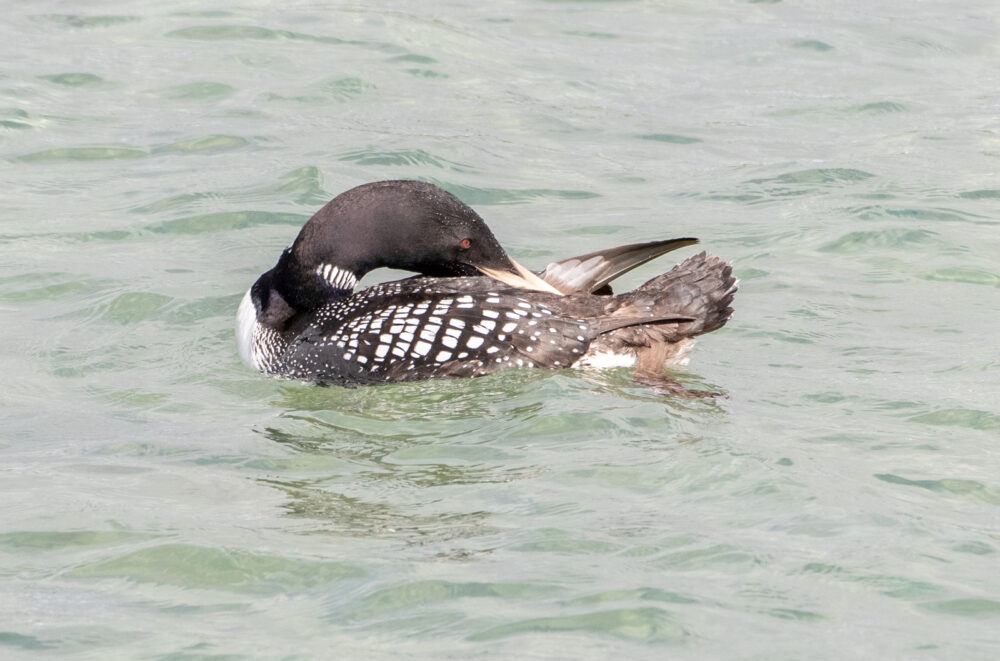
The summer of 2026 provided a rare opportunity to document these elusive birds. On July 30, 2026, near the village of Ekkerøy on the Varanger Peninsula in Norway, I was granted a glimpse into the daily life of a Yellow-billed Loon.
Varanger is a sentinel site for birders and naturalists. It is here, amidst the historic, weathered wooden structures of a former fishing harbor, that the intersection of human history and wild nature becomes palpable. Over several days, I waited patiently, tucked away behind the shelter of an old, abandoned wooden fishing boat—a relic of the region’s maritime past.
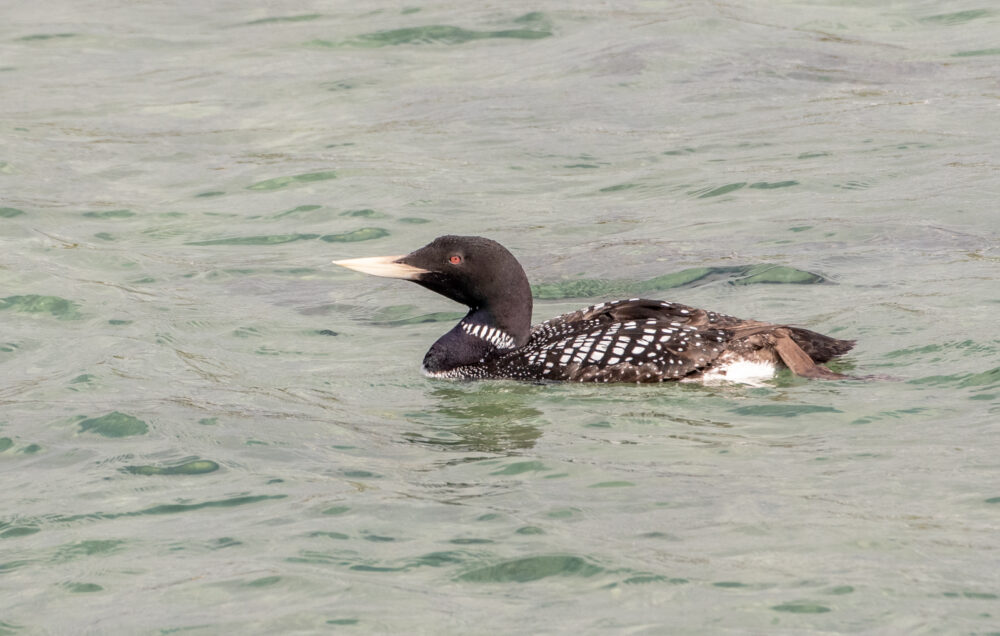
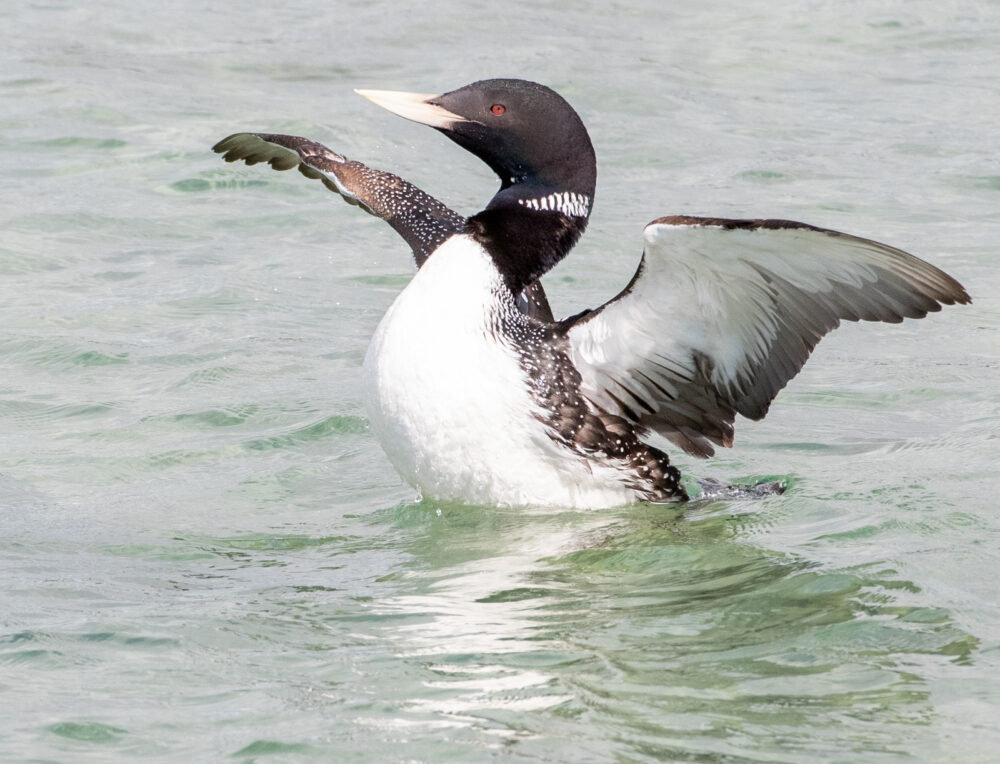
The strategy of patience proved fruitful. A Yellow-billed Loon, usually an incredibly shy and cautious bird, eventually drifted close to the shoreline. It spent hours grooming its plumage and resting, seemingly unbothered by my presence. Watching it in the quiet, cool air of the fjord, one could see the inherent dignity of the species. While the Yellow-billed Loon is known for its extreme caution, occasionally, they allow themselves to be seen as they forage or rest near the coast, particularly during the late summer transition toward their wintering grounds.
Supporting Data: Distribution and Status
The global population of the Yellow-billed Loon is alarmingly modest. Ornithologists and researchers estimate the world population to be between 8,000 and 16,000 breeding pairs. Due to this limited number and the threats posed to their breeding and wintering habitats, the species is currently classified as "near-threatened."
Their historical range once touched the fringes of Finnish territory, with early records from researchers like Merikallio noting their presence in Petsamo. Today, sightings in Finland are rare, limited largely to the occasional individual observed on the Gulf of Finland during the Arctic migration, or on large, inland lakes just before the onset of the winter freeze.
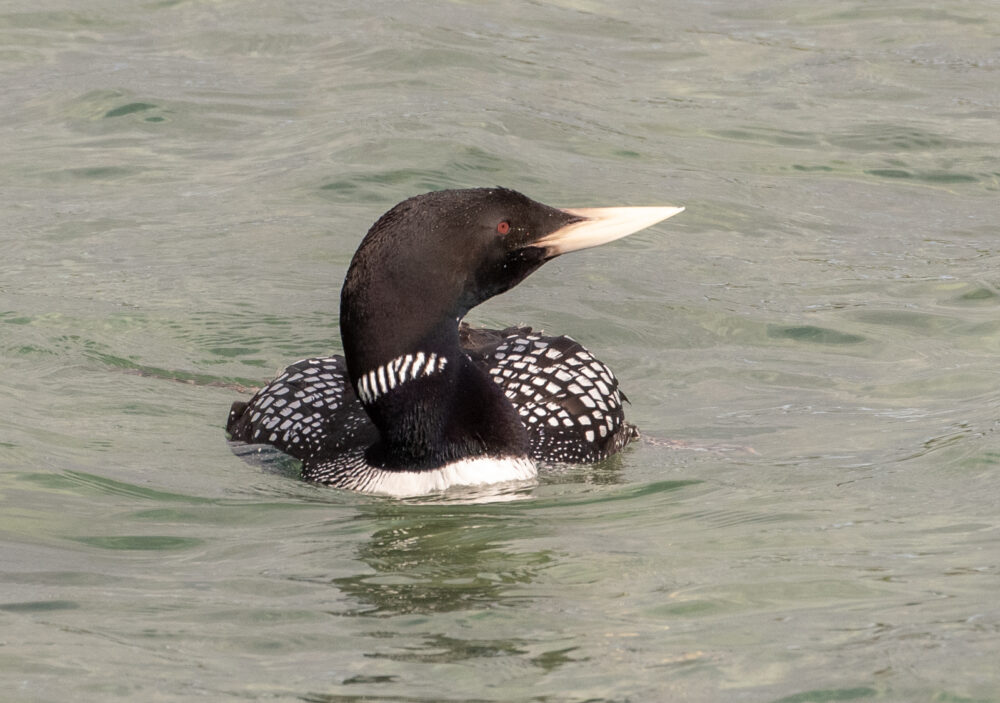
For the dedicated bird enthusiast, the best opportunity to observe the Yellow-billed Loon lies in the Barents Sea region of Northern Norway. Locations such as Hamningberg, with its dramatic vistas looking toward both the Syltefjord and the Varanger Fjord, offer some of the most reliable vantage points in the world to spot these birds as they navigate the icy northern currents.
Implications: A Fragile Arctic Ecosystem
The existence of the Yellow-billed Loon is inextricably linked to the health of the Arctic. However, the future of these birds is clouded by the increasing pressures of human industrialization and environmental degradation.
- Industrial Encroachment: Arctic and sub-arctic regions are increasingly being targeted for oil and gas exploration. Oil spills in these sensitive environments are catastrophic, as the loons are highly susceptible to oil contamination, which destroys the waterproofing of their feathers and leads to hypothermia.
- Habitat Alteration: The drainage of wetlands and the destruction of peatlands for development directly impact the quality of the freshwater lakes where these birds nest. Even minor disturbances in these quiet, isolated environments can lead to nest abandonment.
- Incidental Bycatch: As human fishing activity expands, the risk of loons becoming entangled in commercial gillnets increases. This is a significant, often overlooked, cause of mortality for the species.
- Climate Change: The Arctic is warming faster than any other region on Earth. Shifts in prey availability, the timing of ice melt, and the alteration of permafrost-dependent lake systems pose a long-term threat that is difficult to quantify but potentially devastating.
The human relationship with the Arctic remains, in many areas, one of profound negligence. We treat these regions as resource reservoirs rather than the fragile, interconnected biological hubs they are. The Yellow-billed Loon, as an apex predator in its freshwater environment, serves as a bio-indicator. When the loons struggle, it is a signal that the integrity of the entire Arctic food web is under duress.
Conclusion: The Call of the Wild
The vocalizations of the Yellow-billed Loon are more than just noise; they are a primal reminder of a world that still exists beyond the reach of our urban sprawl. During my time at Ekkerøy, while waiting for the loon to drift within camera range, I was struck by the silence of the fjord, broken only by the distant calls of other waterbirds and the rhythmic lapping of the sea against the pier.
As we look toward the future, the survival of the Yellow-billed Loon depends on our ability to prioritize conservation over short-term extraction. Whether through the establishment of protected marine areas in the Barents Sea or stricter regulations on wetland management in the tundra, the steps we take now will determine whether future generations will hear the haunting, beautiful call of the Yellow-billed Loon, or whether they will only know it through the archives of history.
The "Year in Nature" is a reminder that we are merely guests in these landscapes. Observing the Yellow-billed Loon in the soft light of a Norwegian summer evening, one feels the weight of responsibility. These birds are not just components of an ecosystem; they are the living, breathing heart of the North. Protecting them is not just an act of ecological stewardship—it is an act of preserving the very soul of the wilderness.
Samuli Haapasalo is a nature writer and photographer focusing on the intersection of Arctic wildlife and environmental policy.