In a landmark decision that promises to reshape the financial landscape for professional athletes, the International Olympic Committee (IOC) has announced the creation of the “Fit for the Future Olympian Grant.” For the first time in the history of the modern Olympic movement, every single athlete who competes in the Olympic Games will be eligible for a direct financial grant of $10,000.
The initiative, unveiled during the IOC Session in Lausanne, Switzerland, represents a monumental shift in how the organization supports the individuals at the heart of the Games. With a total commitment of $140 million per Olympiad, the program is designed to provide tangible support to athletes as they navigate the rigorous demands of elite competition or prepare for the often-challenging transition to life after sports.
The Core Mandate: Empowering Every Olympian
The “Fit for the Future” grant is not merely a bonus for performance; it is a strategic investment in the longevity and stability of the athlete’s career. By providing a flat $10,000 grant to every qualified athlete, the IOC acknowledges the immense personal and financial sacrifices required to reach the pinnacle of global sport.
The grant is designed to be versatile. Whether an athlete requires funds to cover training expenses, medical support, coaching, or essential costs during a transition into a post-athletic career, the $10,000 is intended to act as a bridge. This move is a cornerstone of the IOC’s broader “Fit for the Future” strategic framework, which seeks to modernize athlete support systems to reflect the realities of 21st-century sport.
Chronology: From Concept to Implementation
The path to this announcement was neither swift nor simple. For years, the IOC, in collaboration with the Athletes’ Commission, has engaged in high-level discussions regarding the financial precarity faced by many elite athletes.
- Pre-2024: Internal reviews conducted by the IOC Athletes’ Commission highlight the "career cliff"—the period immediately following retirement where athletes lose access to training facilities, coaching, and structure.
- Early 2026: The “Fit for the Future” strategy is formalized, outlining a vision for athlete-centric funding.
- June 2026 (Lausanne): During the IOC Session, Pau Gasol, Chair of the IOC Athletes’ Commission, officially presents the grant program.
- Late 2026: The IOC expects to launch the formal application and disbursement mechanism.
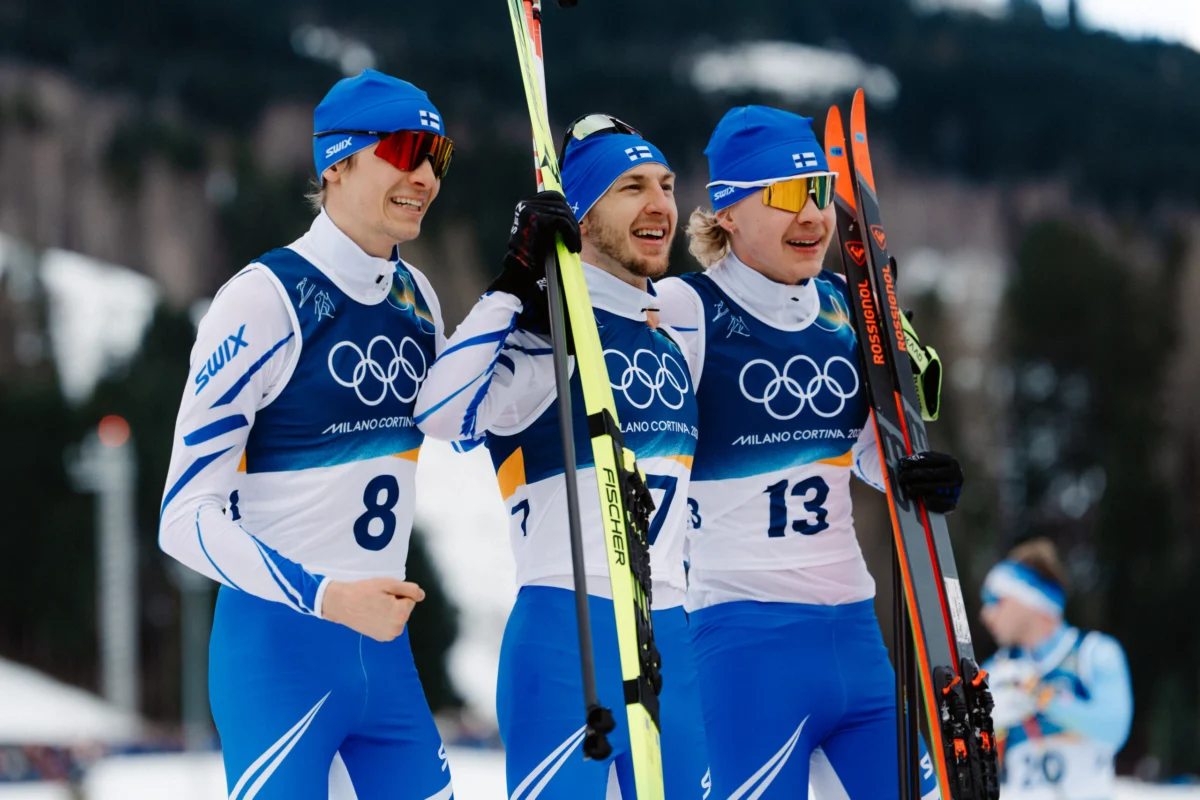
- 2027: The first wave of payments is scheduled to reach the athletes who competed in the Milano-Cortina 2026 Winter Olympic Games.
The retroactive nature of the program, starting with those who participated in Milano-Cortina 2026, ensures that the most recent generation of Olympians is the first to experience this historic change.
Supporting Data and Financial Framework
The scale of this commitment is unprecedented. The IOC has earmarked $140 million per four-year cycle to fund this program. With an estimated 14,000 athletes participating across both Summer and Winter Games per Olympiad, the math reflects a robust, sustainable funding model.
Key Financial Pillars:
- Eligibility: Every athlete accredited for the Olympic Games receives eligibility.
- Sustainability: If an athlete chooses not to claim their grant, the funds are not lost; they are cycled back into the pool to support the financial health of future generations of Olympians.
- Independence of Funding: A critical concern for stakeholders was whether this would cannibalize existing funds. The IOC has explicitly stated that the “Fit for the Future” grant will not reduce support for National Olympic Committees (NOCs), International Federations (IFs), or the Olympic Solidarity program. This is new money, additive to the existing ecosystem.
Official Responses: A Milestone for the Movement
The announcement was met with significant enthusiasm from leadership, who framed the decision as a moral imperative rather than a discretionary luxury.
Pau Gasol, a legendary basketball player and the current Chair of the IOC Athletes’ Commission, was instrumental in championing the initiative. "Our goal is to ensure that every athlete, regardless of their sport or their country’s economic status, has a safety net," Gasol remarked in Lausanne. "This is about respect for the journey."
Kirsty Coventry, a multi-time Olympic gold medalist and current IOC official, emphasized the long-term planning that led to this moment. "This has been a topic of discussion for many years," Coventry stated. "I am incredibly proud that we are finally able to implement this. It is a fundamental shift in our relationship with the athletes, recognizing them as the primary drivers of the Olympic brand."
Implications: The Long-Term Impact on Global Sport
The introduction of this grant system carries profound implications for the future of Olympic sport.
1. Reducing the Barrier to Entry
Financial pressure is one of the leading causes of early retirement in sports. By guaranteeing a $10,000 injection, the IOC is effectively helping to extend the competitive careers of many athletes. This keeps the talent pool deep and competitive, which in turn enhances the quality of the Olympic spectacle.
2. Easing the "Career Cliff"
The transition from being an elite, full-time athlete to a civilian career is famously difficult. The psychological and financial impact of this transition can be traumatic. By providing a financial buffer, the IOC is signaling that it considers the welfare of the athlete to extend beyond the closing ceremony of the Games.
3. Global Equity
Because the funds will be distributed through the structures of National Olympic Committees, the grant provides a degree of parity. While $10,000 may be a supplementary amount for some, it represents a life-changing sum for athletes from developing nations or those competing in underfunded sports. This helps to level the playing field, ensuring that the Olympic Games remain a truly global endeavor.
4. Strengthening the Athlete-IOC Bond
Historically, there has been friction between the centralized power of the IOC and the independent nature of the athletes. This grant serves as a concrete "goodwill" gesture that demonstrates the IOC’s commitment to its workforce. It solidifies the idea that the Olympic Games are a partnership, not just an event.
Looking Ahead: The Roadmap for 2027 and Beyond
As the IOC pivots to the operational phase of the “Fit for the Future” program, the focus shifts to logistics. The coordination required to verify the eligibility of thousands of athletes from over 200 countries is a massive undertaking.
The National Olympic Committees (NOCs) will play a pivotal role. They will serve as the primary conduits for the funds, ensuring that the money reaches the athletes efficiently and transparently. For the athletes who competed in the 2026 Milano-Cortina Games, the waiting period will end in 2027.
"We are now entering the implementation phase," a spokesperson for the IOC confirmed. "Our focus is on creating a streamlined, transparent, and user-friendly application process that respects the privacy and the autonomy of the athletes."
The success of this program will likely be measured by how many athletes utilize the funds for professional development or life-transition training. If the program proves successful in its first cycle, it sets a precedent that will be nearly impossible to walk back. It marks a new standard in international sport, where the welfare of the individual athlete is prioritized on par with the success of the Games themselves.
In an era where the commercialization of sports is often criticized, the “Fit for the Future” grant is a rare and welcome example of wealth distribution directly to the people who create the value. As the Olympic movement continues to evolve, this $140 million commitment stands as a testament to the fact that the Games are not just about records and medals—they are about the people who devote their lives to the pursuit of excellence.
For the athletes of Milano-Cortina 2026 and every Olympic athlete to follow, this is more than just a grant; it is a vote of confidence in their future, both on and off the field of play.